Inksy Picks
A diverse collection of 9,090 tattoo designs.
Victorian
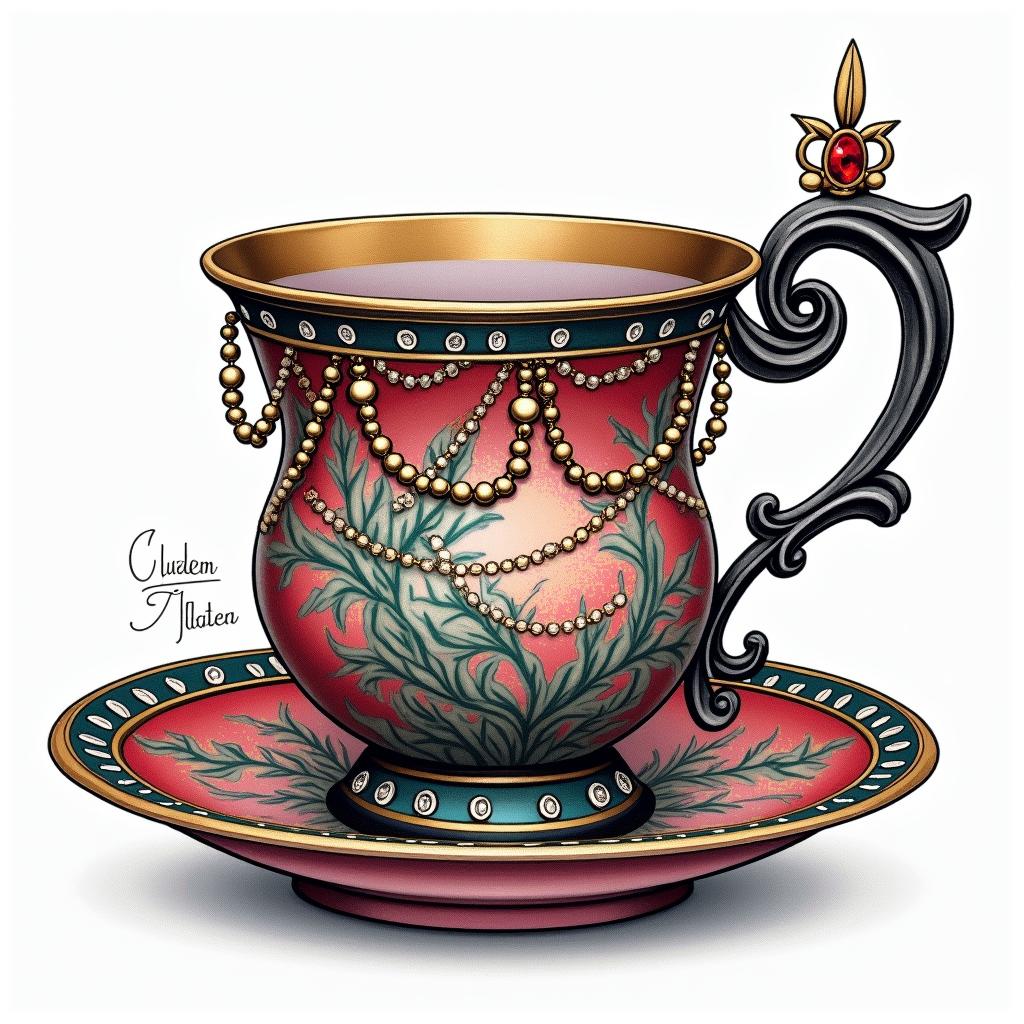
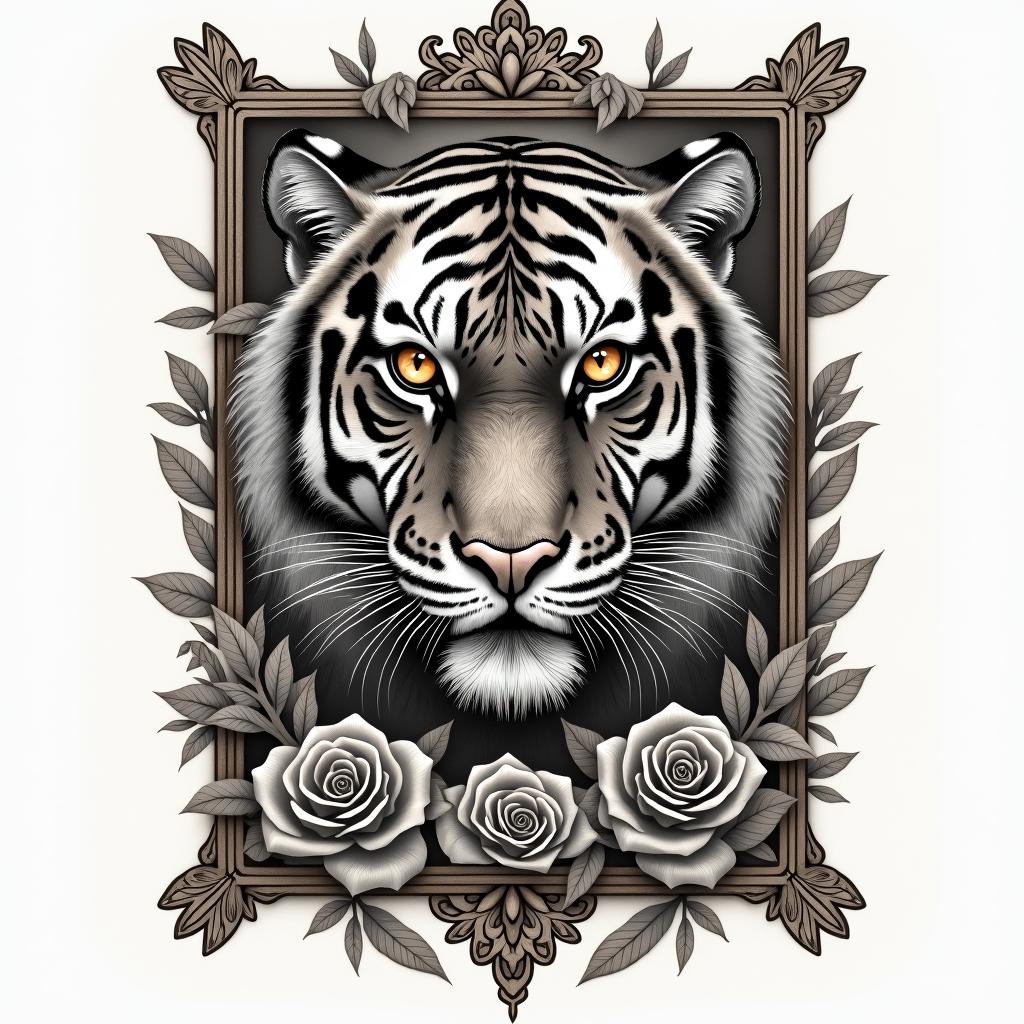
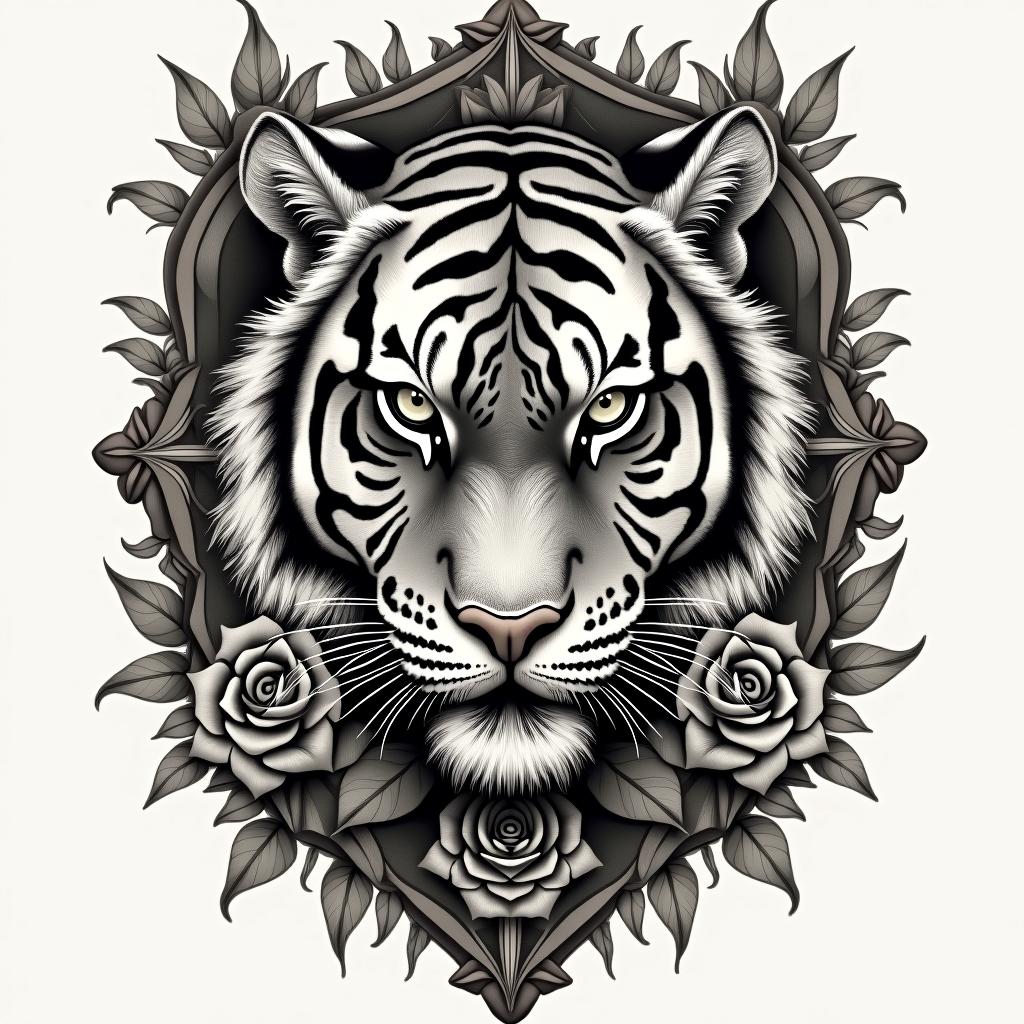
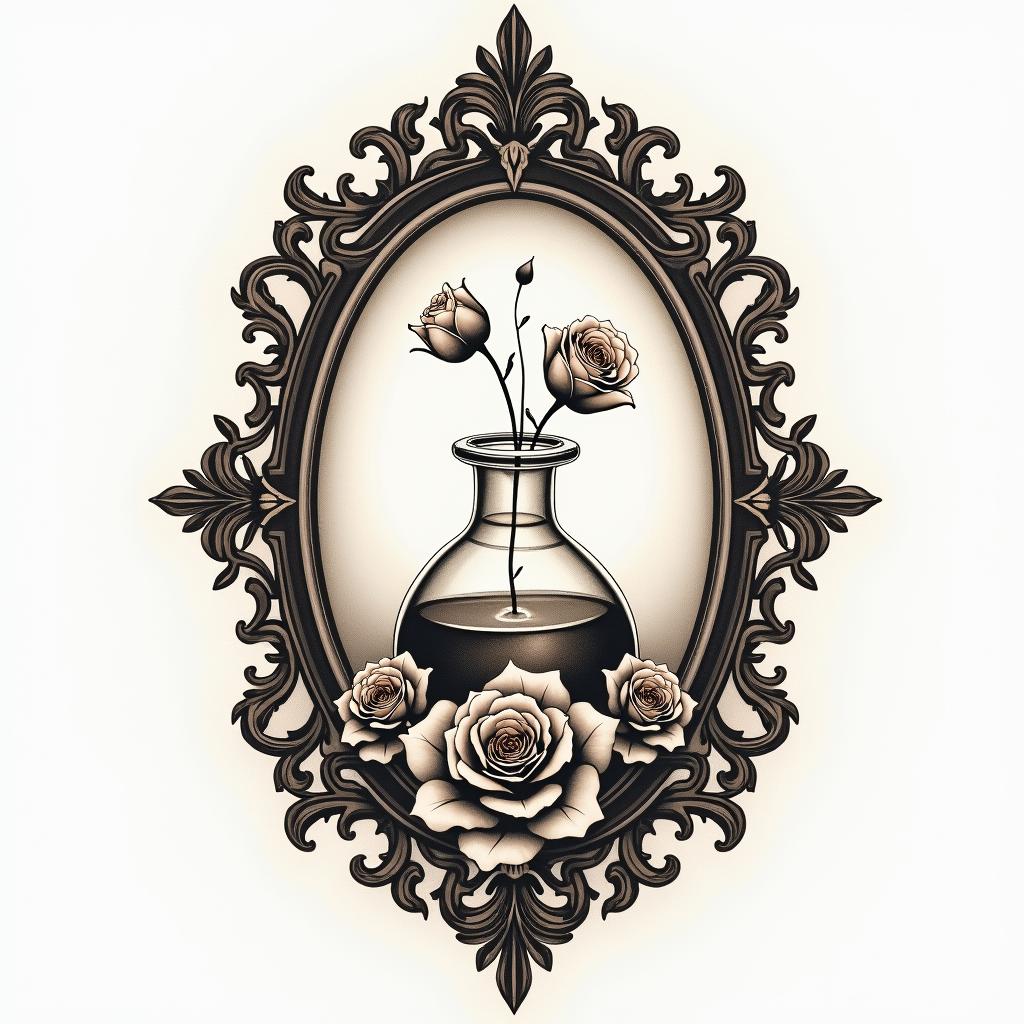
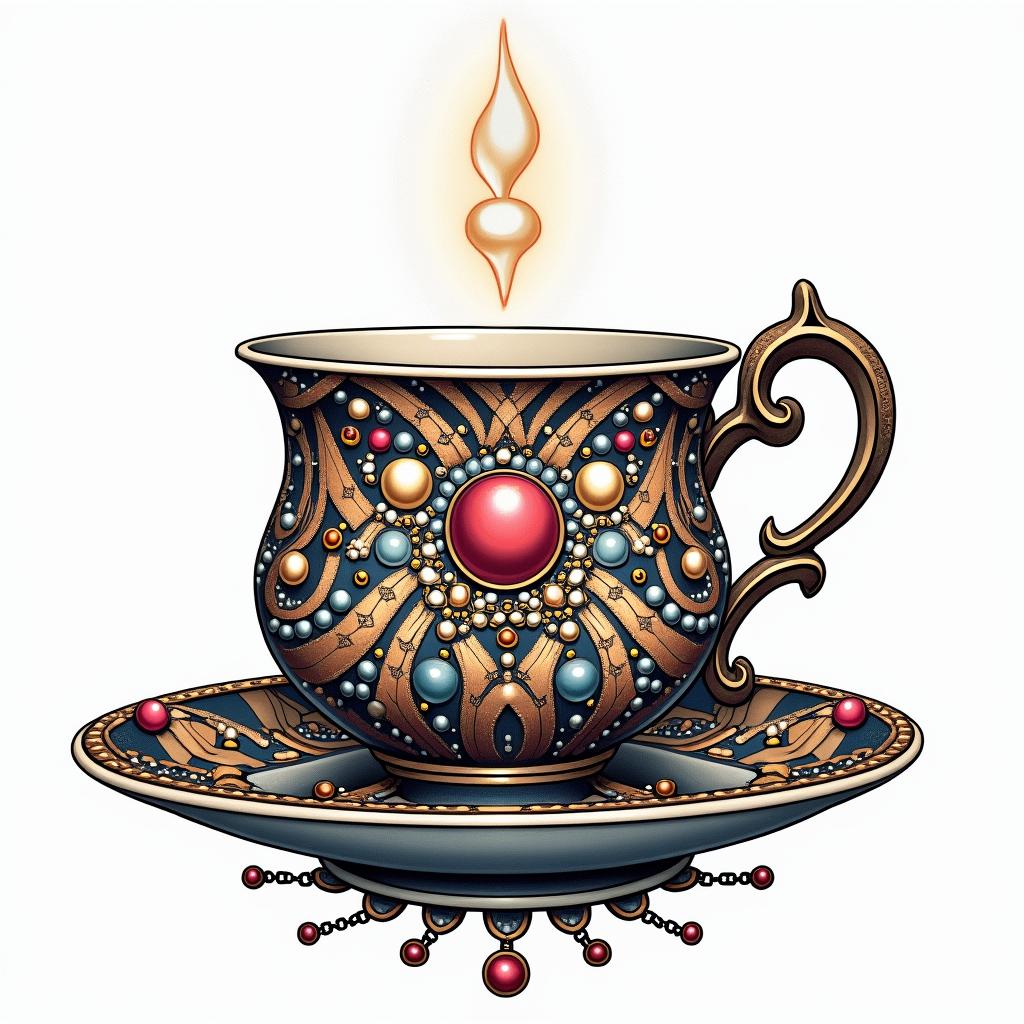
Victorian tattoos draw from the decorative arts of Queen Victoria's reign (1837–1901). The style features fine linework, stipple shading, ornamental borders, and cameo-style framing. Common motifs include pocket watches, keys, lockets, roses, ravens, and mourning imagery rooted in Victorian symbolism. Black and grey ink dominates, with occasional muted sepia or dusty rose accents. The aesthetic references Victorian jewelry, botanical illustration, and print engraving. Victorian tattoos need space for detail, so forearm, chest, and back placements work best.
Pop Art
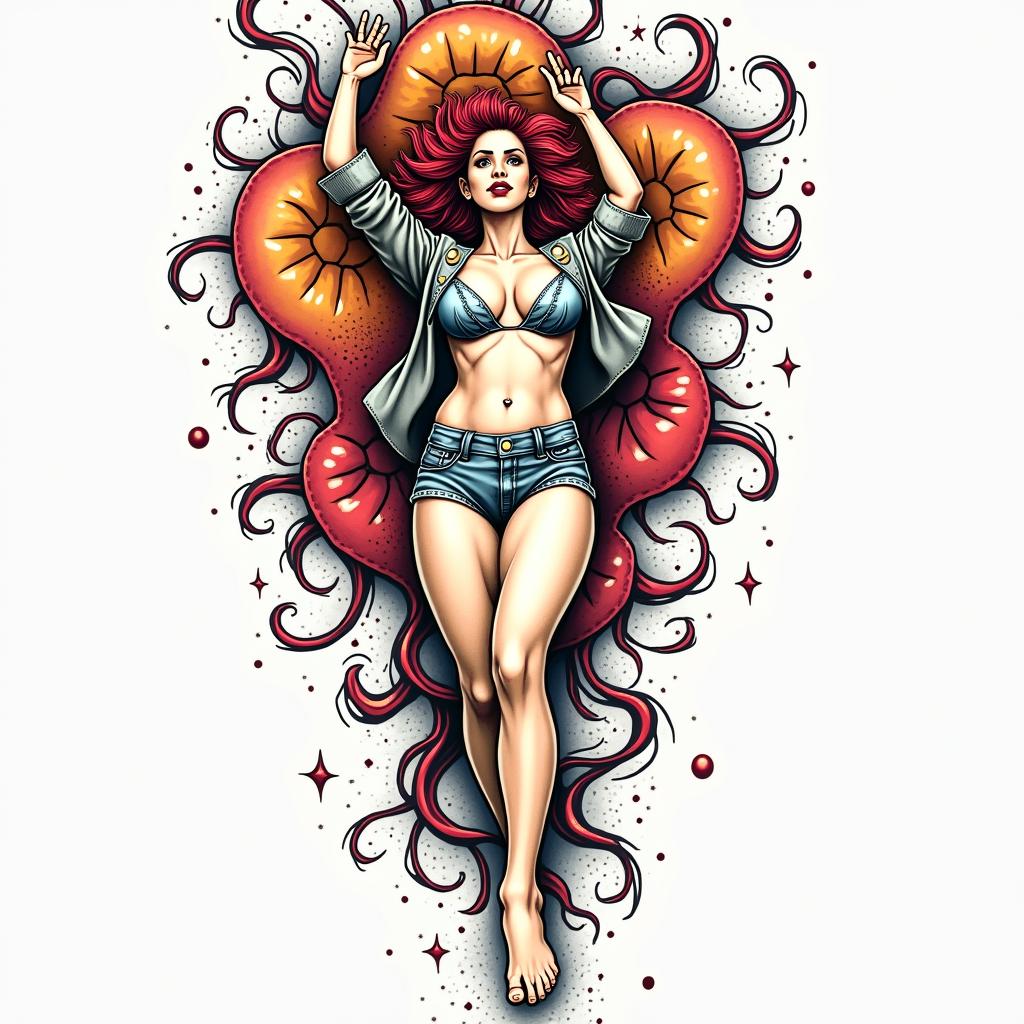
Pop Art tattoos replicate the visual language of the 1950s-60s Pop Art movement on skin. They use Ben-Day dots (halftone patterns), bold black outlines, flat primary colors, and comic book imagery like speech bubbles and sound effects. The style mimics mass-produced printing rather than traditional tattoo shading. Key motifs include Lichtenstein-style portraits, Warhol-inspired repeated images, and retro advertising graphics. Pop Art tattoos age well due to their bold lines and saturated colors, but halftone dots need adequate sizing to stay readable over time.
Gothic Text
Realism
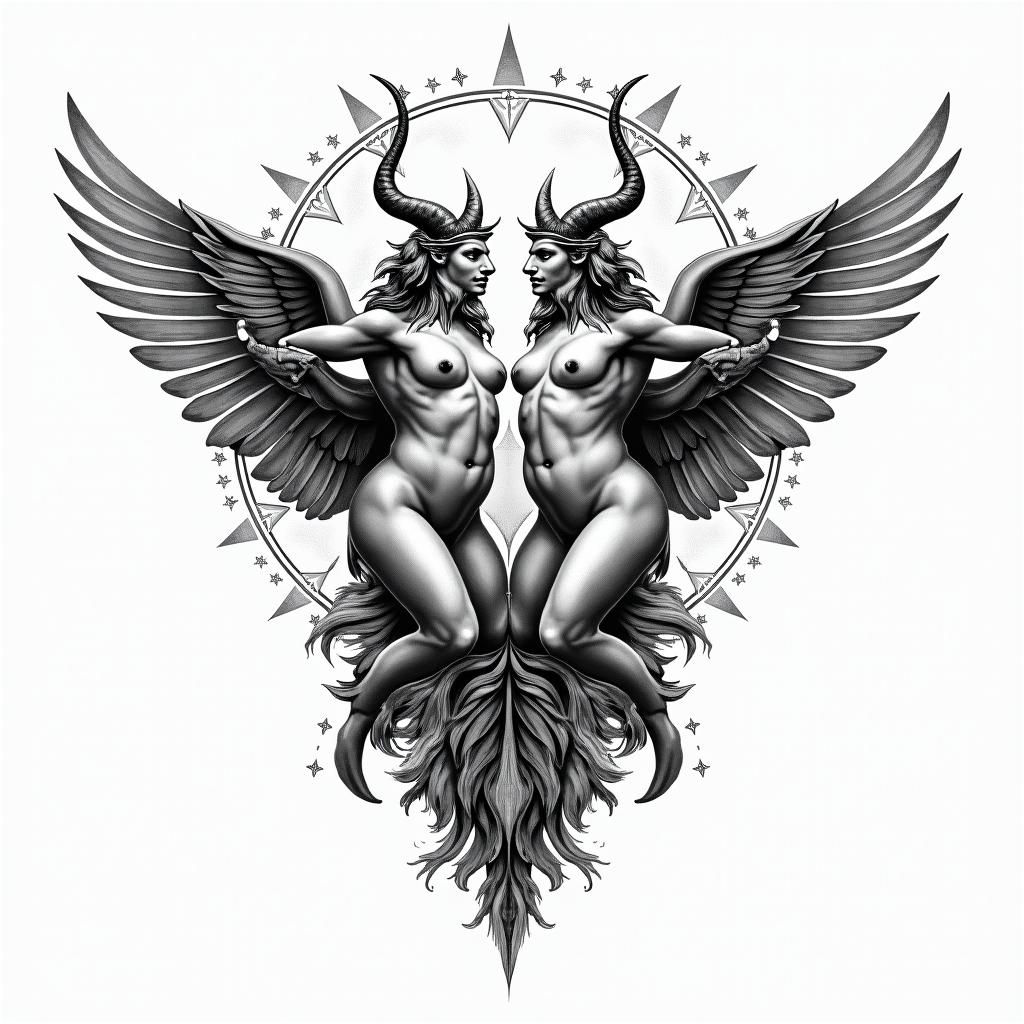
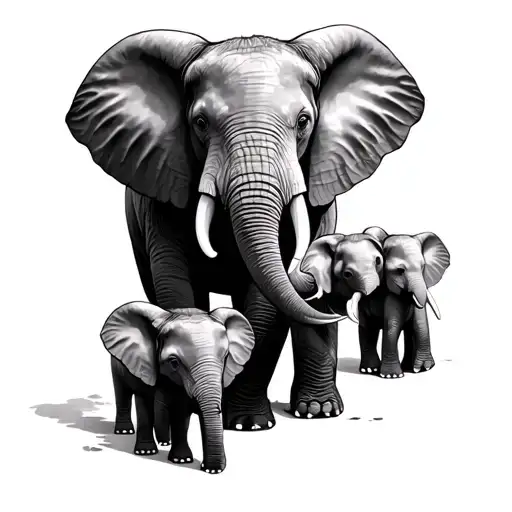
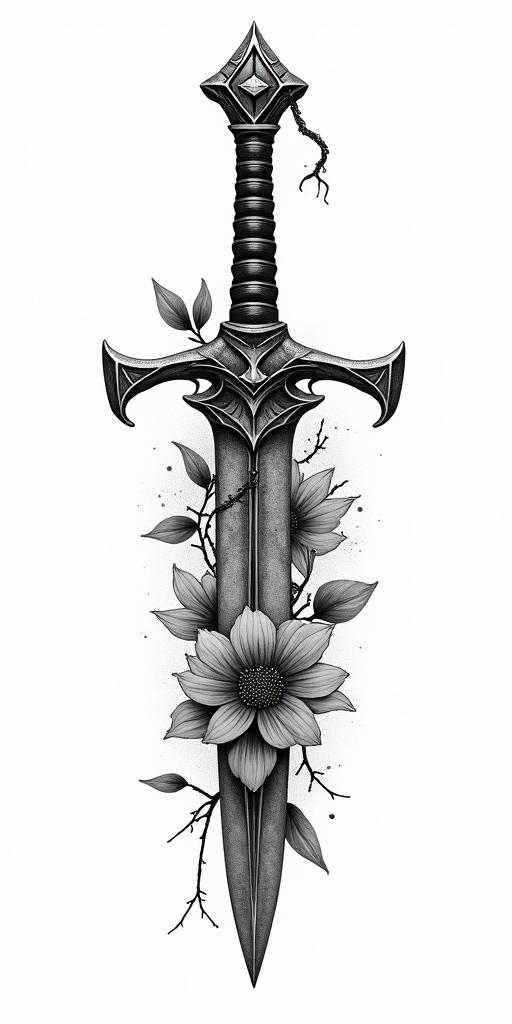
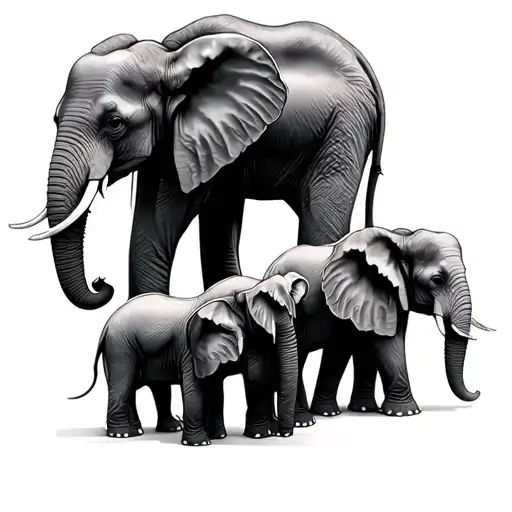
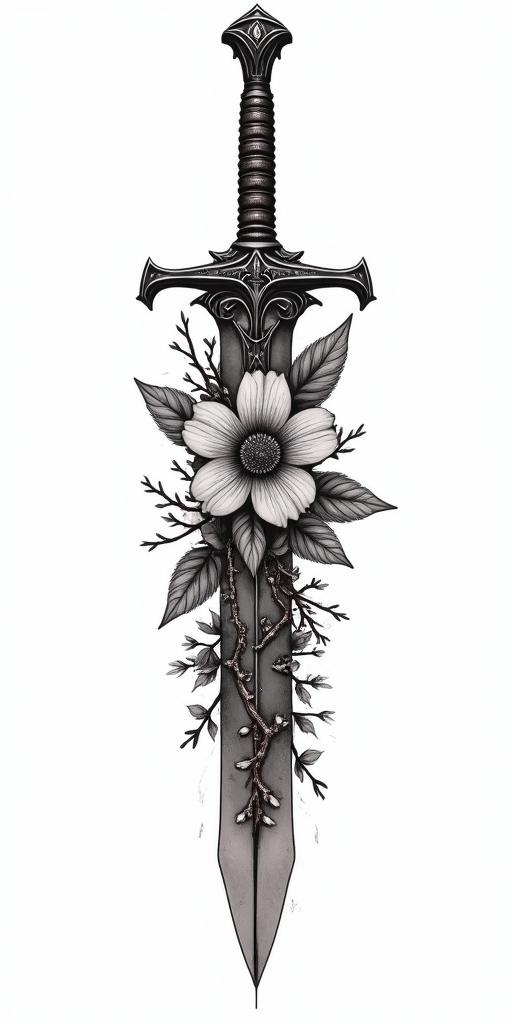
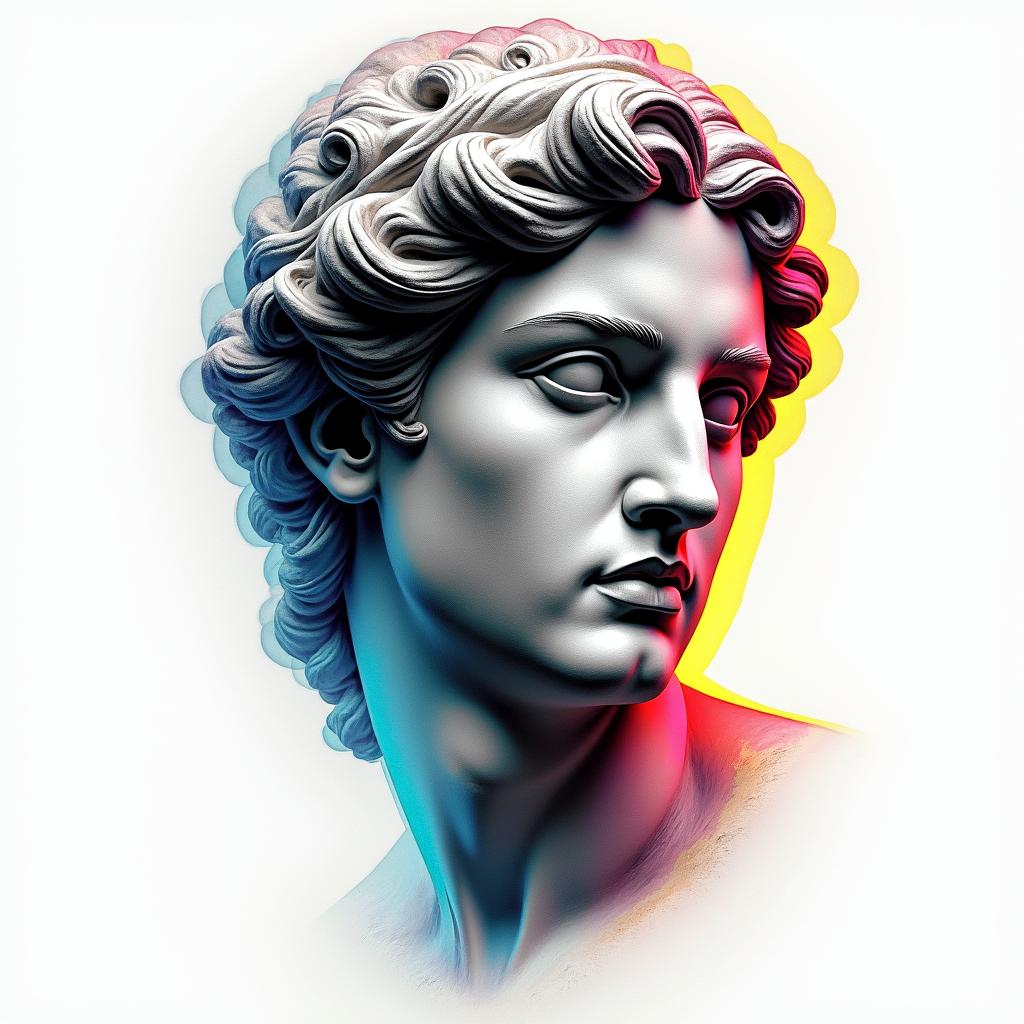
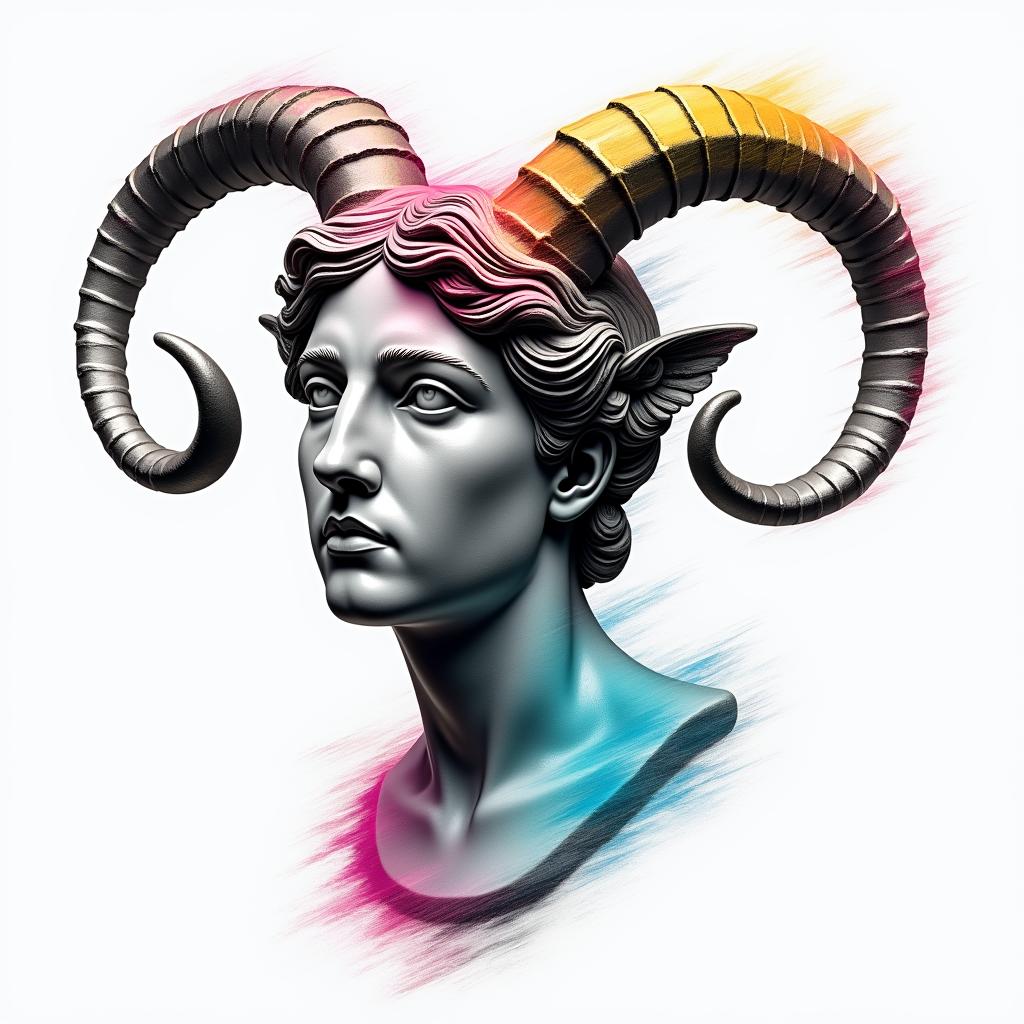
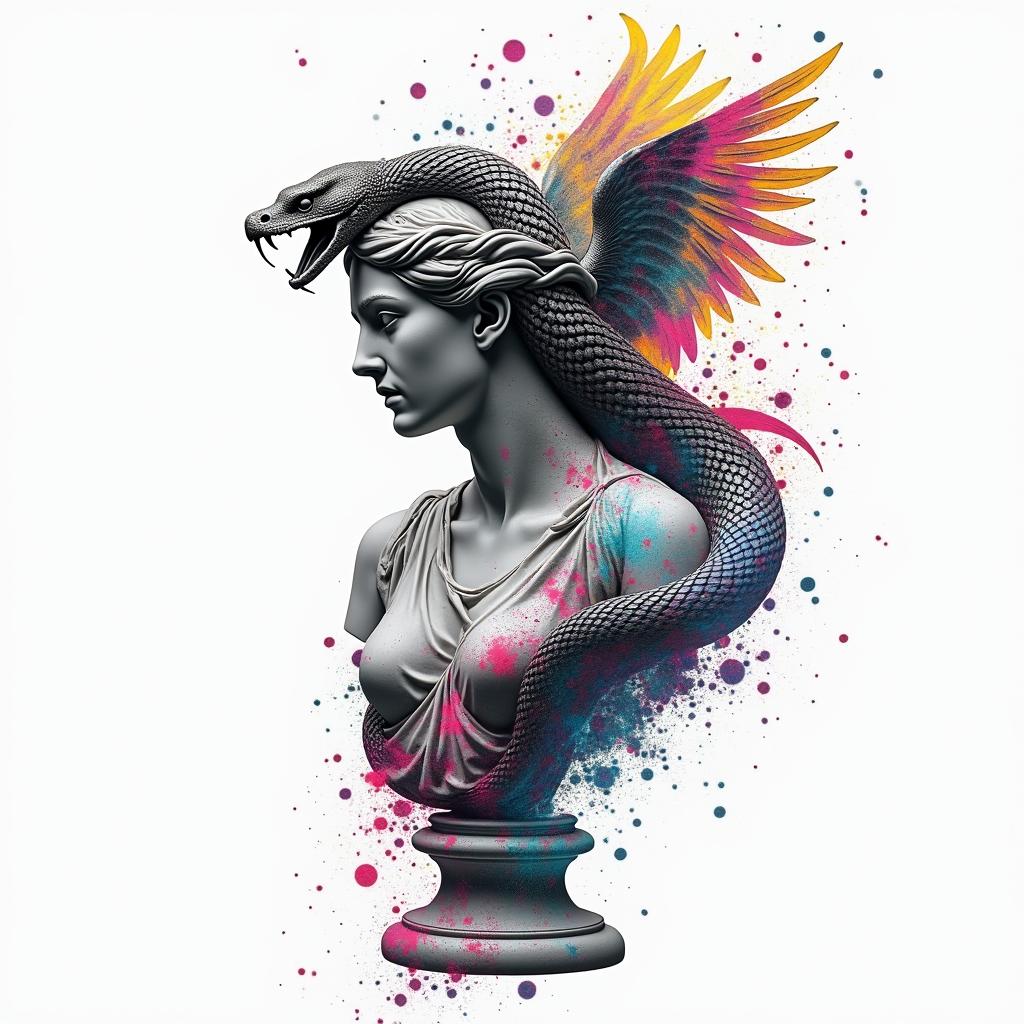
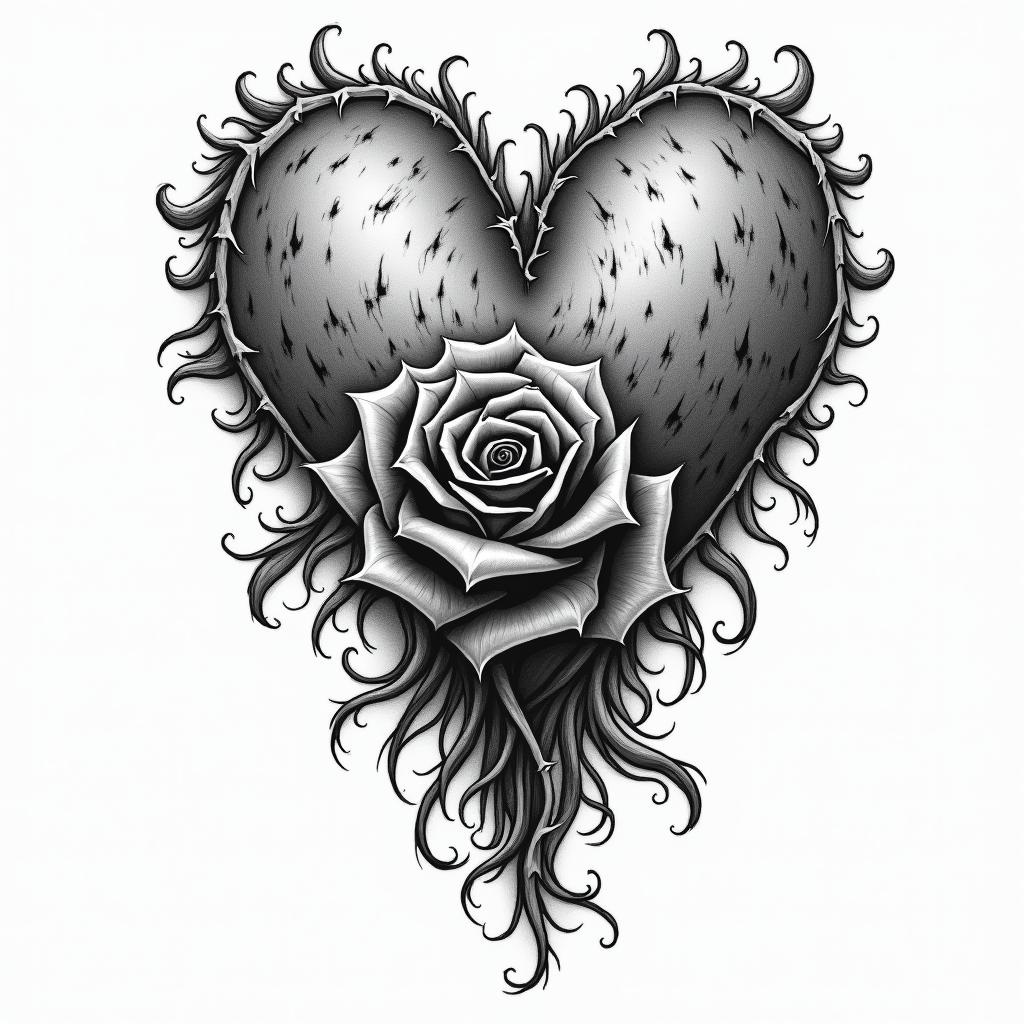
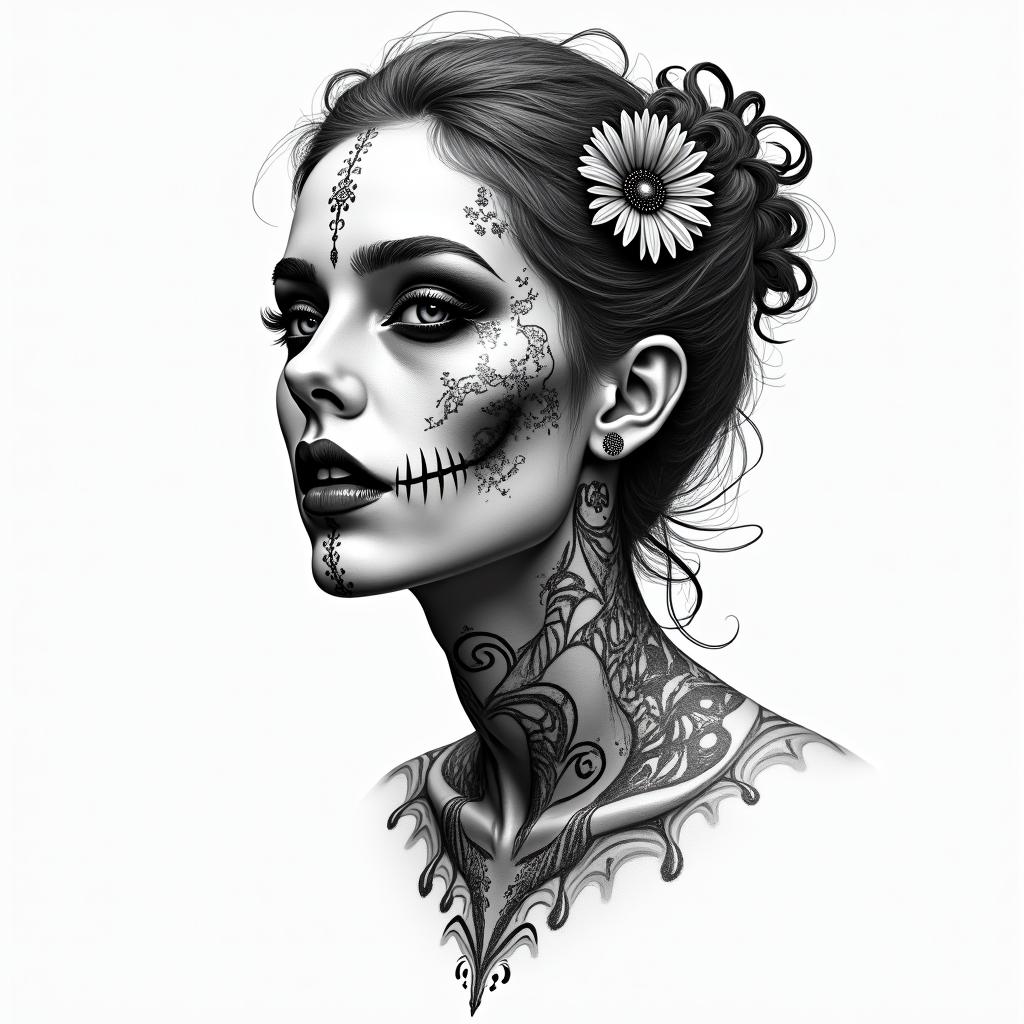
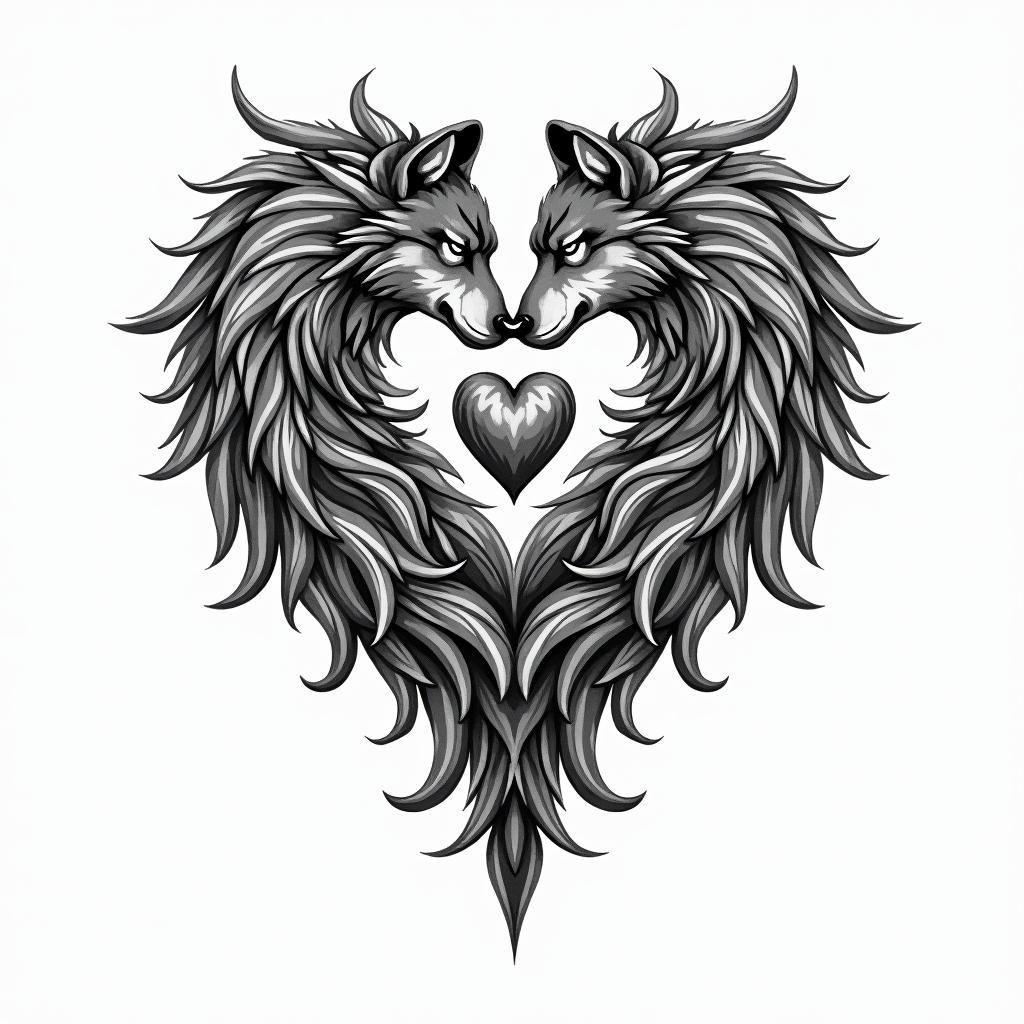
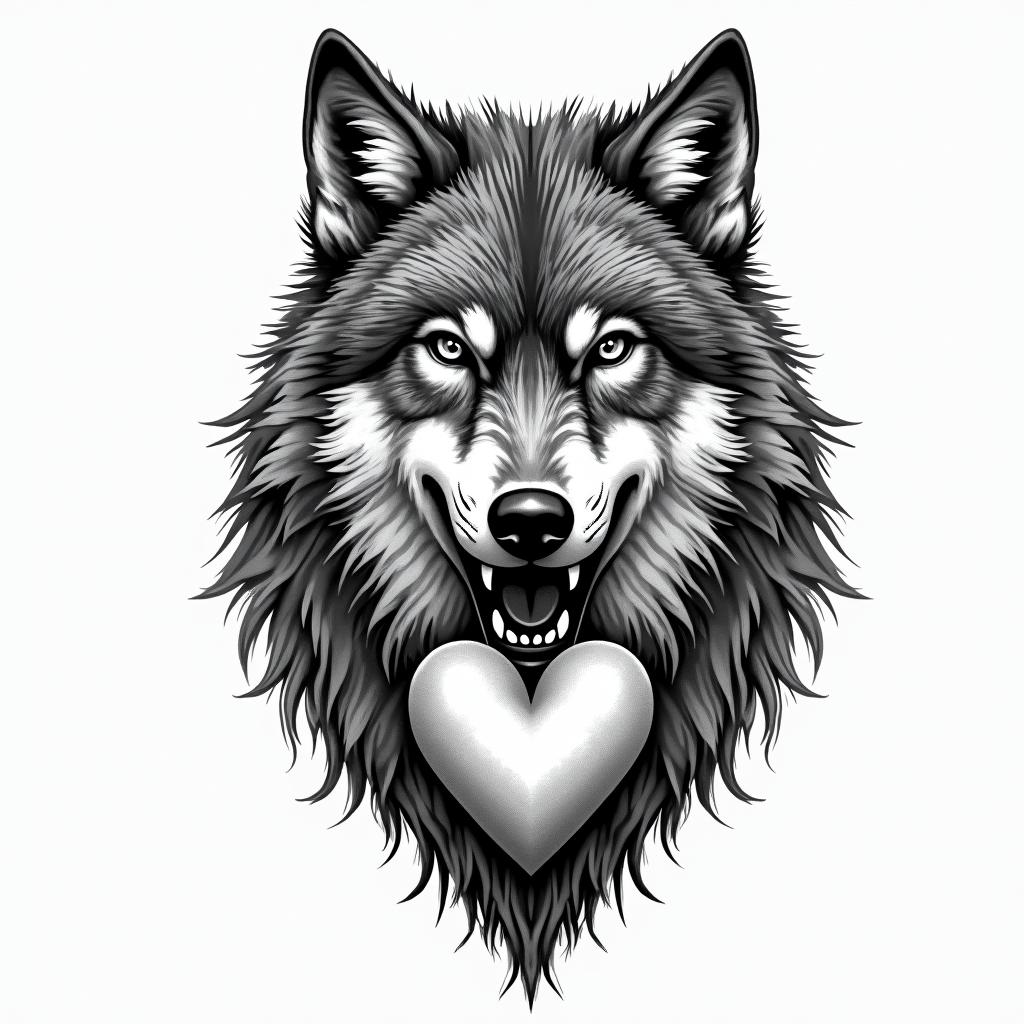
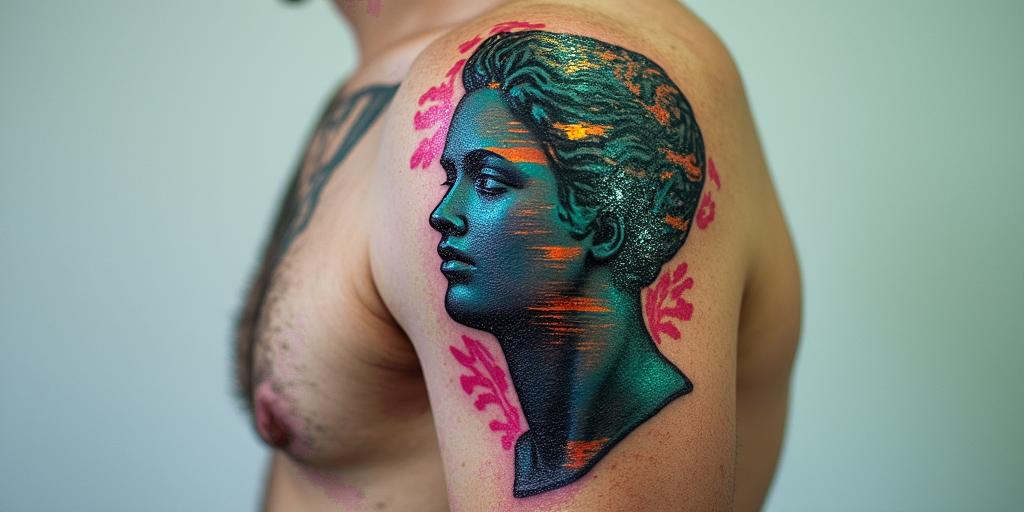
Realism tattoos replicate subjects with photographic accuracy using shading, value transitions, and precise proportion rather than outlines. The style includes black and grey realism, color realism, micro realism, hyperrealism, and cyber realism. Originating from the photorealism art movement of the 1960s and adapted for tattooing in the late 1990s, realism requires skilled artists who understand light, shadow, and texture. Popular subjects include portraits, animals, nature scenes, and roses. Realism works best on larger canvases like the back, thigh, or full sleeve where detail has room to breathe. Choosing the right artist is critical because the style has zero margin for error. Always review healed portfolios before booking.
Glitch
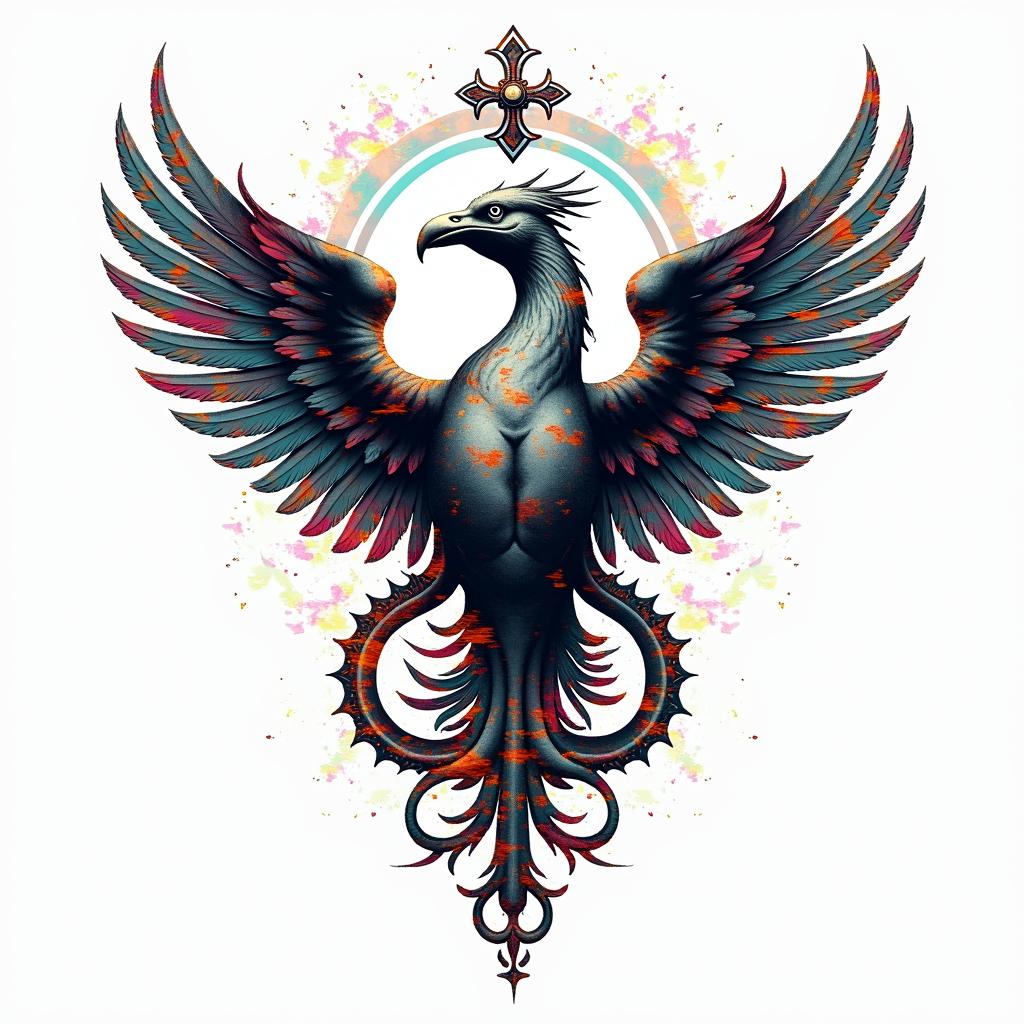
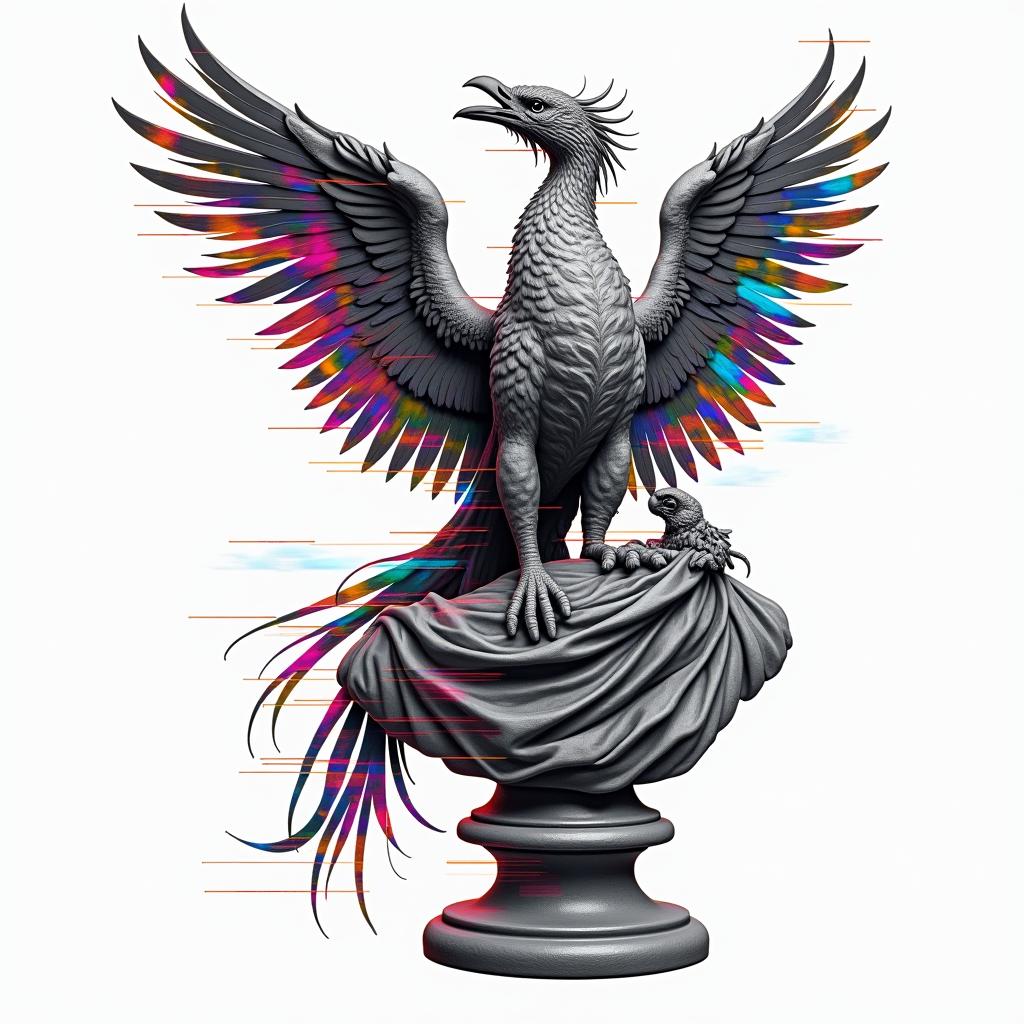
A glitch tattoo is a style that mimics digital errors like screen distortion, pixelation, and RGB channel separation. Inspired by glitch art and cyberpunk aesthetics, these tattoos feature visual effects such as scan lines, color splitting, data corruption patterns, and fragmented imagery. Glitch tattoos work best on larger placements like forearms, calves, and backs where the distortion effects have room to read clearly. The style demands artists skilled in both realism fundamentals and intentional distortion techniques.
Bohemian
Spiritual
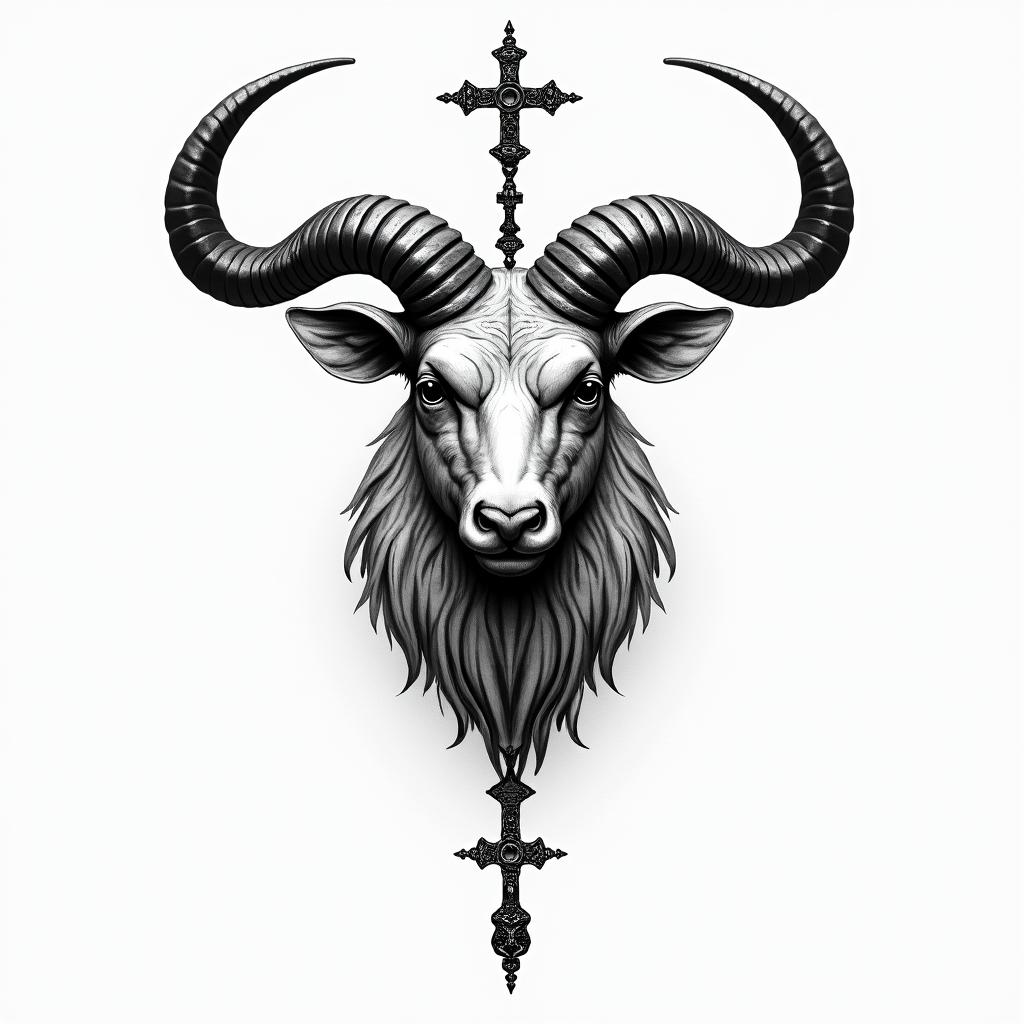
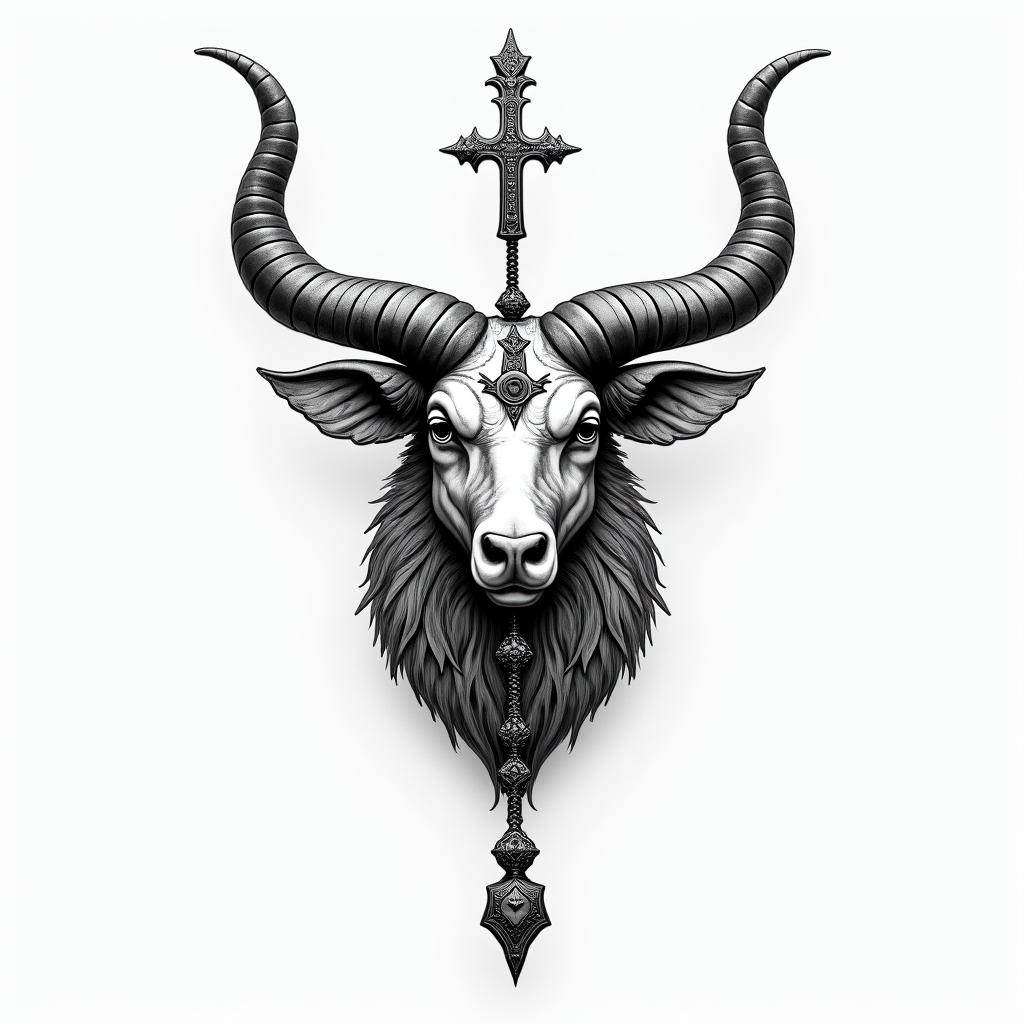
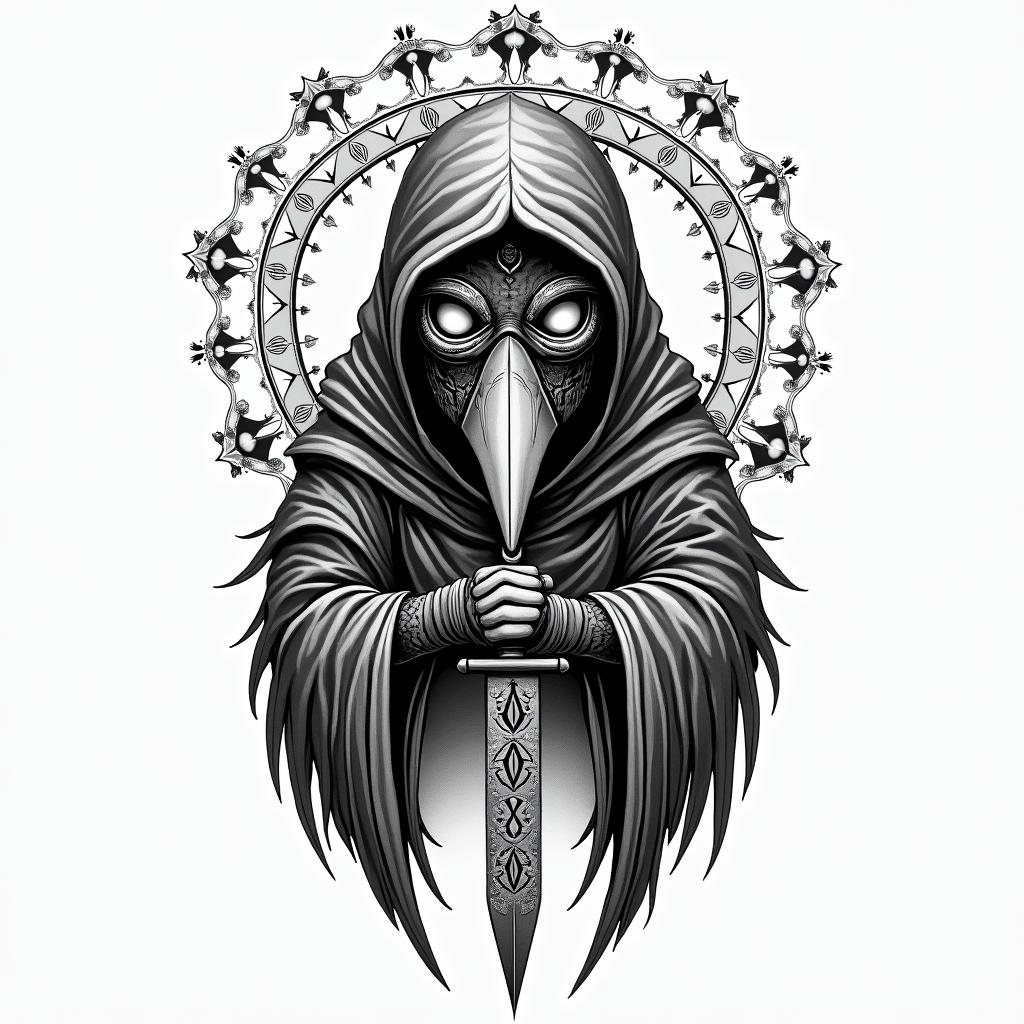
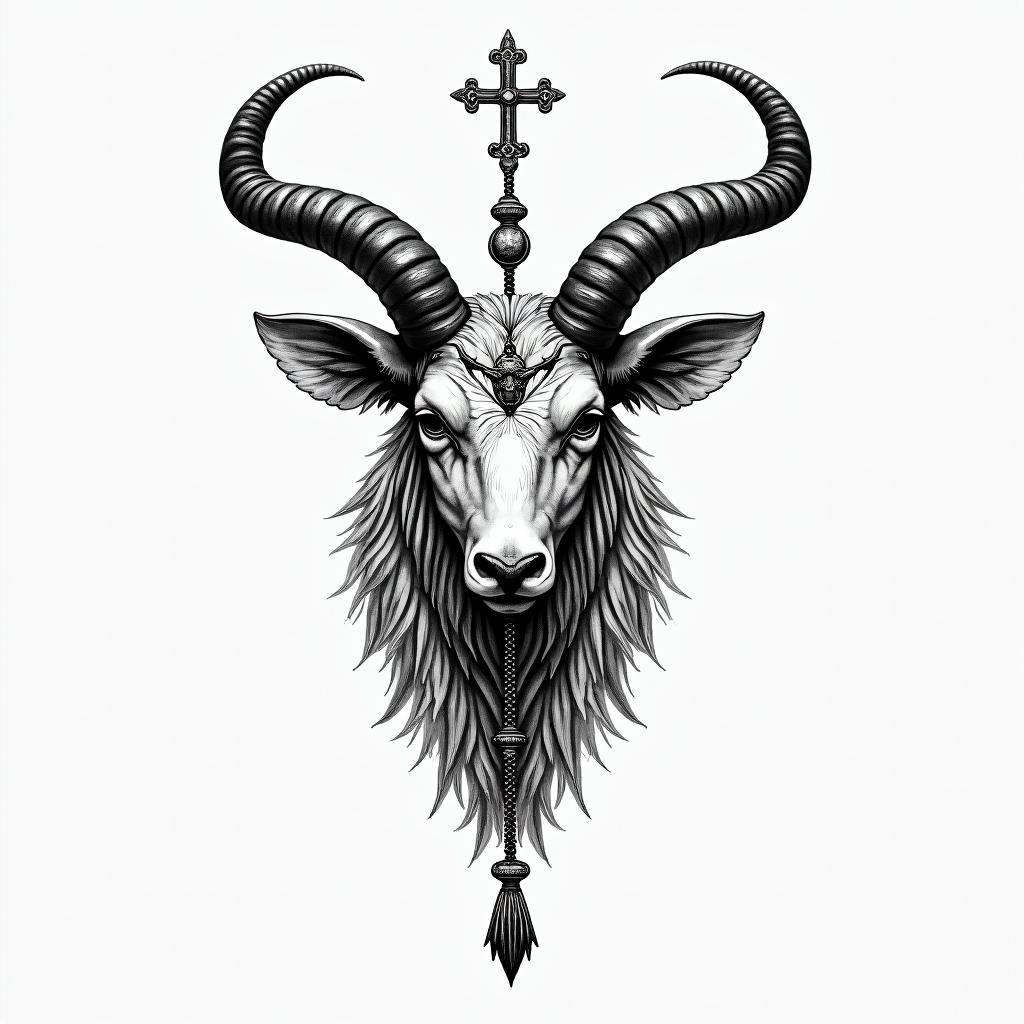
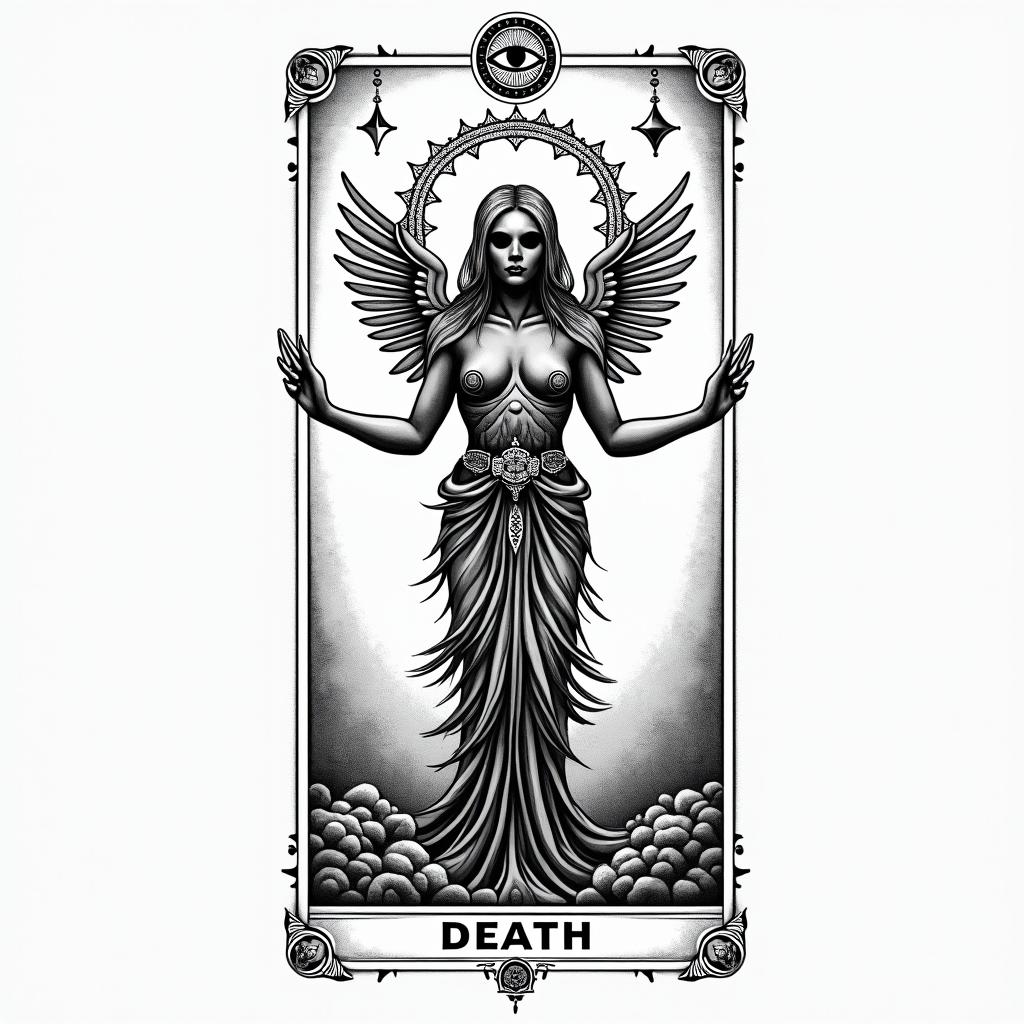
Spiritual tattoos use sacred symbols, divine imagery, and meaningful motifs to represent a person's beliefs, values, or connection to something greater than themselves. Common designs include mandalas, lotus flowers, om symbols, hamsa hands, unalome paths, and sacred geometry. These tattoos often draw from Buddhist, Hindu, Christian, and indigenous traditions. Placement tends to follow energy centers in the body, like the chest, spine, or wrists. The best spiritual tattoo artists understand both the visual technique and the cultural significance behind each symbol.
Chicano
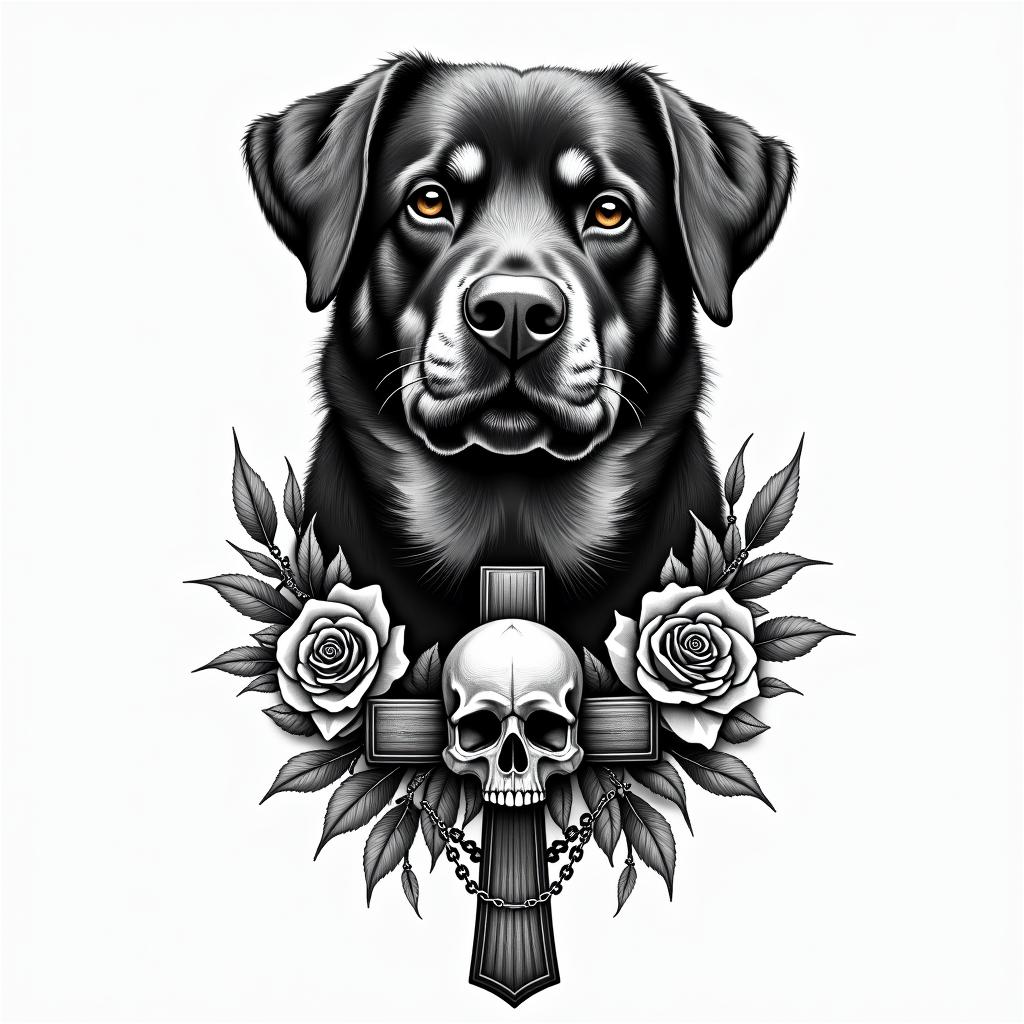
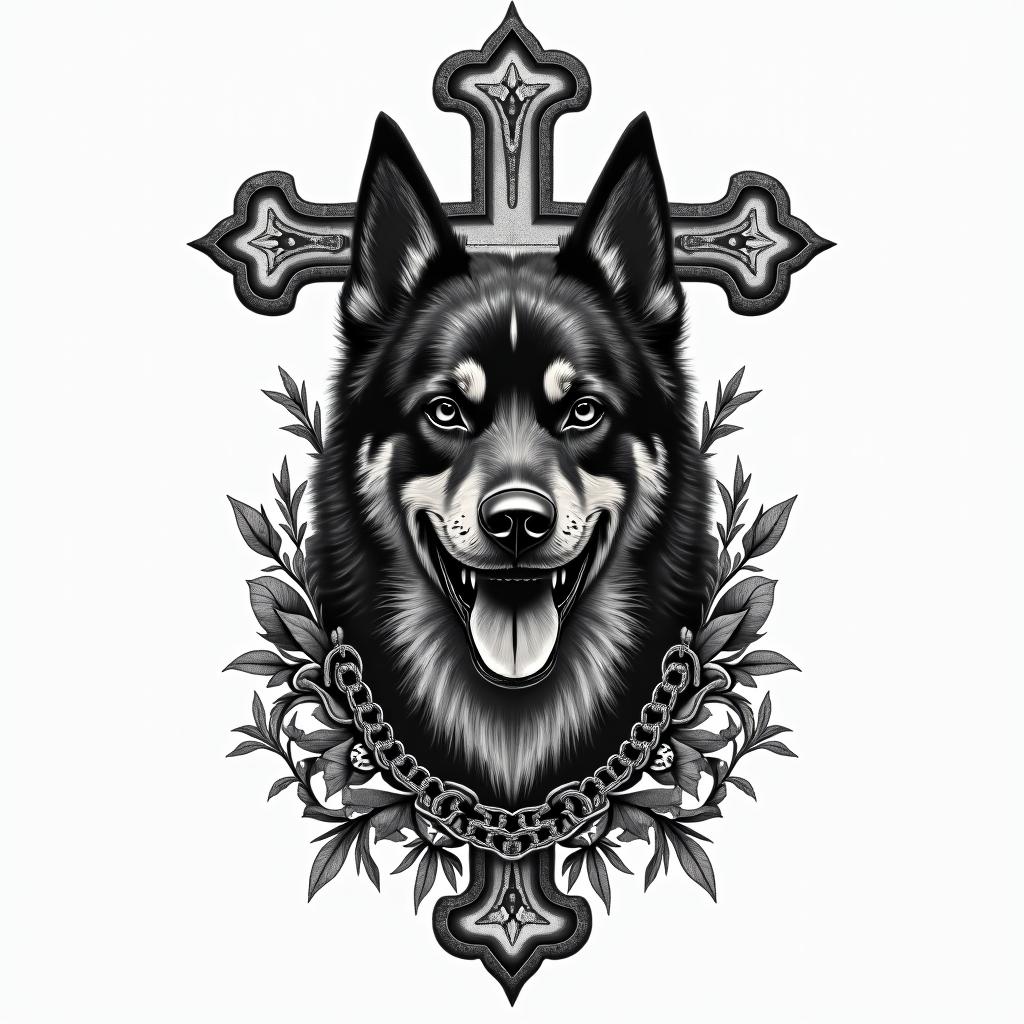
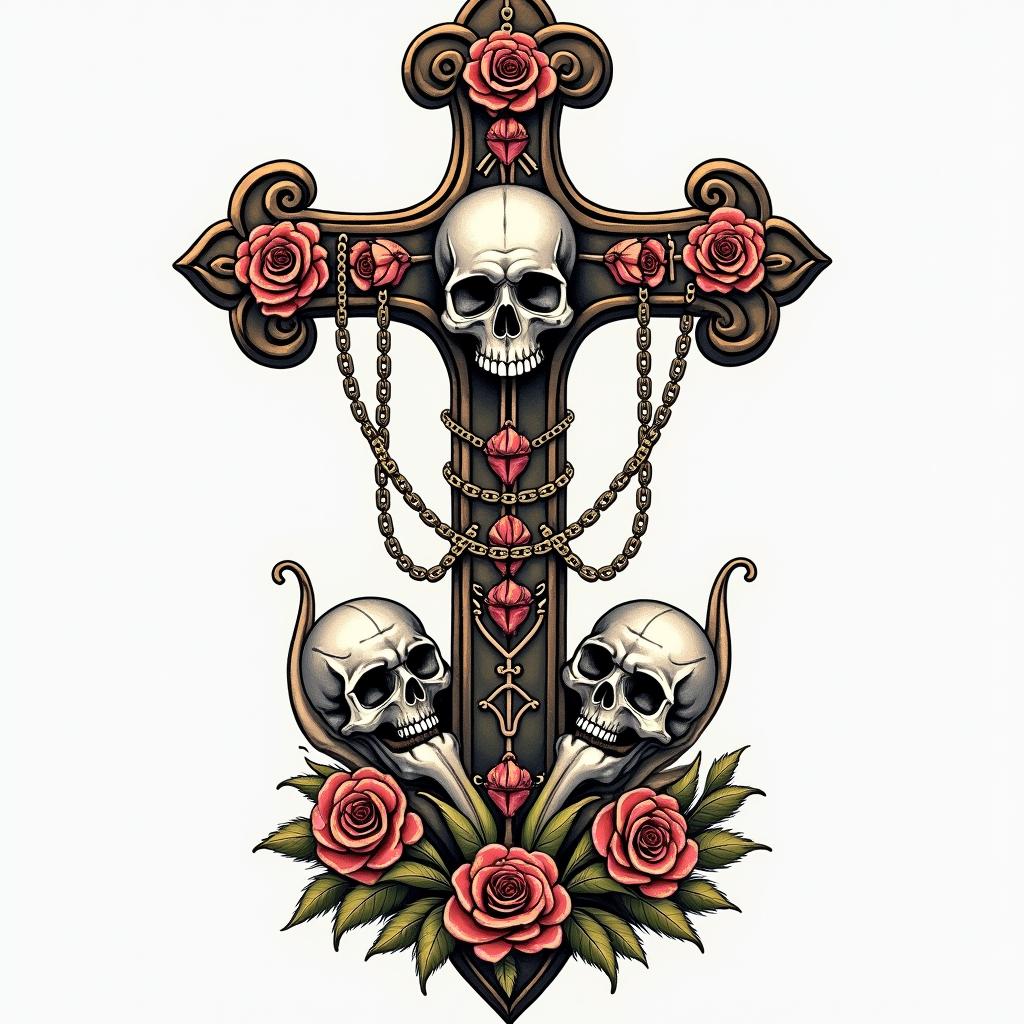
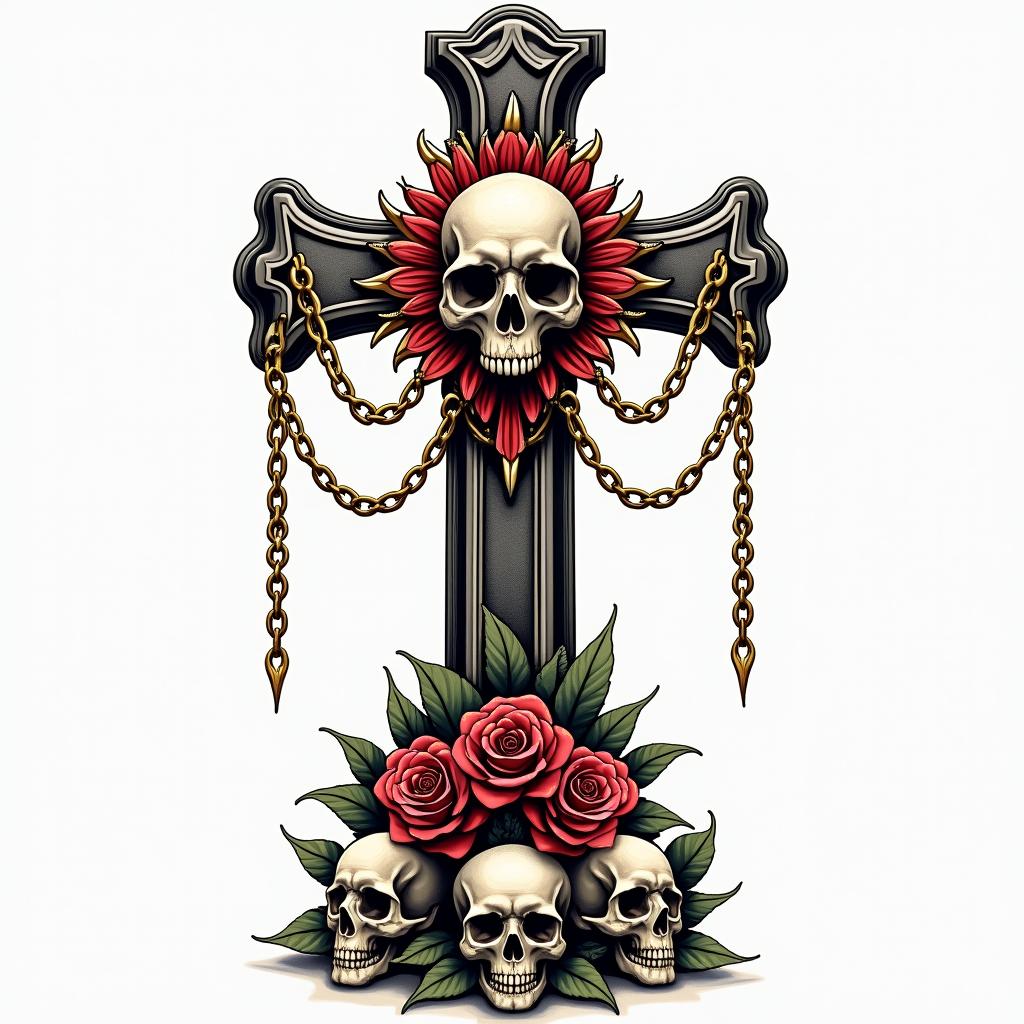
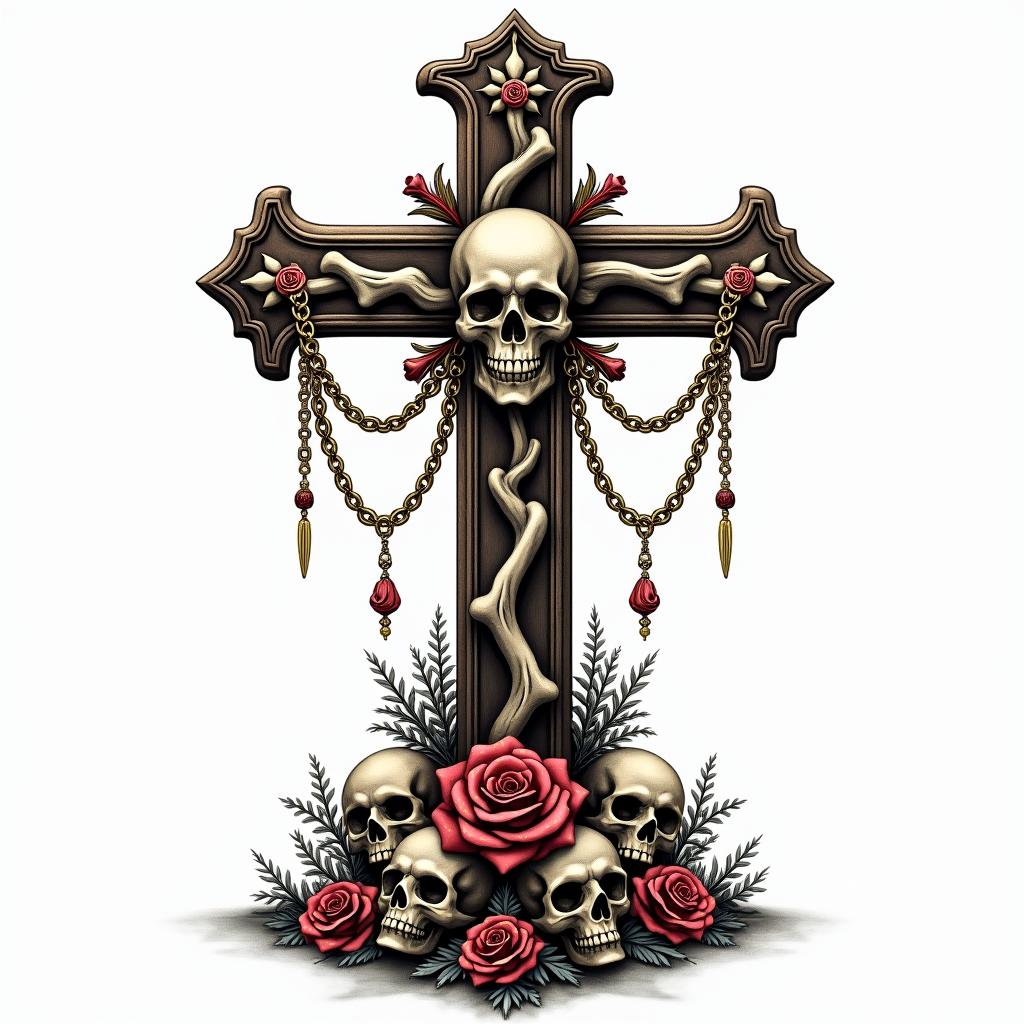
Chicano tattoos are a black and gray fine line style that originated in Mexican-American communities in the 1940s. Born in California prisons and barrios, the style features smooth grayscale shading, intricate script lettering, and motifs like portraits, roses, the Virgin of Guadalupe, clowns, and lowriders. Key techniques include whip shading, stipple shading, and single-needle fine line work. Chicano tattooing carries deep cultural significance tied to identity, resistance, and community pride. Notable artists include Mister Cartoon and Chuey Quintanar, who brought prison-born techniques into professional studios.

Geometric
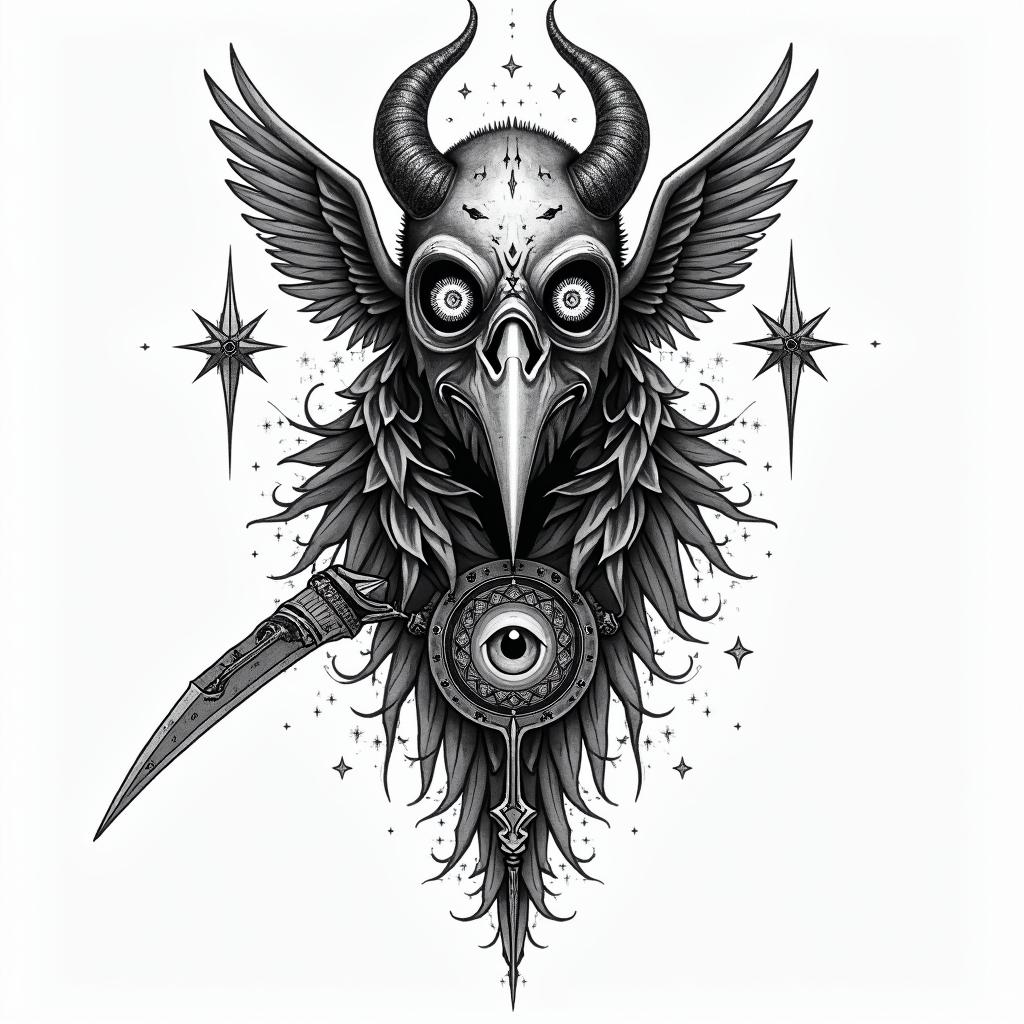
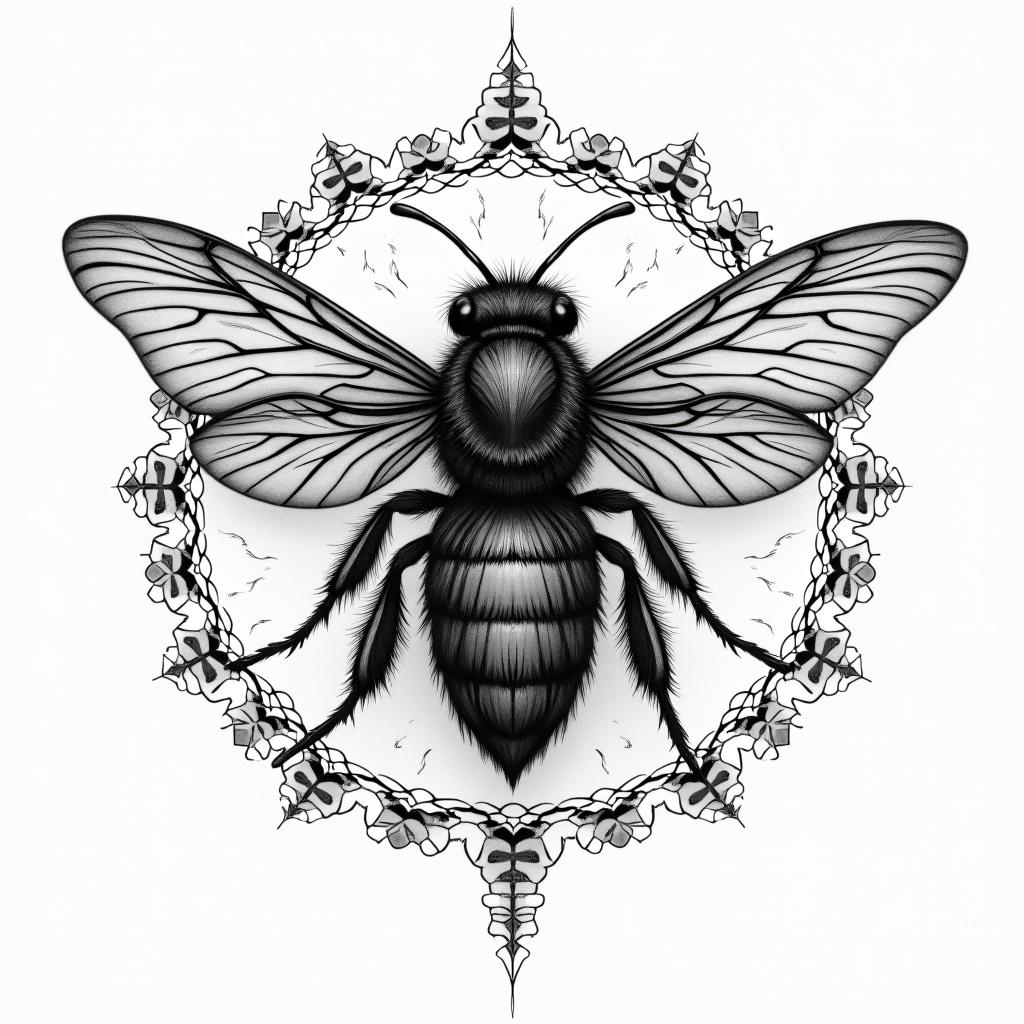
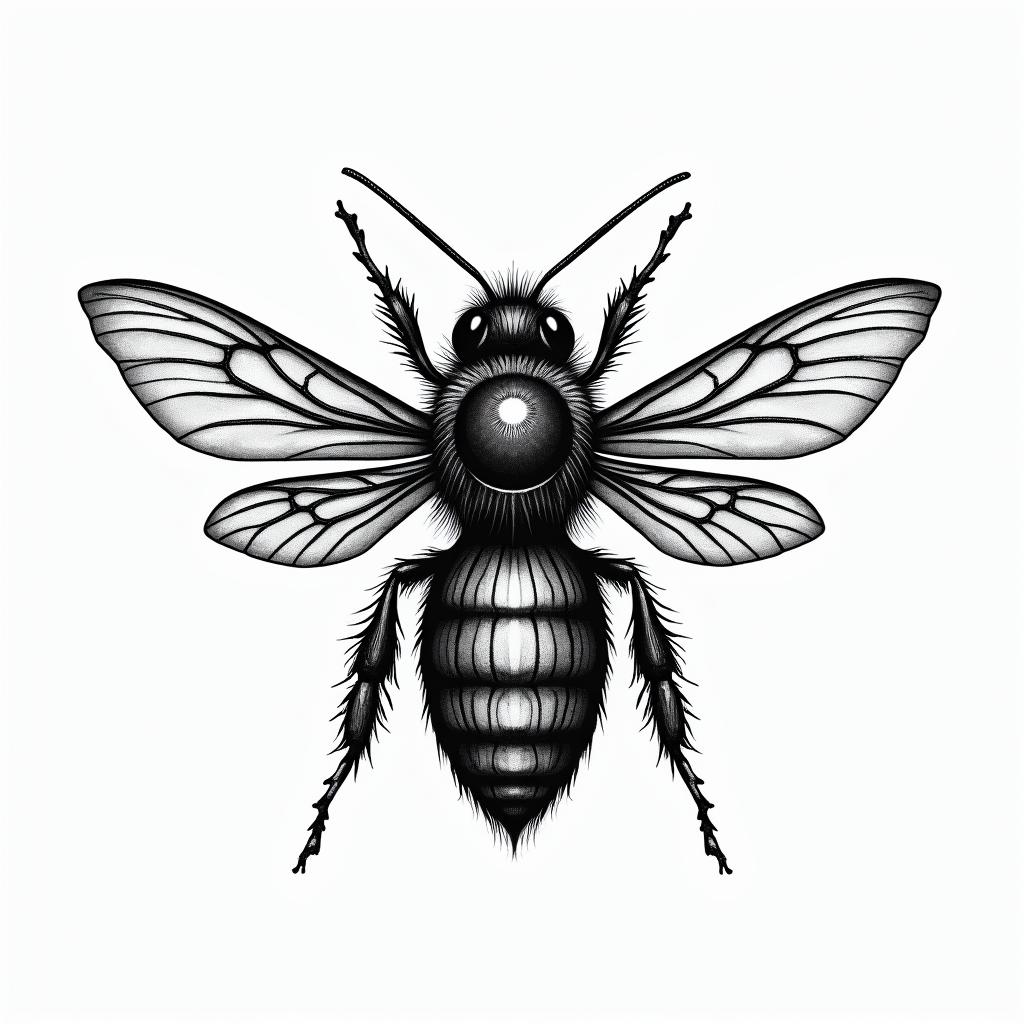
A geometric tattoo features precise lines, shapes, and patterns rooted in mathematical symmetry and sacred geometry. Common motifs include mandalas, the Flower of Life, platonic solids, and animals rendered in angular forms. Geometric tattoos work well on forearms, chests, and backs where symmetry can align with the body. The style draws from ancient traditions like Islamic tilework and Māori patterning, but the modern geometric tattoo movement emerged in the 2010s alongside minimalism and fine line techniques. Choosing an artist with proven linework precision is critical, as even slight asymmetry becomes obvious at this level of detail.
Creepy
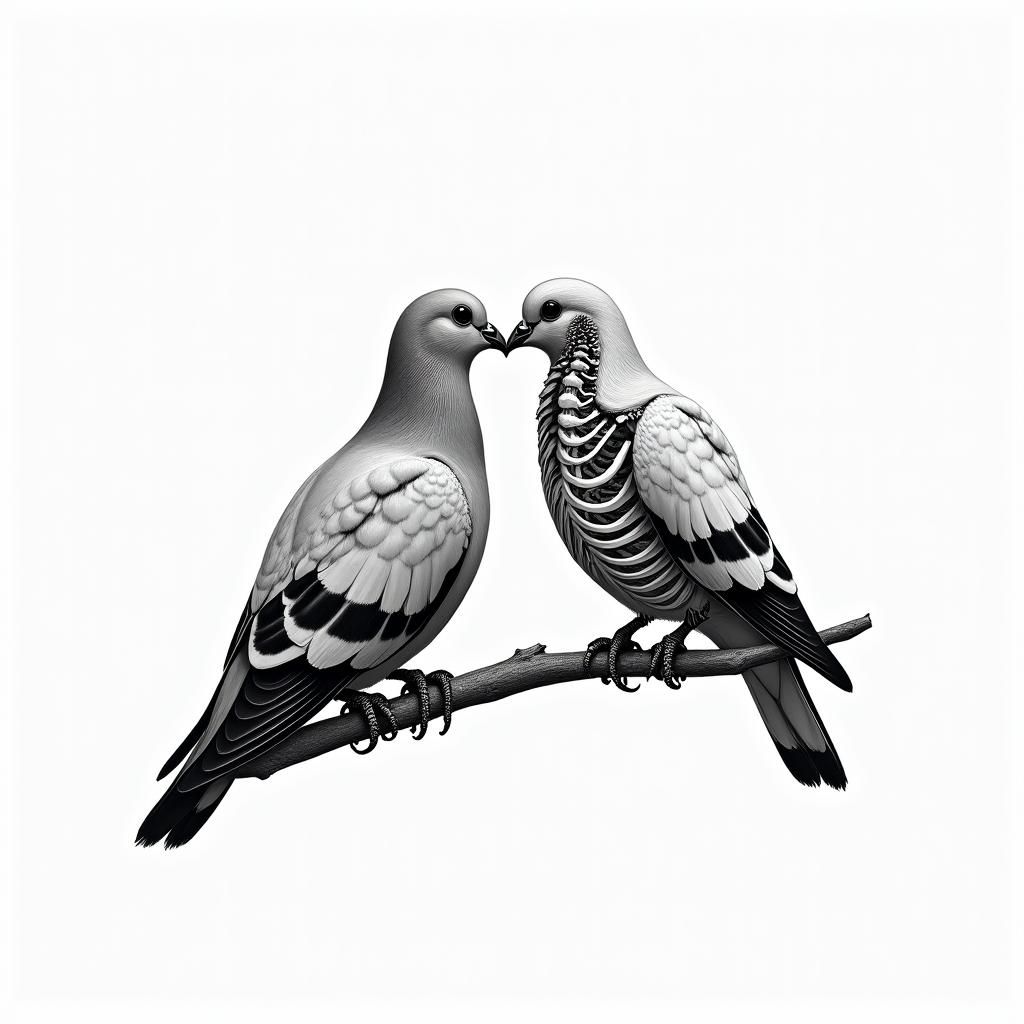
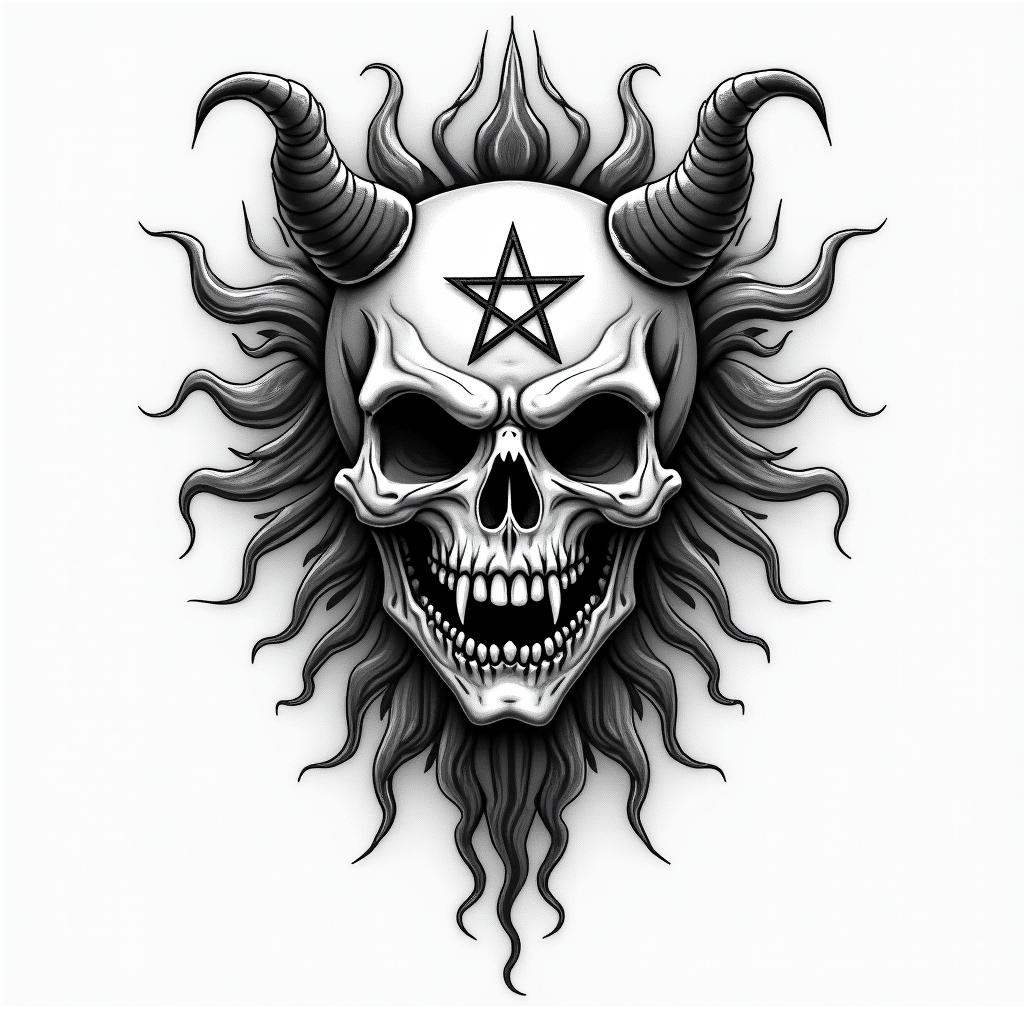
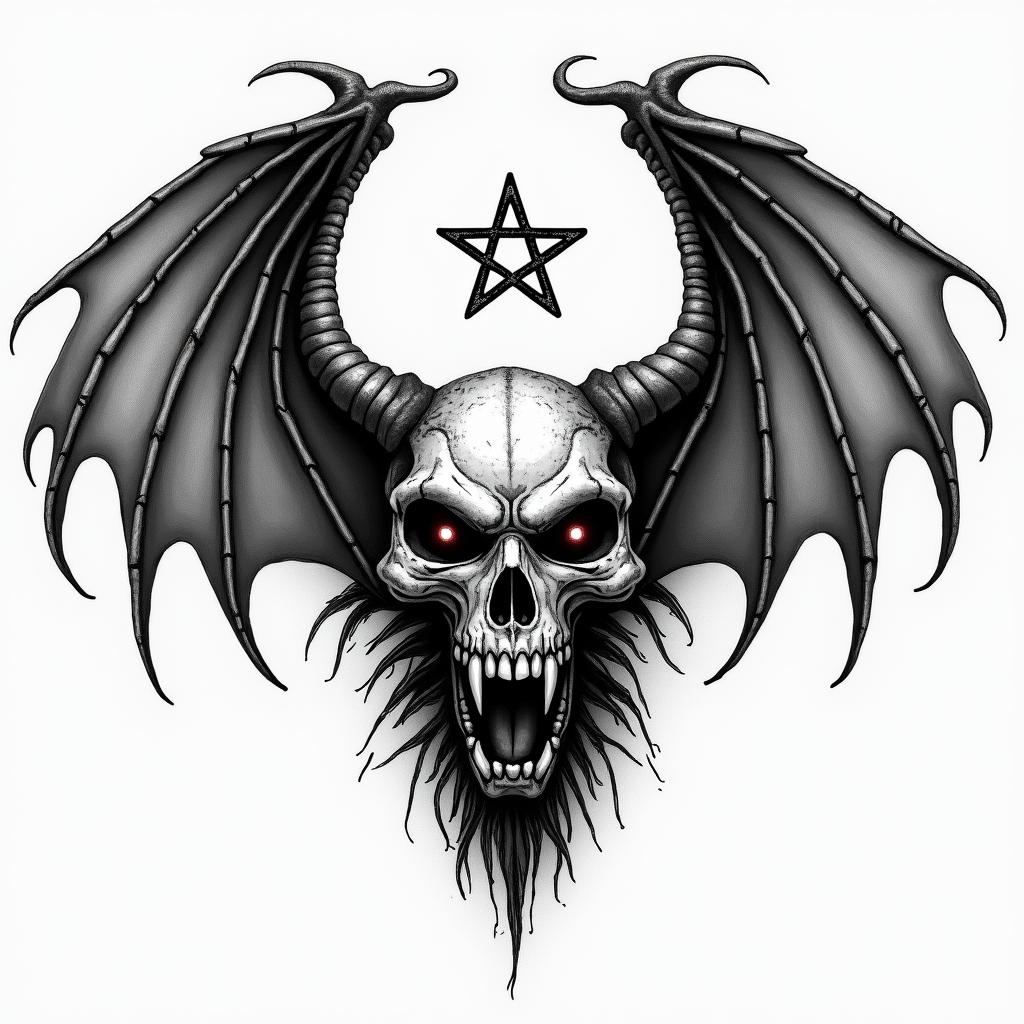
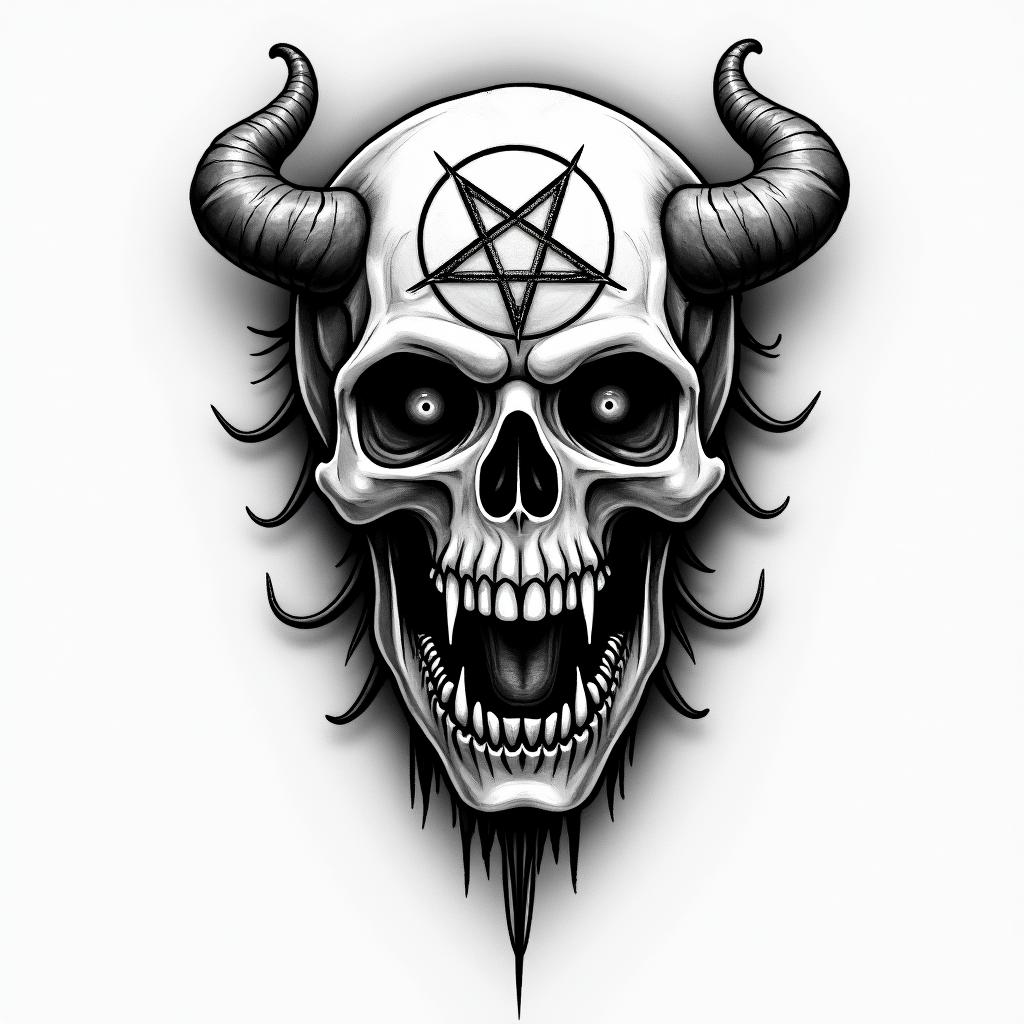
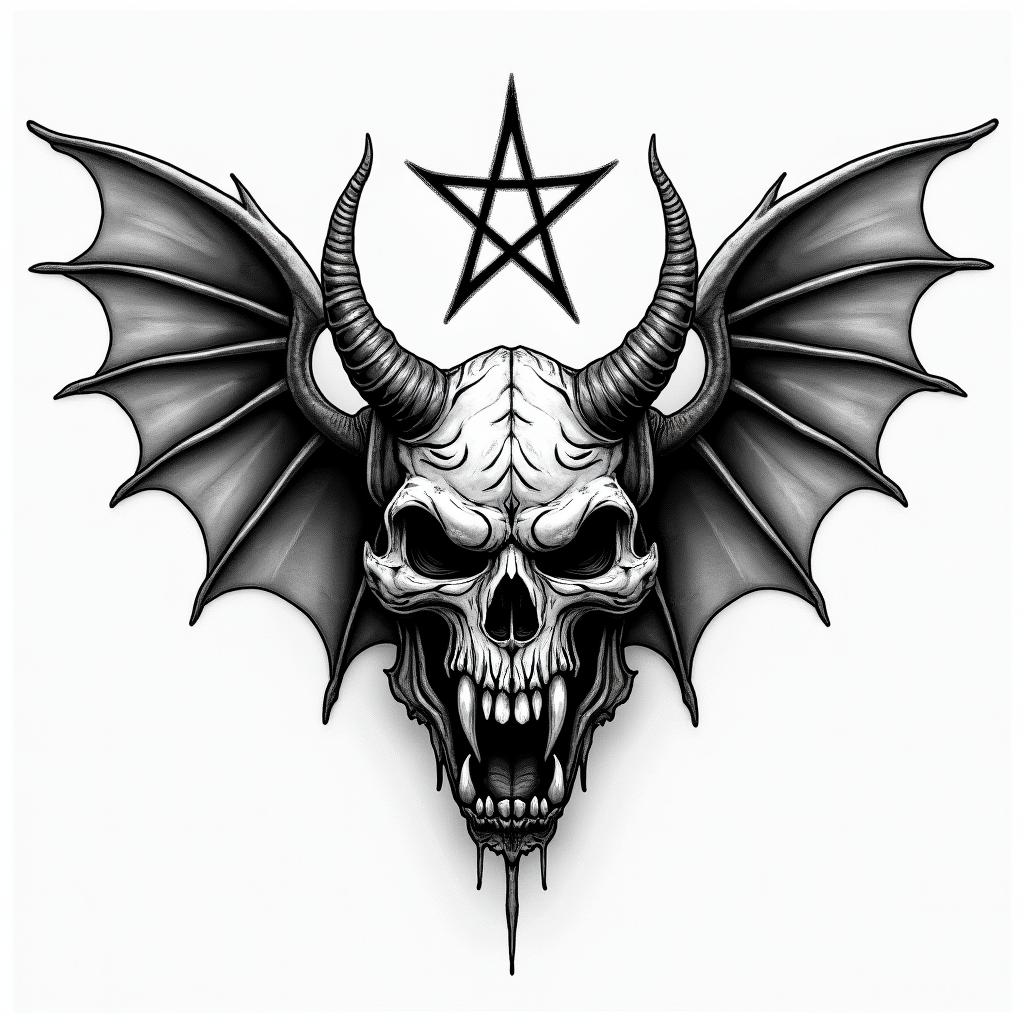
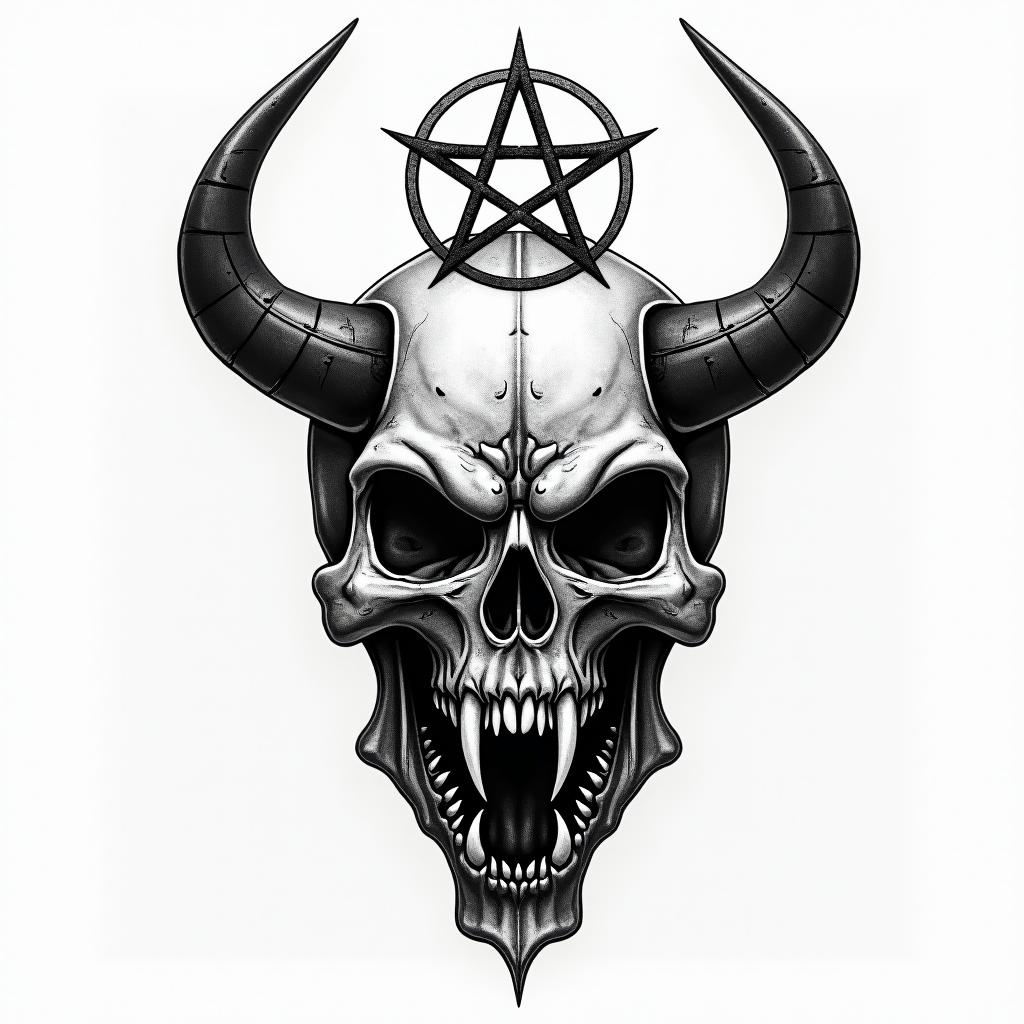
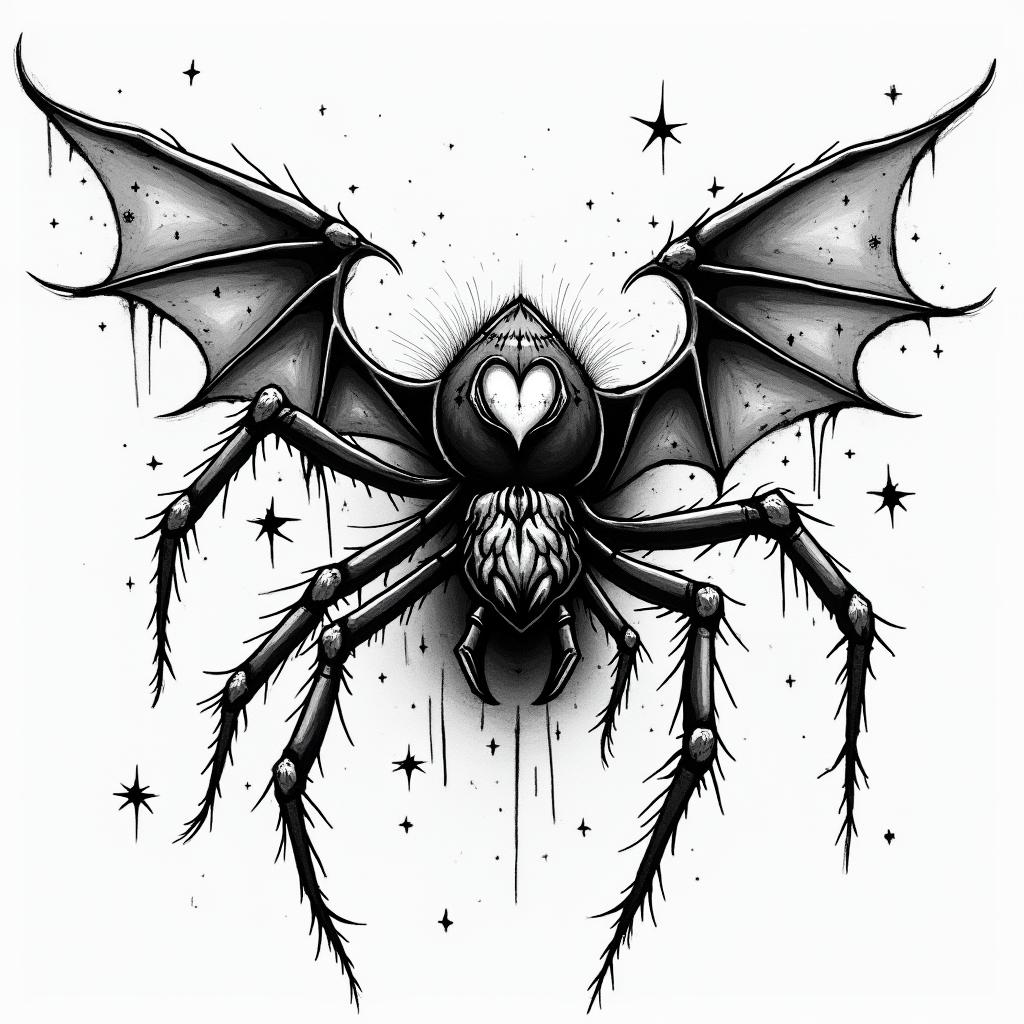
Creepy tattoos feature unsettling, macabre imagery designed to evoke discomfort or unease. Common motifs include distorted faces, crawling insects, disembodied eyes, eerie dolls, and skeletal figures. The style draws from horror aesthetics, gothic art, and dark surrealism. Unlike horror tattoos that reference specific movies or characters, creepy tattoos focus on an atmospheric sense of dread. Popular placements include forearms, backs, and ribs, where artists have space to build tension through detail. Black and grey ink dominates this style, though blood red accents appear frequently. Finding the right artist matters because creepy tattoos require strong contrast, shading depth, and compositional tension to work effectively.
Egypt
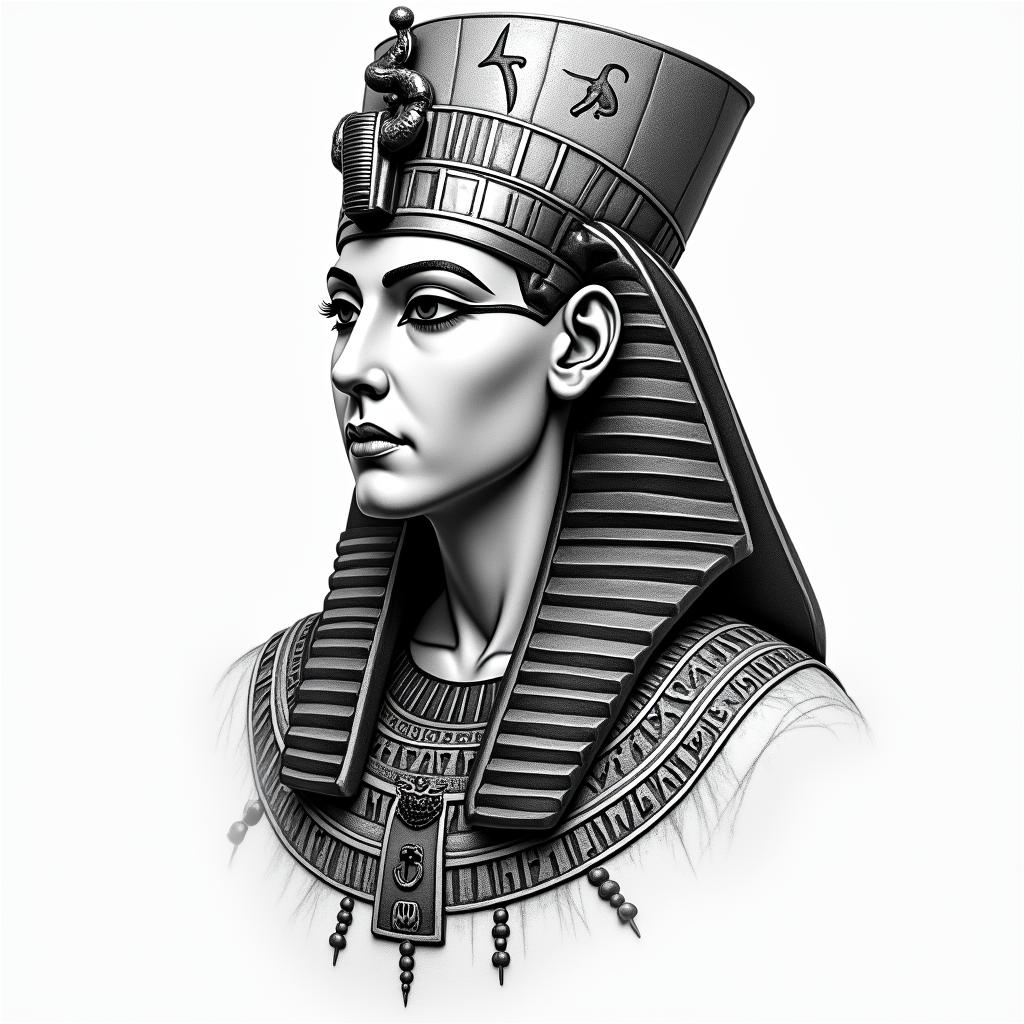
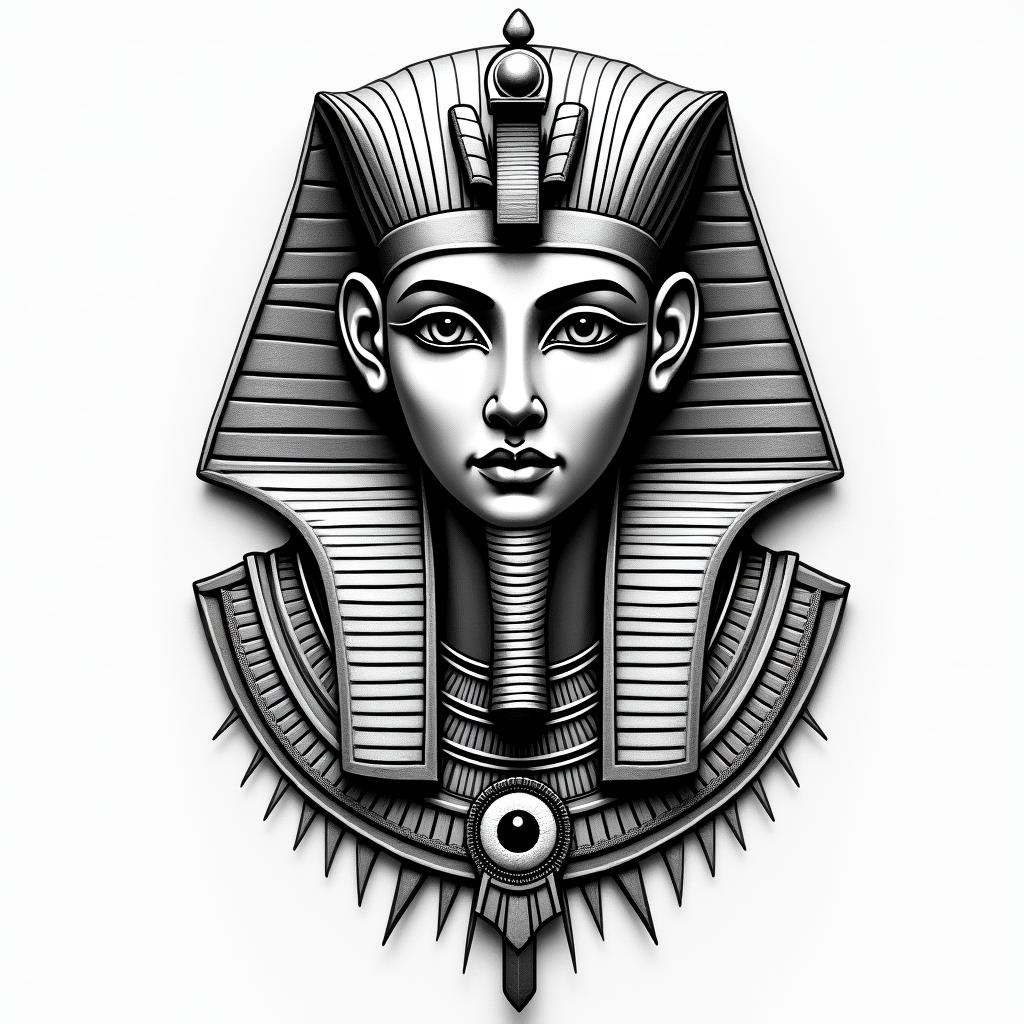
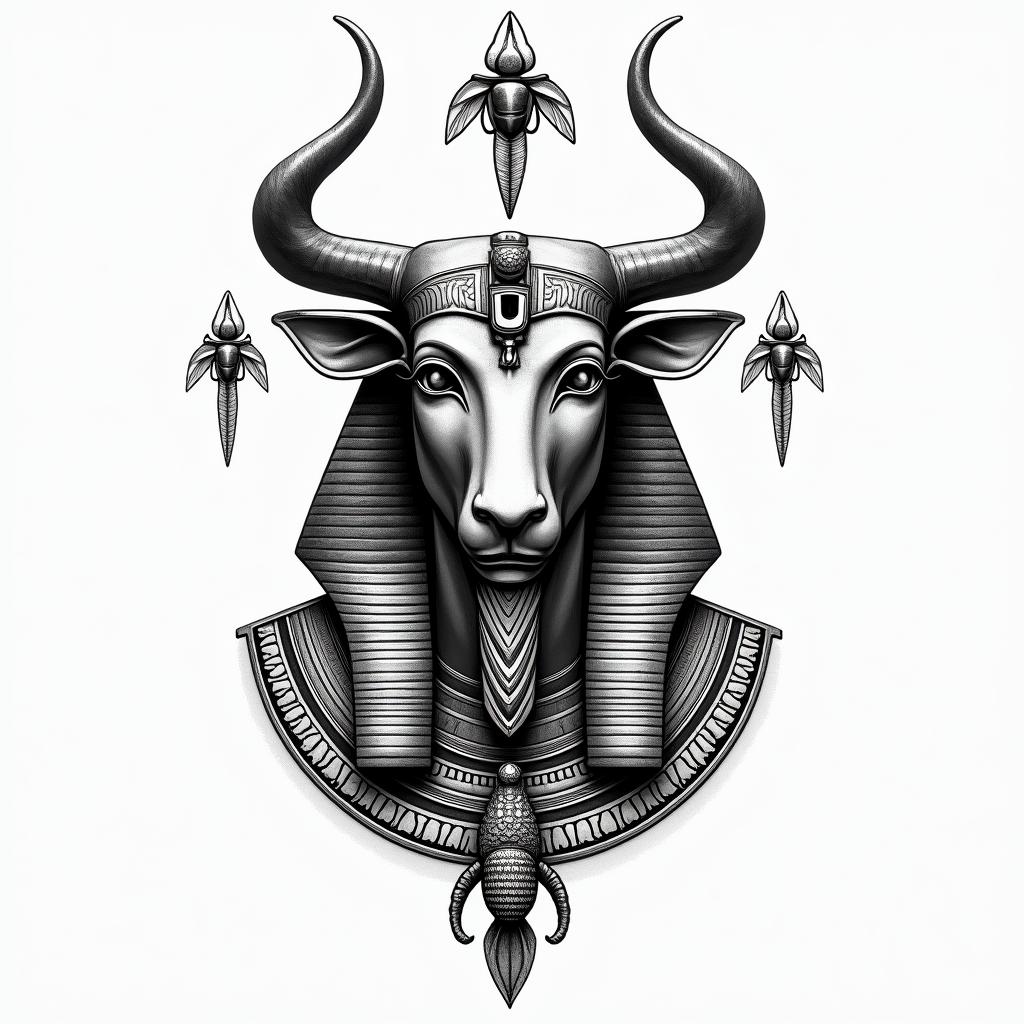
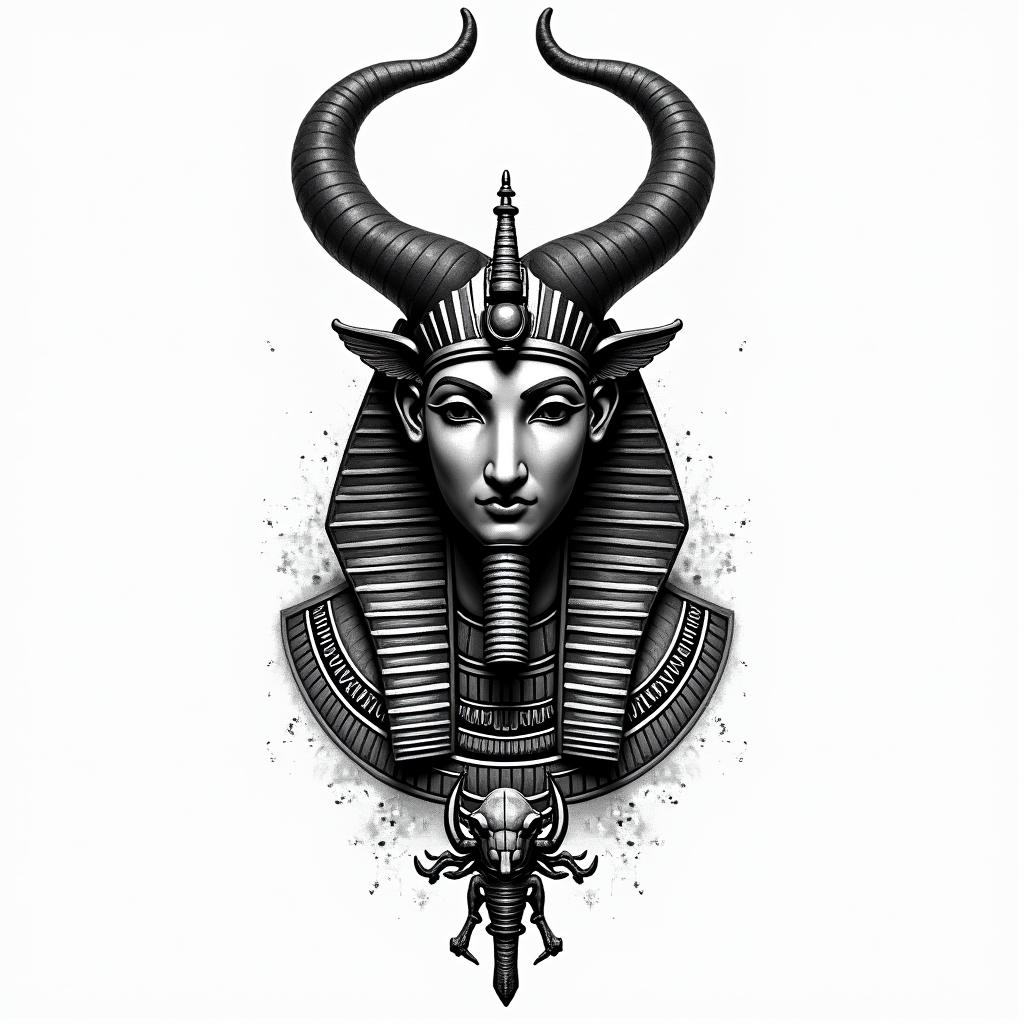
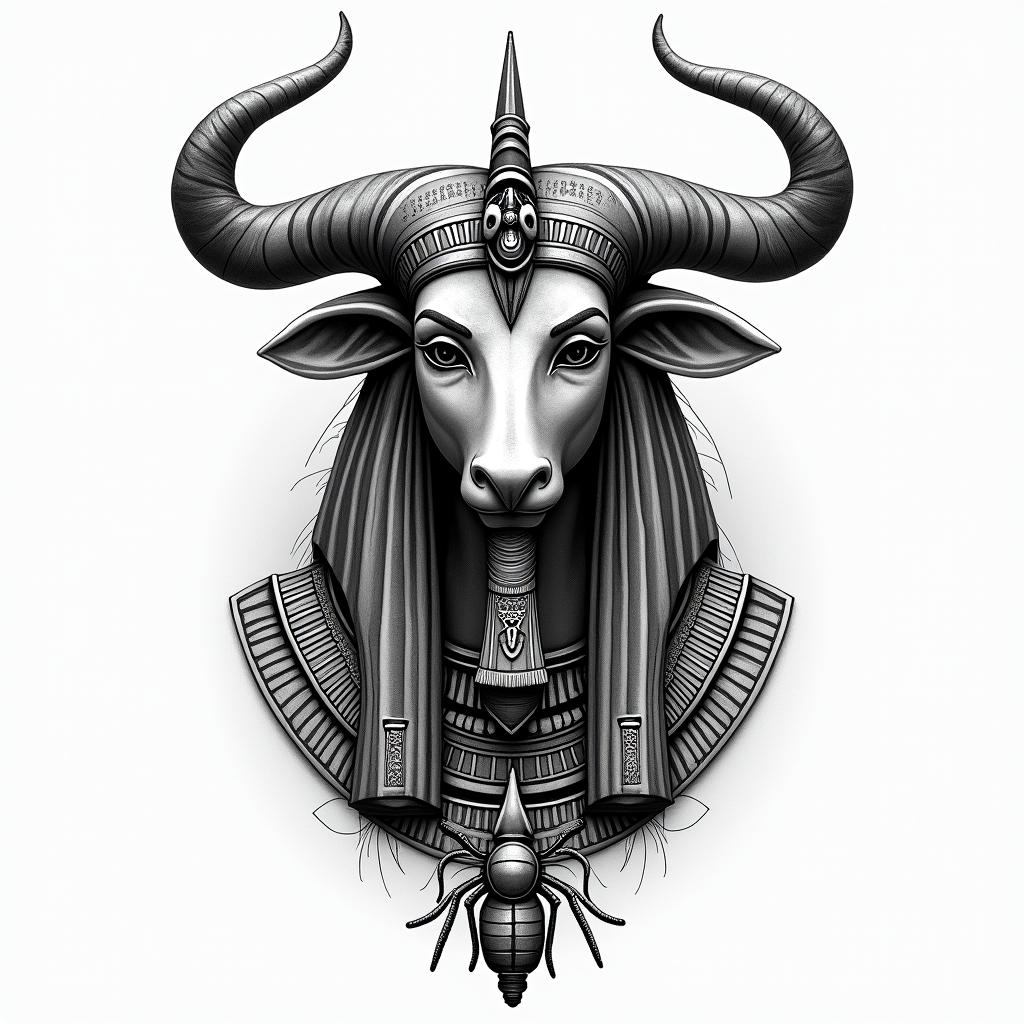
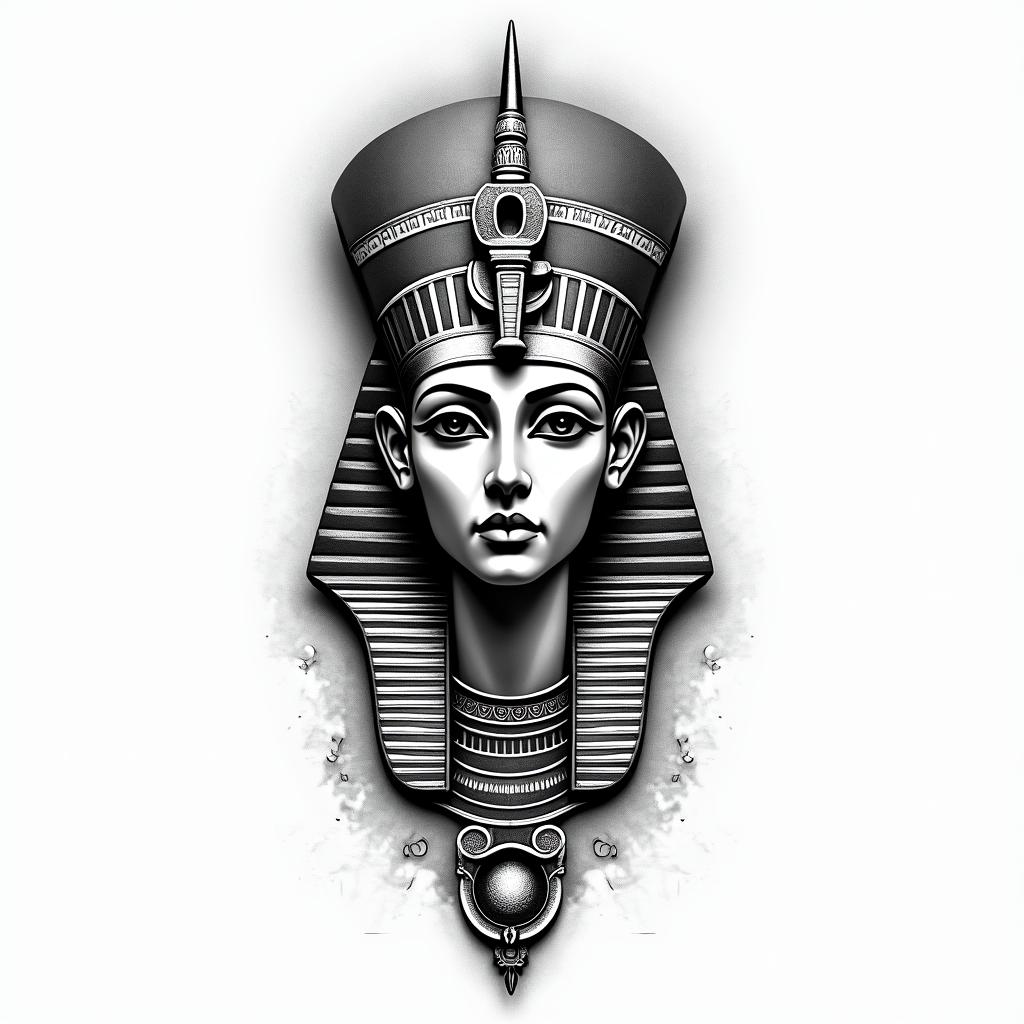
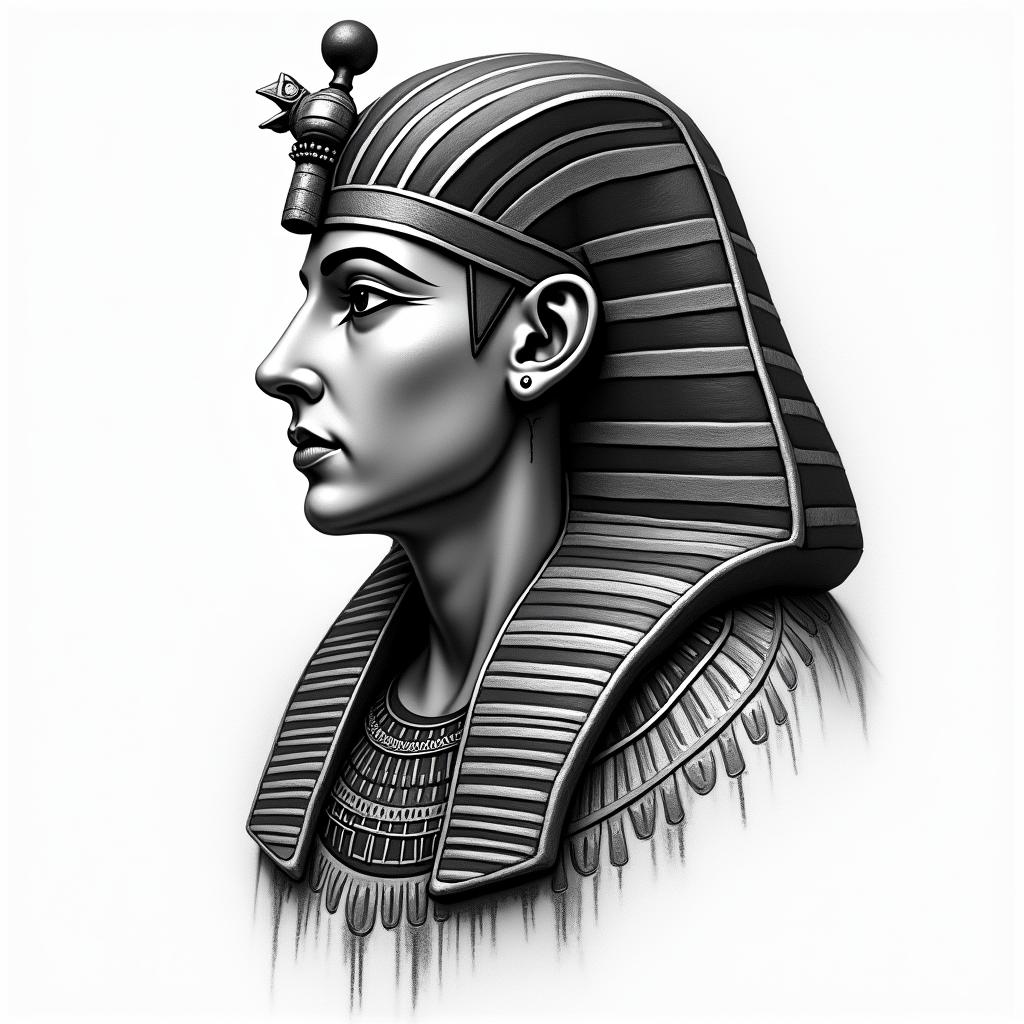
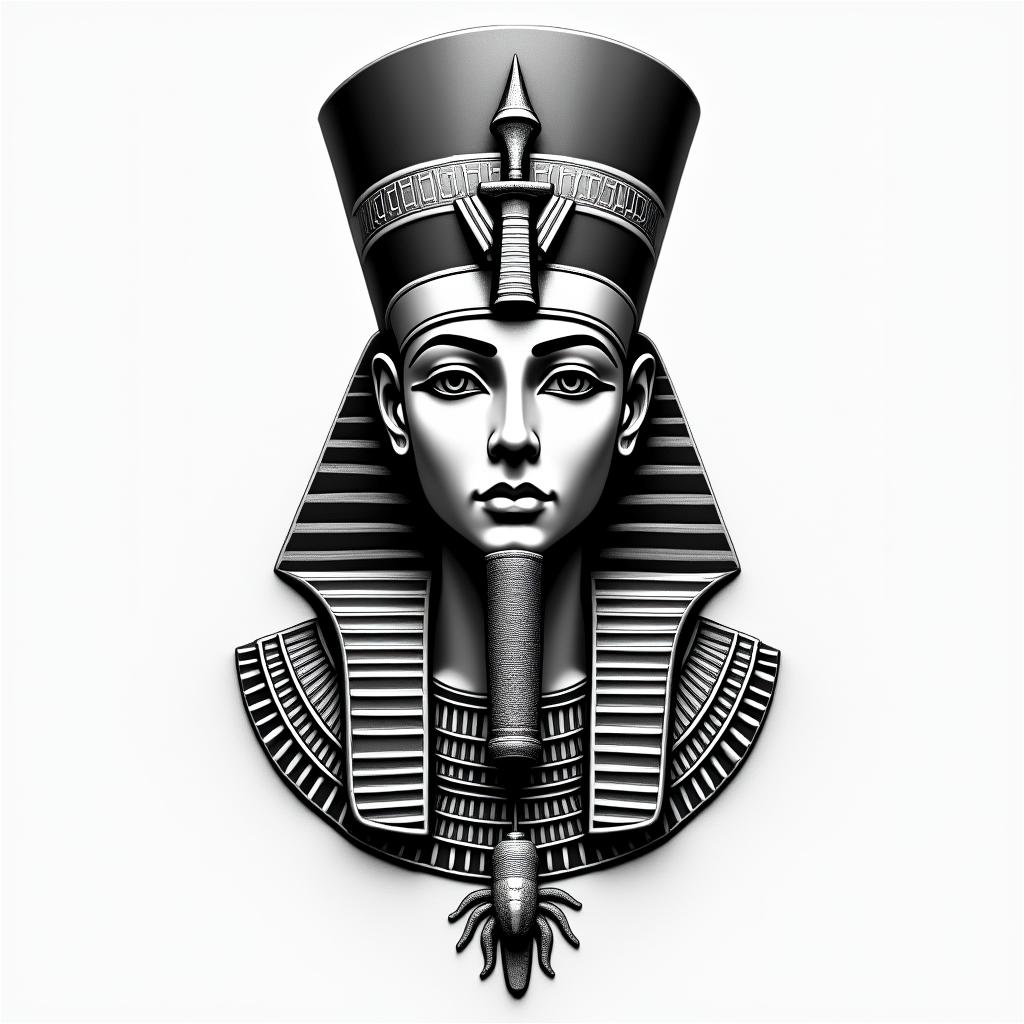
An Egyptian tattoo features imagery and symbols drawn from ancient Egyptian art and mythology, including ankhs, Eye of Horus, scarab beetles, pharaohs, hieroglyphics, and gods like Anubis and Bastet. These tattoos draw from over 5,000 years of visual tradition, ranging from bold geometric hieroglyphic bands to realistic portraits of deities. Egyptian tattoos appeal to people drawn to the symbolism of life, death, protection, and transformation that these ancient icons represent. The style works across many sizes, from small ankh wrist tattoos to full-sleeve mythological scenes.
Authentic
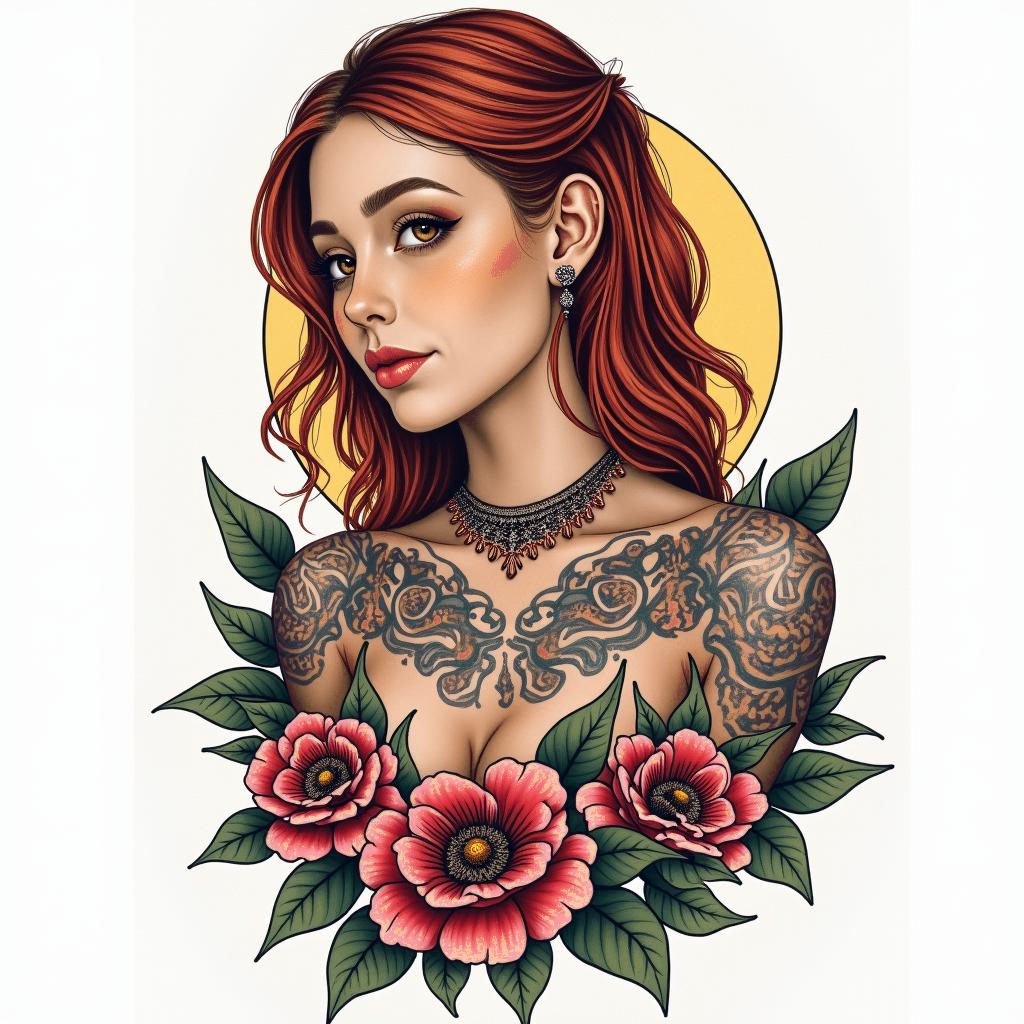
An authentic tattoo prioritizes genuine self-expression over trends. The style draws from traditional tattooing roots while focusing on designs that carry real personal meaning. Authentic tattoos often feature bold linework, limited color palettes, and motifs that reflect the wearer's identity rather than social media aesthetics. The approach values honest artistry and original design over flash copies or viral styles.


Tribal
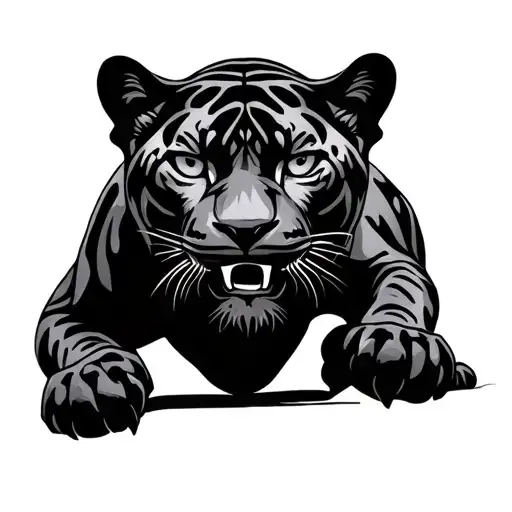
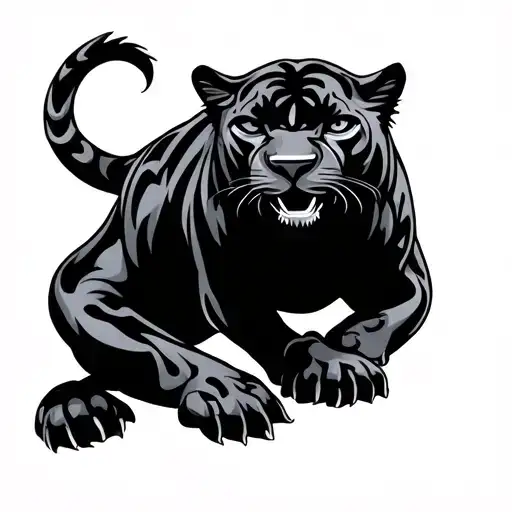
Tribal tattoos are more than just designs; they carry deep cultural significance and history. Originating from various indigenous cultures, these tattoos often symbolize identity, heritage, and personal milestones. With bold lines and intricate patterns, tribal tattoos are both striking and meaningful. Explore our gallery for inspiration and find a skilled artist to bring your vision to life.
Monospace Text
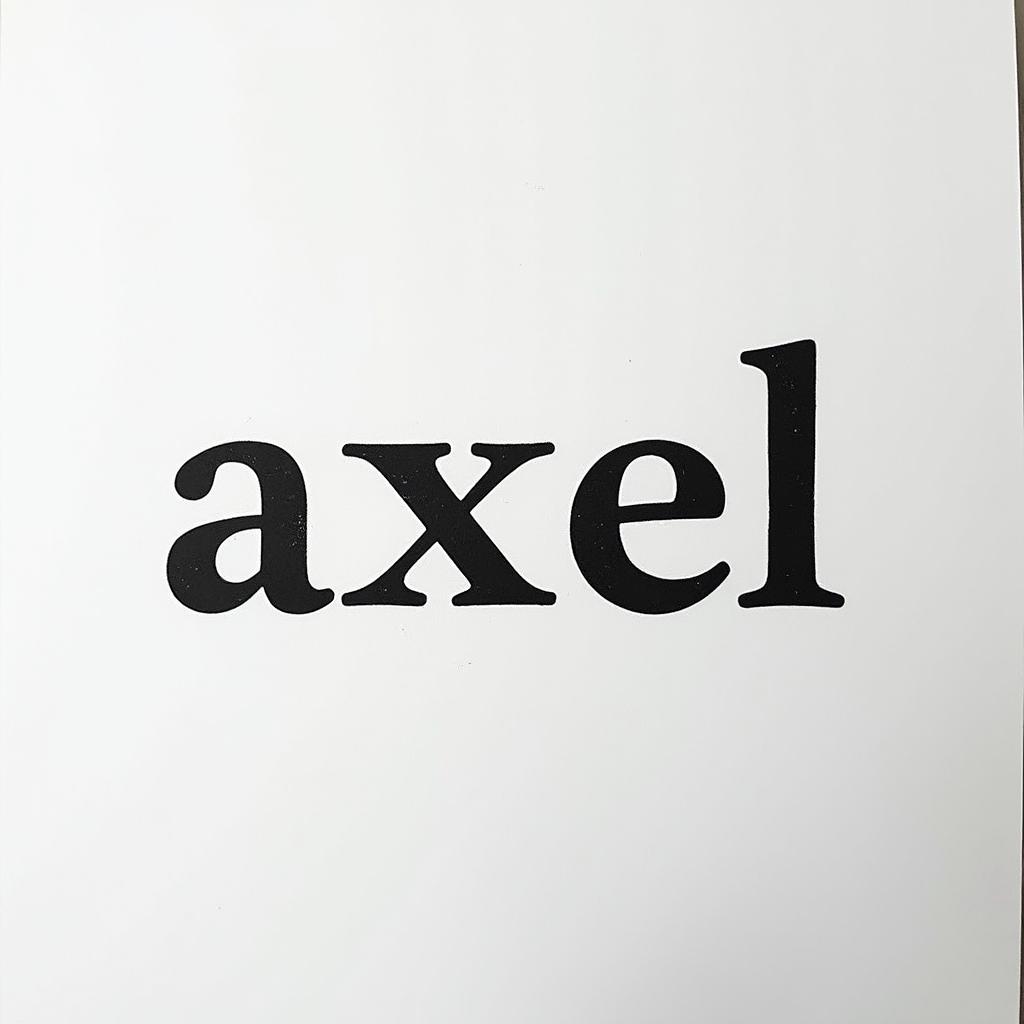
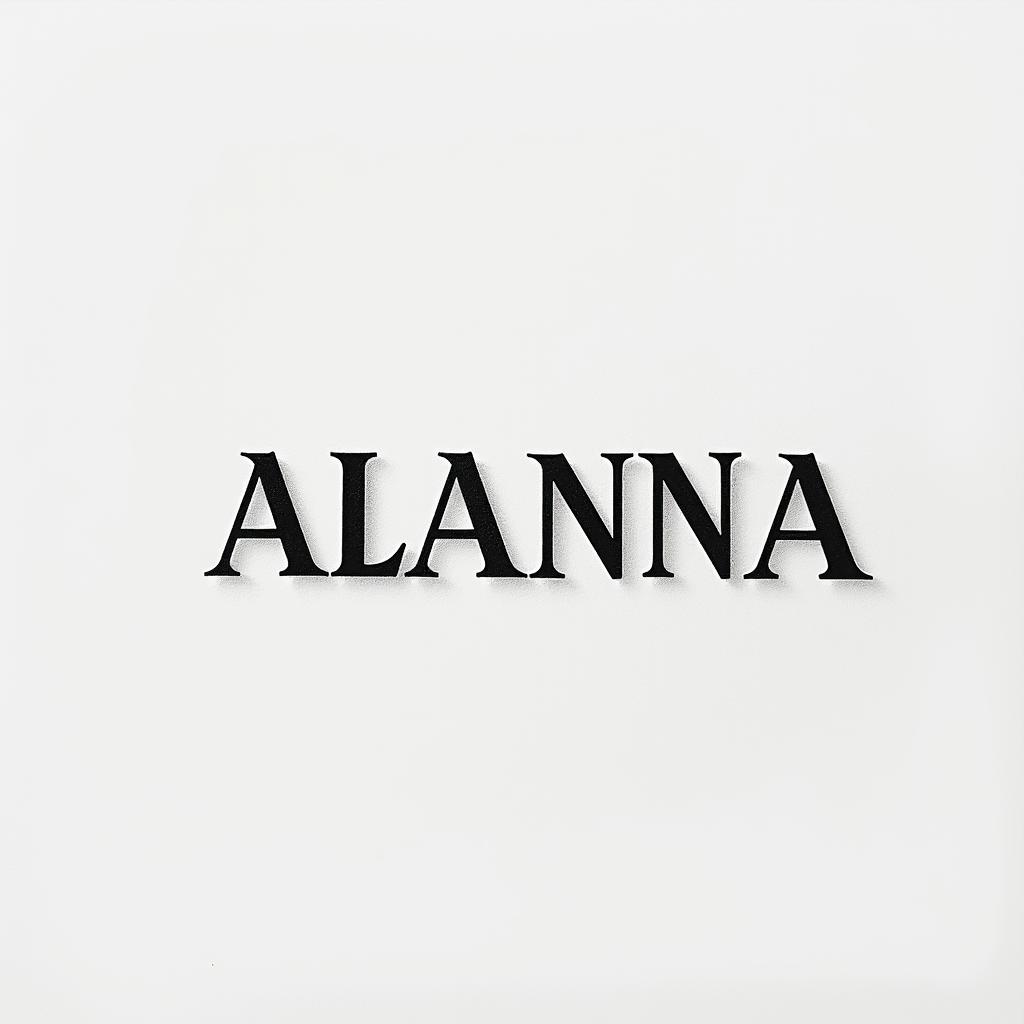
A monospace text tattoo uses fonts where every character occupies equal horizontal space, like typewriter or computer terminal fonts. The style creates a clean, uniform, and technical look. Popular choices include Courier, VT323, and Fira Code. Common motifs include short quotes, dates in ISO format, geographic coordinates, code snippets, and single powerful words. The inner forearm is the most popular placement due to its flat, readable surface. Each character should be at least 5mm tall to stay legible over time.
Couple
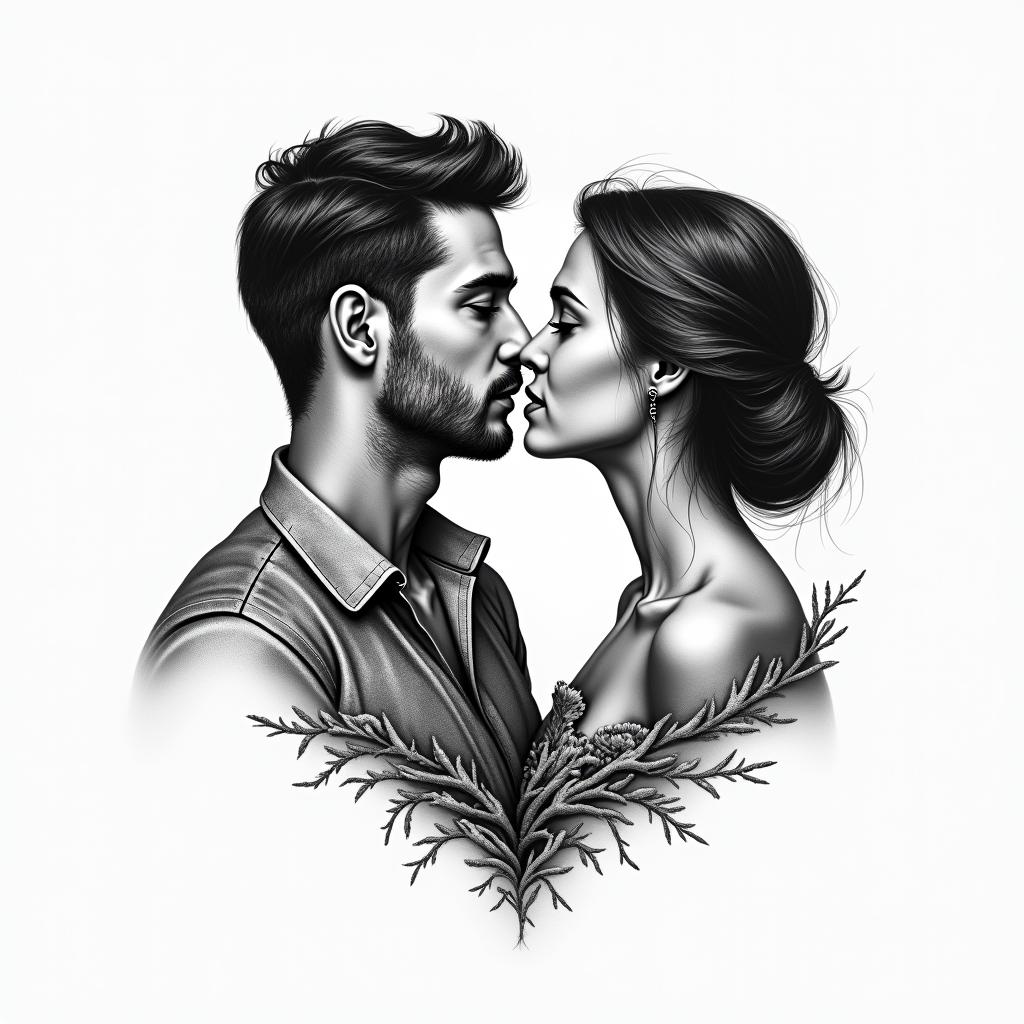
Minimalist couple tattoos are small, clean-line designs that complement each other rather than matching identically. Popular motifs include coordinates, initials in each other's handwriting, complementary shapes like sun and moon, and continuous line designs. They typically measure under two inches and use single-needle technique for thin, precise lines. Best placements include wrists, inner forearms, and ankles. For the best results, choose an artist who specializes in fine line work and always review their healed photos before booking.
Graffiti
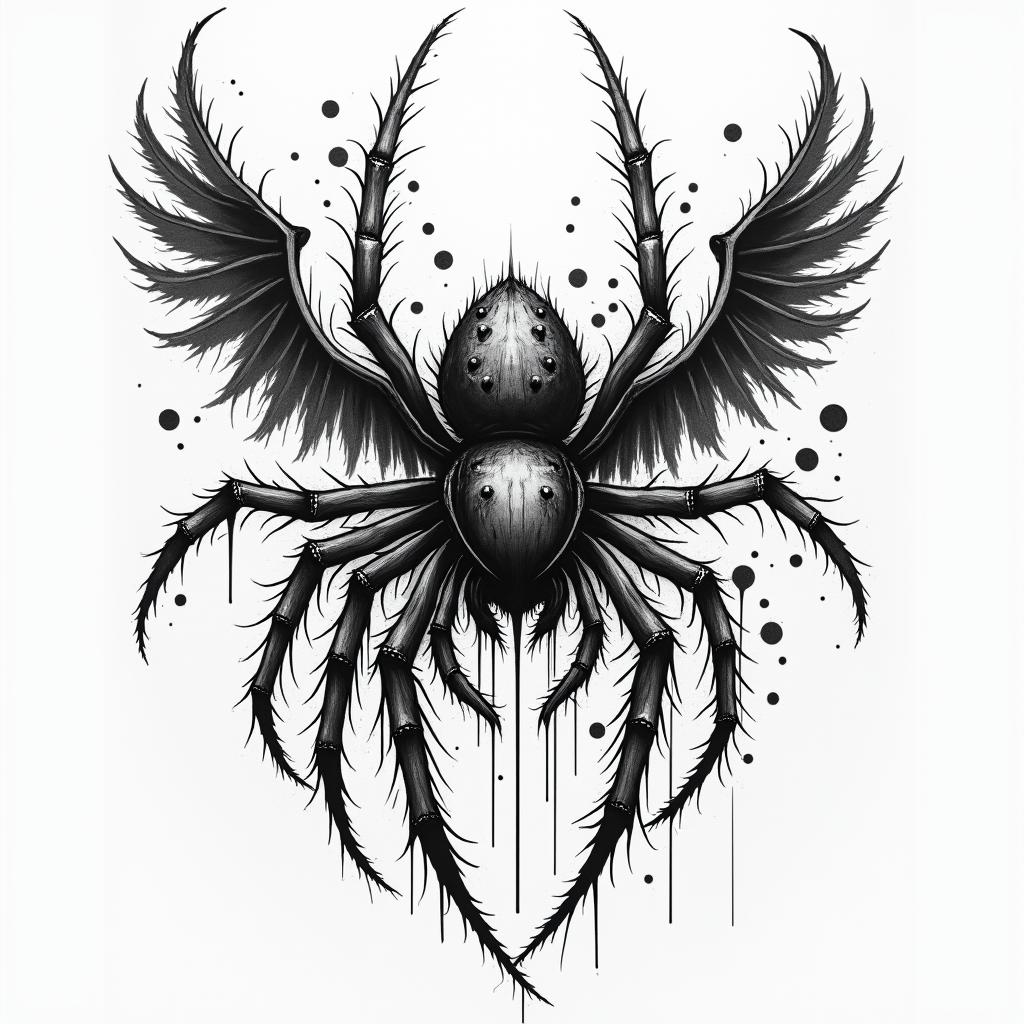
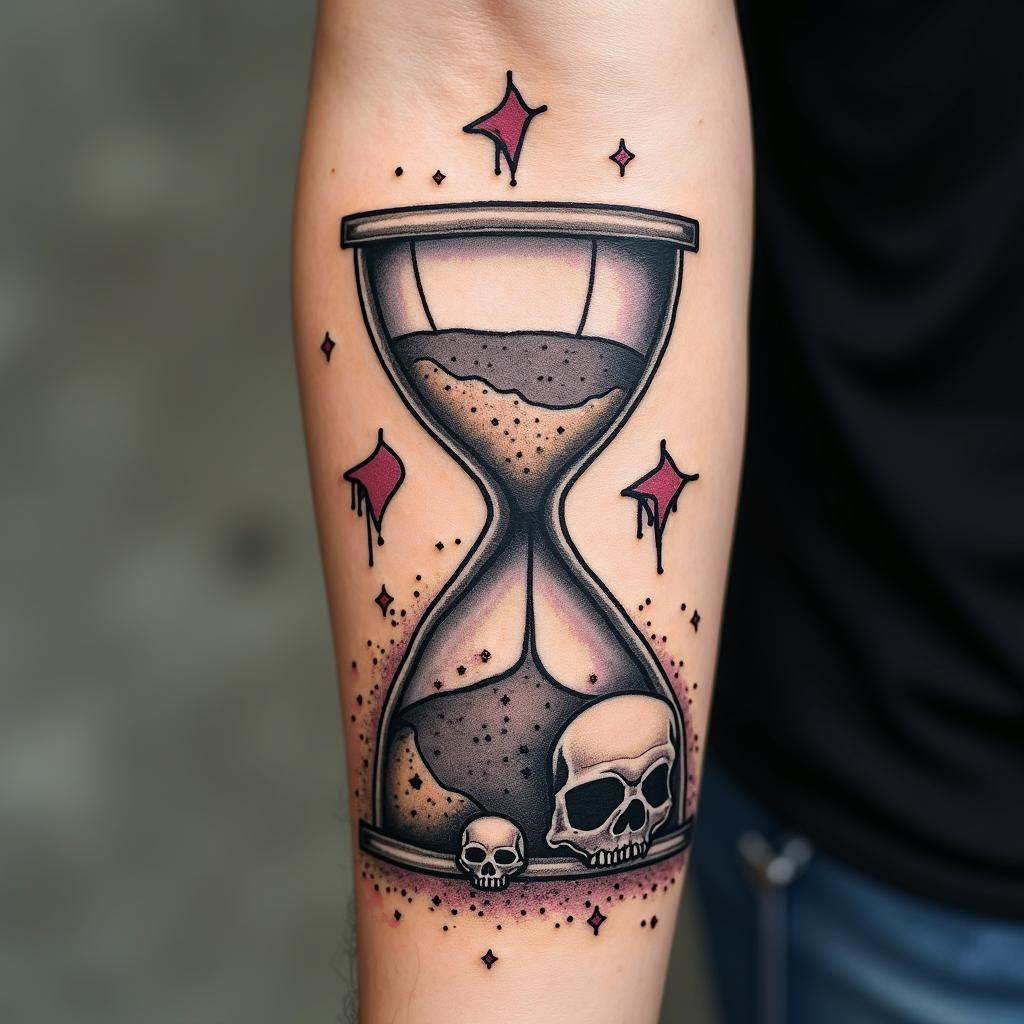
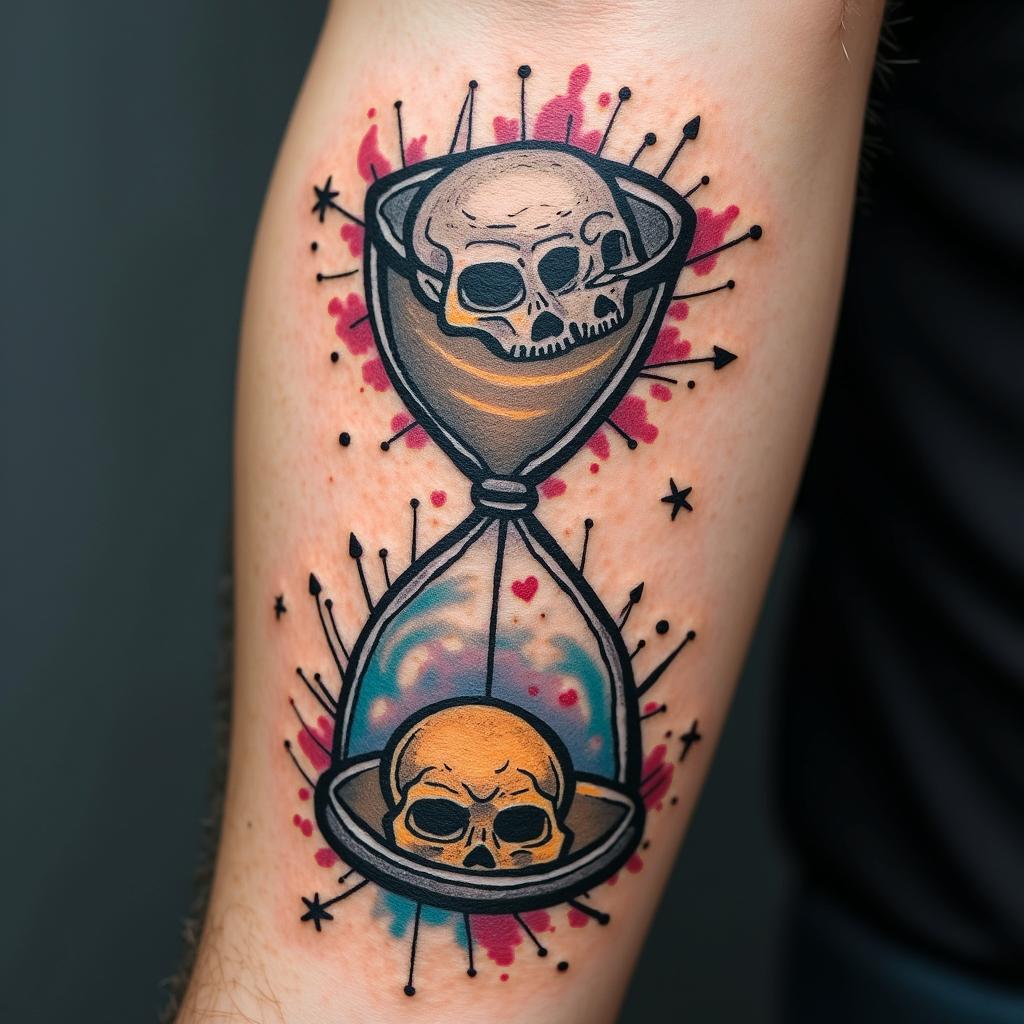
A graffiti tattoo is a style that recreates the look of street art on skin. It uses bold outlines, bright spray-paint colors, drips, stencil effects, and lettering styles like bubble or wildstyle. The style comes from 1970s-80s urban graffiti culture in cities like New York and Philadelphia. Popular motifs include names in bubble letters, spray cans, stencil characters, and paint drips. Graffiti tattoos work best on larger, flat areas like forearms, calves, and thighs where the design has room to breathe. Finding the right artist matters because this style requires real knowledge of letterforms and street art techniques, not just bright ink.
Portrait
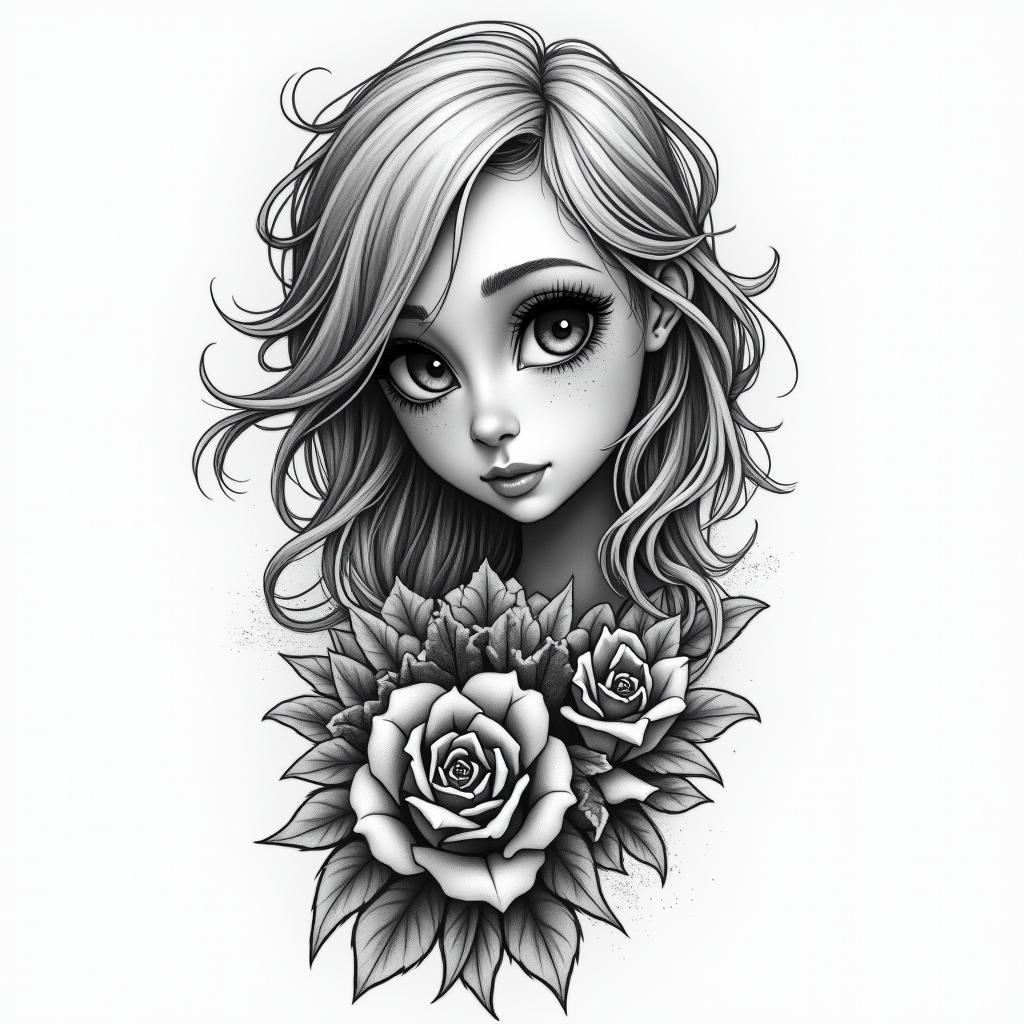
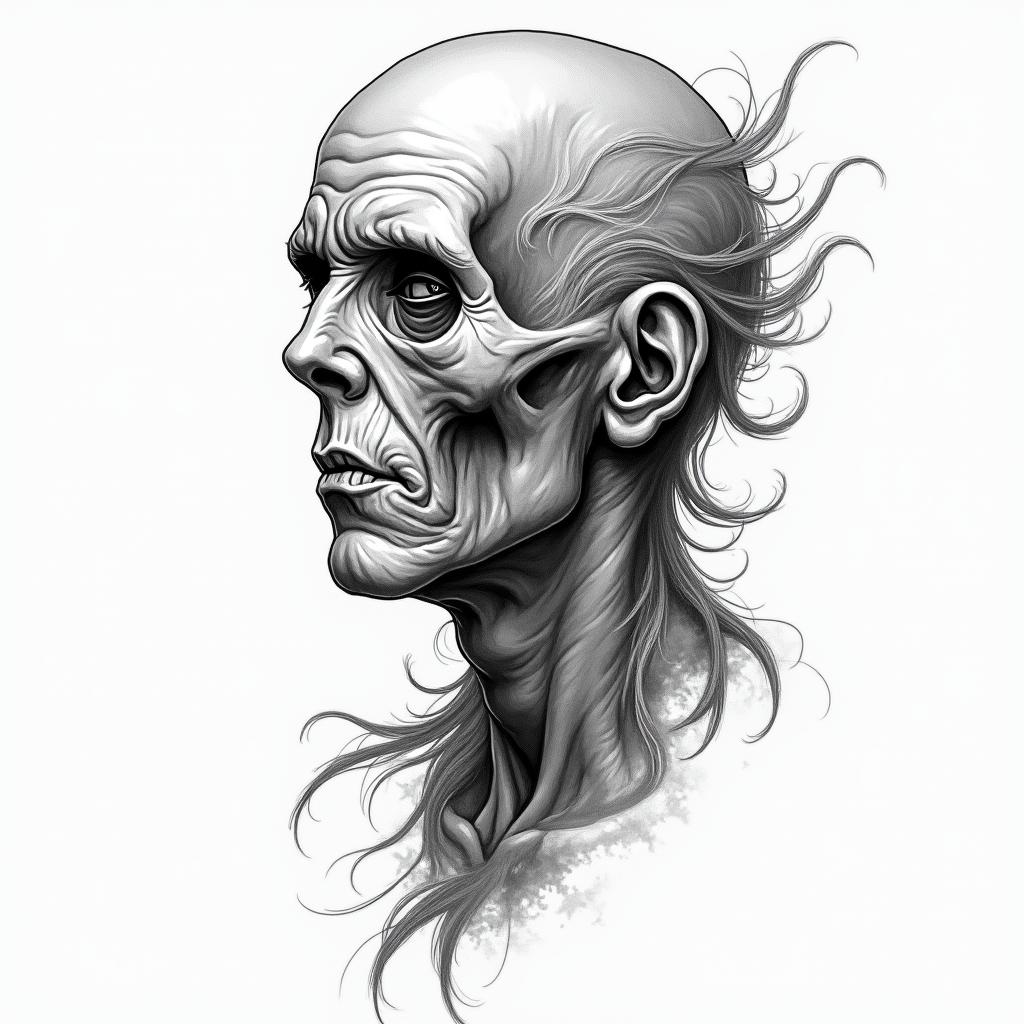
A portrait tattoo is a realistic depiction of a person's face (or sometimes a pet) rendered in ink on skin. Portrait tattoos require advanced shading techniques, precise proportion skills, and a deep understanding of light and shadow. The best portrait tattoos capture not just likeness but expression and emotion. They are one of the most technically demanding tattoo styles and should only be done by artists who specialize in realism. Portrait tattoos work best at larger sizes (6+ inches) on flat, low-movement areas like the outer thigh, upper back, or chest.
Prophecy
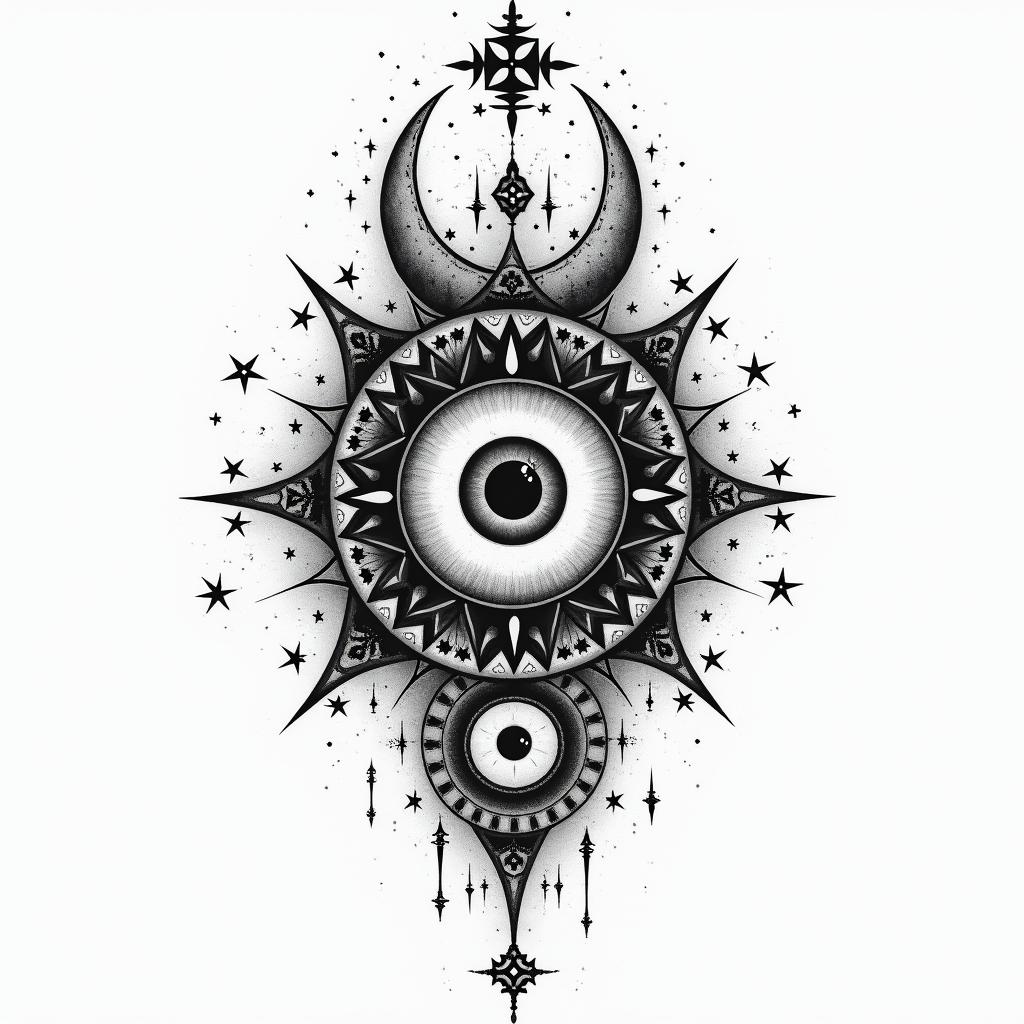
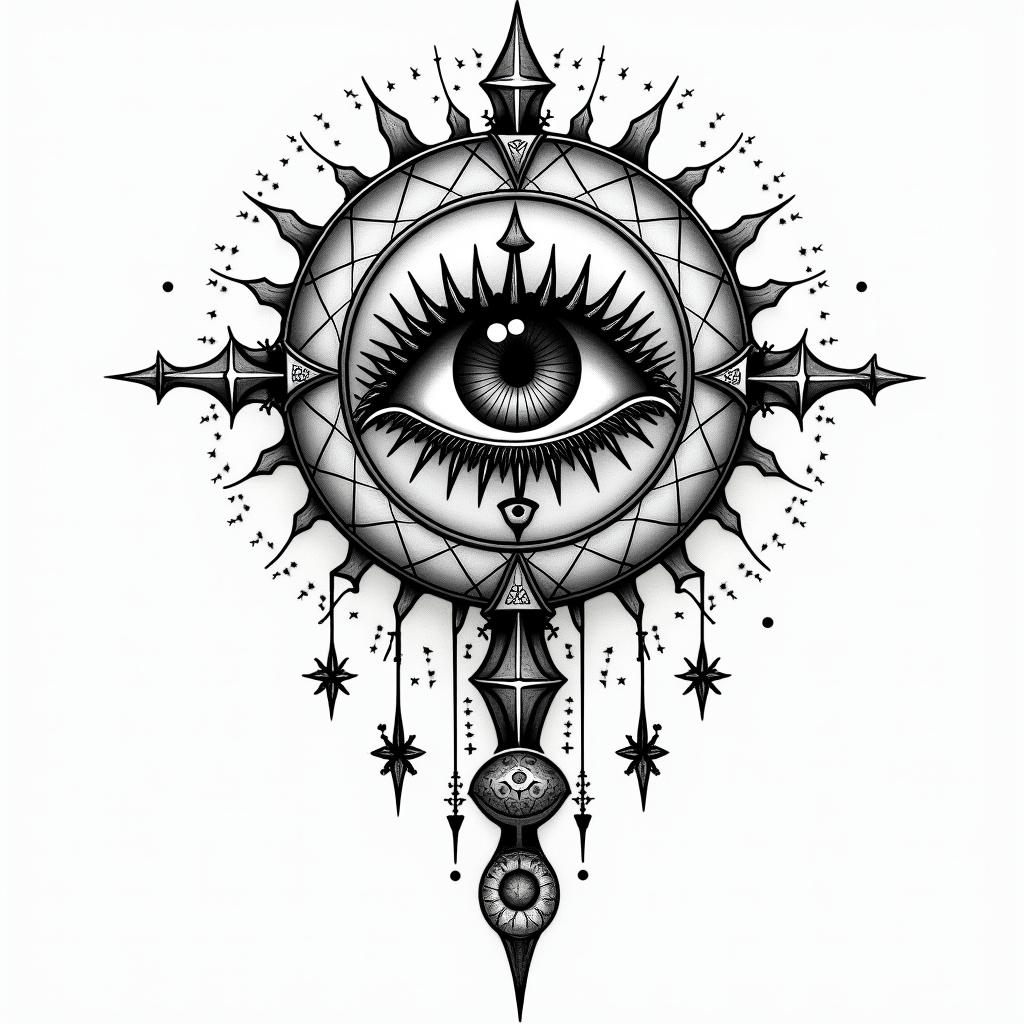
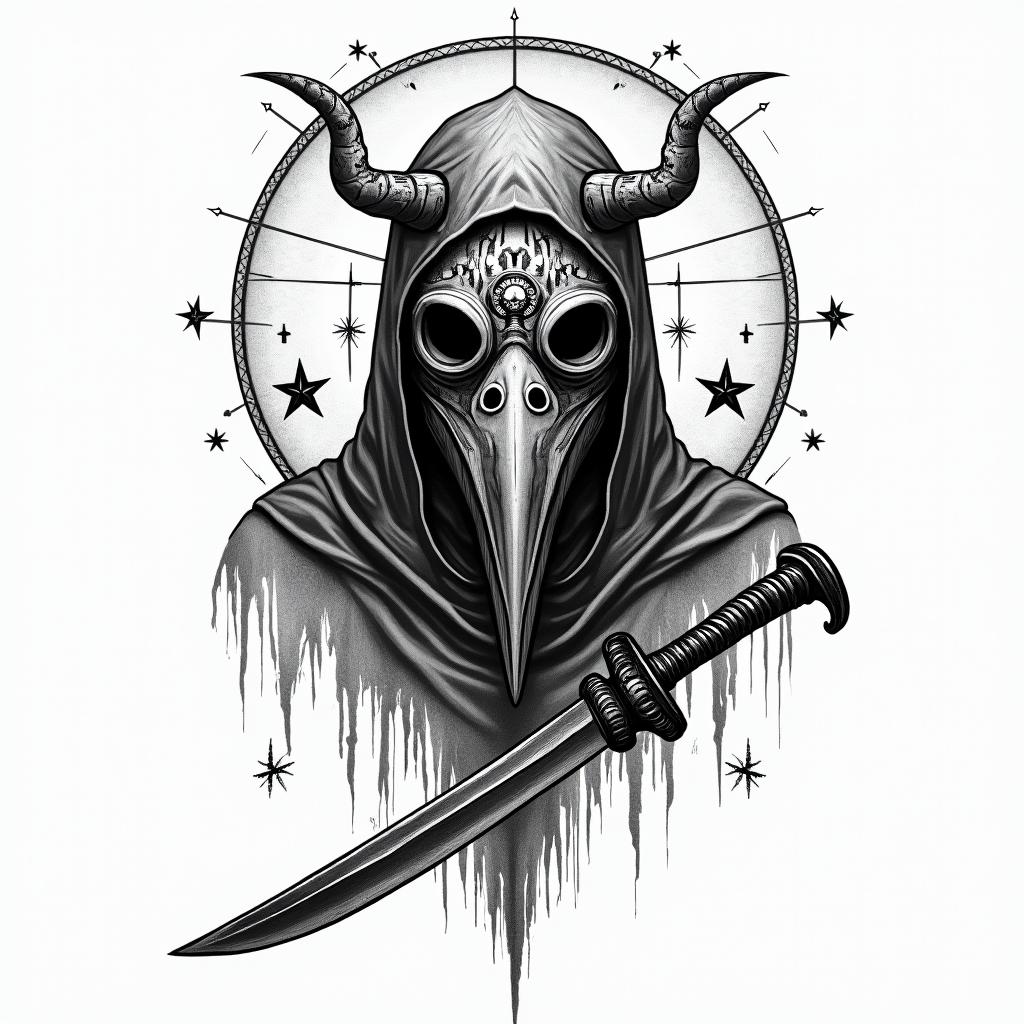
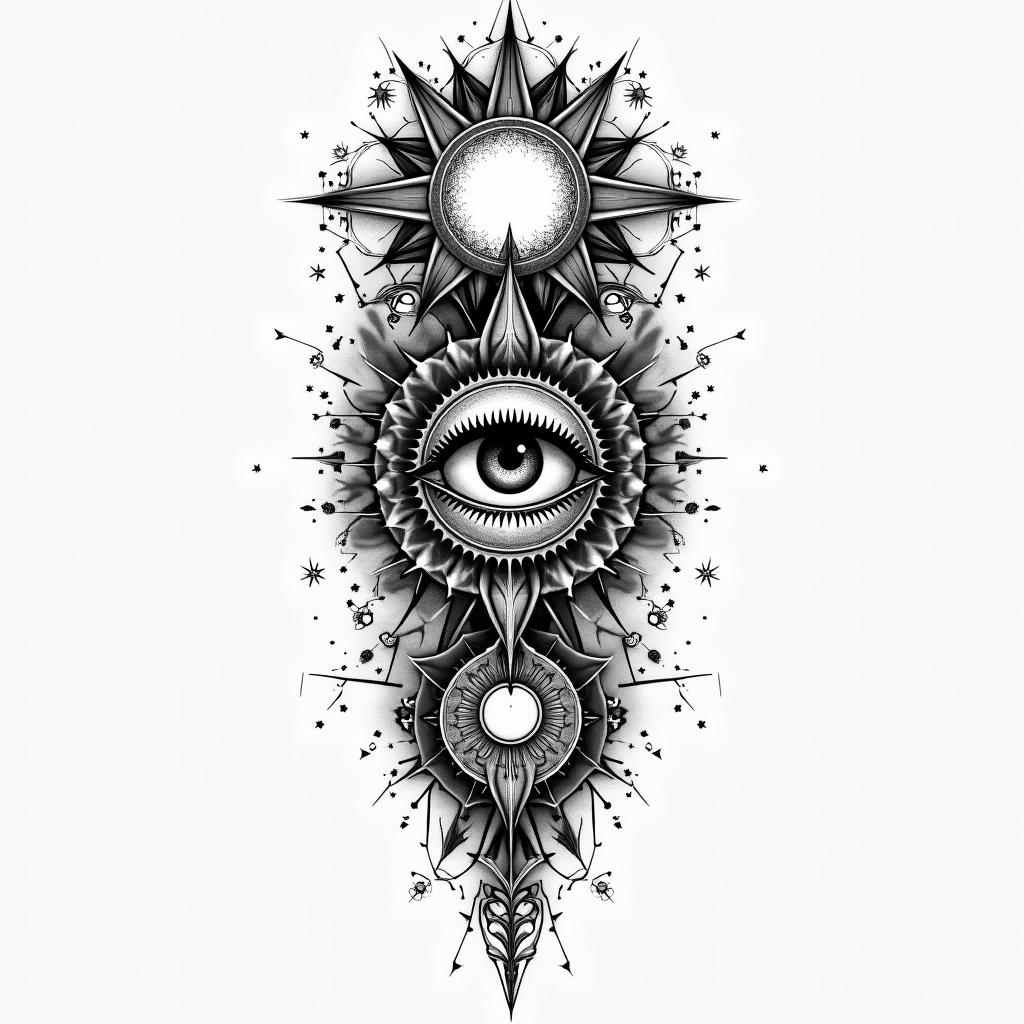
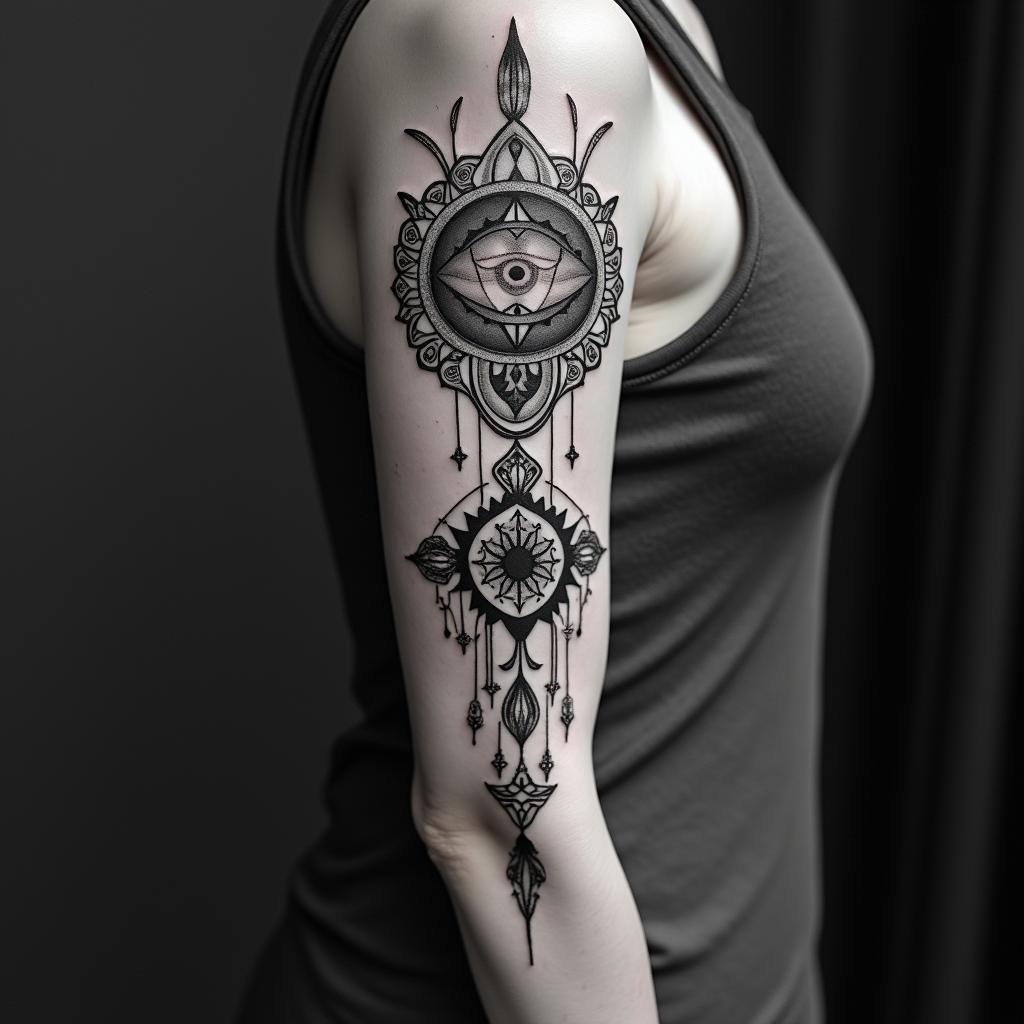
A prophecy tattoo features imagery tied to divination, foresight, and mystical revelation. Common motifs include the all-seeing eye, oracle symbols, celestial charts, tarot iconography, and apocalyptic or visionary scenes. The style draws from ancient divination traditions, Greek oracle culture, Norse seer symbolism, and esoteric mysticism. Prophecy tattoos work well on larger canvases like the back, chest, or sleeve where intricate detail and narrative composition can unfold. Choose an artist skilled in realism or fine line work to capture the delicate linework and symbolic depth this style demands.
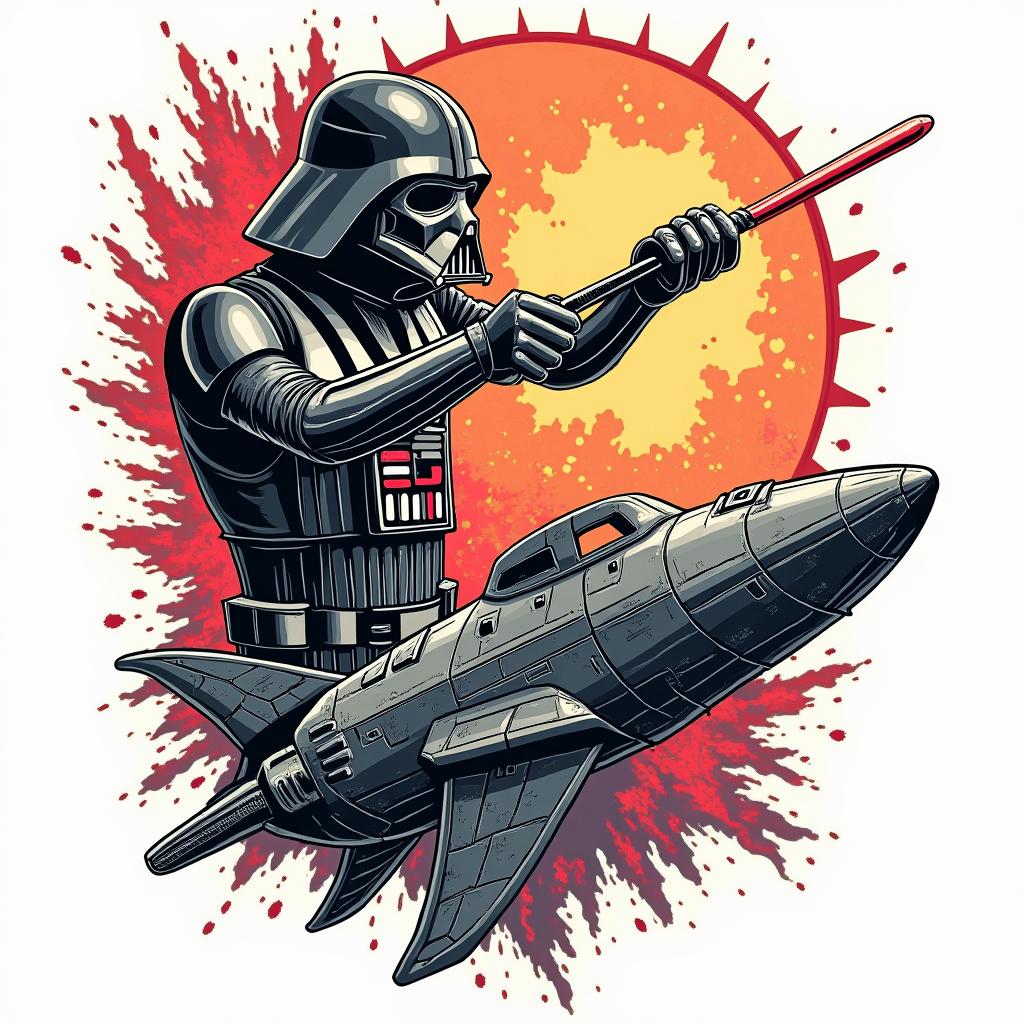
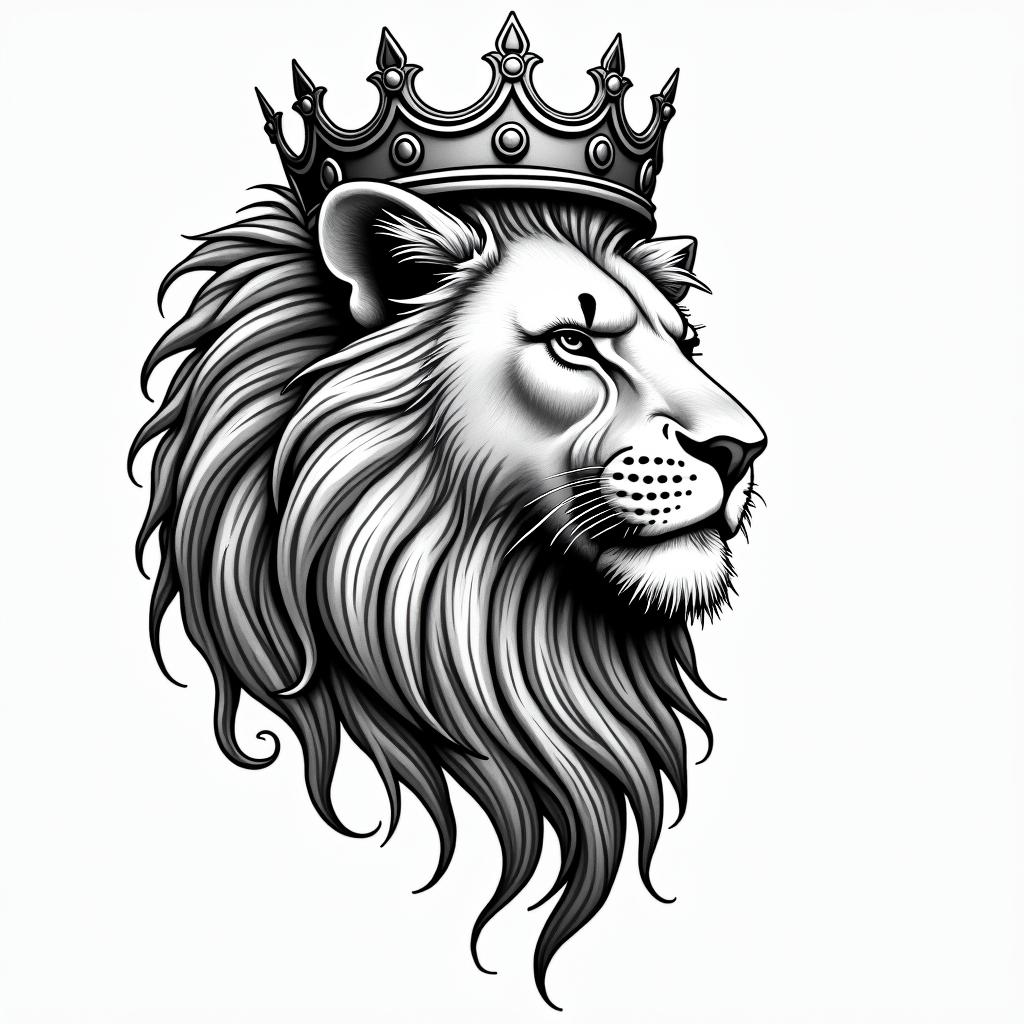
Illustrative
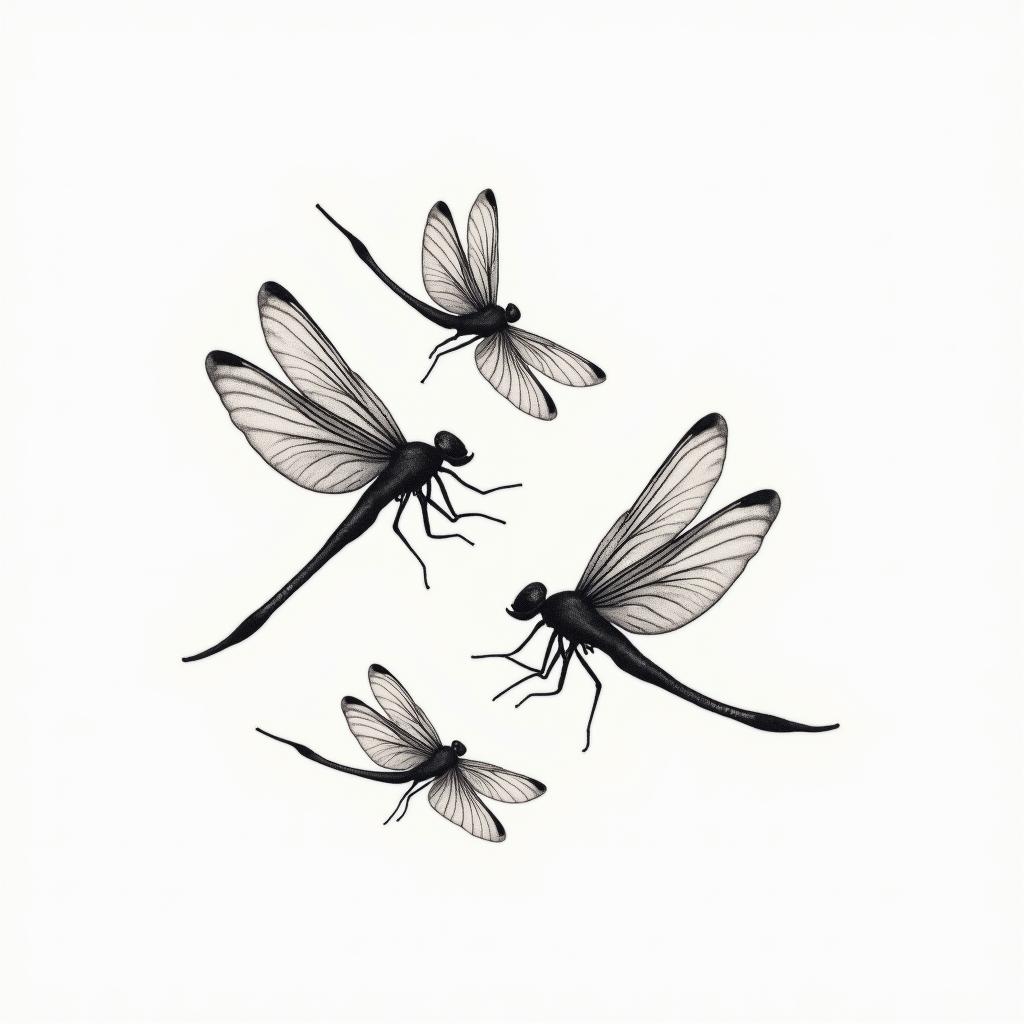
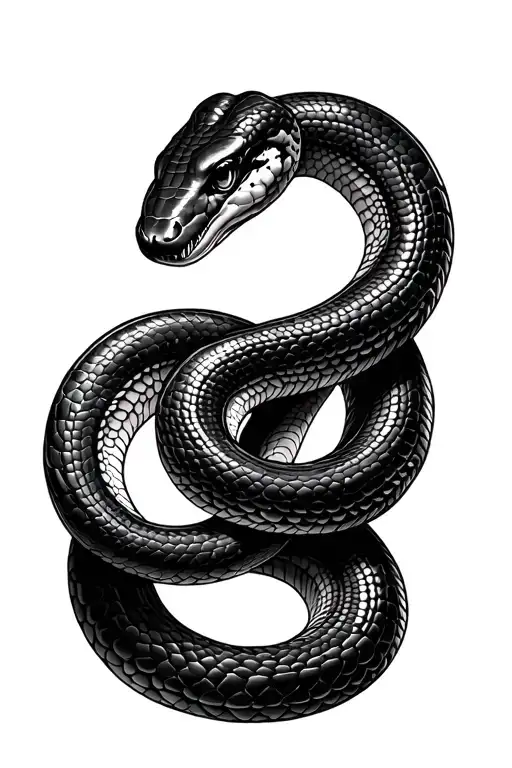
An illustrative blackwork tattoo is a style that combines bold black ink with drawing techniques like hatching, crosshatching, and stippling to create designs that look like pen-and-ink illustrations on skin. Unlike solid blackwork or traditional tattoo flash, illustrative blackwork focuses on line variation and mark-making borrowed from printmaking traditions such as woodcuts and etchings. The result is a tattoo that reads like a detailed sketch or engraving, with depth built through layered lines and dots rather than color or smooth shading.
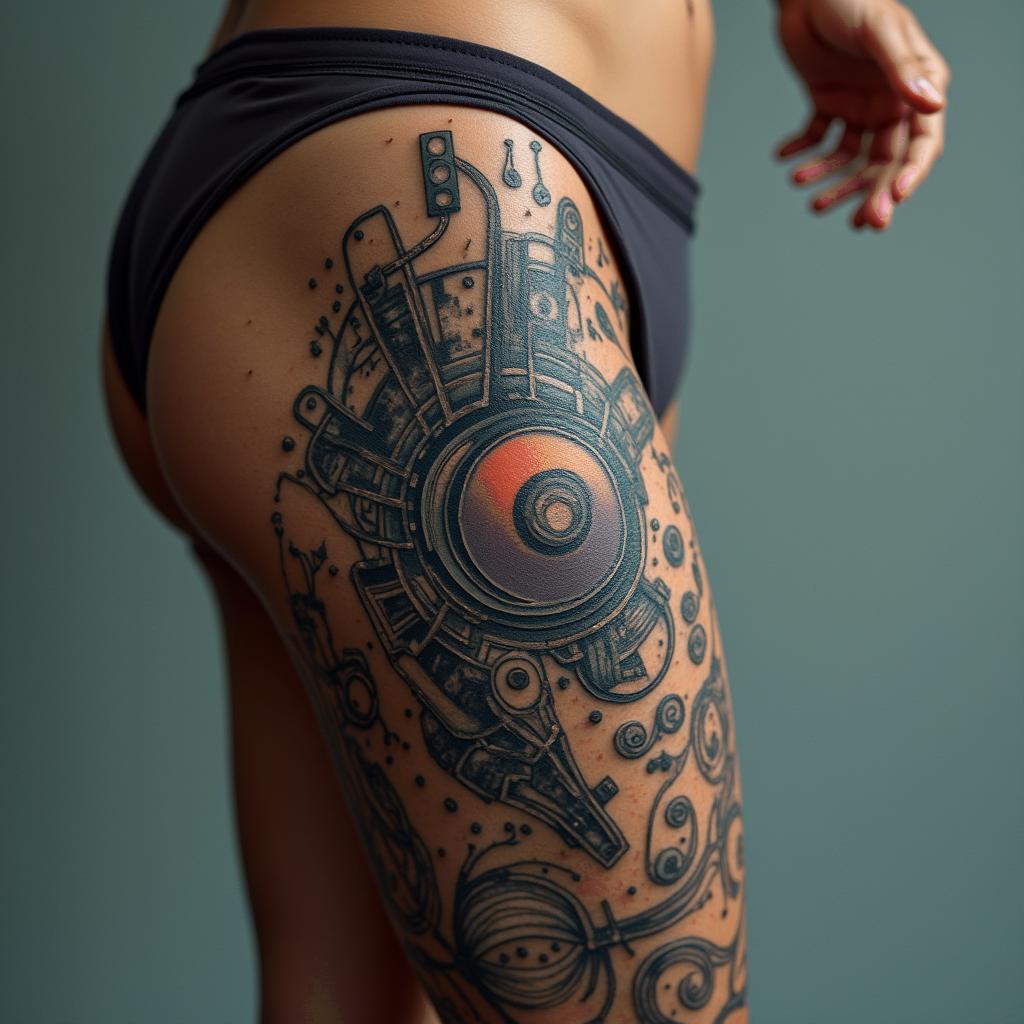
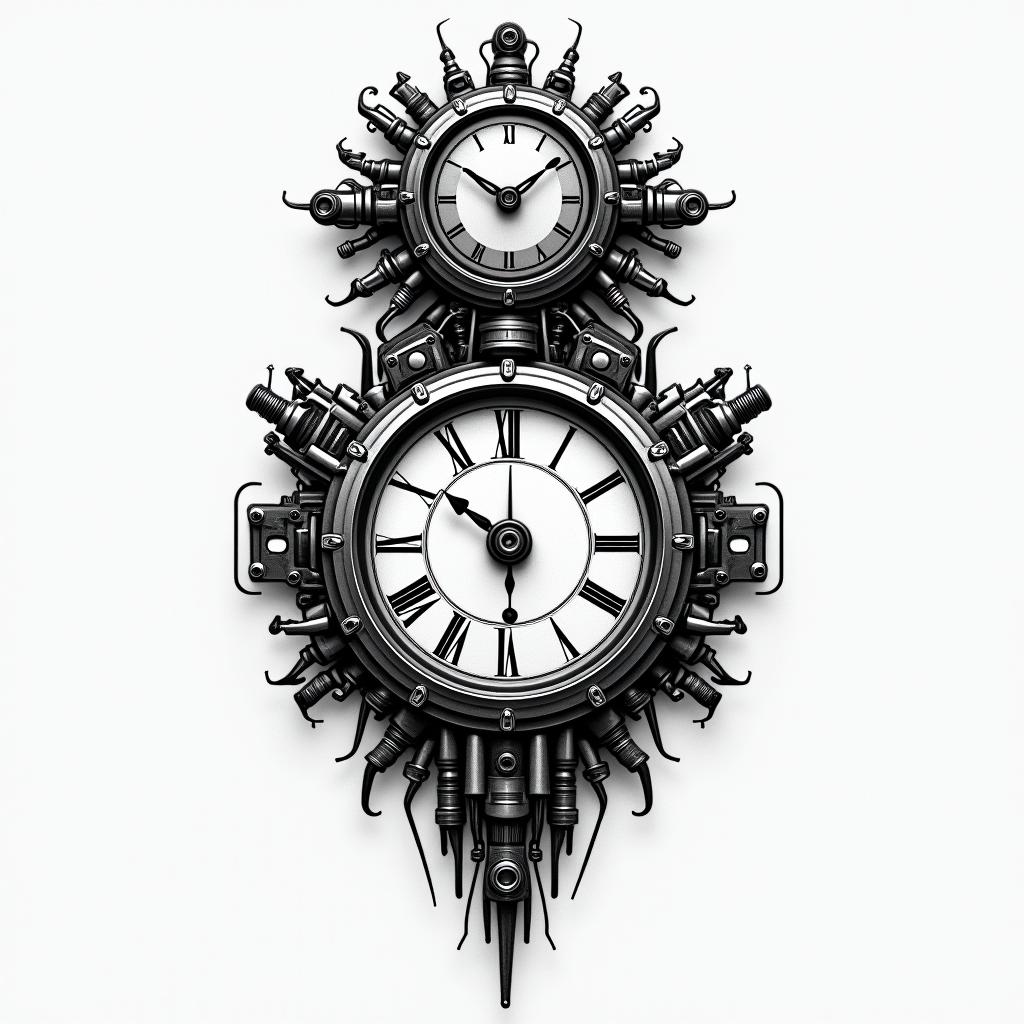
Bio-Mech
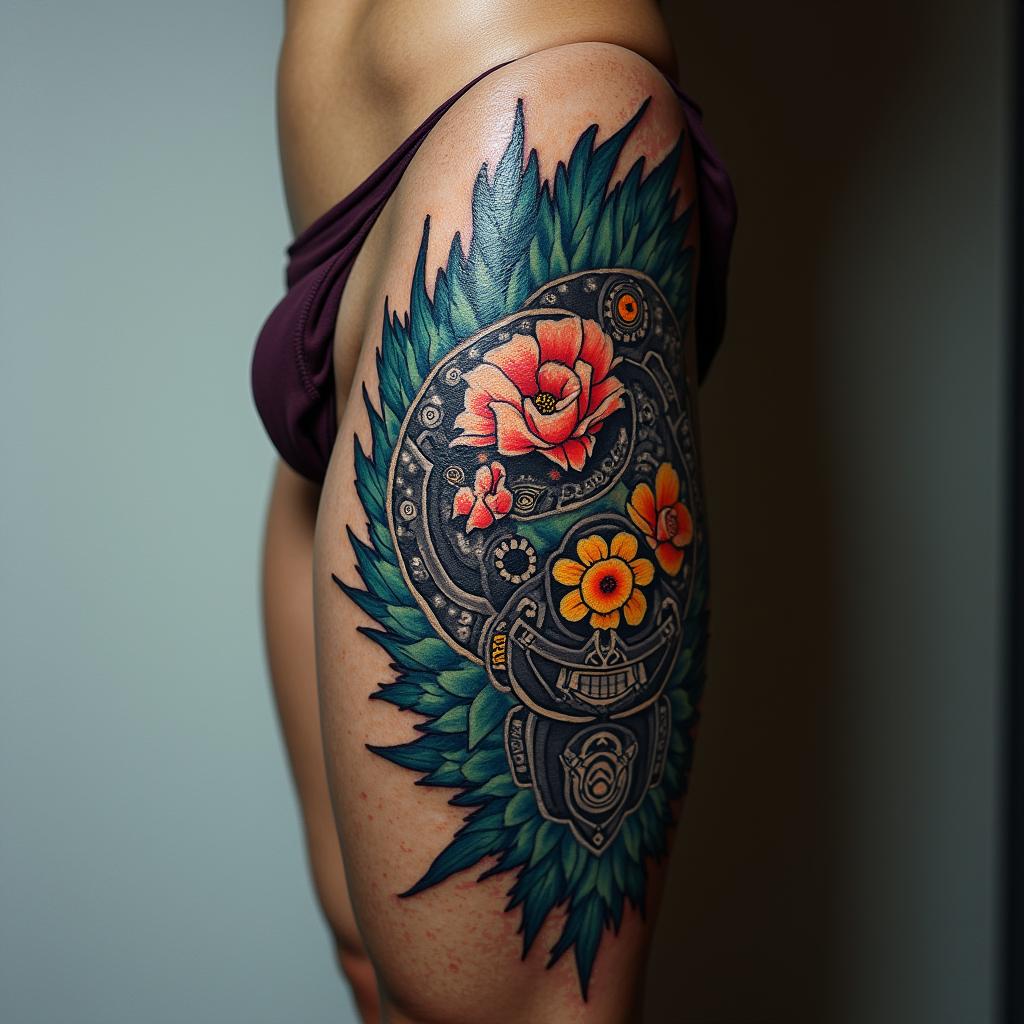
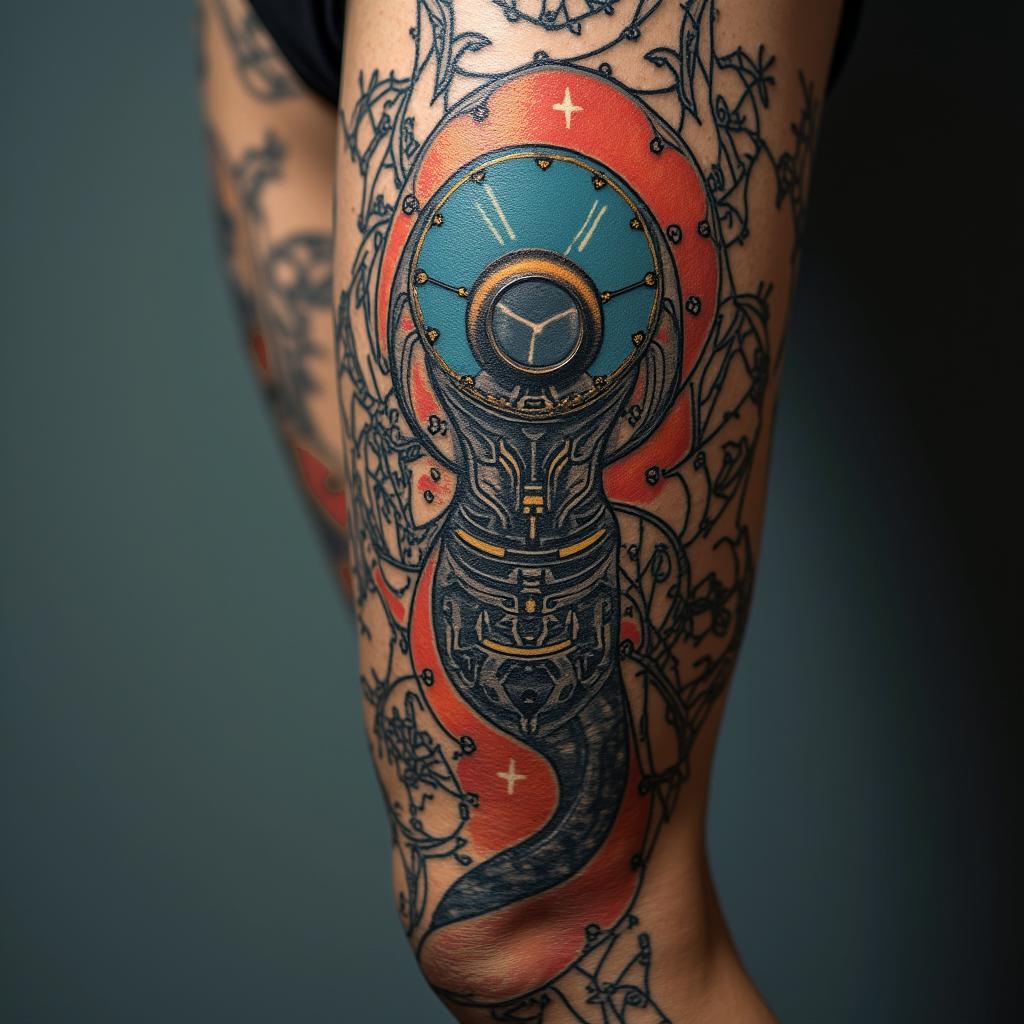
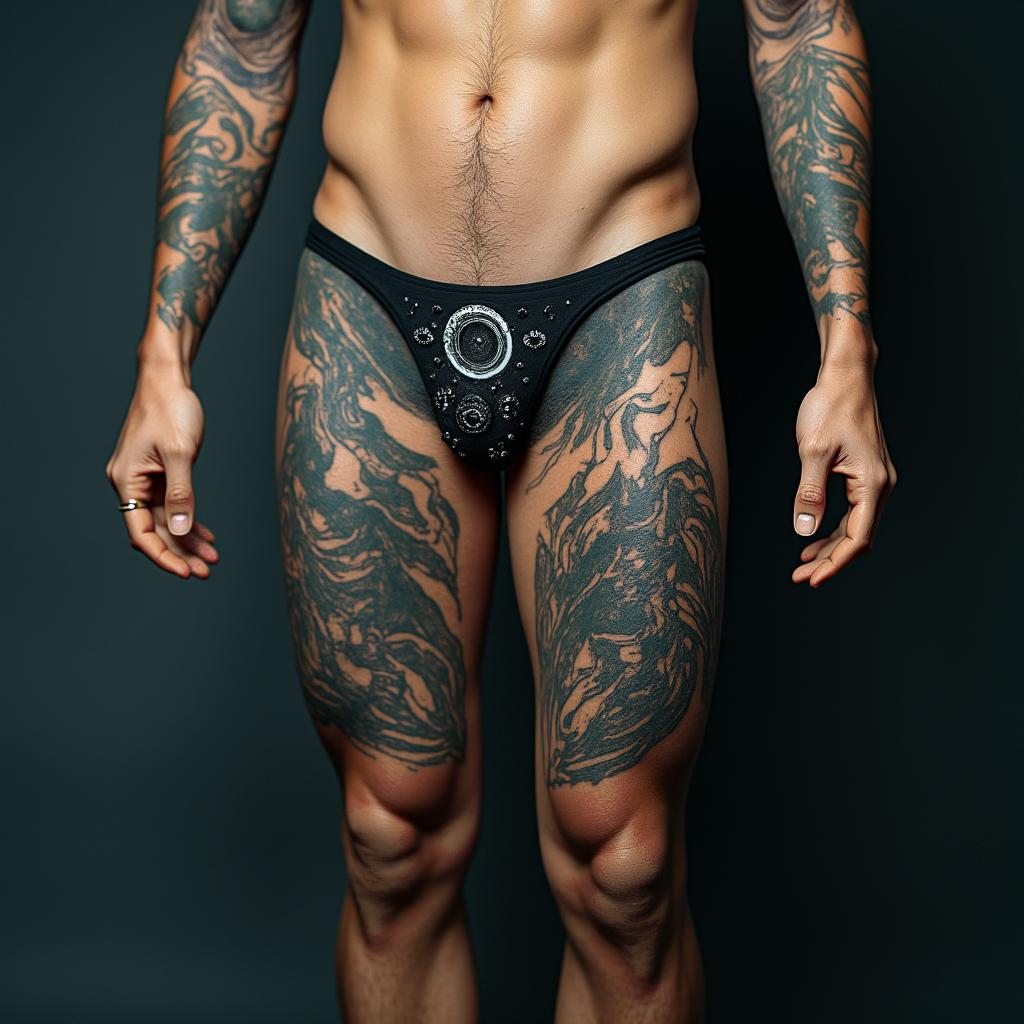
A bio-mech (biomechanical) tattoo is a style that fuses organic human anatomy with mechanical elements like gears, pistons, cables, and metal plating. Inspired by H.R. Giger's work on Alien (1979), the style creates the illusion that skin is peeling back to reveal machinery underneath. Key characteristics include black and gray shading for depth, torn skin edges rendered in reds and pinks, and mechanical components that follow the body's natural muscle groups. Popular placements include full sleeves, backs, and chests where artists have space to build the depth illusion. Bio-mech tattoos require artists skilled in 3D rendering and precise linework, as the style demands both technical accuracy on mechanical parts and organic softness on tissue effects.

Japanese Text
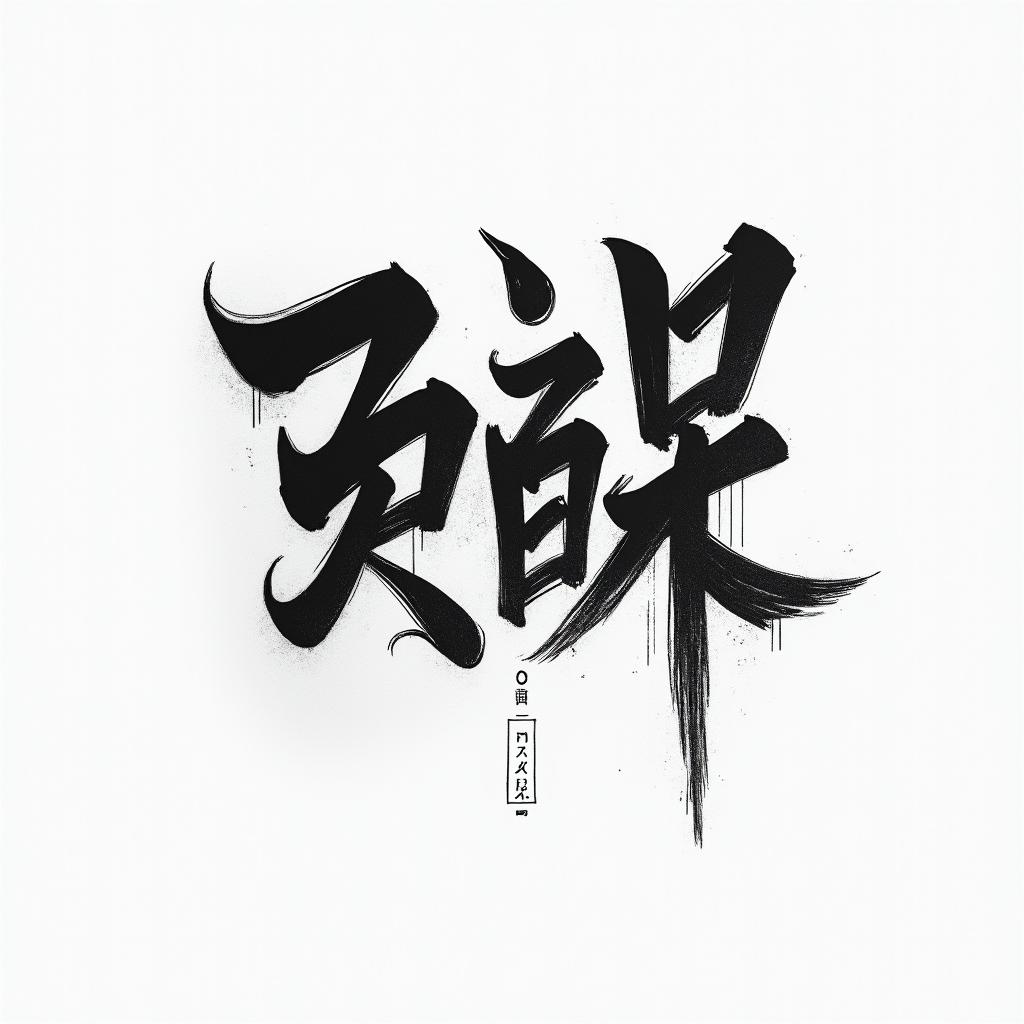
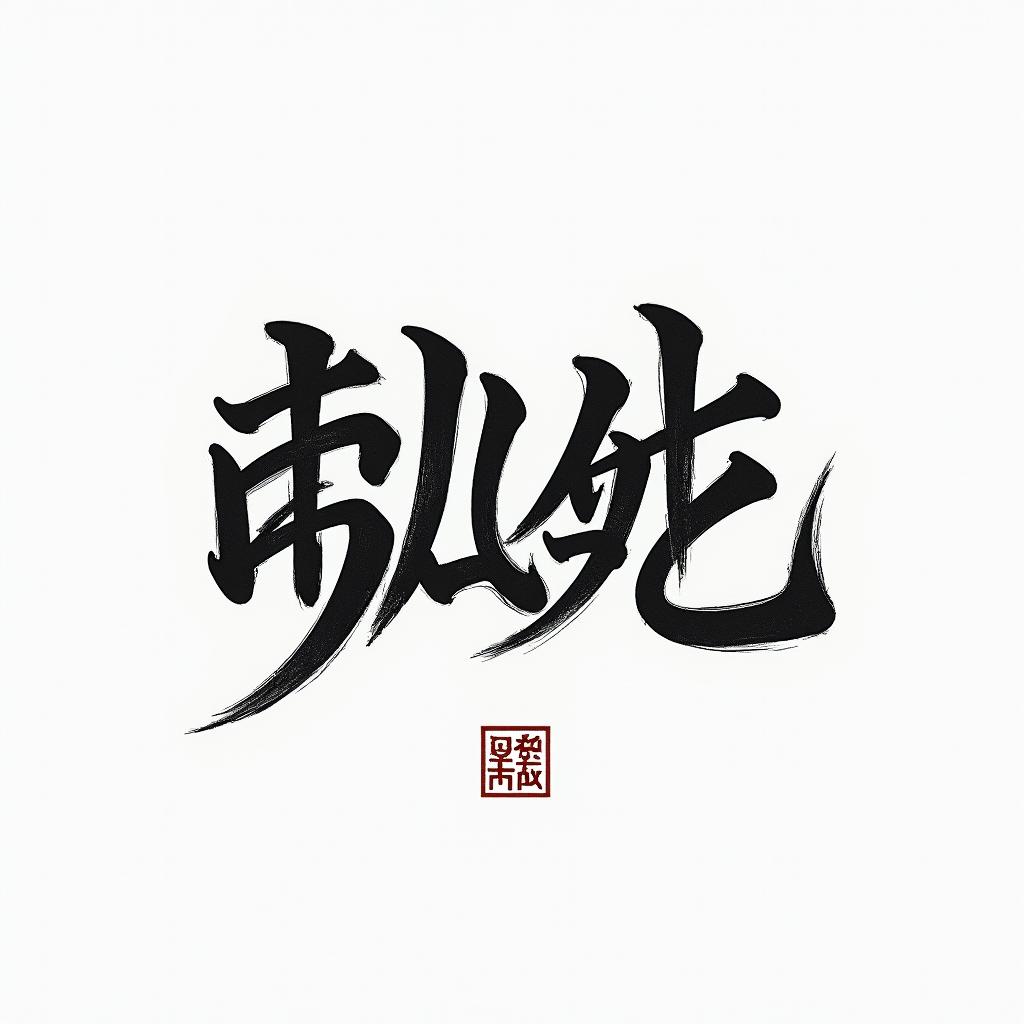
Japanese Text tattoos, often featuring Kanji or other Japanese scripts, are a popular choice for their aesthetic appeal and cultural significance. These tattoos can symbolize personal values, beliefs, or commemorate important life events. To ensure authenticity and respect for the culture, it's crucial to work with experienced artists familiar with Japanese scripts. Explore our AI tattoo generator to visualize your design before committing.

Japanese
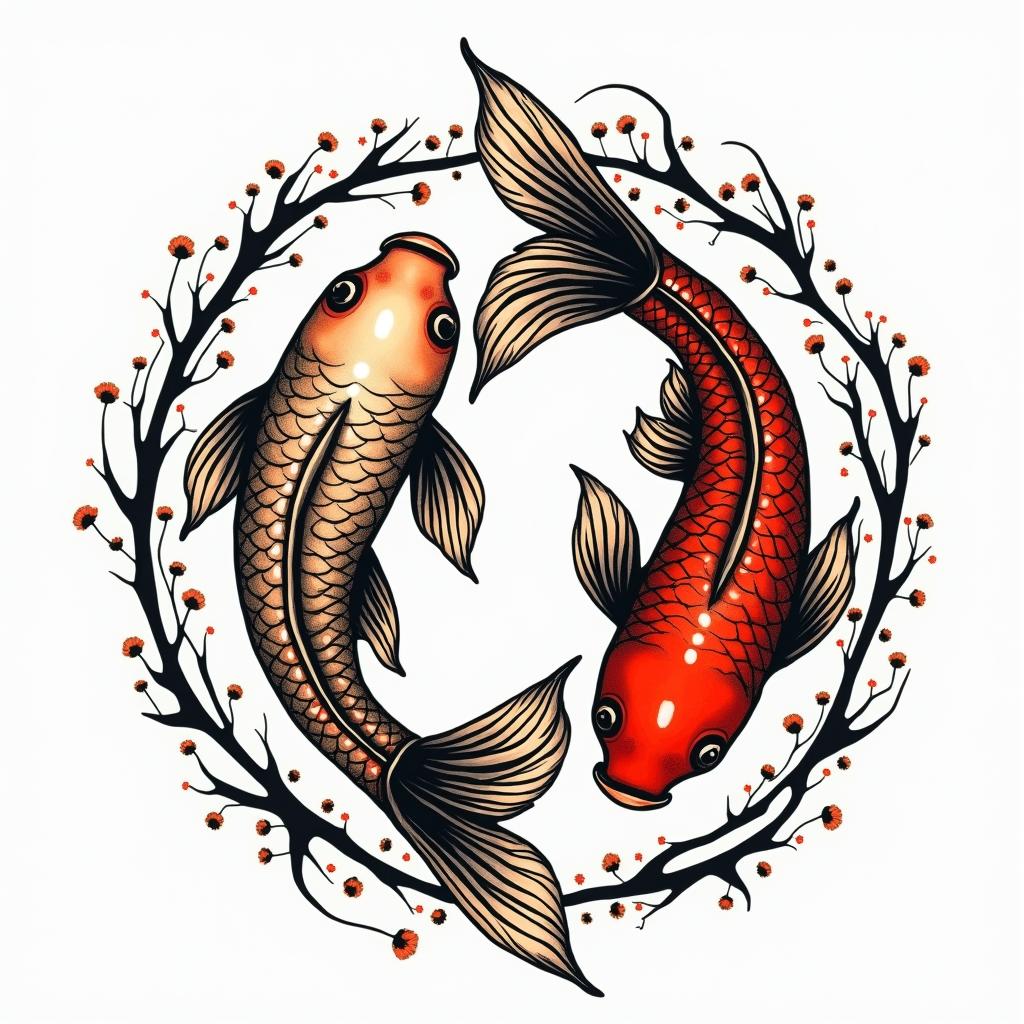
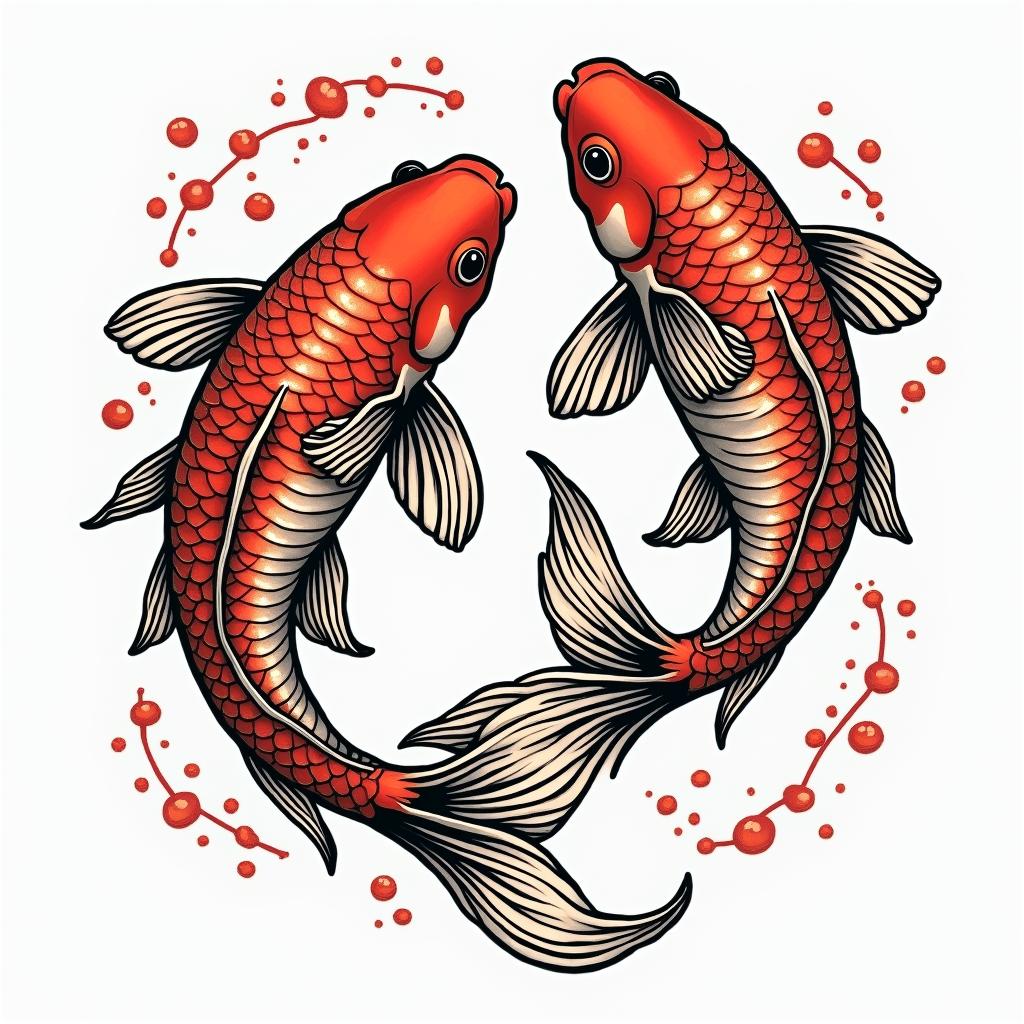
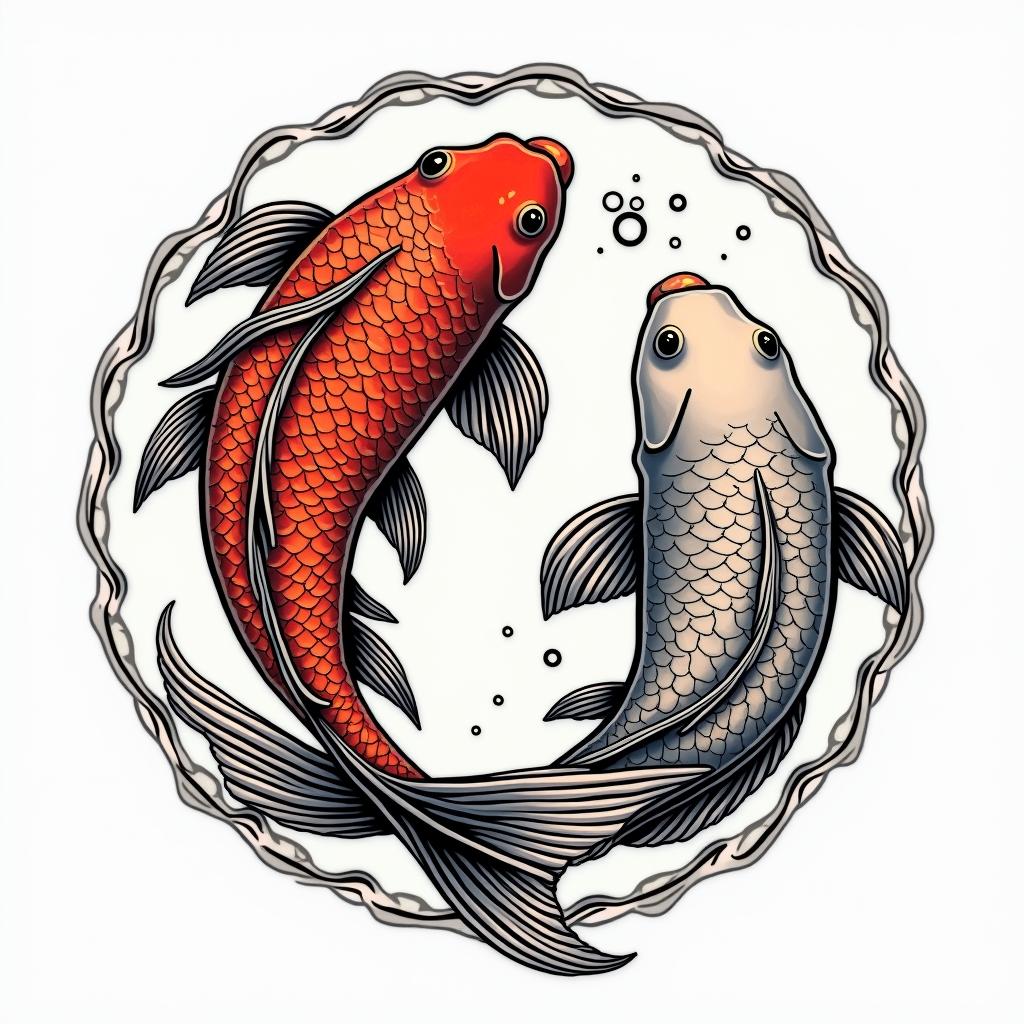
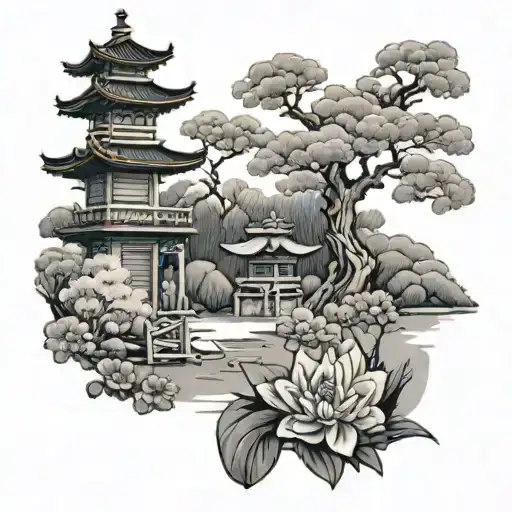
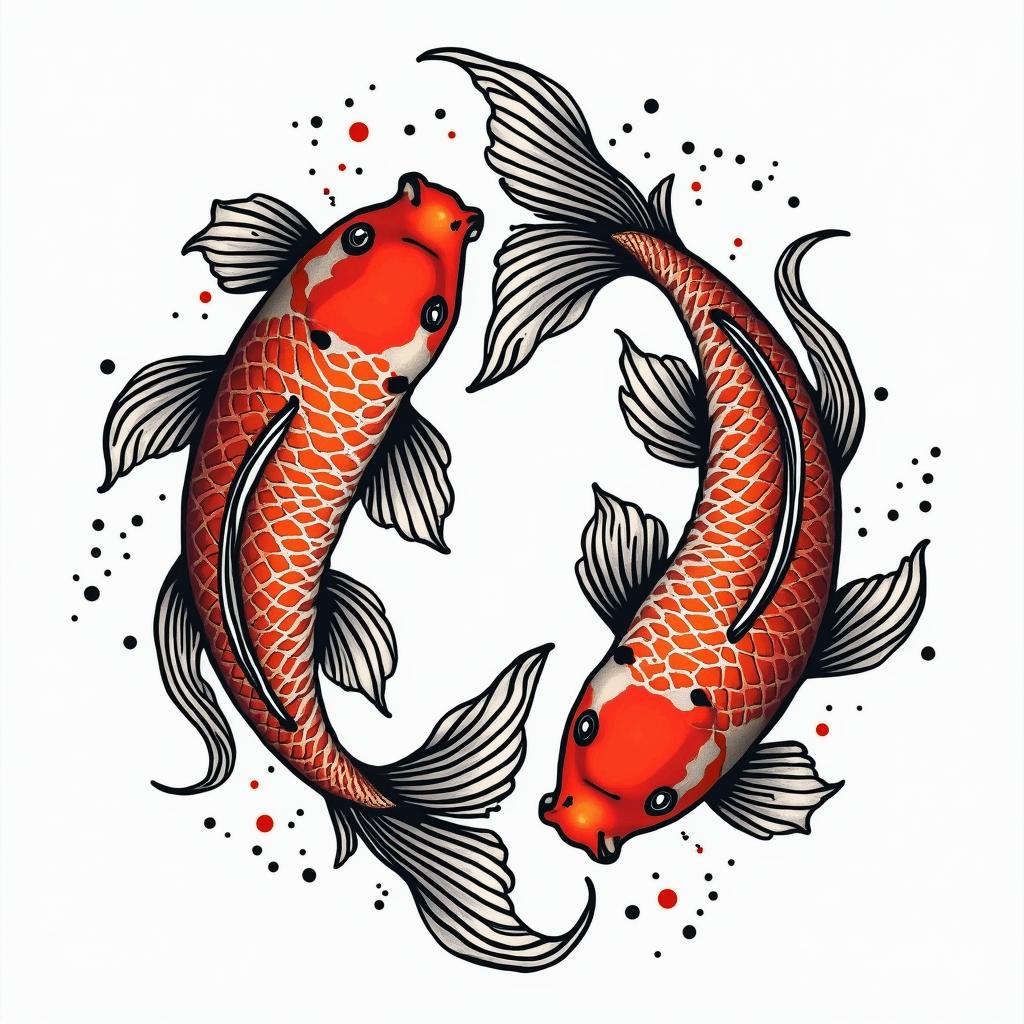
Japanese tattoos, known as Irezumi, are steeped in tradition and symbolism. They often feature elements like dragons, koi fish, and cherry blossoms, each carrying deep cultural meanings. These tattoos are renowned for their bold lines and vibrant colors, making them a popular choice for those seeking a piece of art that tells a story.
Flame Design
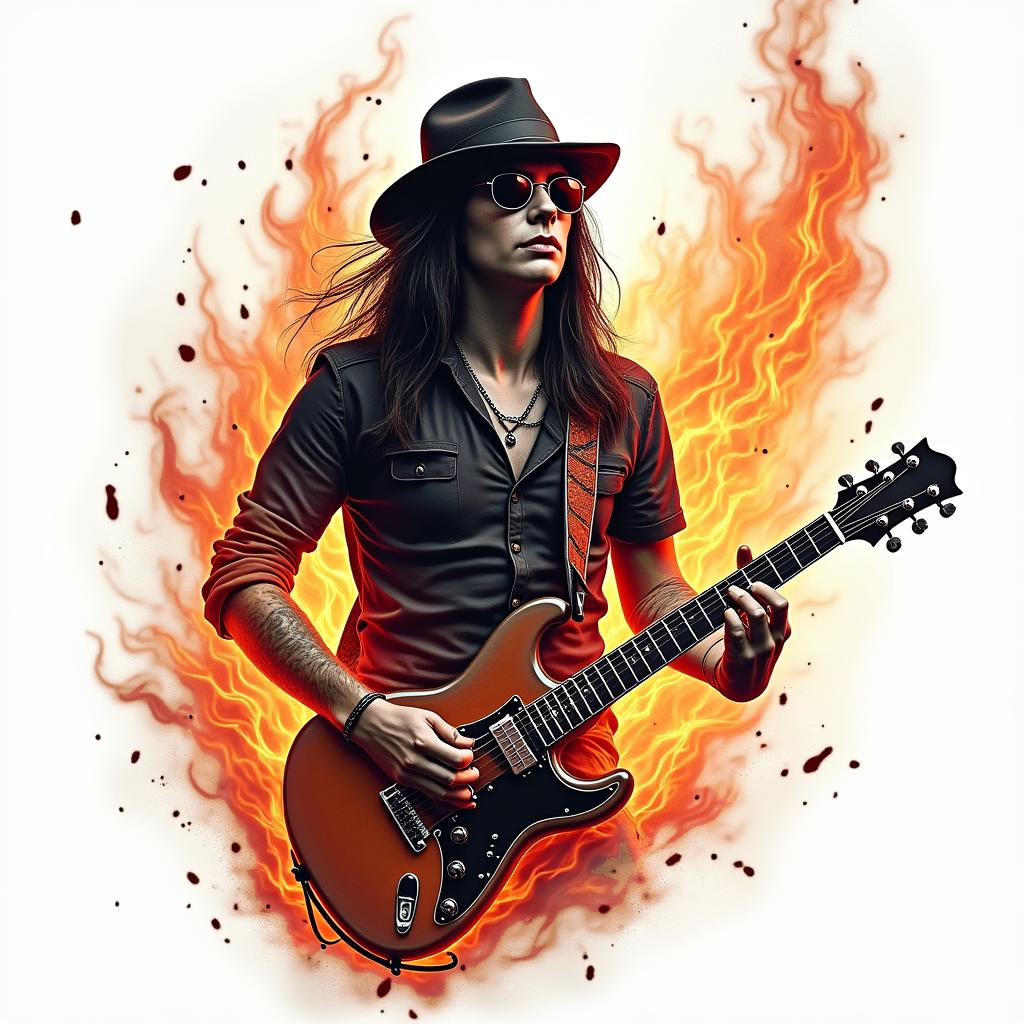
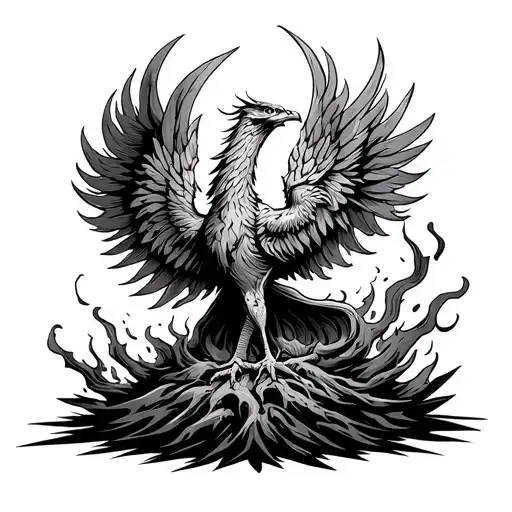
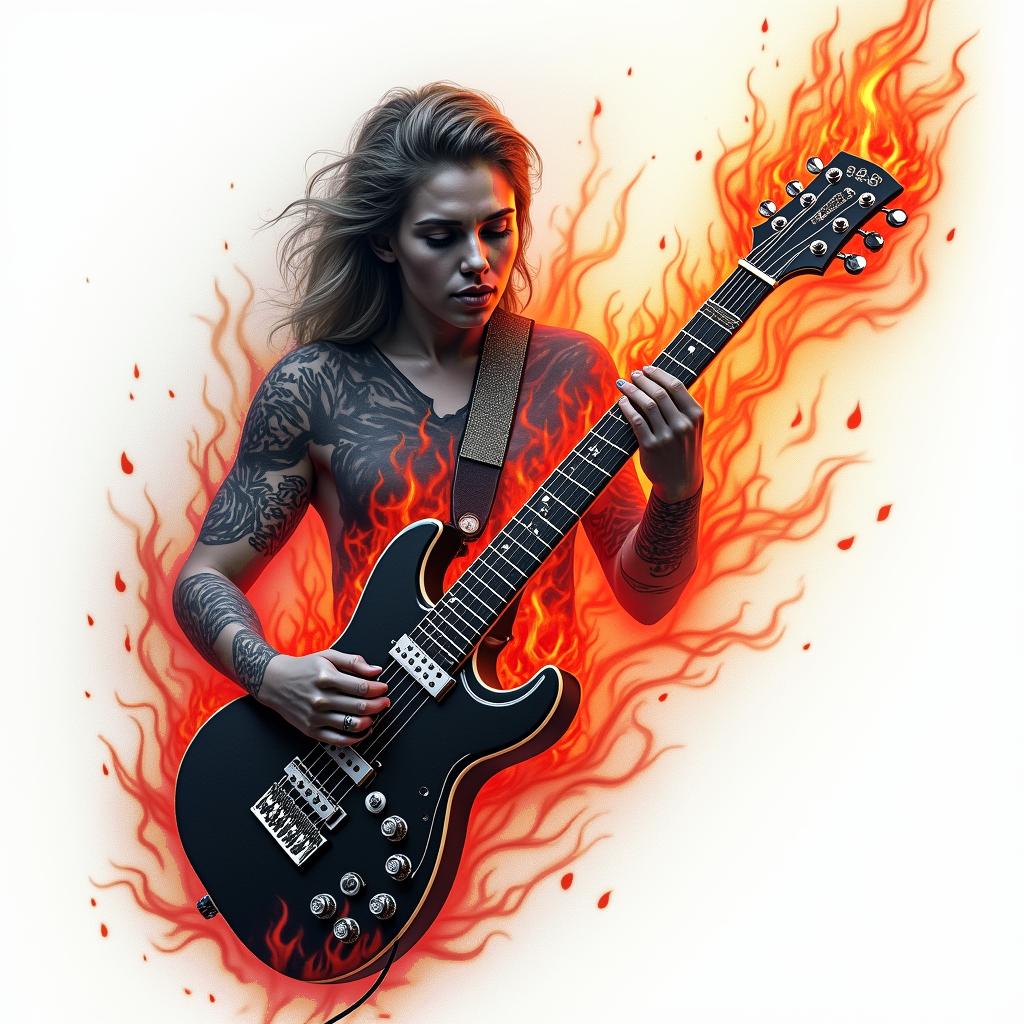
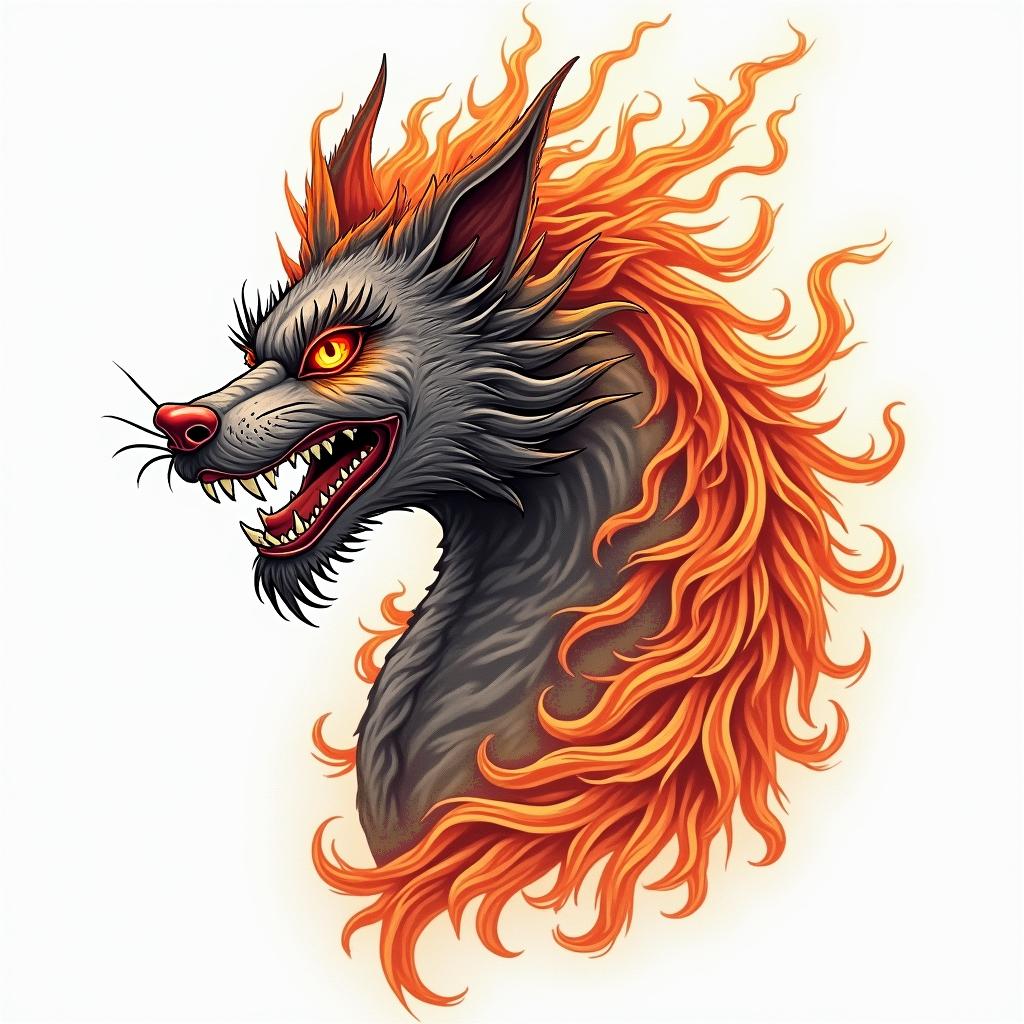
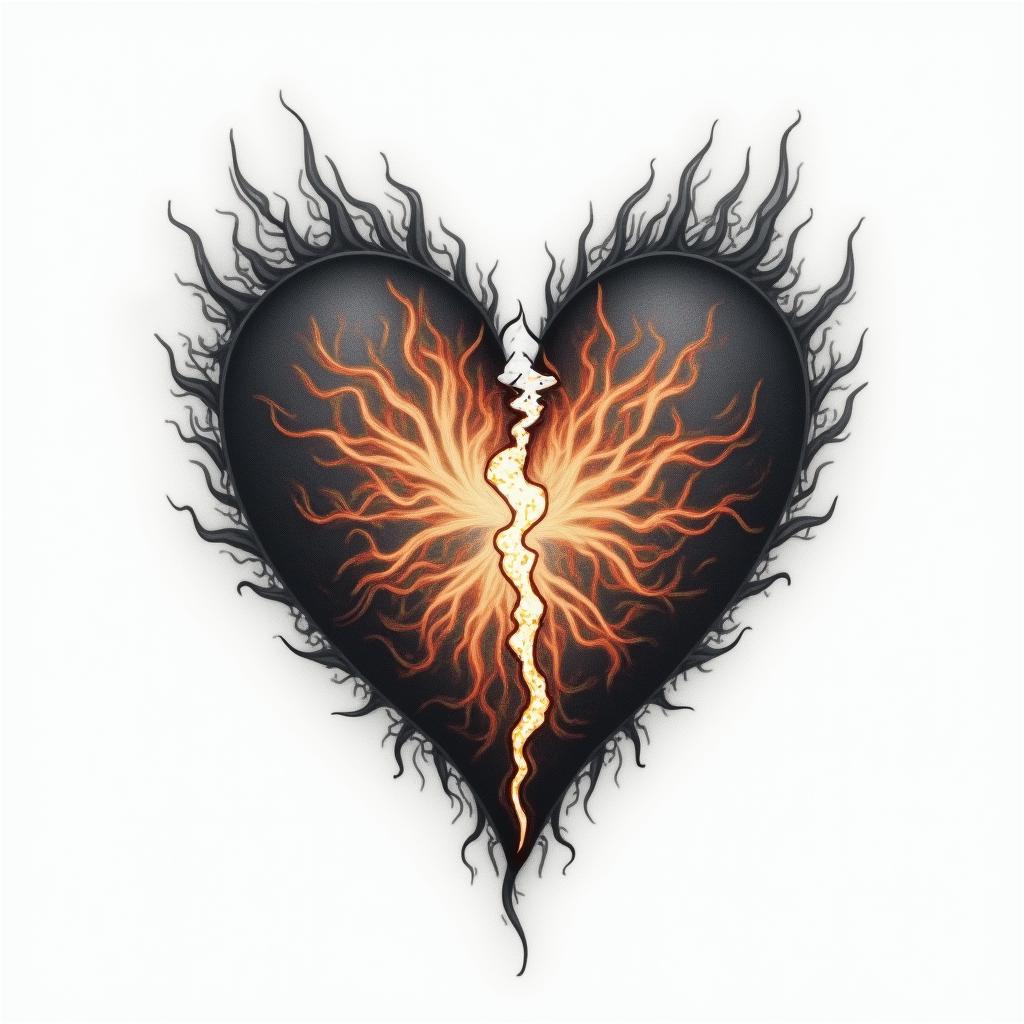
A flame design tattoo features fire as the primary visual element, ranging from bold traditional flames to realistic fire rendering. Flame tattoos draw from several traditions: Japanese irezumi uses stylized fire (kaen) as background filler in large-scale work, American traditional incorporates flames around hearts and skulls, and hot rod culture made pinstriped flames iconic. Placement matters because flames look best following the body's natural lines. Arms, legs, and torsos allow the fire to flow with muscle and bone structure. Color is the default choice for flame work, but black and grey versions create a subtler, smoldering effect. Most flame tattoos use gradient shading, moving from bright yellow or white at the core through orange to deep red or black at the edges.

Dotwork
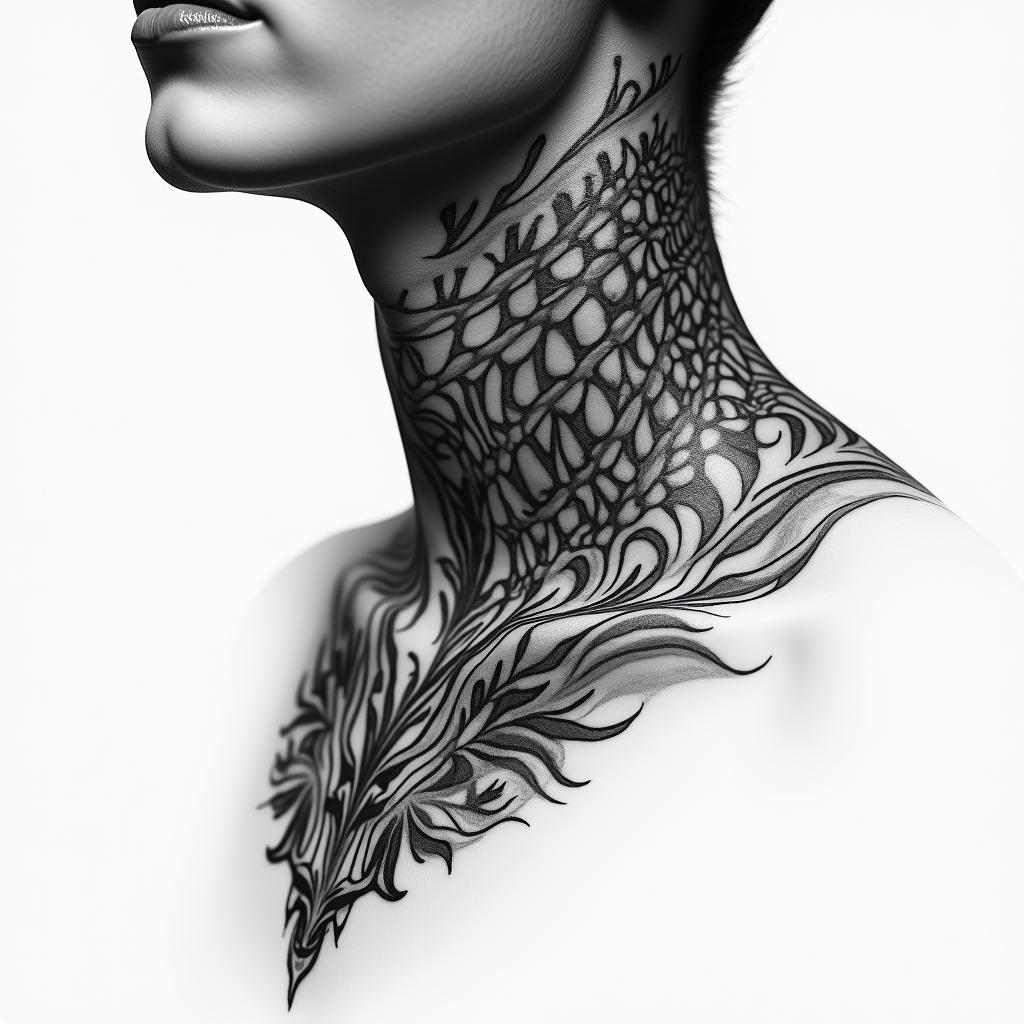
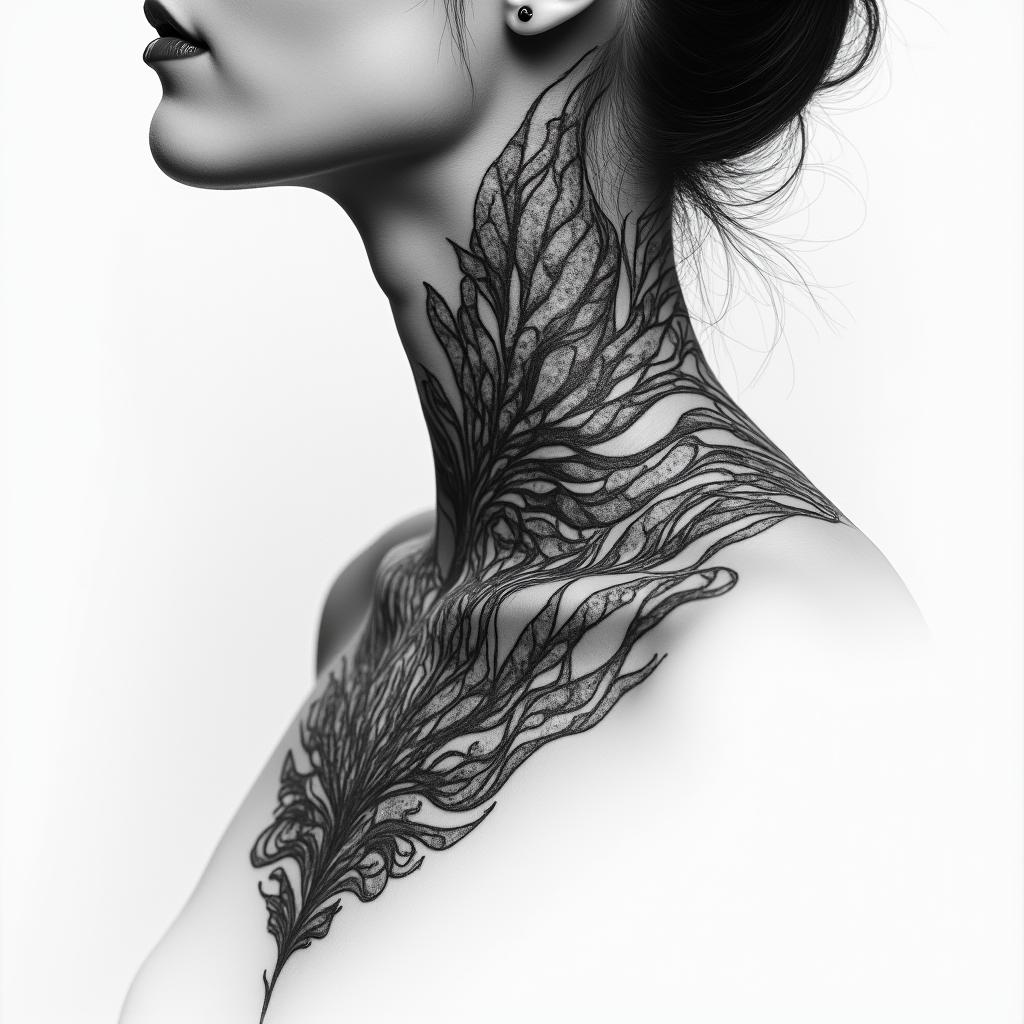
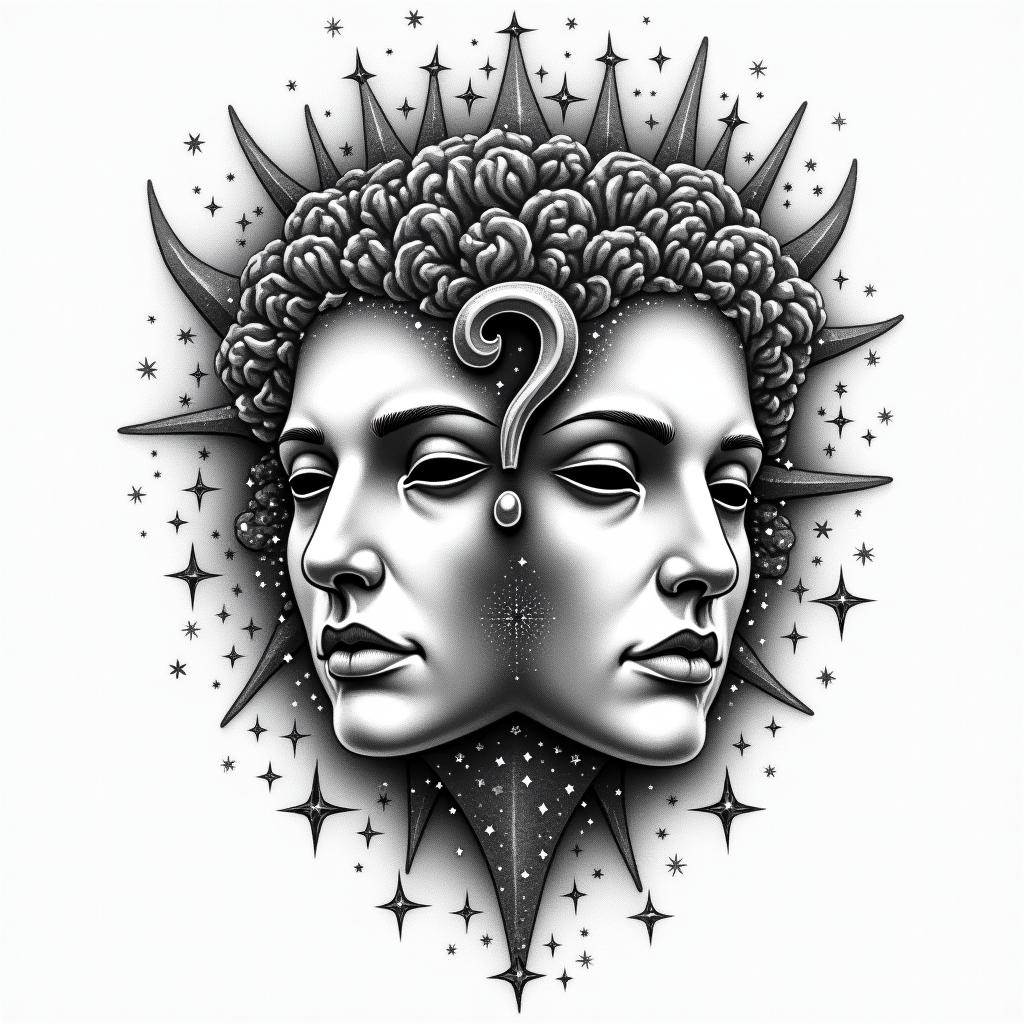
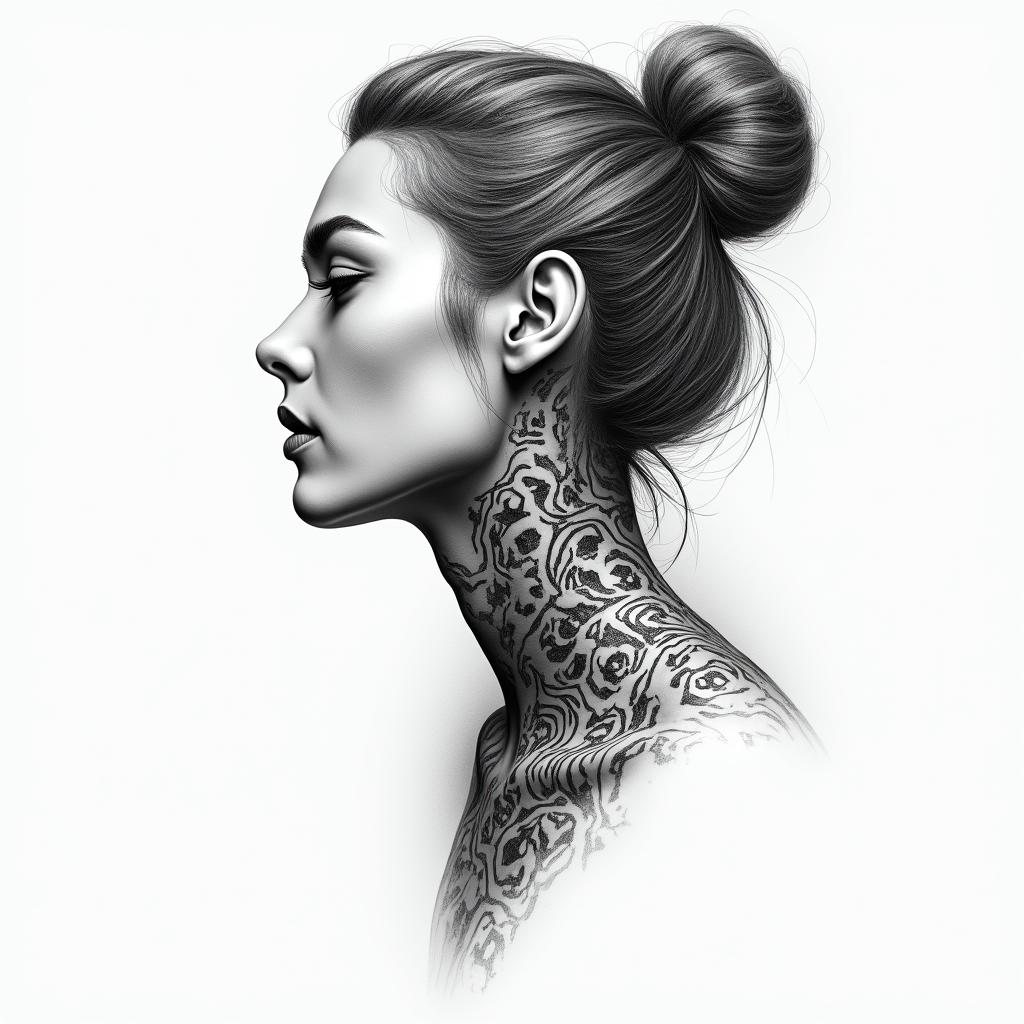
Dotwork is a tattoo style built entirely from dots. Instead of lines or shading, the artist uses a stippling technique, placing thousands of individual needle punctures at varying densities to create images, gradients, and textures. The result looks similar to pointillism in fine art. Darker areas pack dots tightly together. Lighter areas space them out. This gives dotwork its signature soft, almost ethereal quality that line-based tattoos can't replicate. Common subjects include mandalas, sacred geometry, botanical illustrations, and portraits. Dotwork pairs naturally with geometric styles but also works for organic, flowing designs. Healing tends to be straightforward since the punctures are small, but large pieces require significant time. If you want a dotwork tattoo, seek artists with specific stippling experience. Not every tattooist has the patience or hand control this style demands.

Animal
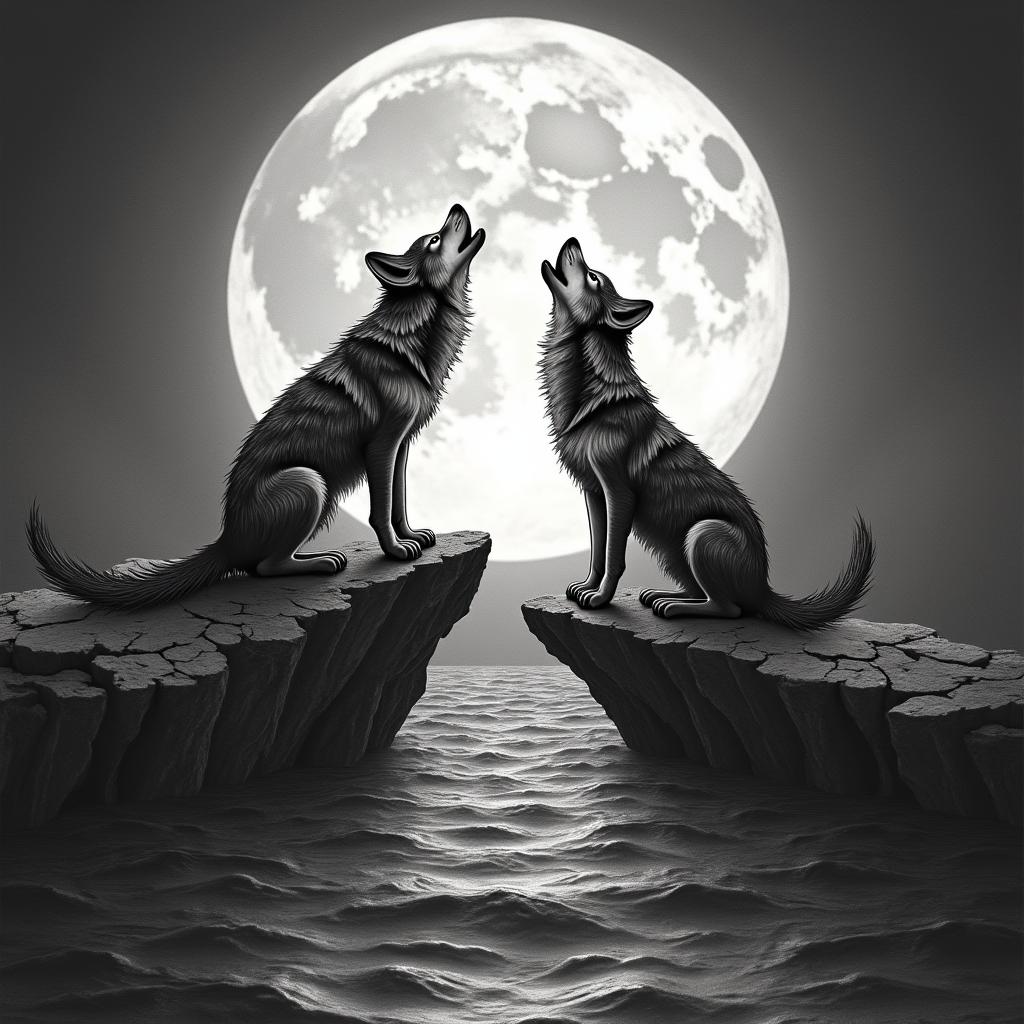
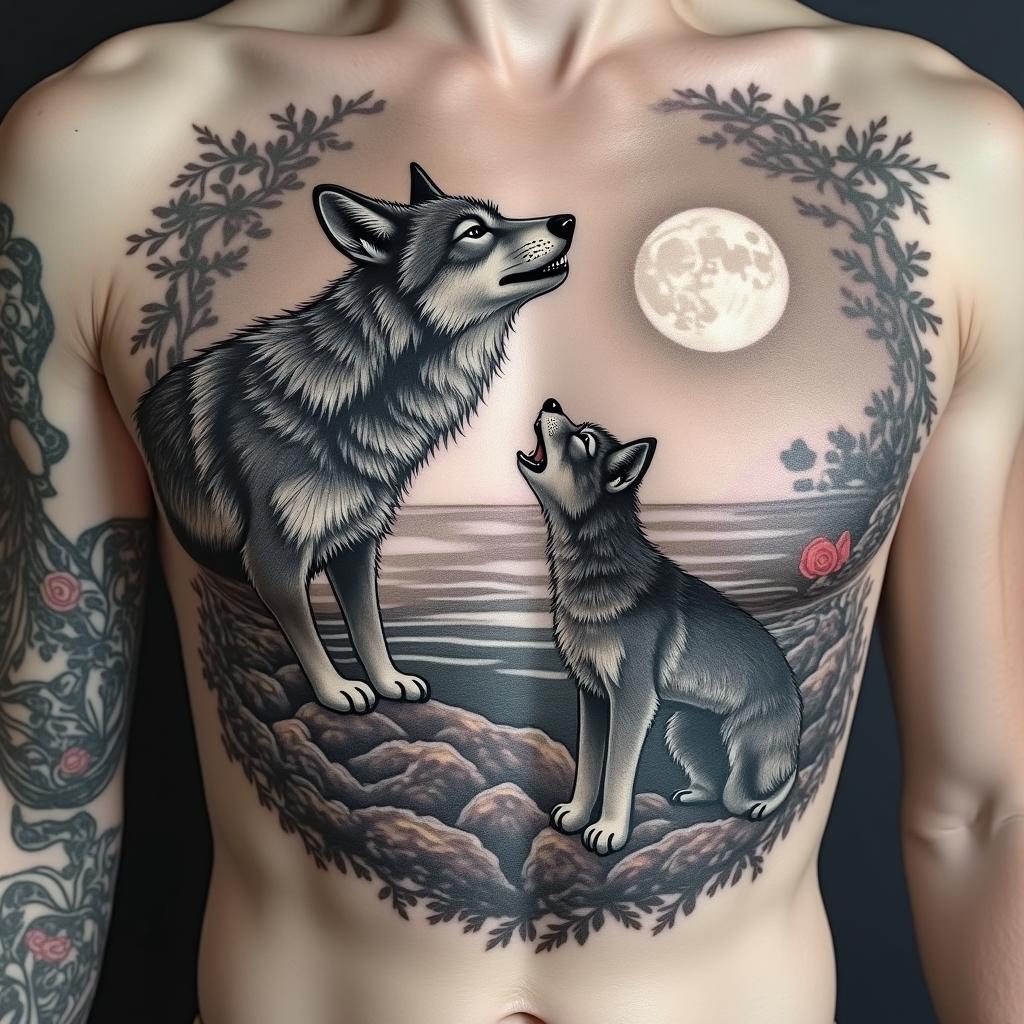
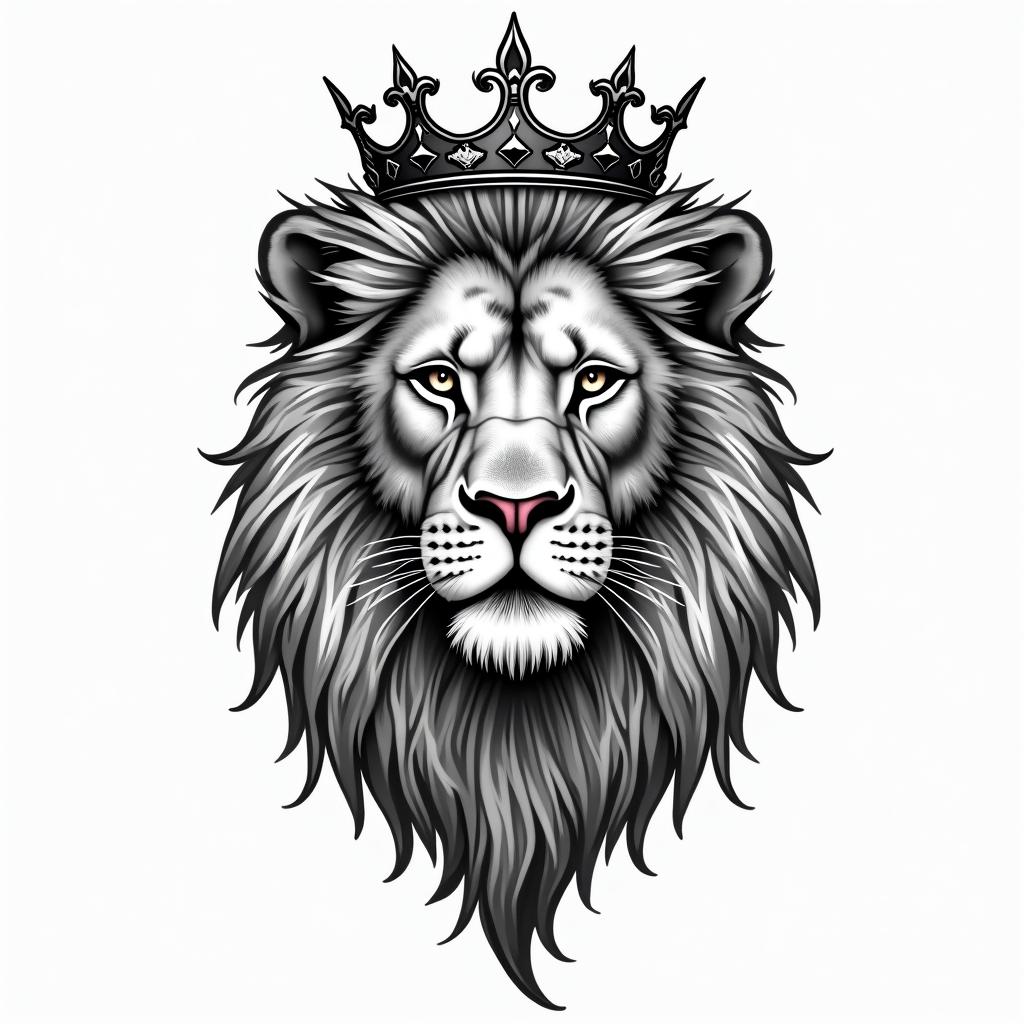
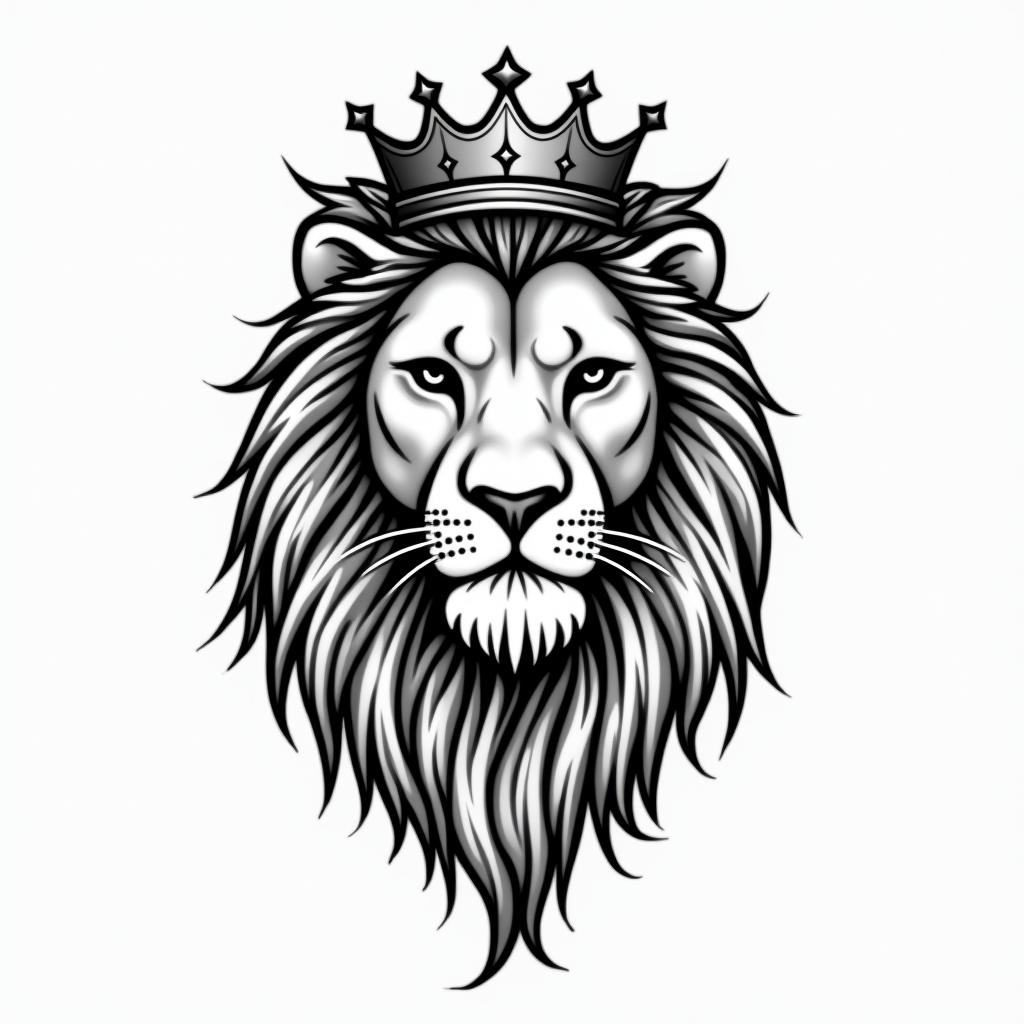
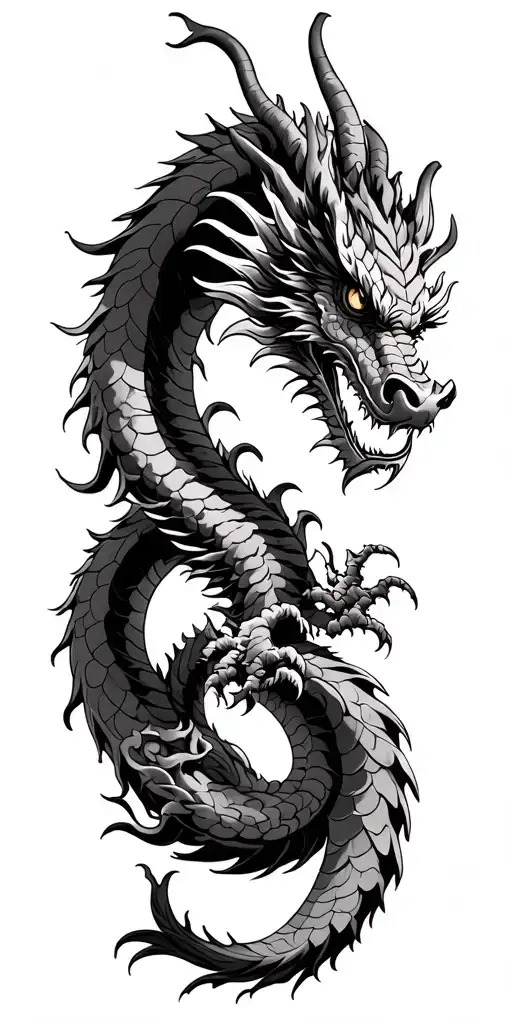
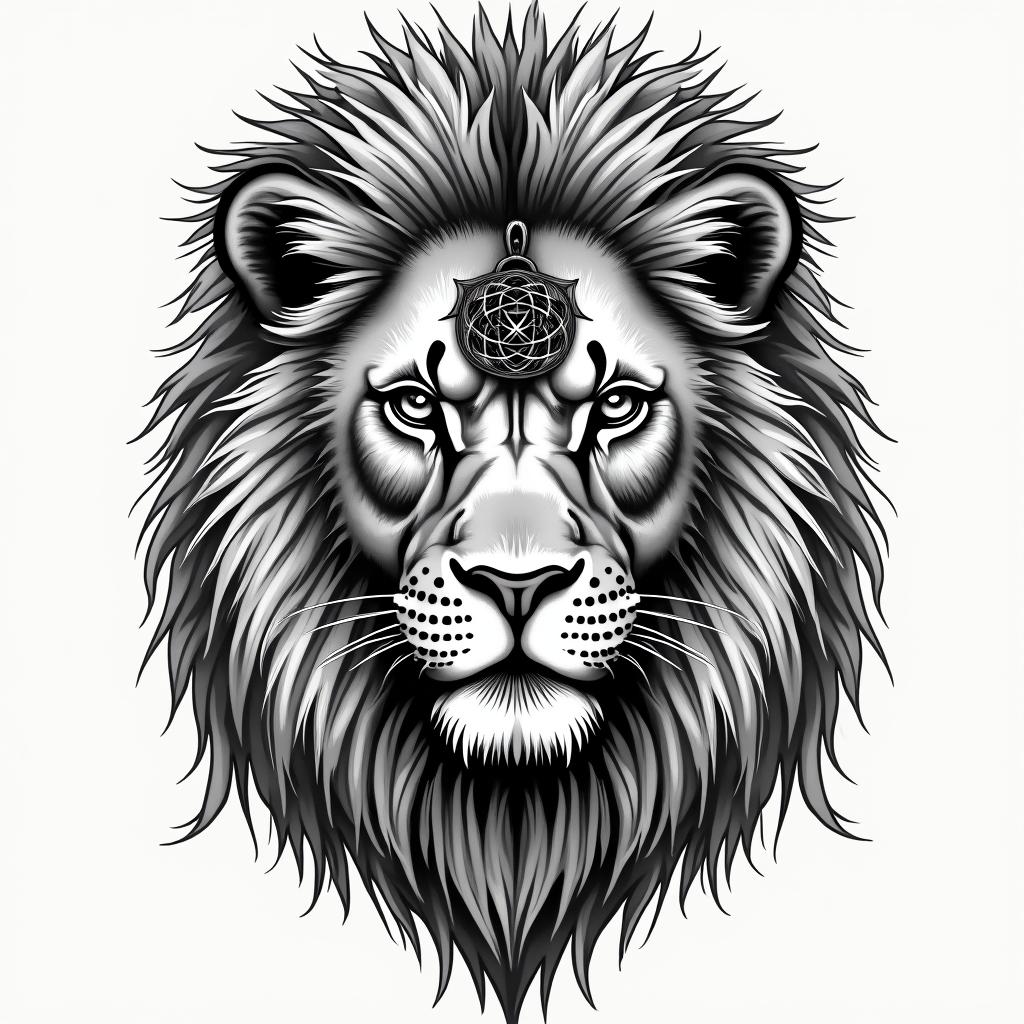
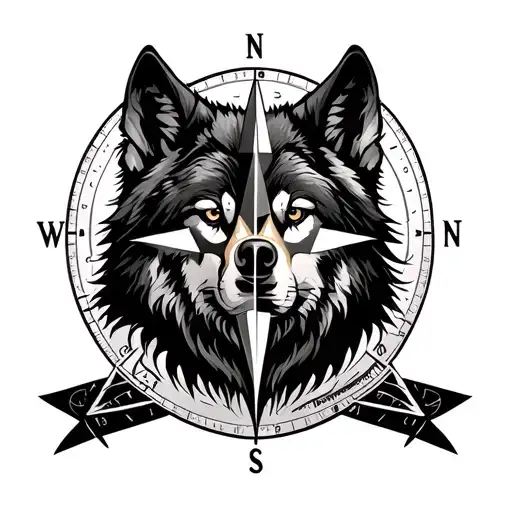
An animal tattoo features any animal as the central subject, from lions and wolves to snakes and butterflies. The style is defined by subject matter rather than technique, meaning an animal tattoo can be rendered in realism, traditional, geometric, or any other visual approach. Popular animals include lions (courage), wolves (loyalty), eagles (freedom), snakes (transformation), and koi fish (perseverance). Placement depends on size and detail: large realistic pieces need the back or chest, while small minimalist designs fit wrists and ankles. Browse 116+ animal tattoo ideas on Inksy, or use the AI tattoo generator to create a custom design.
New School
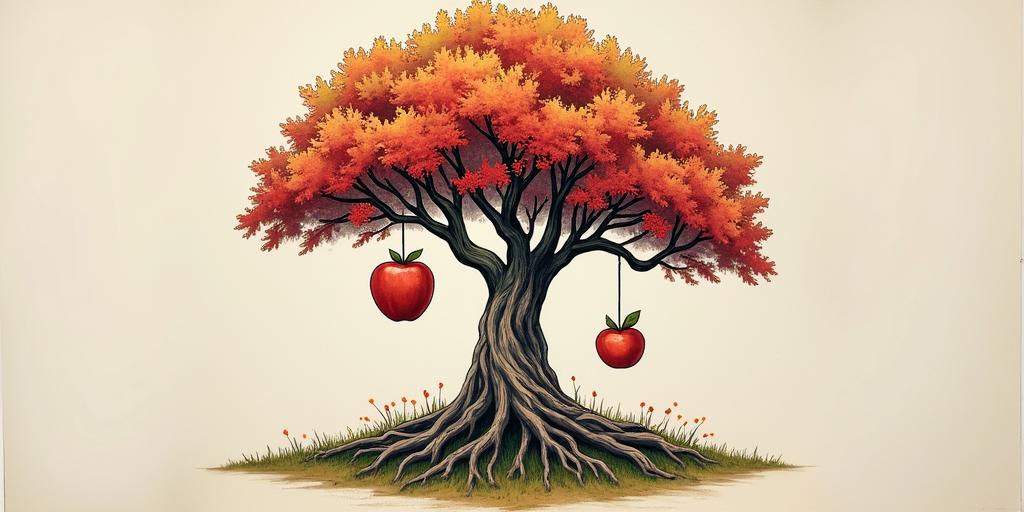
New School tattoos are a bold, cartoon-inspired style that emerged in the late 1980s. They feature thick black outlines, saturated colors, exaggerated proportions, and playful subjects like graffiti-style characters and pop culture mashups. Unlike Old School (traditional American) tattoos, New School breaks rules with warped perspectives and vibrant shading. The style draws from hip-hop culture, street art, and animation. Popular placements include arms and legs where the bold designs have room to breathe. Choosing an artist with proven New School experience matters because the style demands strong color packing and confident line work.


Dark Art
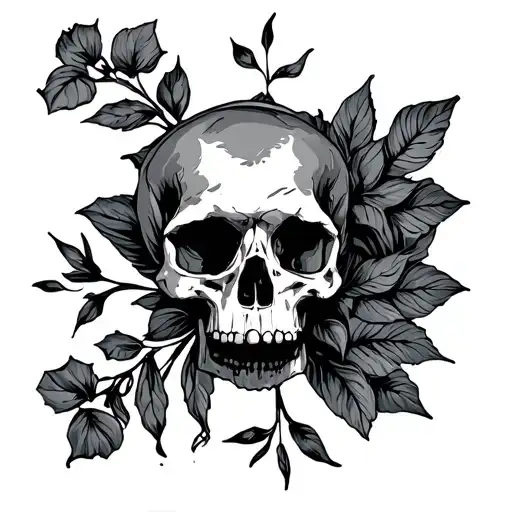
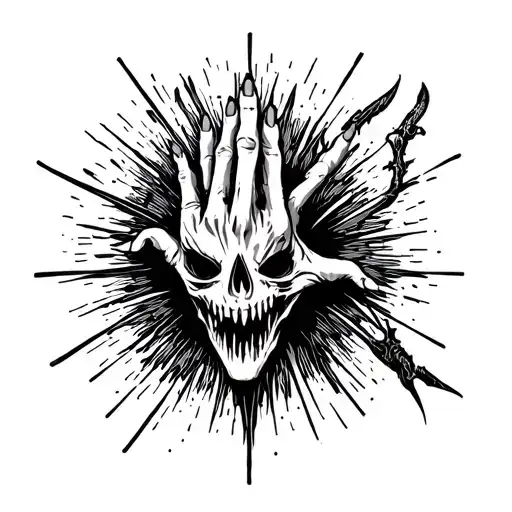
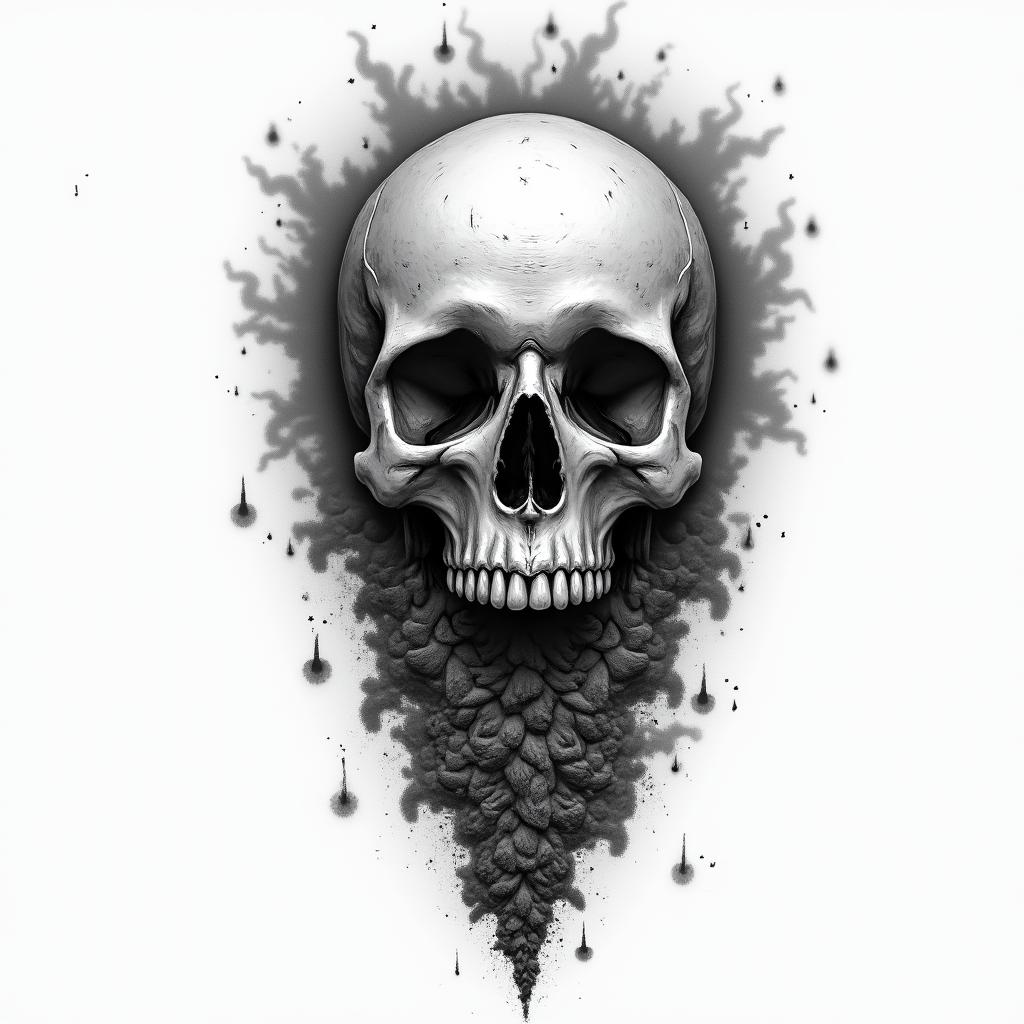
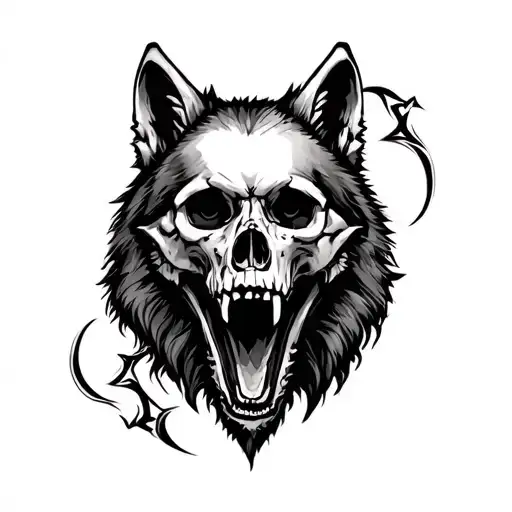
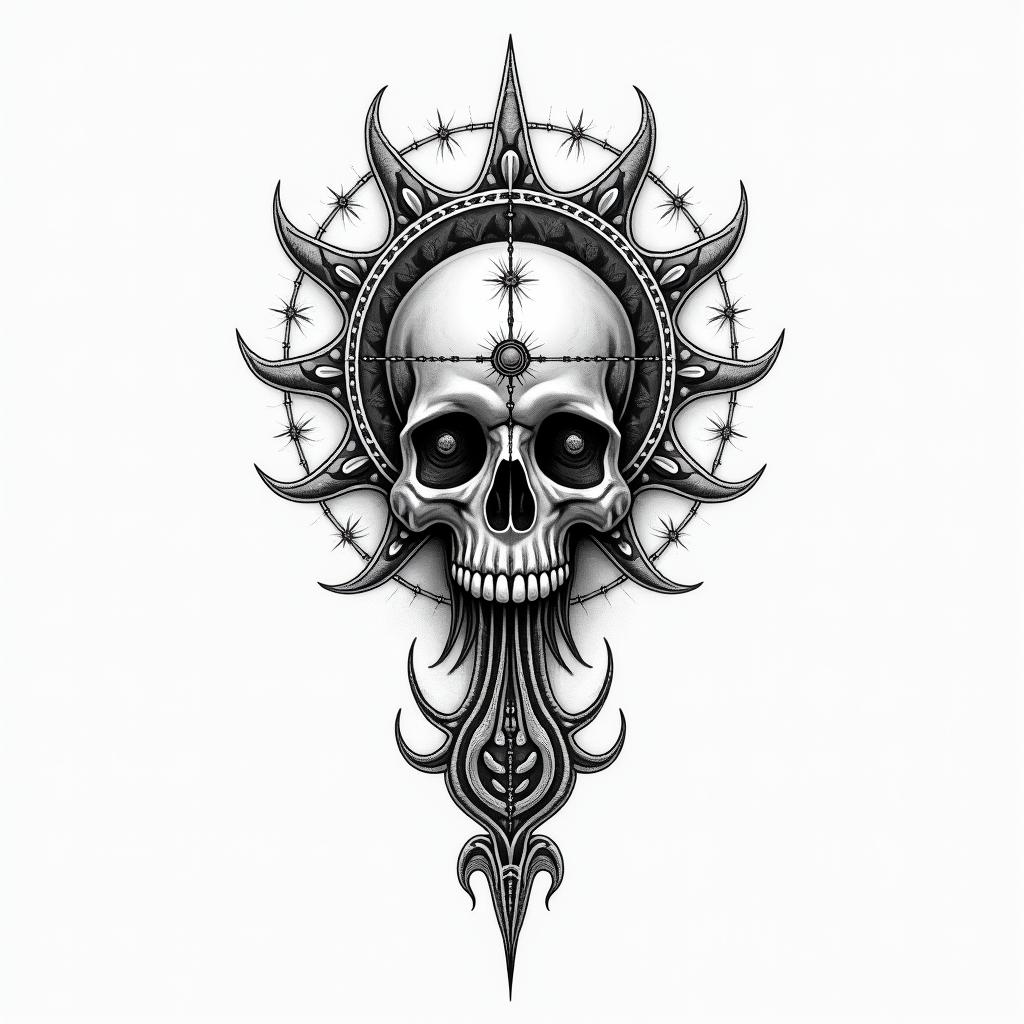
Dark art tattoos focus on macabre, gothic, and occult imagery using heavy black ink, contrast, and detailed shading. The style draws from gothic art, Romanticism, and Symbolist traditions, creating atmosphere rather than shock. Common motifs include skulls, ravens, occult symbols, crumbling architecture, and shadowed portraits. Dark art differs from horror tattoos by emphasizing mood and symbolism over gore. The style works best at medium to large sizes where contrast and fine detail can hold up over time.


Fine Line


Neo-Traditional
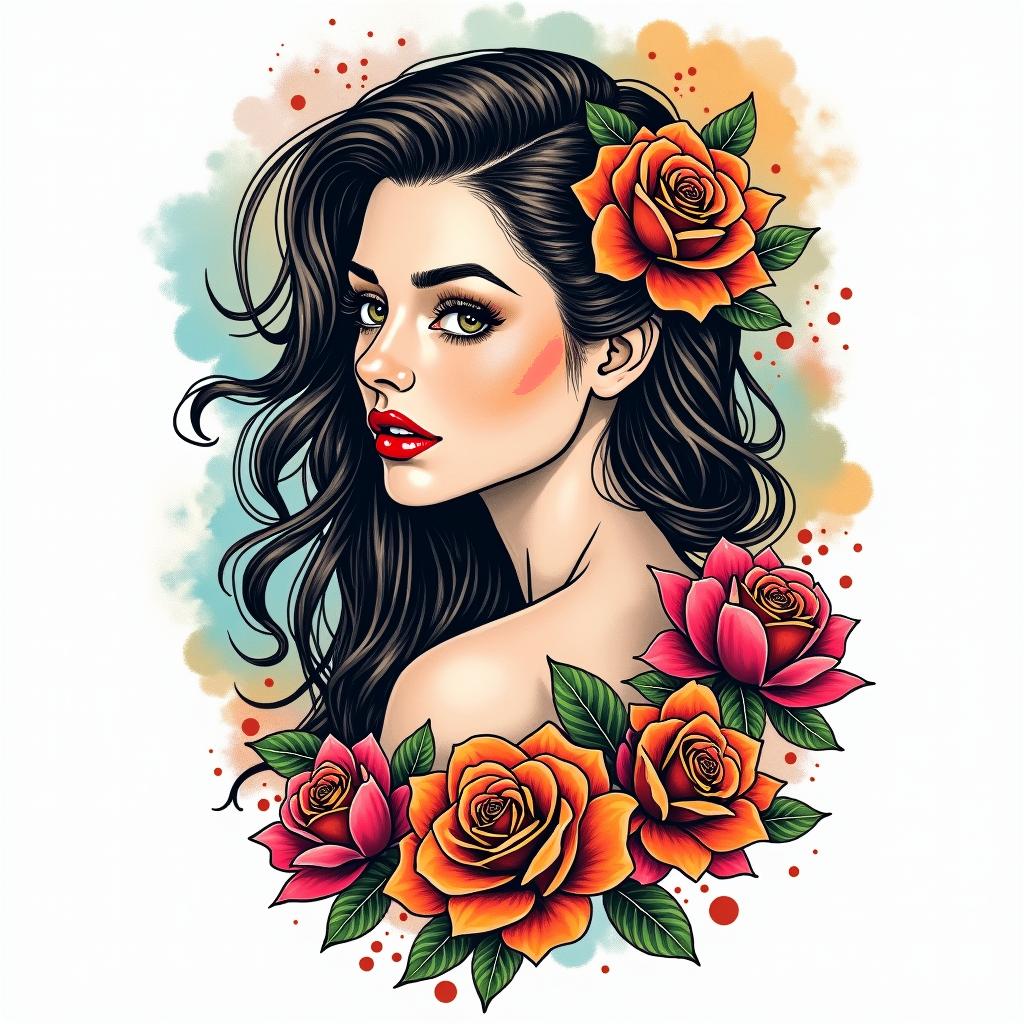
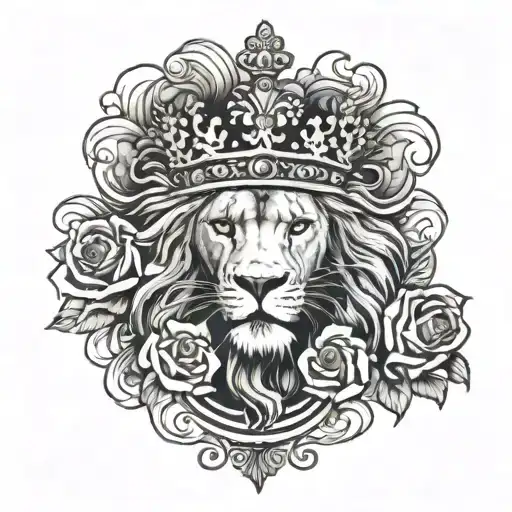
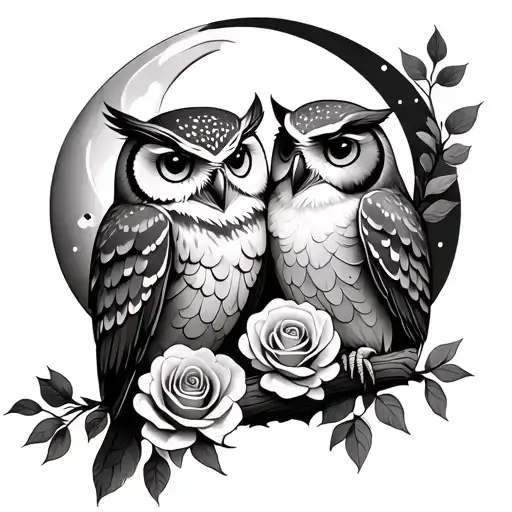
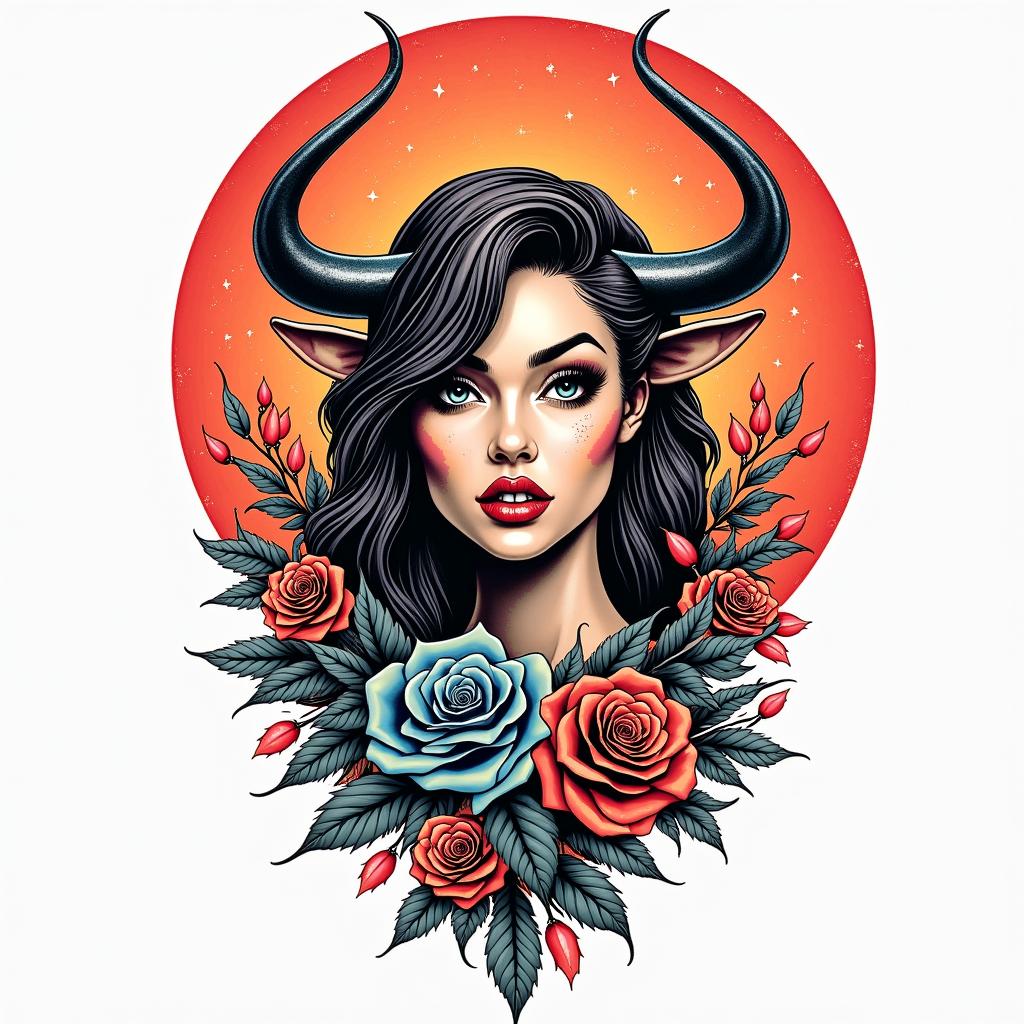
A neo-traditional tattoo is a style that builds on classic American traditional tattooing with bolder color palettes, more detailed shading, and decorative elements like filigree and ornamental frames. It keeps the strong black outlines of old school tattoos but adds depth through gradients, varied line weights, and a wider range of colors. Common motifs include roses, animal portraits, women's faces, clocks, and nature scenes, all rendered with more dimension than traditional work.

Horror
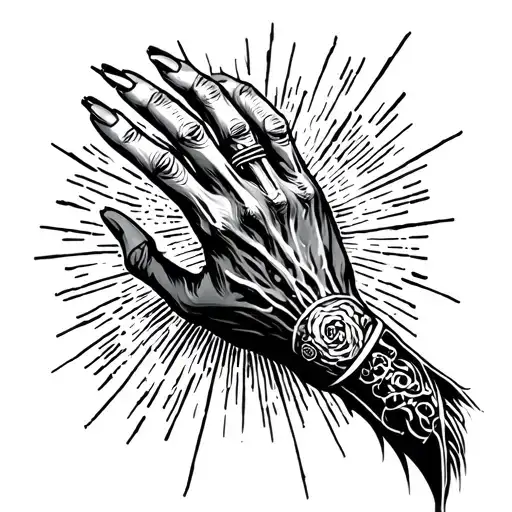
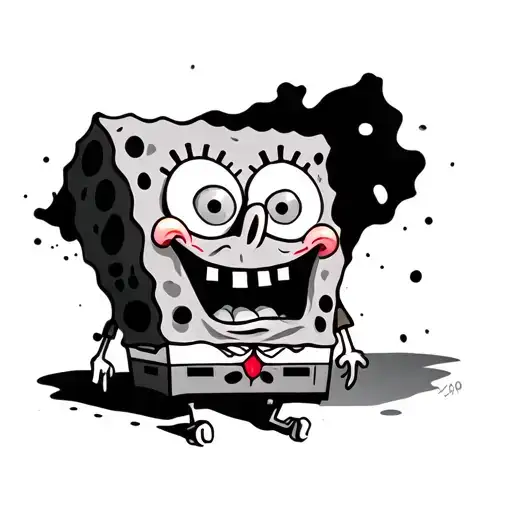
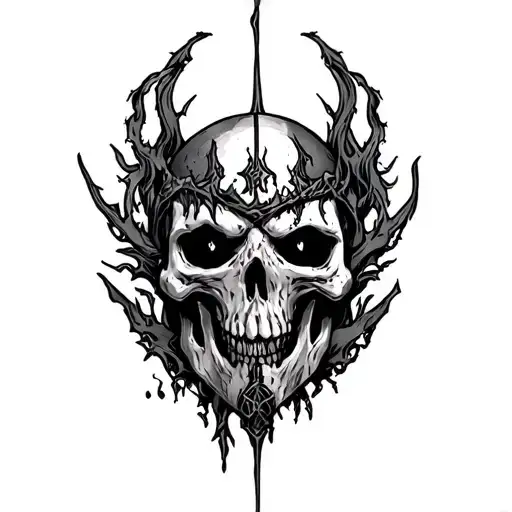
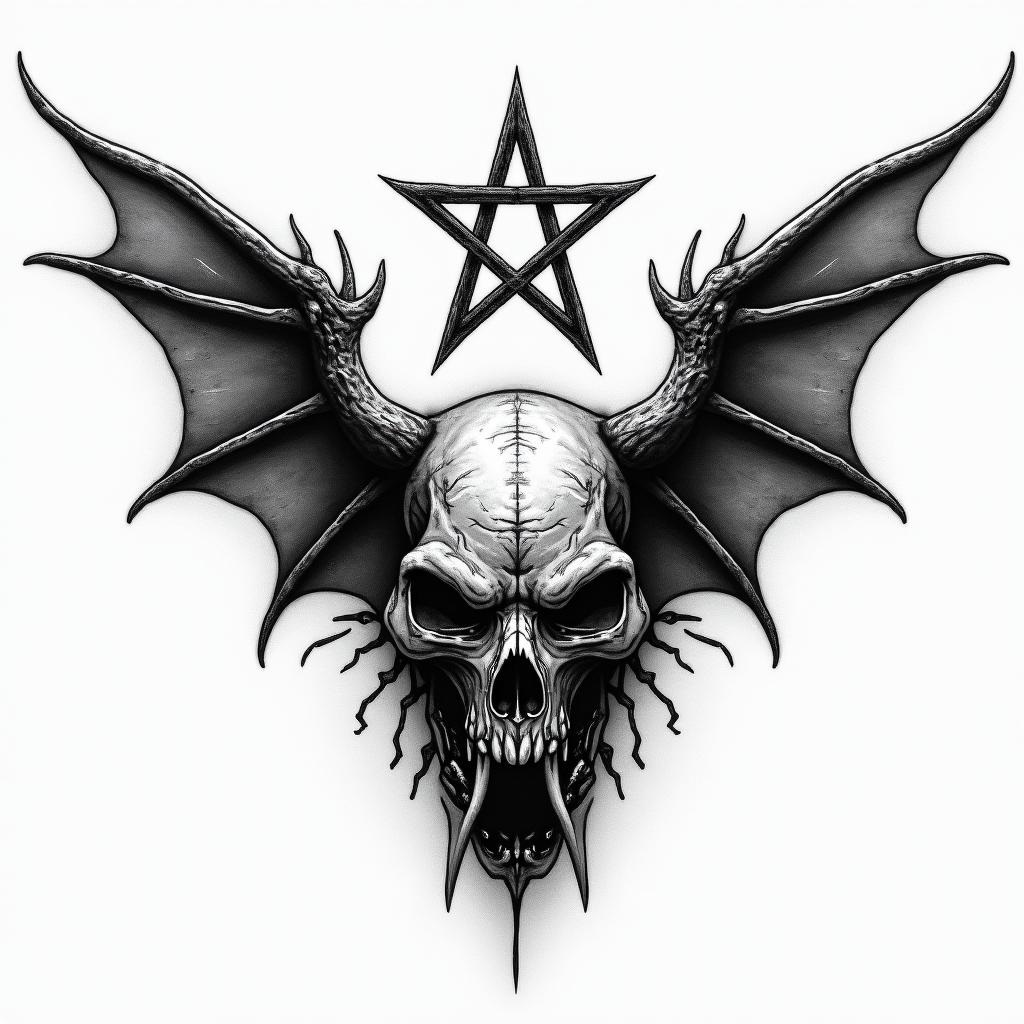
A horror tattoo draws from horror cinema, literature, and folklore to create designs rooted in fear, dread, and the macabre. The style is defined by heavy black ink, deep contrast, and atmospheric shading, often in black and grey realism. Popular subjects include classic movie monsters like Frankenstein and Dracula, slasher icons like Freddy Krueger and Michael Myers, literary references like H.P. Lovecraft's Cthulhu, and folklore figures like Japanese yokai or Mexican calaveras. Horror tattoos work best on larger canvases like sleeves and back pieces where artists can build environment and atmosphere, though smaller motifs like skulls, ravens, and ghosts also read well. Finding the right artist means looking for strong contrast work, cinematic lighting skills, and a genuine understanding of horror as a genre, not just dark imagery.
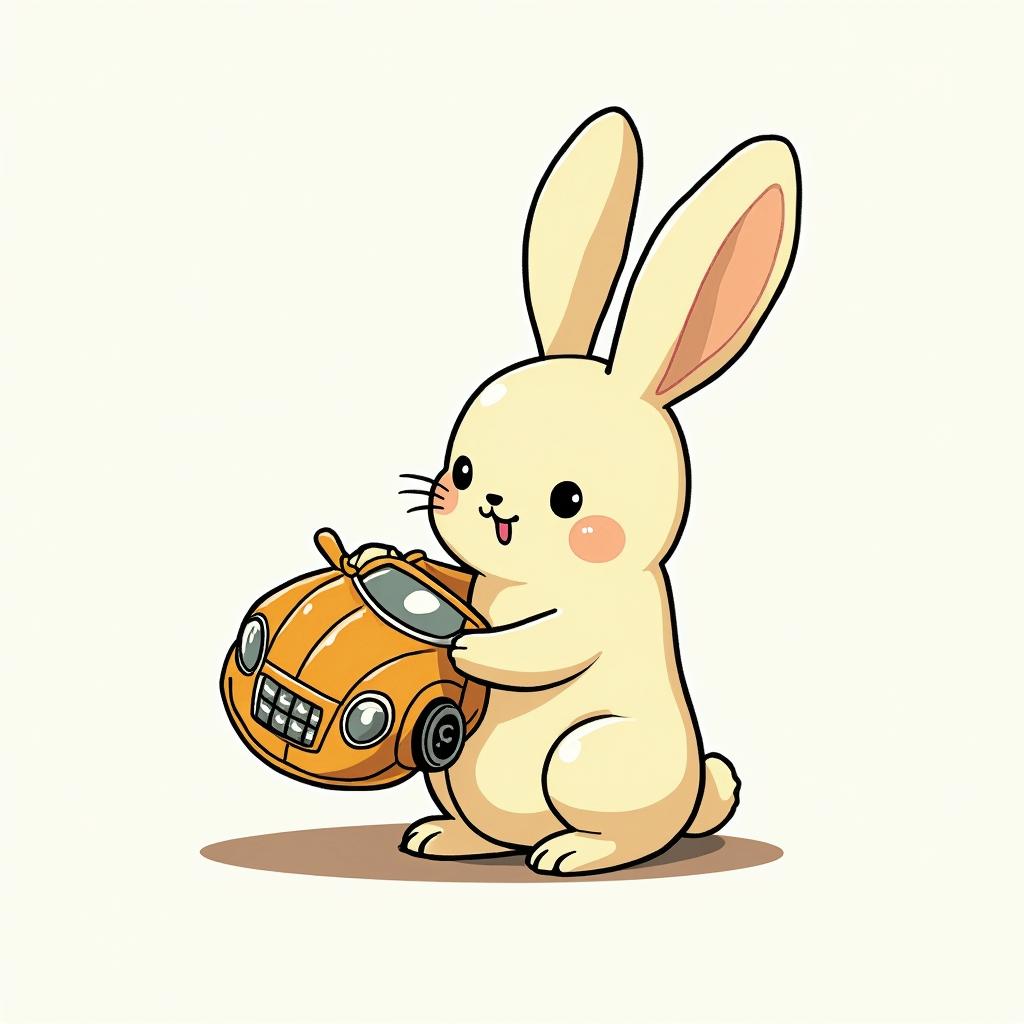
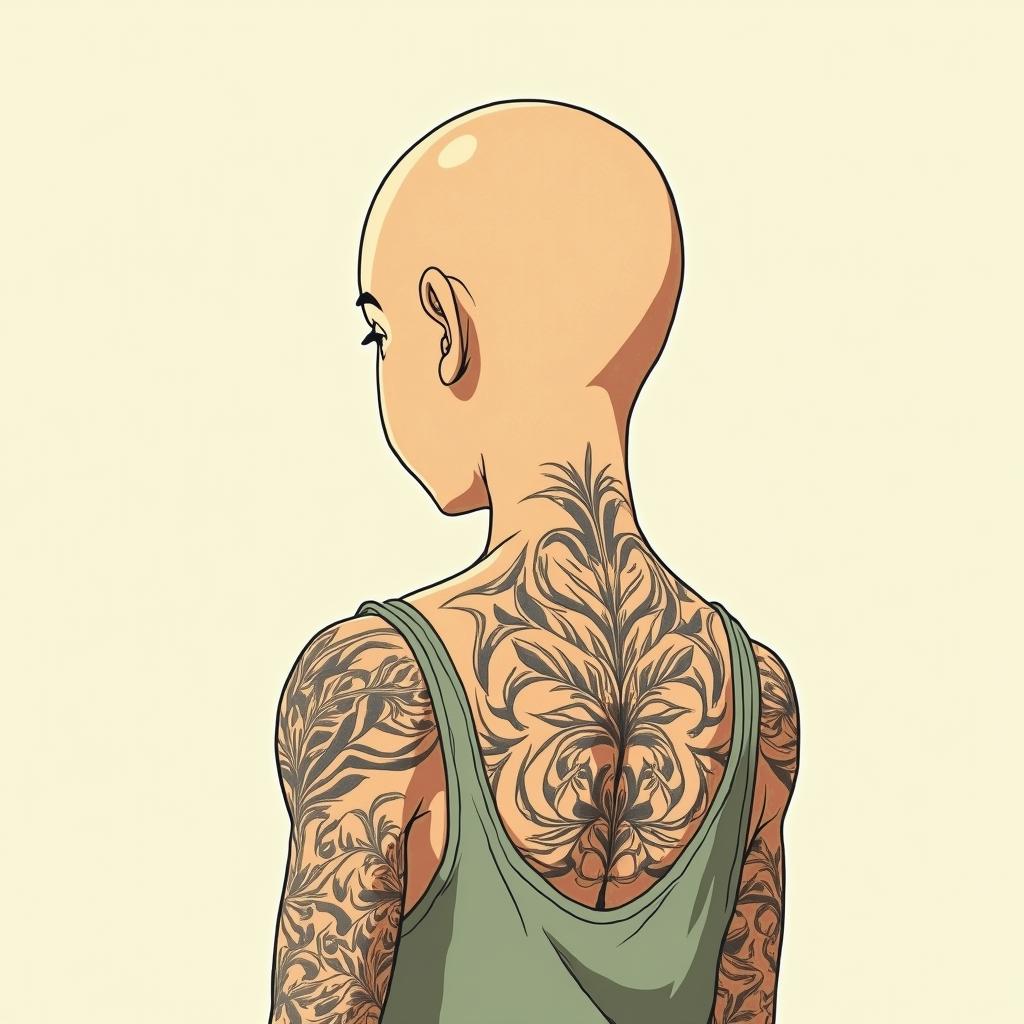

Ghibli
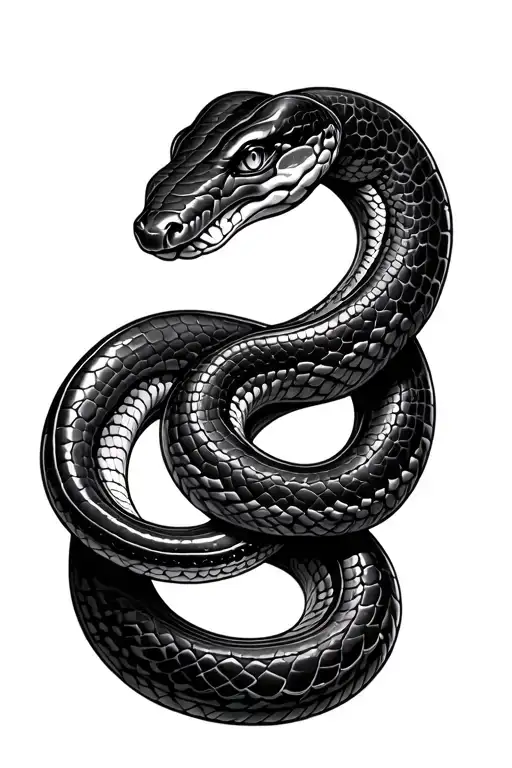

Minimalist
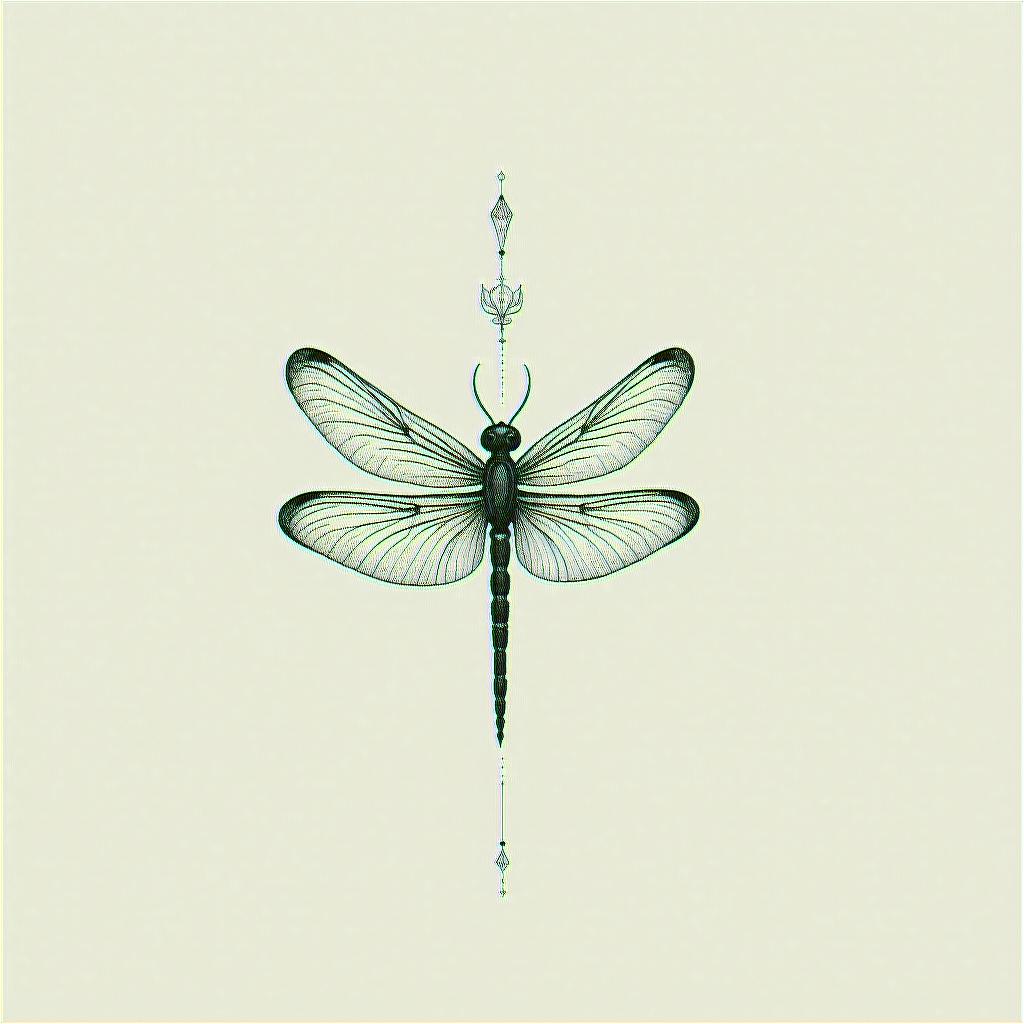
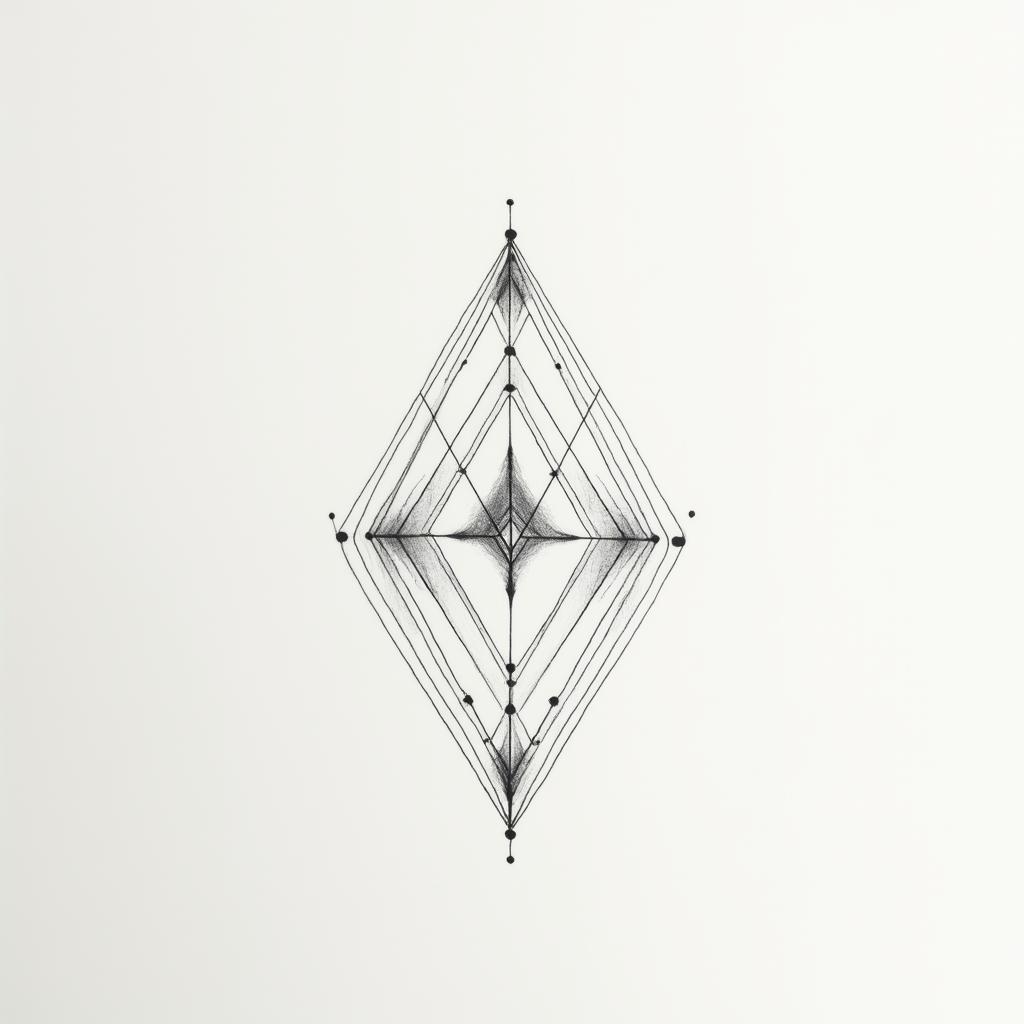
A minimalist tattoo uses the fewest possible lines to represent a subject, relying on negative space and precise linework rather than shading or color. Common motifs include cats, butterflies, flowers, moons, and constellations. The style emerged from fine art minimalism and gained popularity through social media in the 2010s. Minimalist tattoos typically cost between $50 and $150, falling near most shop minimums. They heal in 2 to 3 weeks on the surface but require the same aftercare as any tattoo. Because thin lines can fade or spread over time, choosing an experienced artist and protecting the tattoo from sun exposure is essential.
8-Bit
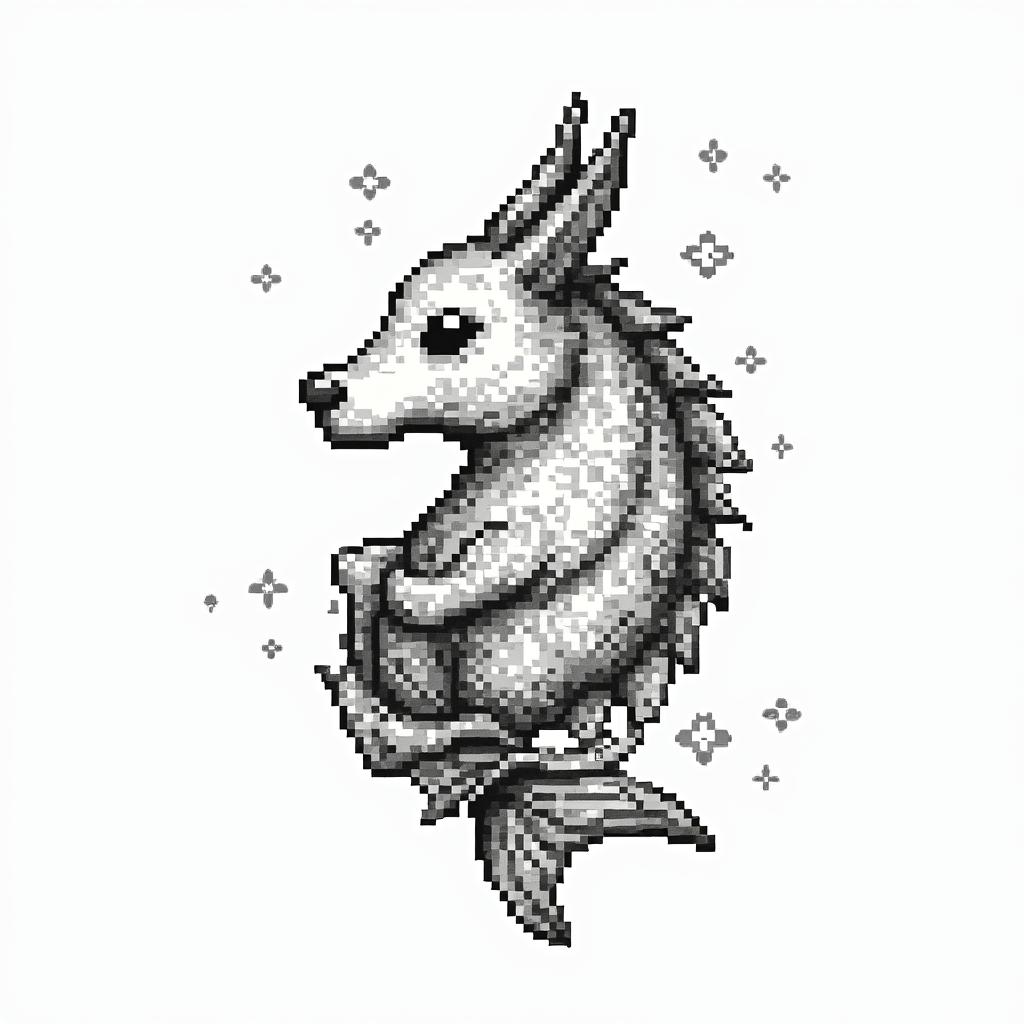
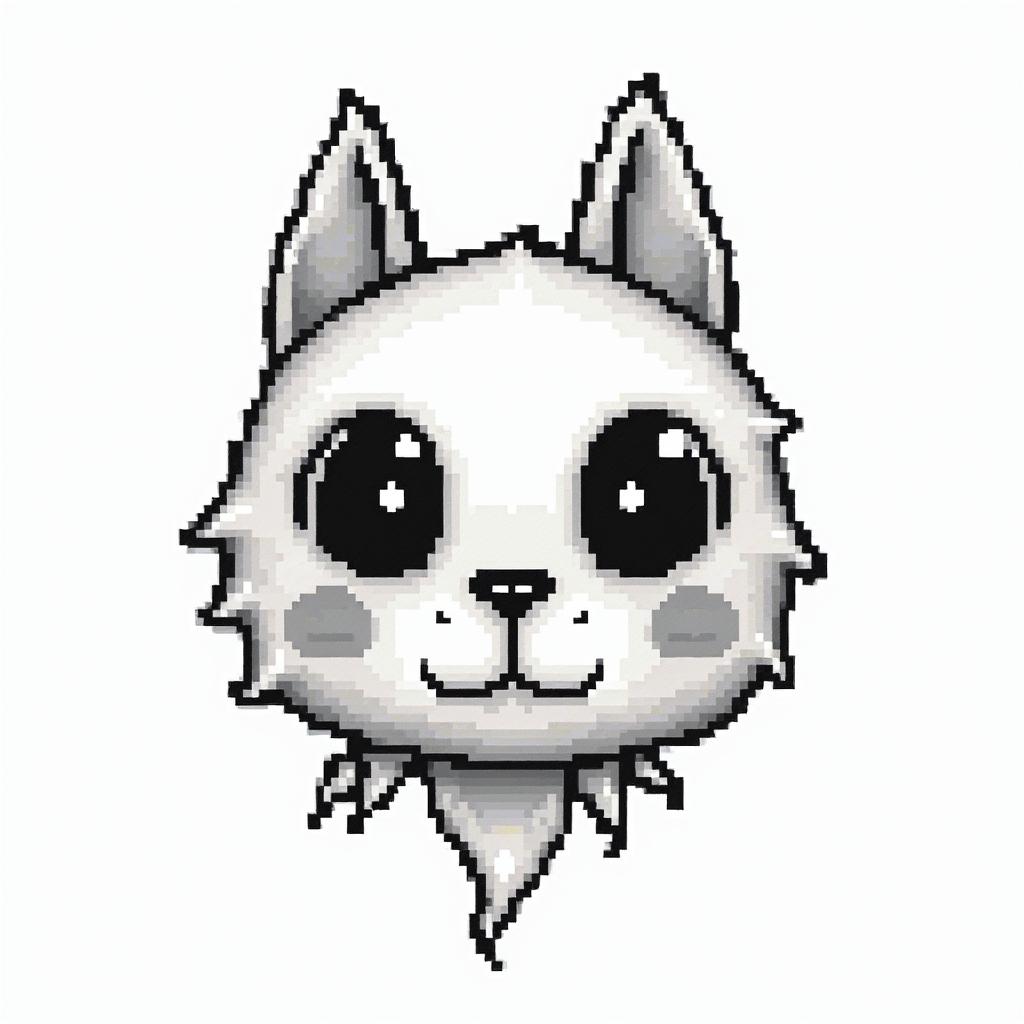
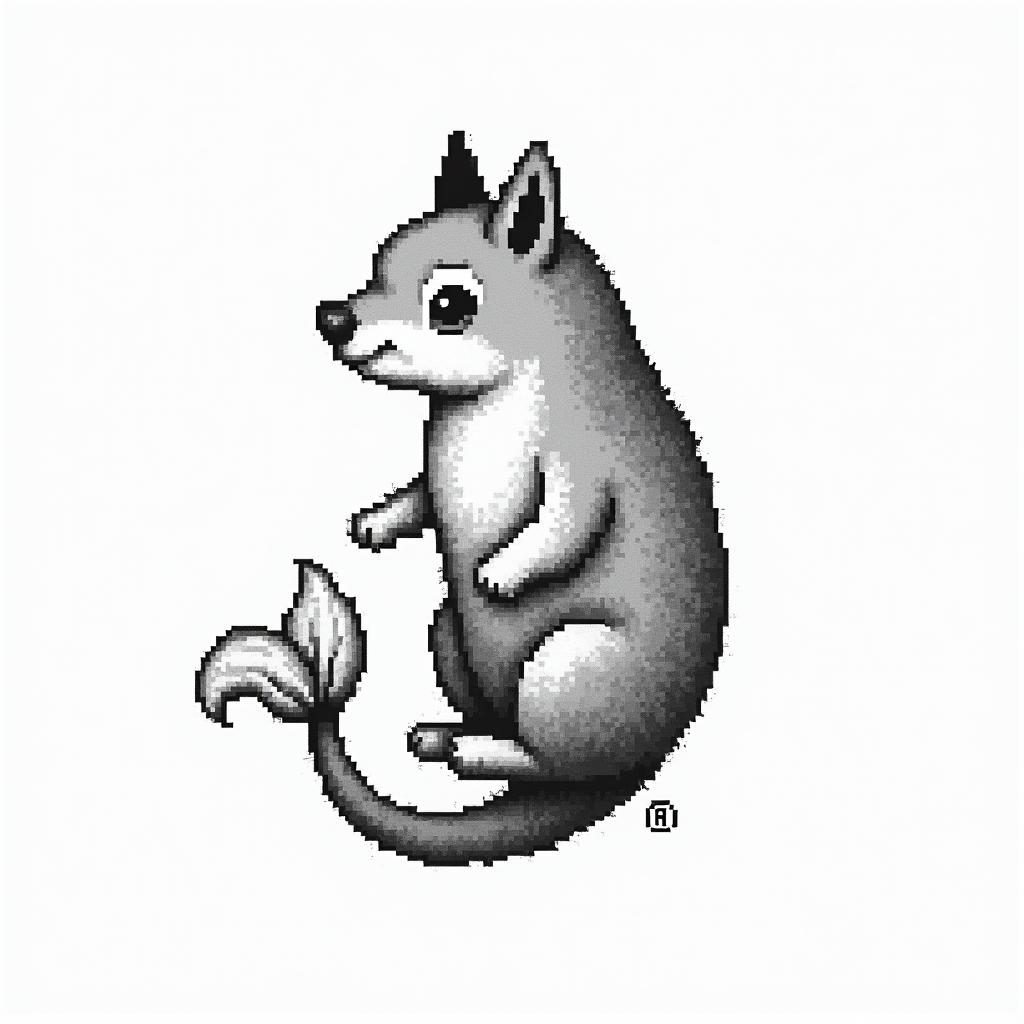
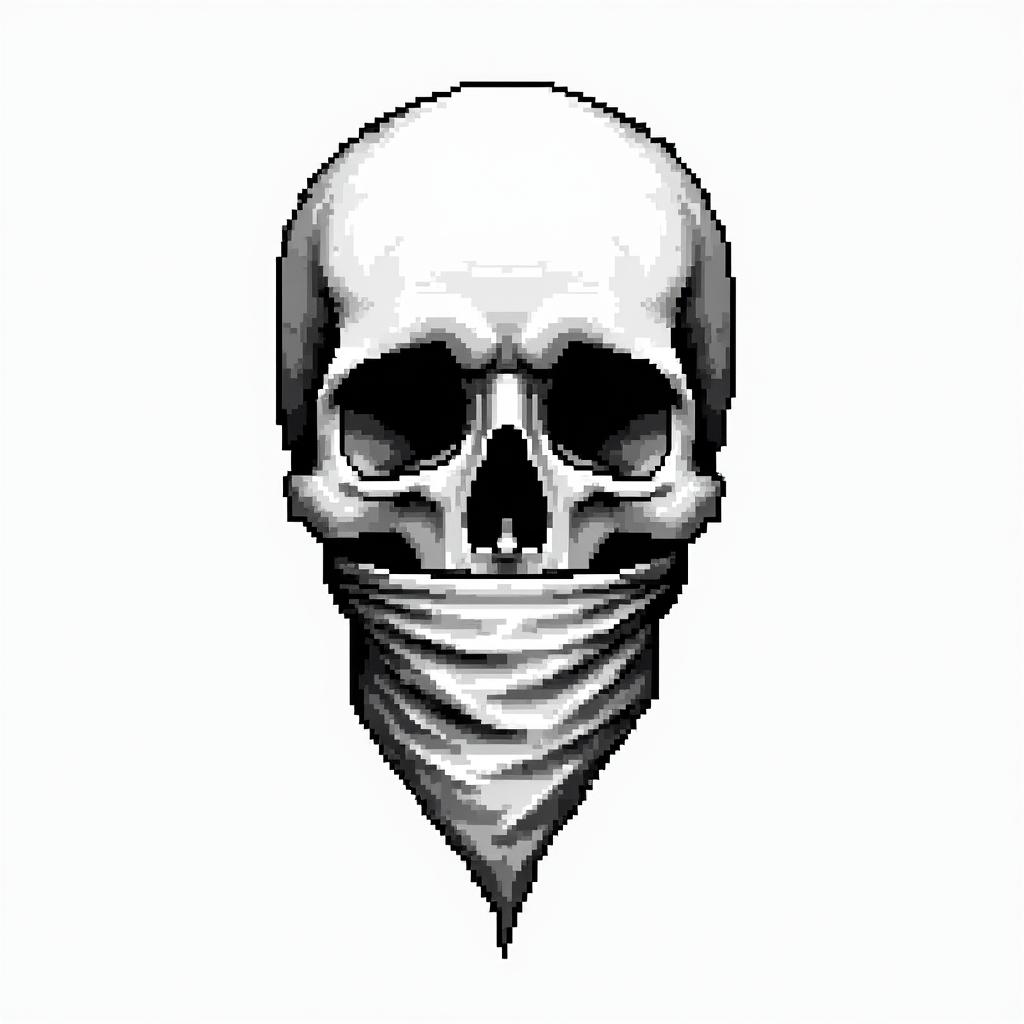
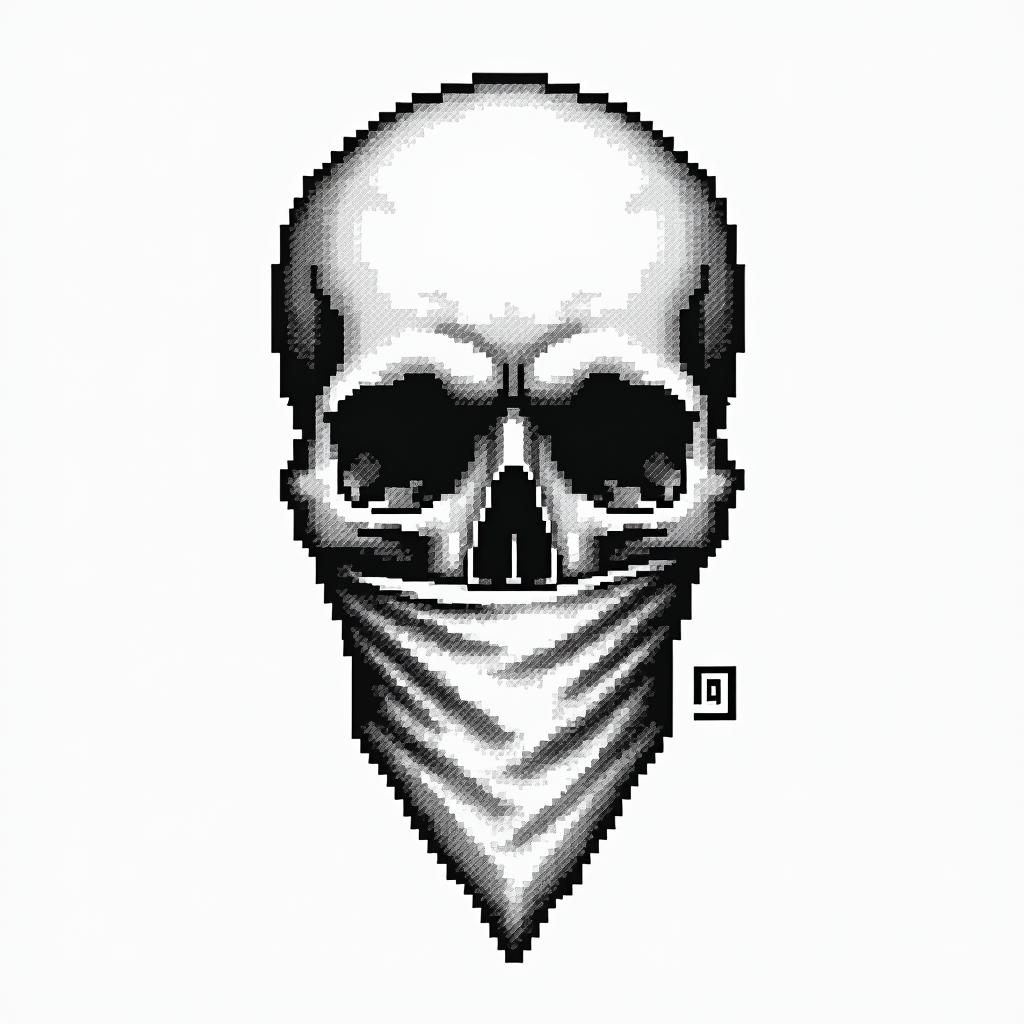
An 8-bit tattoo is a design built from a grid of small colored squares, mimicking the pixelated graphics of 1980s video games. Shapes are blocky, colors are flat and limited, and curves appear as stairstep edges. Popular subjects include classic game sprites, power-up items, and custom pixel art. The style holds up well over time because bold shapes resist blurring, though small single-pixel details may soften. Best placements include forearms, calves, and shoulders where flat skin keeps the grid readable. Each pixel should be at least 2mm wide to maintain clarity after healing.
Lettering
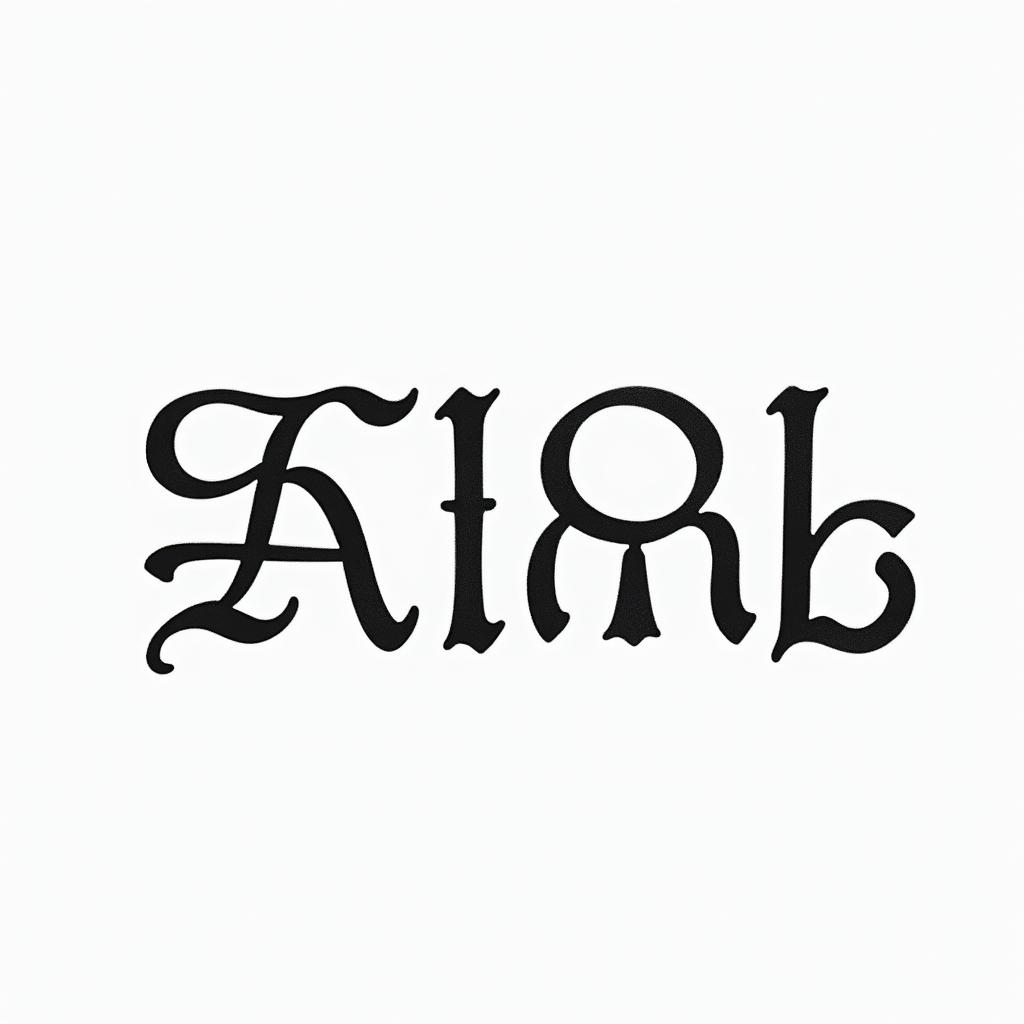
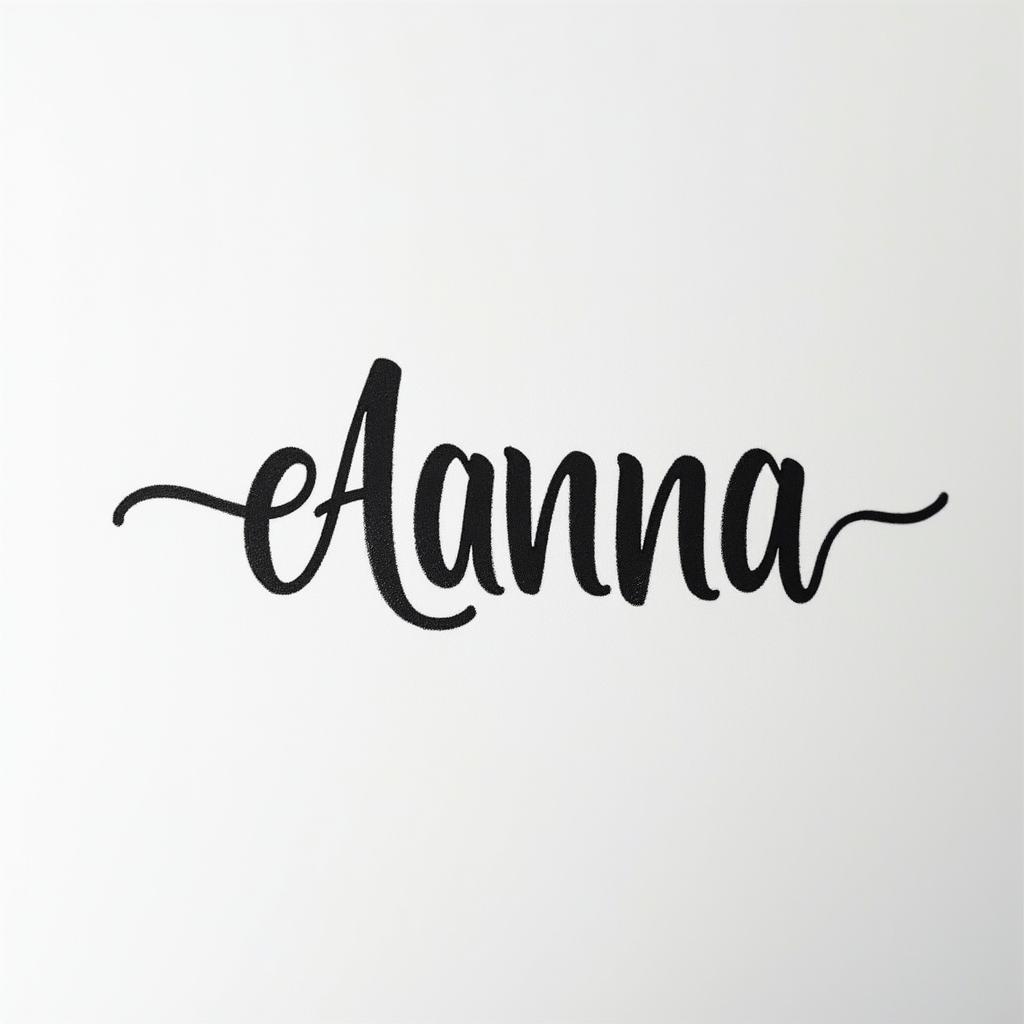
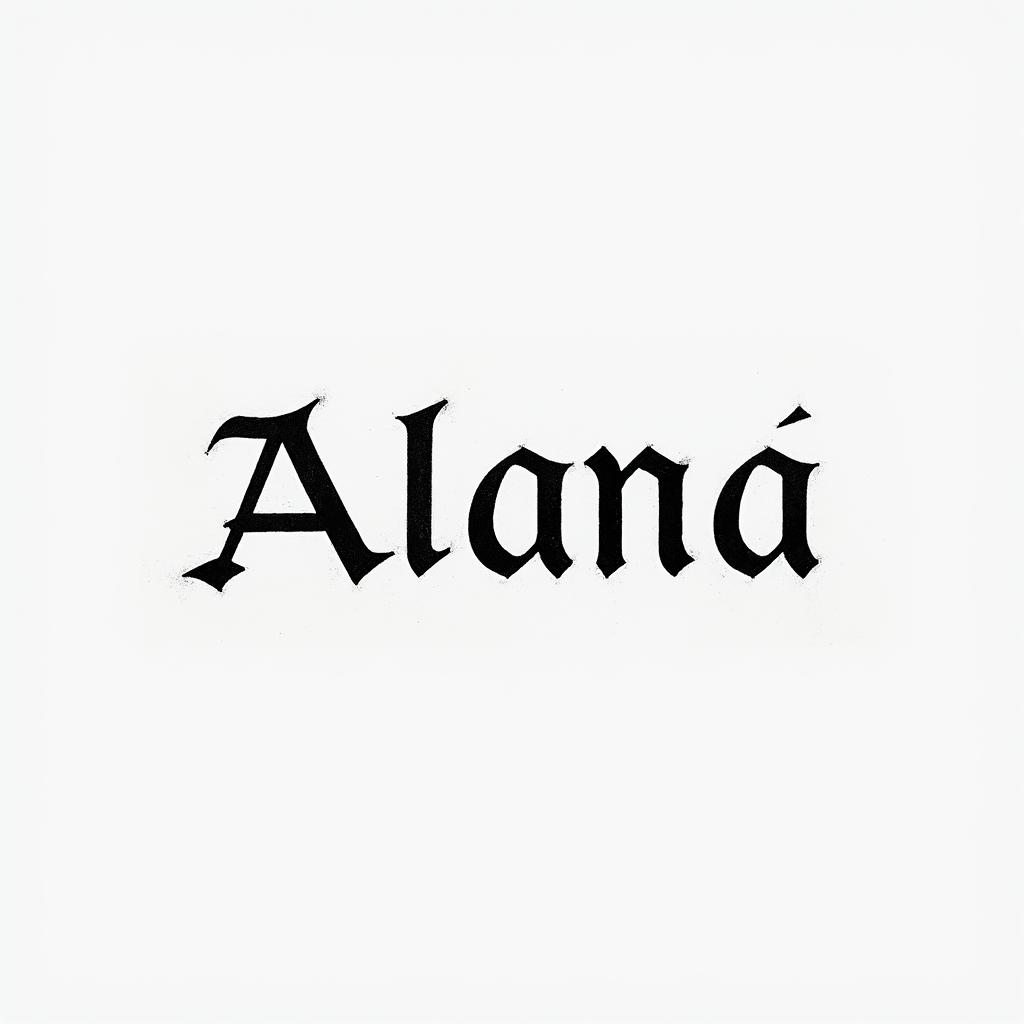
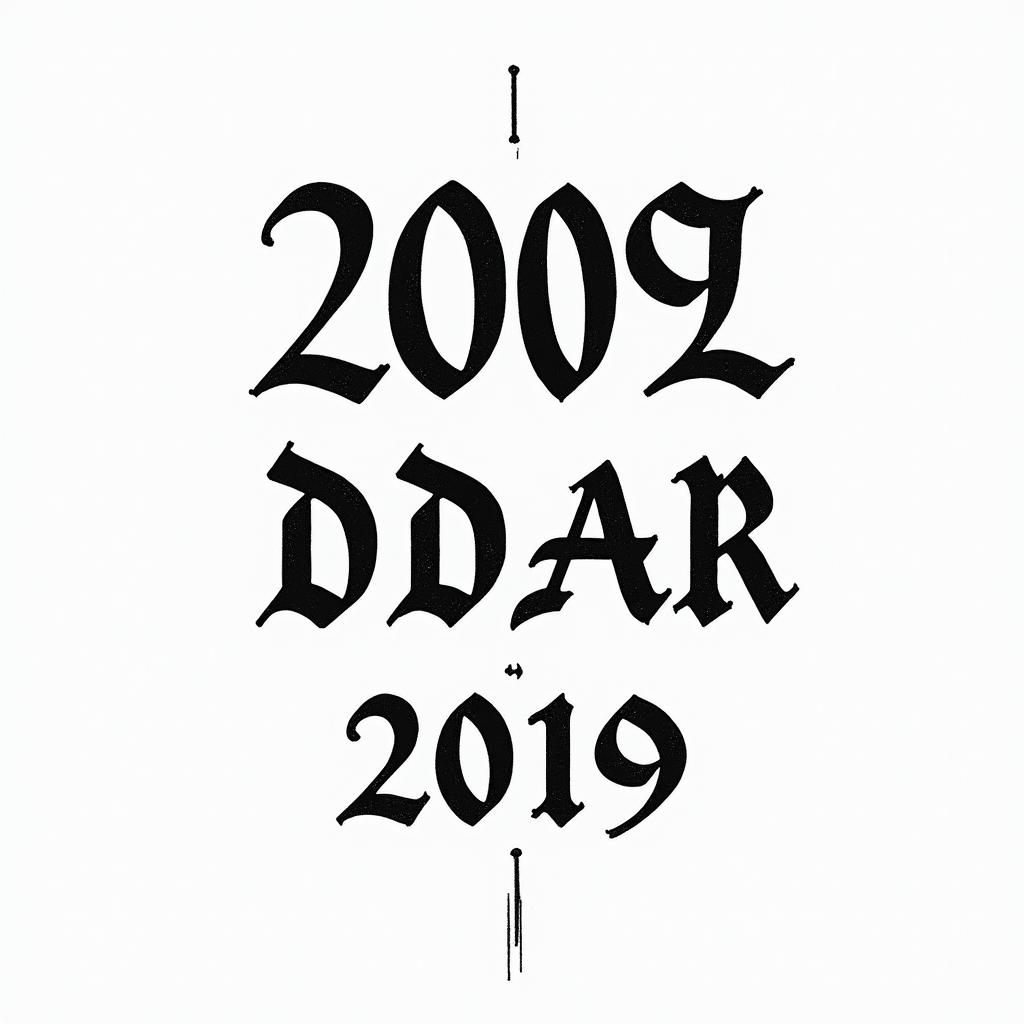
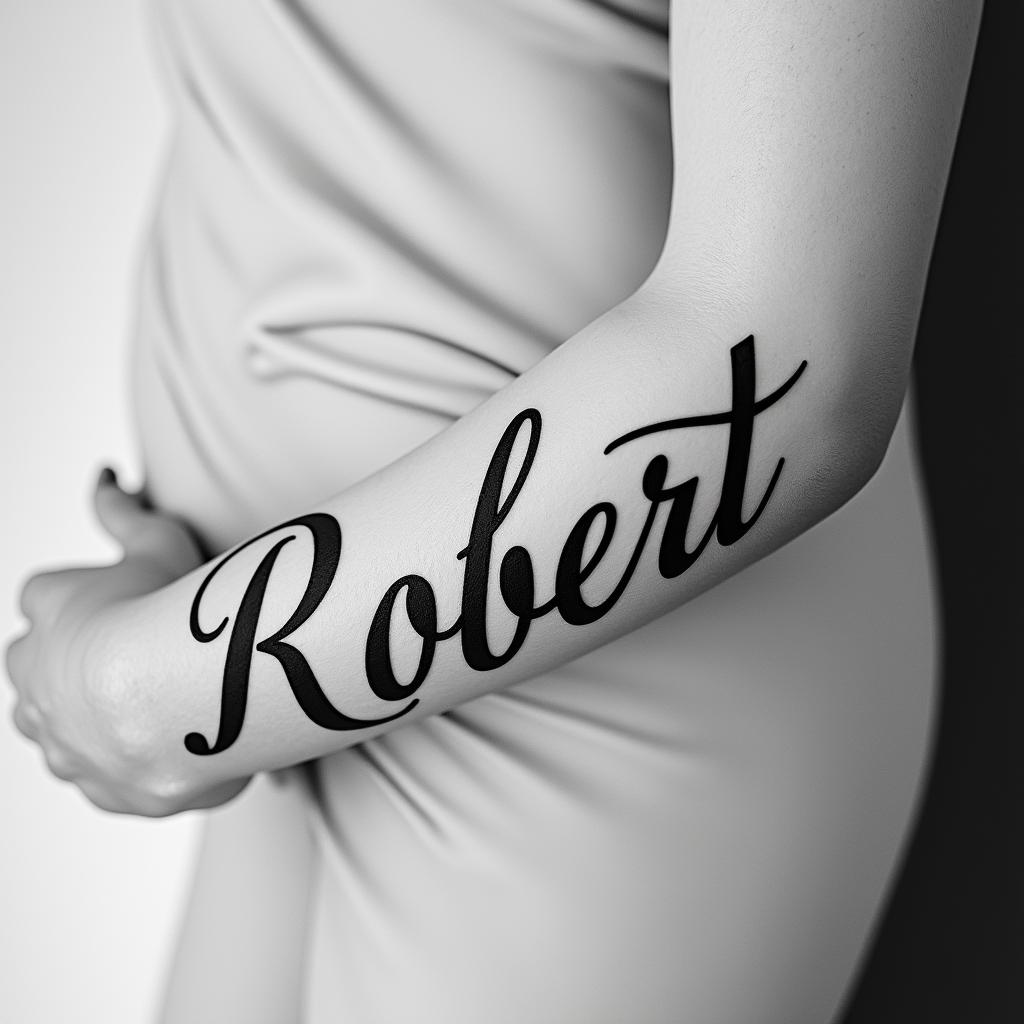
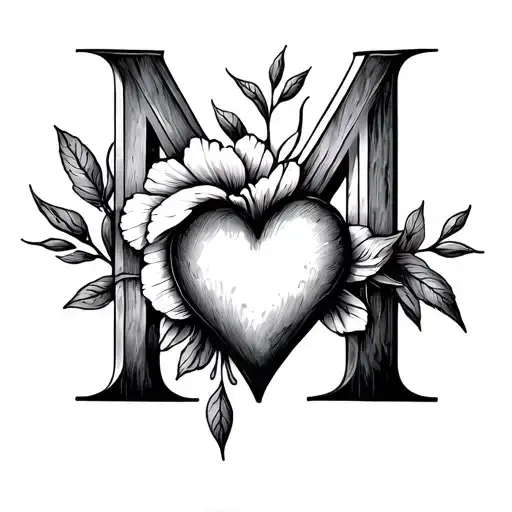
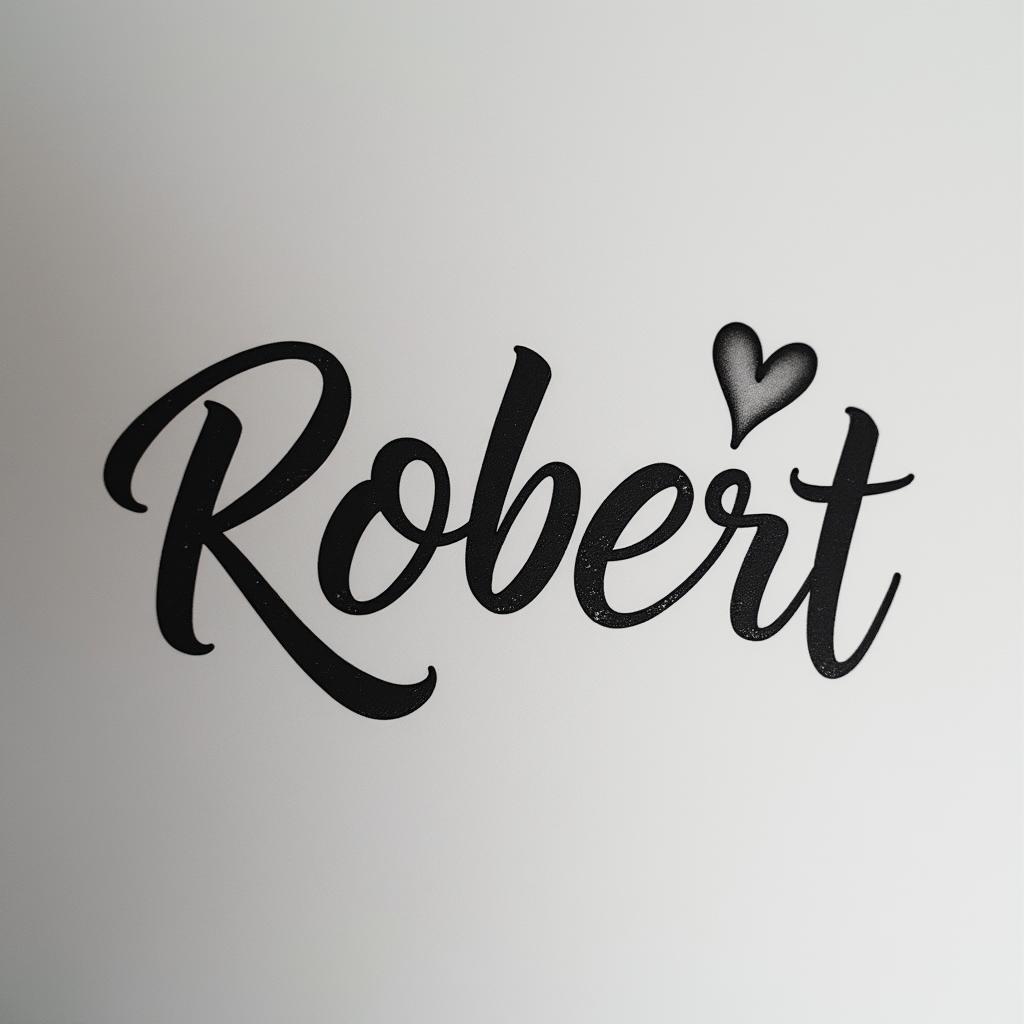
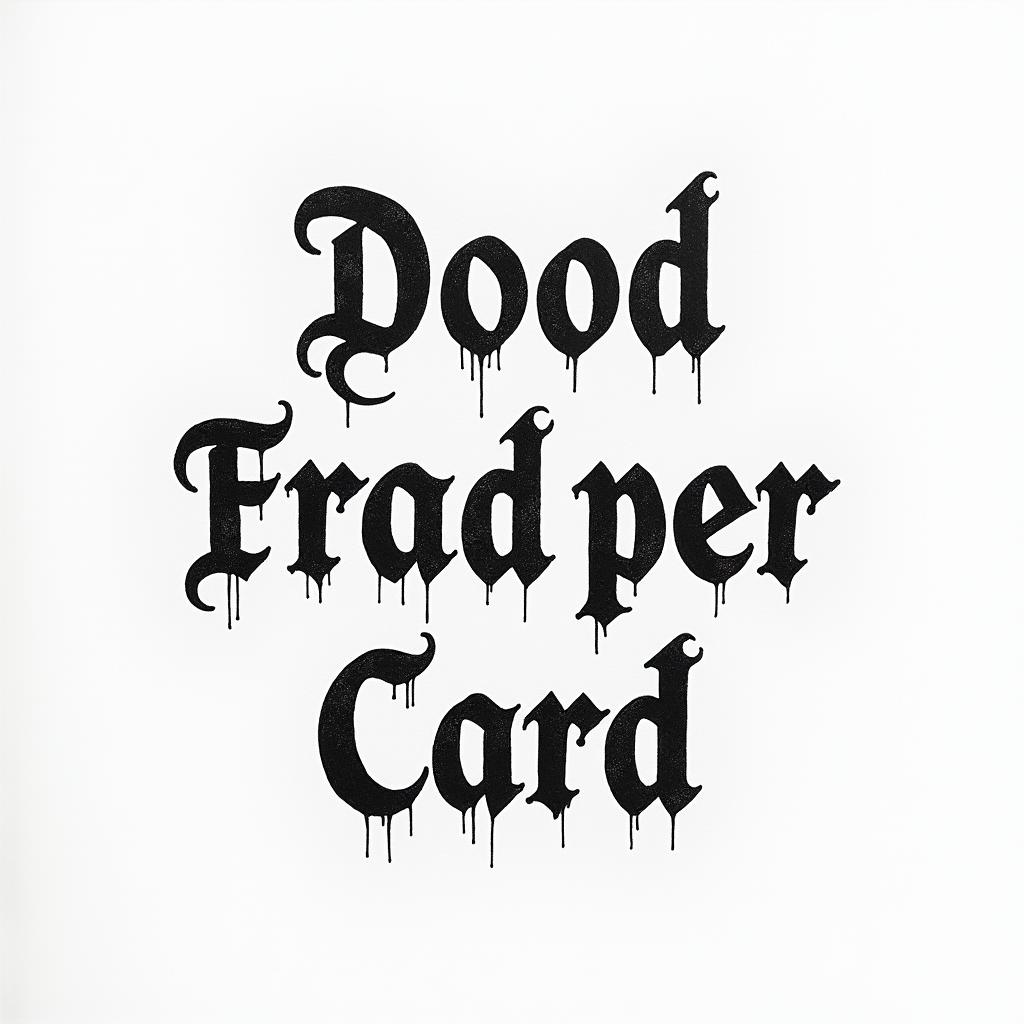
Lettering tattoos focus on text as the primary visual element. The two main traditions are traditional tattoo lettering, which uses bold blocky fonts with thick outlines for maximum readability and longevity, and chicano tattoo lettering, which features flowing calligraphic script with exaggerated serifs and ornamental flourishes rooted in Mexican-American culture. Lettering tattoos require careful sizing because text must stay legible as ink spreads over time. Choose bold fonts and larger sizes for longevity. Popular placements include the chest, forearm, and back where there is enough space for proper letter spacing.
Surrealism
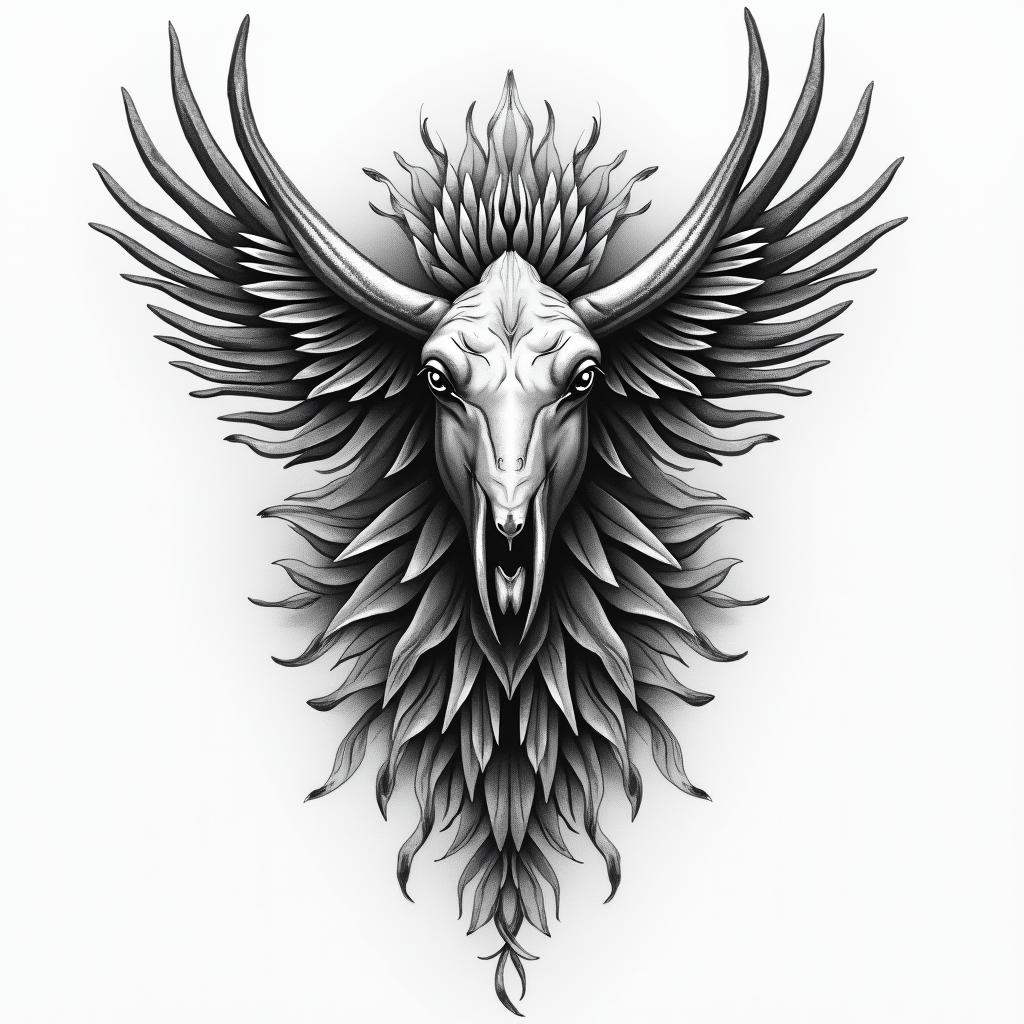
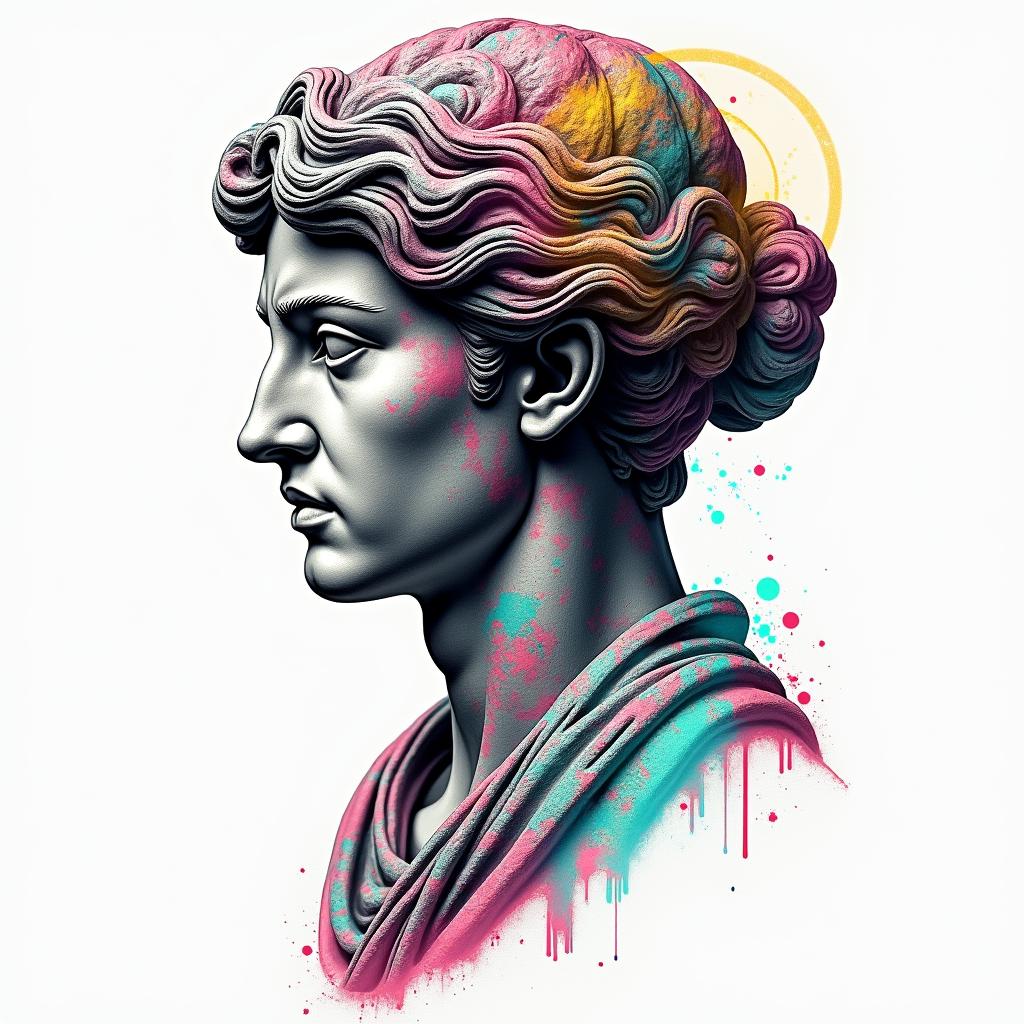
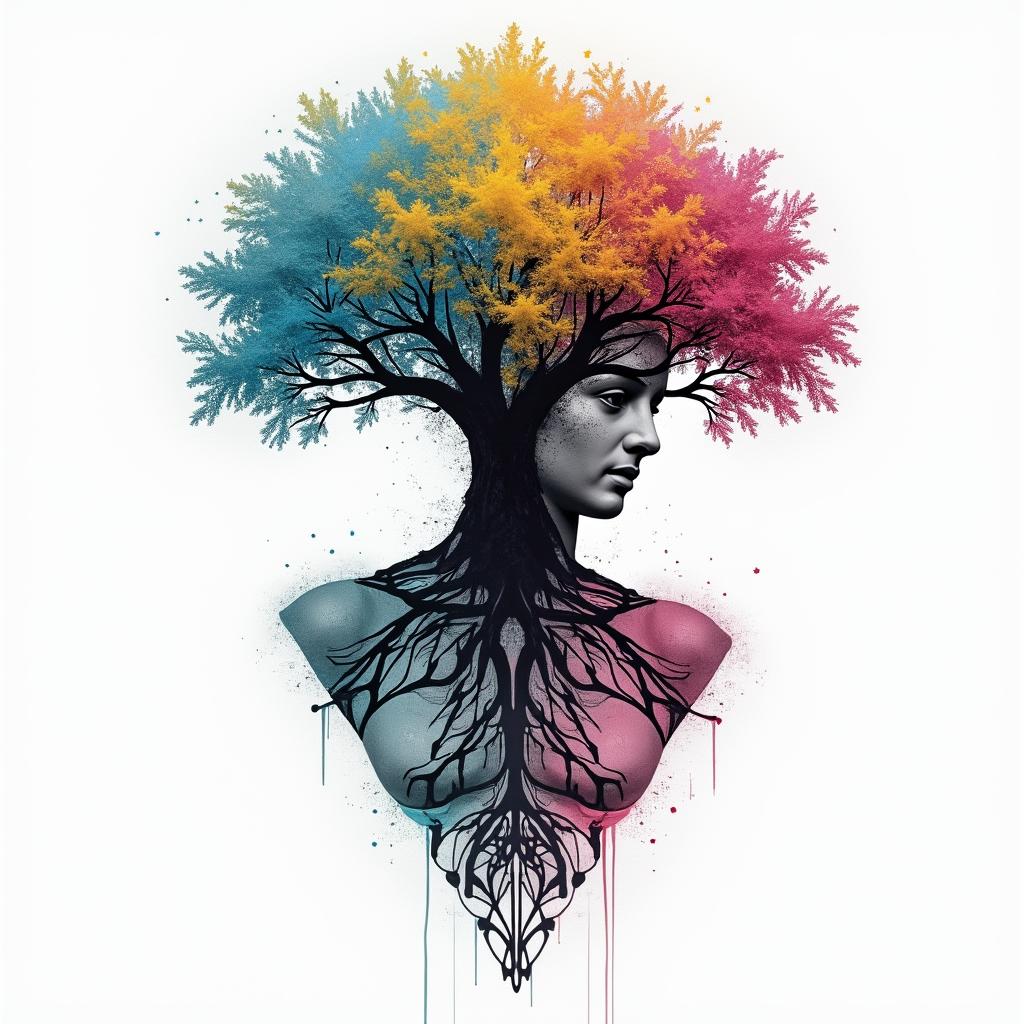
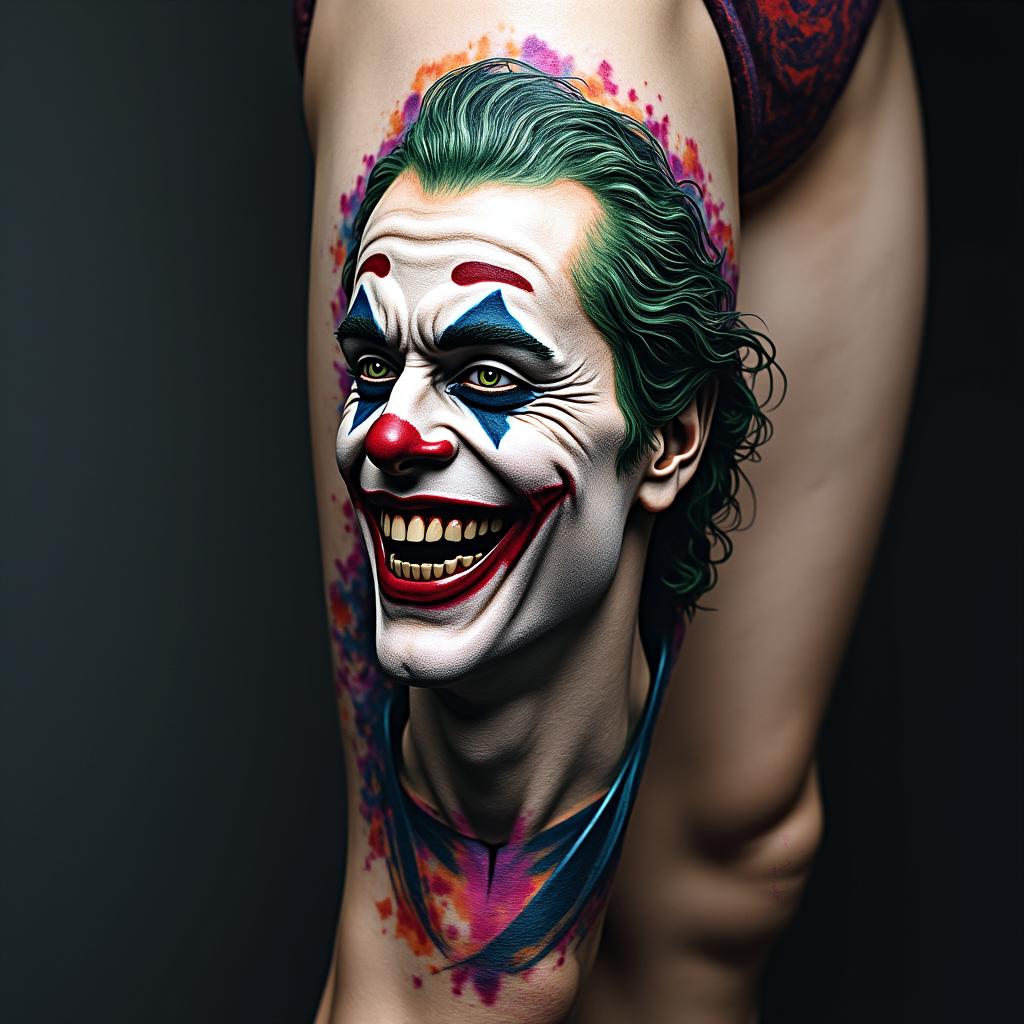
Surrealism tattoos blend realistic imagery with impossible, dreamlike elements. The style draws from the 1920s Surrealist art movement led by figures like Dalí and Magritte. Key characteristics include juxtaposition of unrelated objects, scale shifts, spatial distortion, and smooth blending between elements. Popular motifs include melting clocks, floating eyes, distorted portraits, impossible architecture, and hybrid creatures. The style requires significant skin space to work effectively, making full backs, sleeves, and thighs ideal placements. Finding the right artist matters because surrealism demands both realistic rendering skill and compositional imagination. Browse surrealism tattoo ideas or use the AI generator to visualize your concept before committing.
Mandala
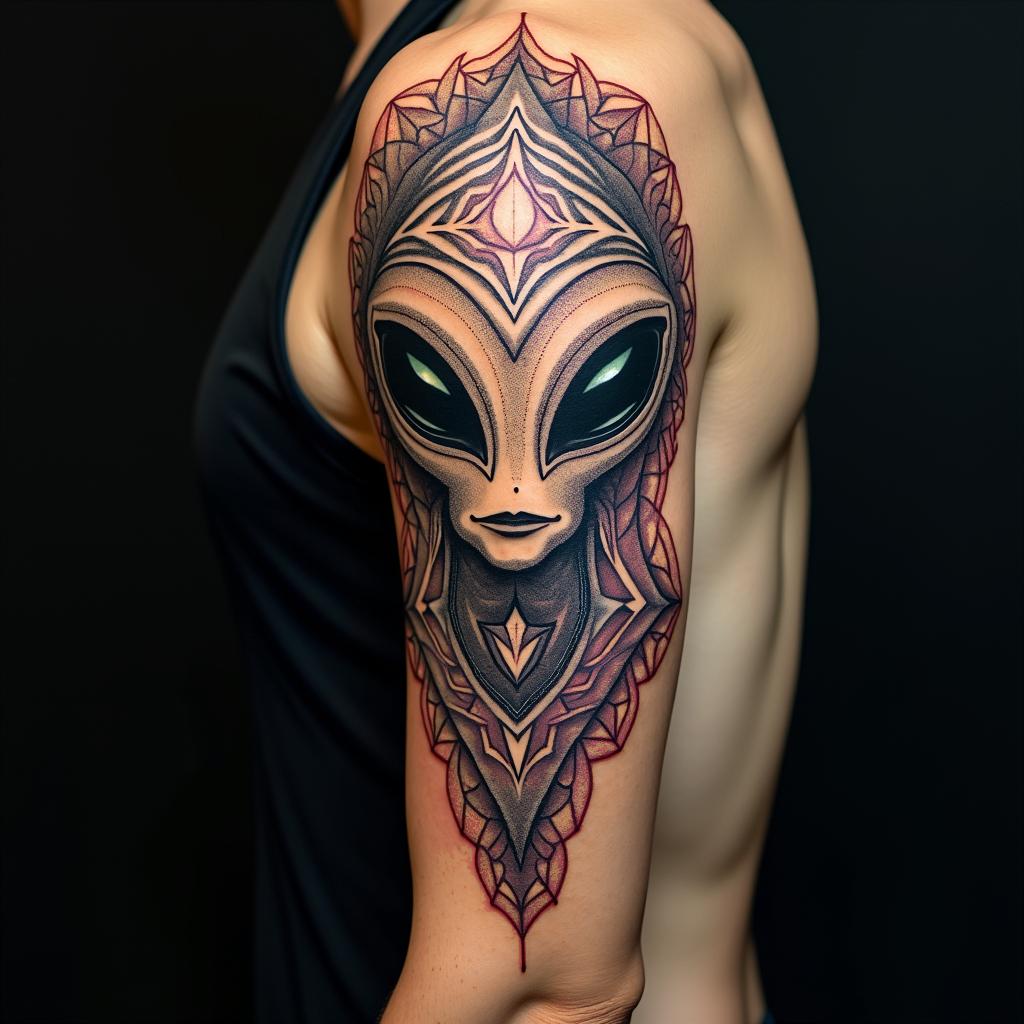
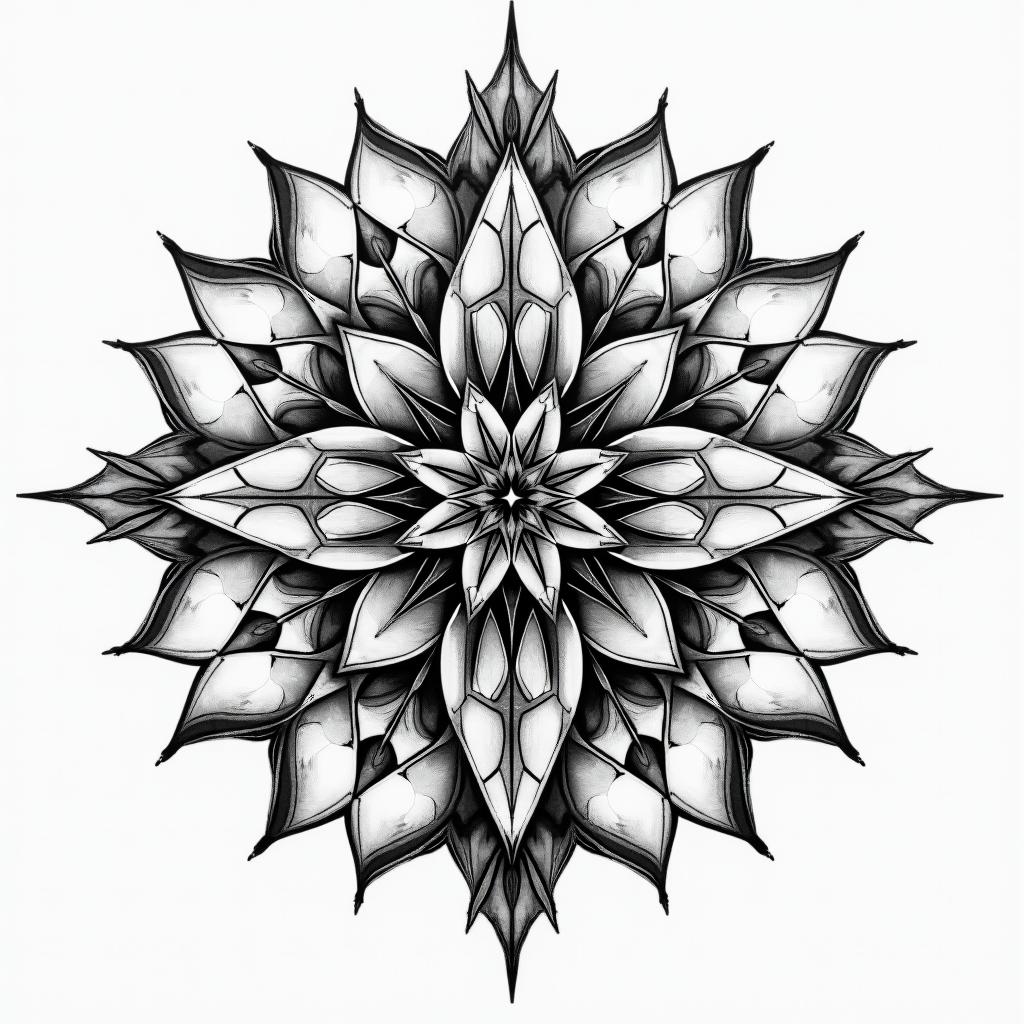
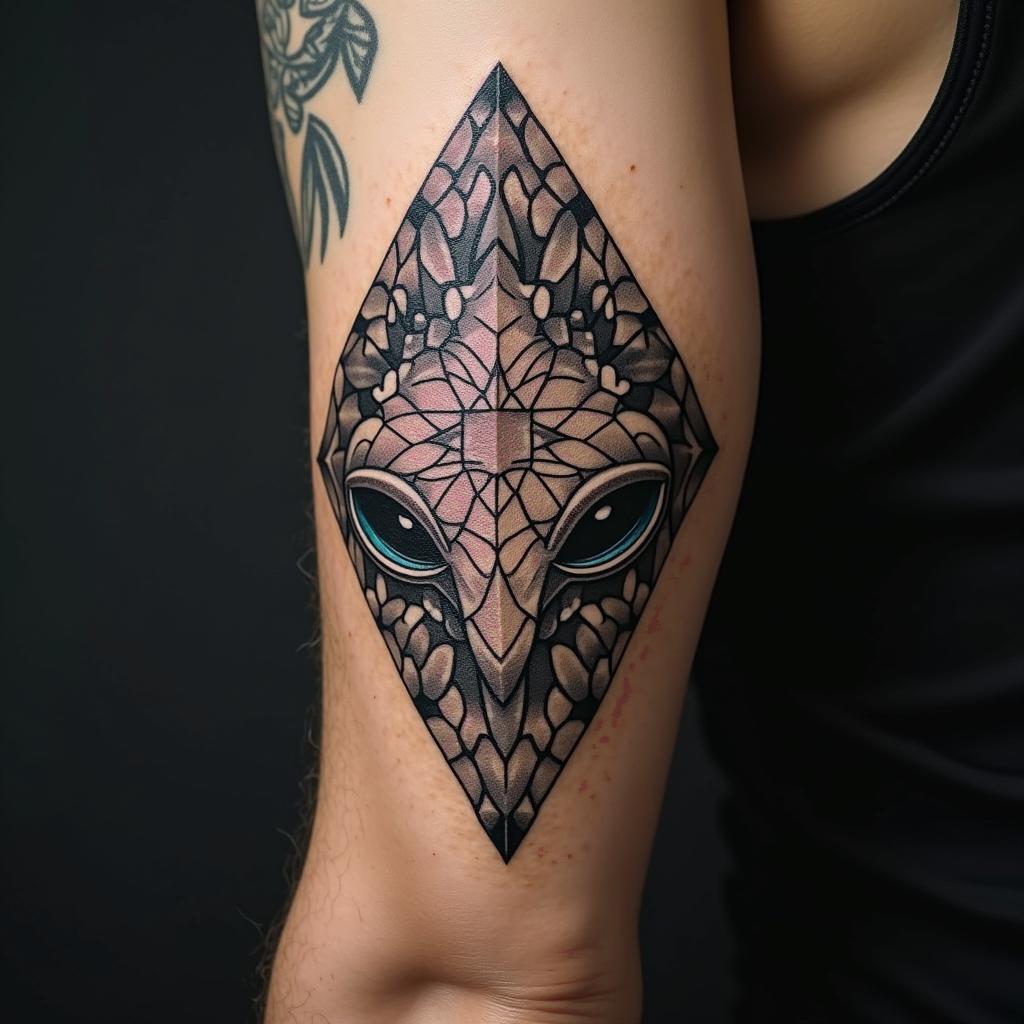
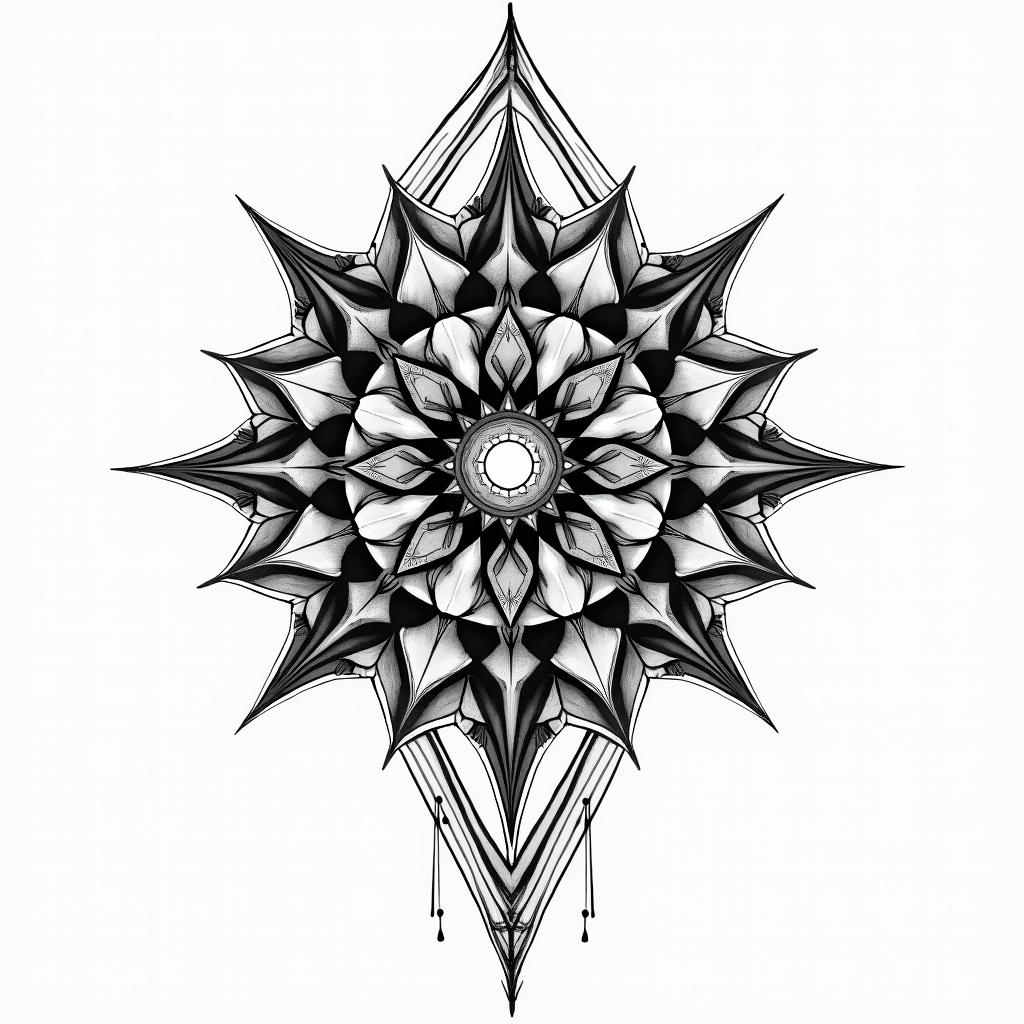
A mandala tattoo is a circular, radially symmetrical design rooted in Hindu and Buddhist spiritual traditions. The word comes from Sanskrit, meaning "circle." Mandala tattoos feature concentric rings of patterns expanding outward from a center point, often using dotwork and precise linework. Popular variations include lotus mandalas, geometric mandalas, and sacred geometry patterns. They work best on flat, broad body surfaces like the back, chest, or forearm. Mandala tattoos symbolize wholeness, balance, and the universe, making them meaningful choices for people seeking both visual impact and spiritual depth.
Script
Script tattoos feature lettering as the primary design element, ranging from flowing cursive and calligraphy to bold block letters and typewriter fonts. Originating with sailor tattoos in the 1800s and evolving through Chicano black-and-grey traditions, script work puts words at the center of the design. Key considerations include letter size (minimum half-inch for cursive), adequate spacing for aging, and font selection that maintains readability over time. Popular placements include the ribcage, forearm, collarbone, and spine. Script tattoos work best when the text carries lasting personal meaning and is sized appropriately for the chosen body area.
Watercolor
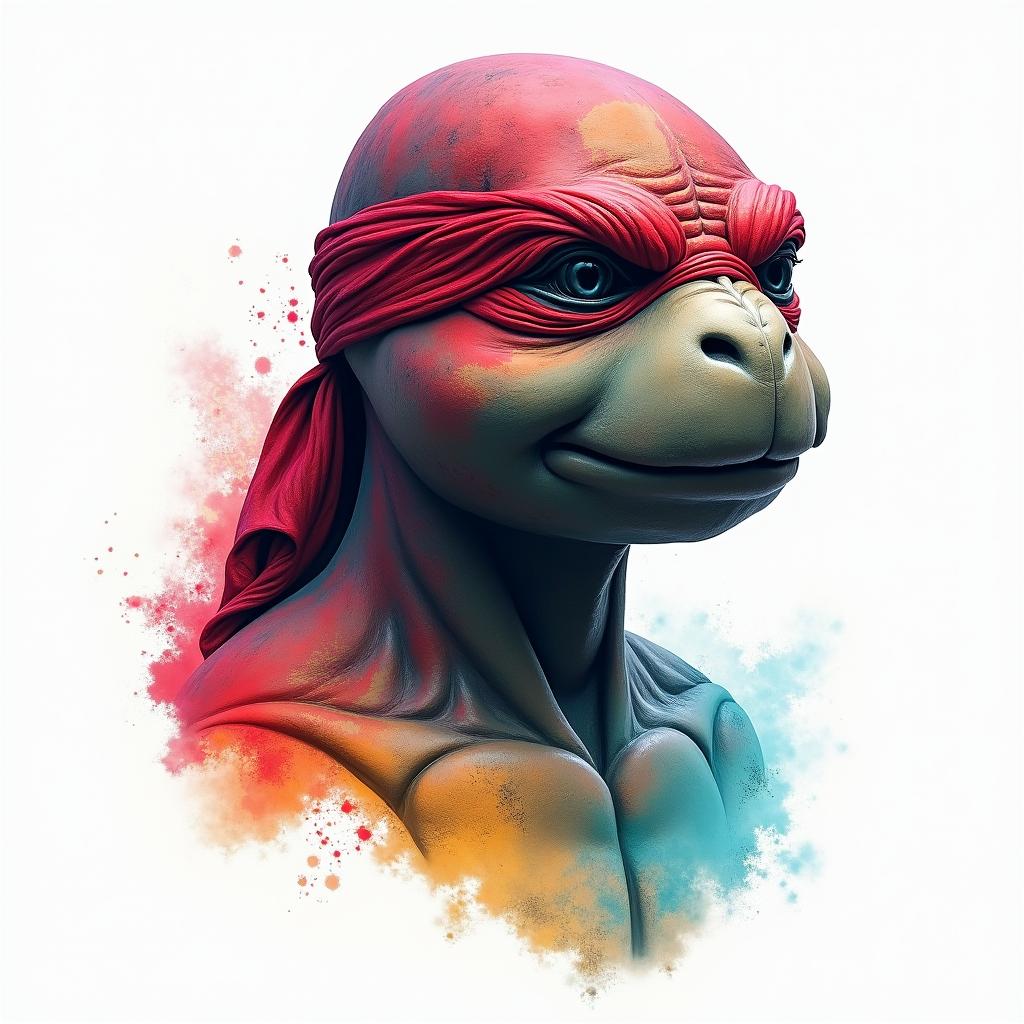
Watercolor tattoos are a tattoo style that mimics the look of watercolor paintings. They skip traditional black outlines and instead use soft color gradients, ink bleeding, and translucent washes to create a painterly effect on skin. Popular motifs include flowers, butterflies, and hummingbirds. The style emerged in the early 2010s, with artists like Amanda Wachob pioneering the approach. Watercolor tattoos tend to fade faster than outlined styles, so choosing an experienced artist and planning for touch-ups is important. Browse watercolor tattoo ideas or try the AI generator to visualize your design before committing.

Traditional
Keith Haring
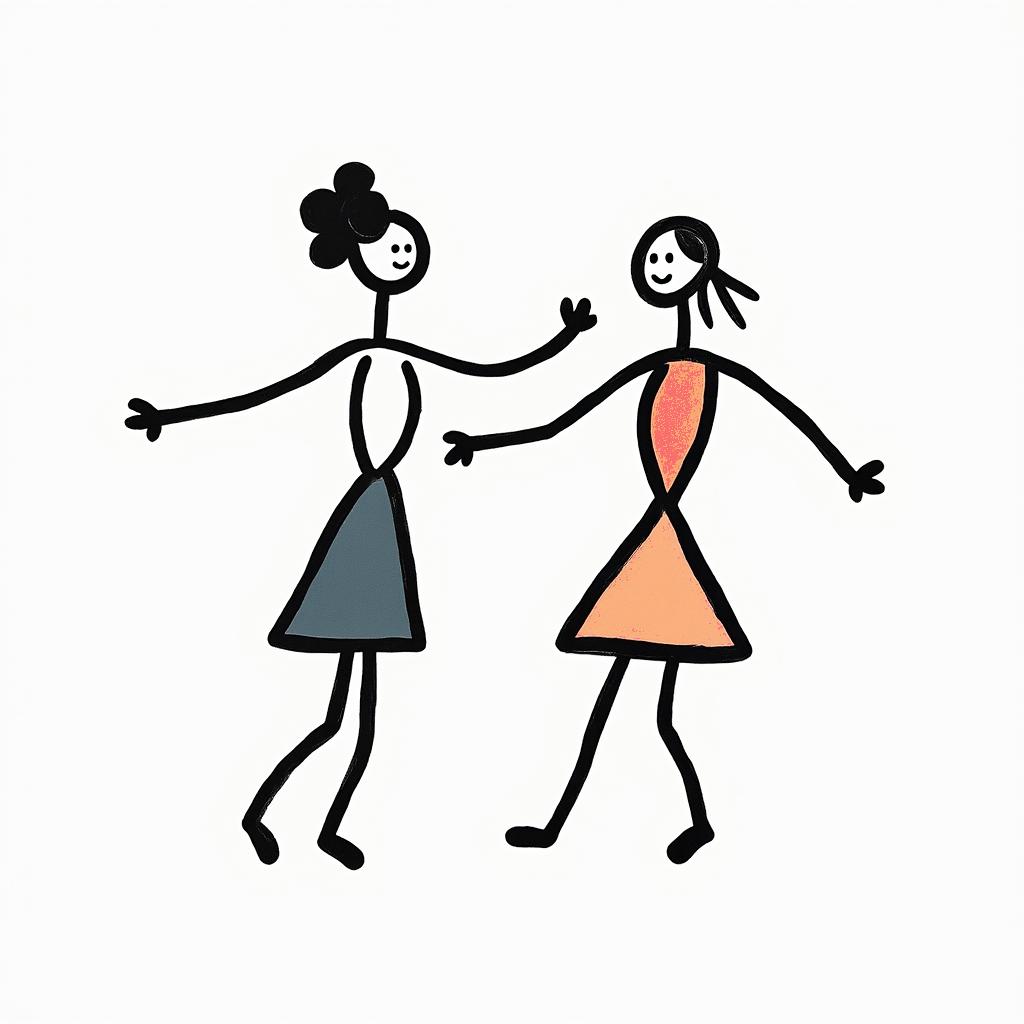
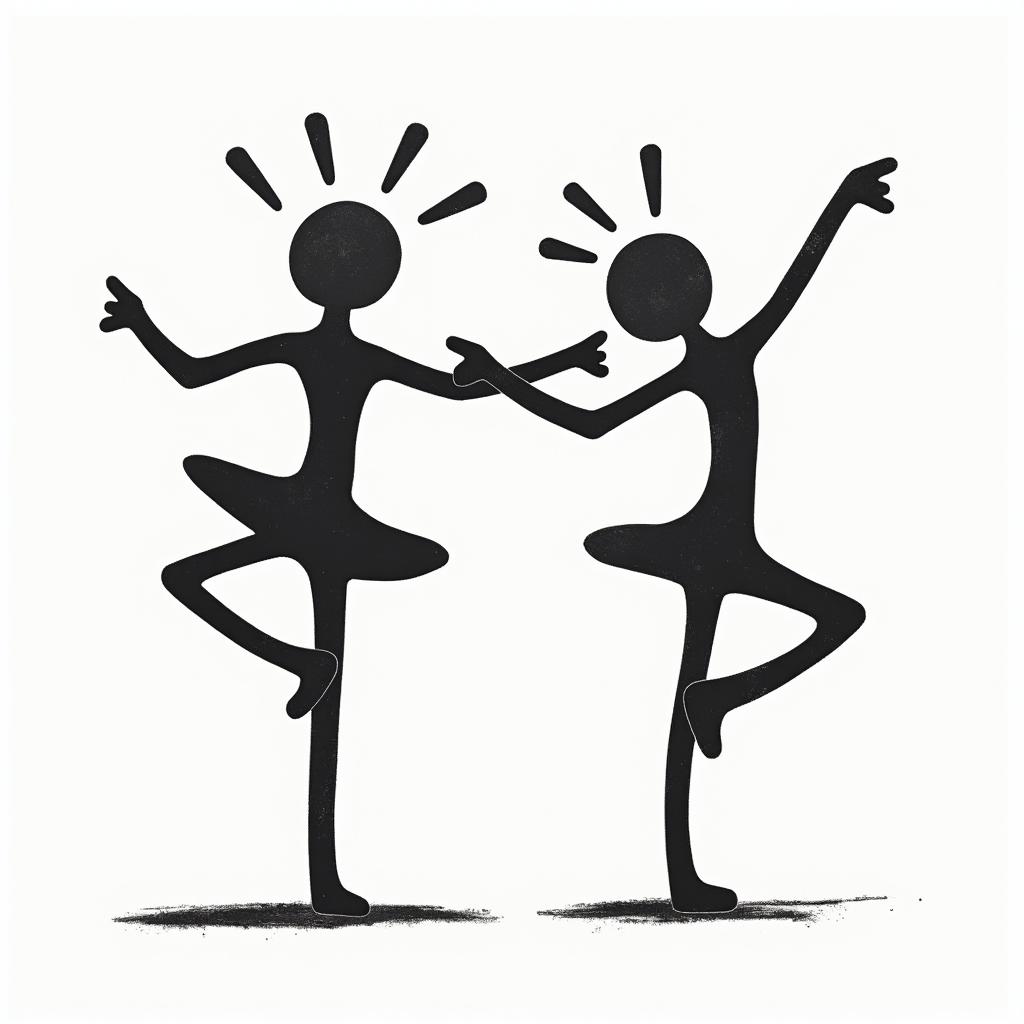
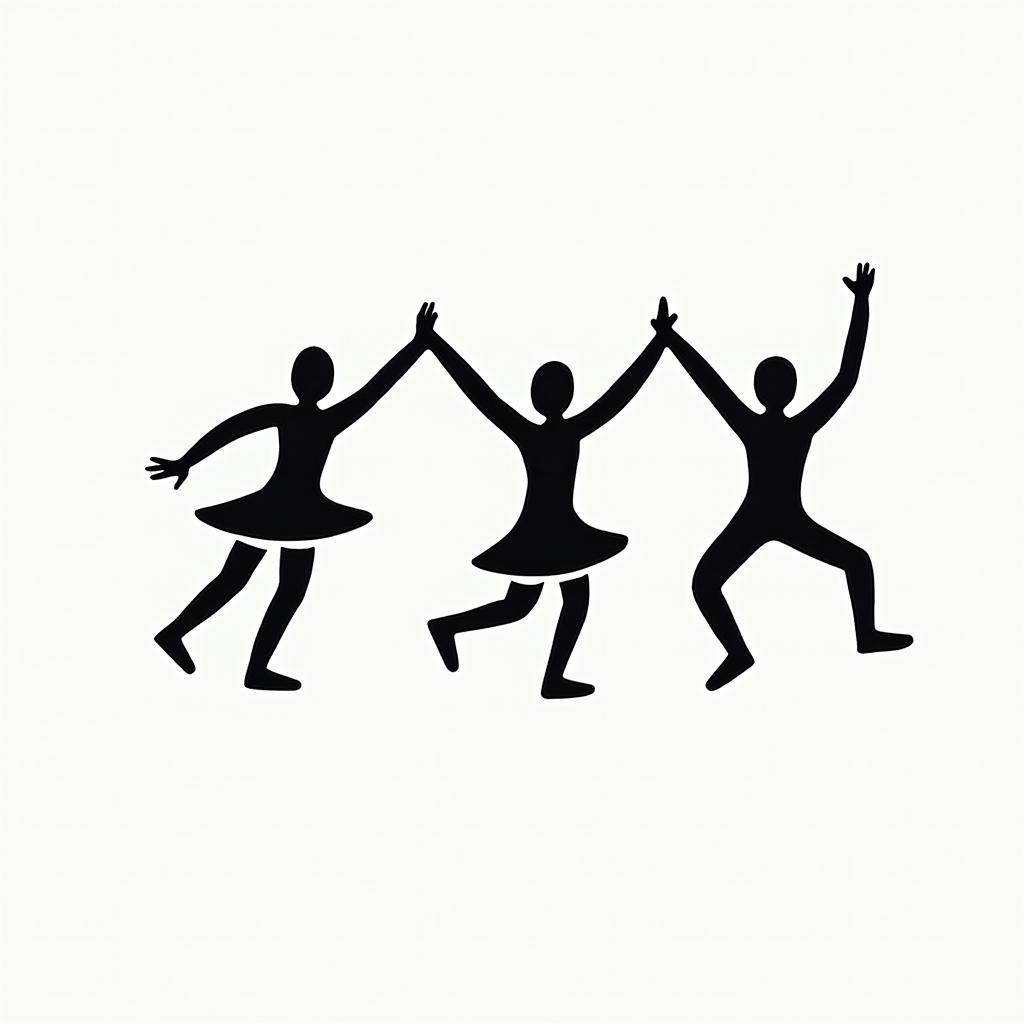
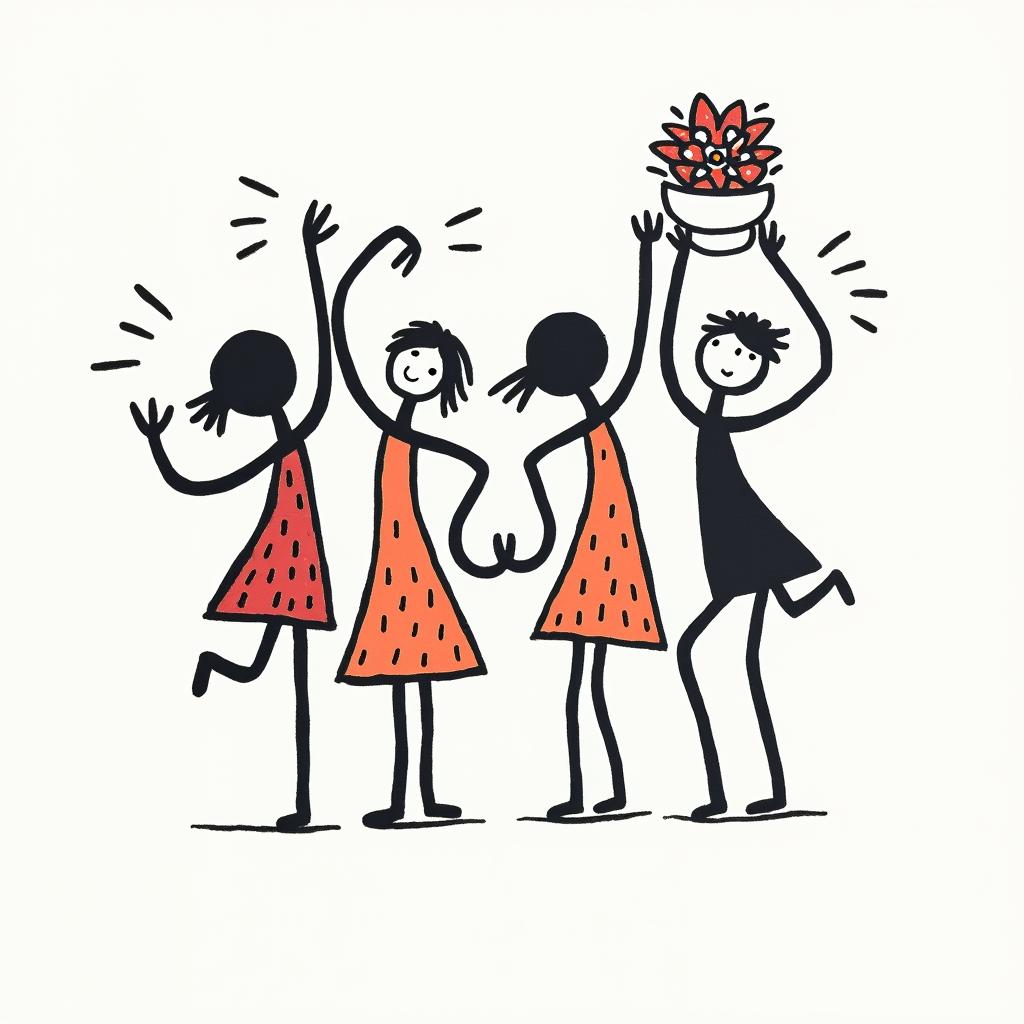
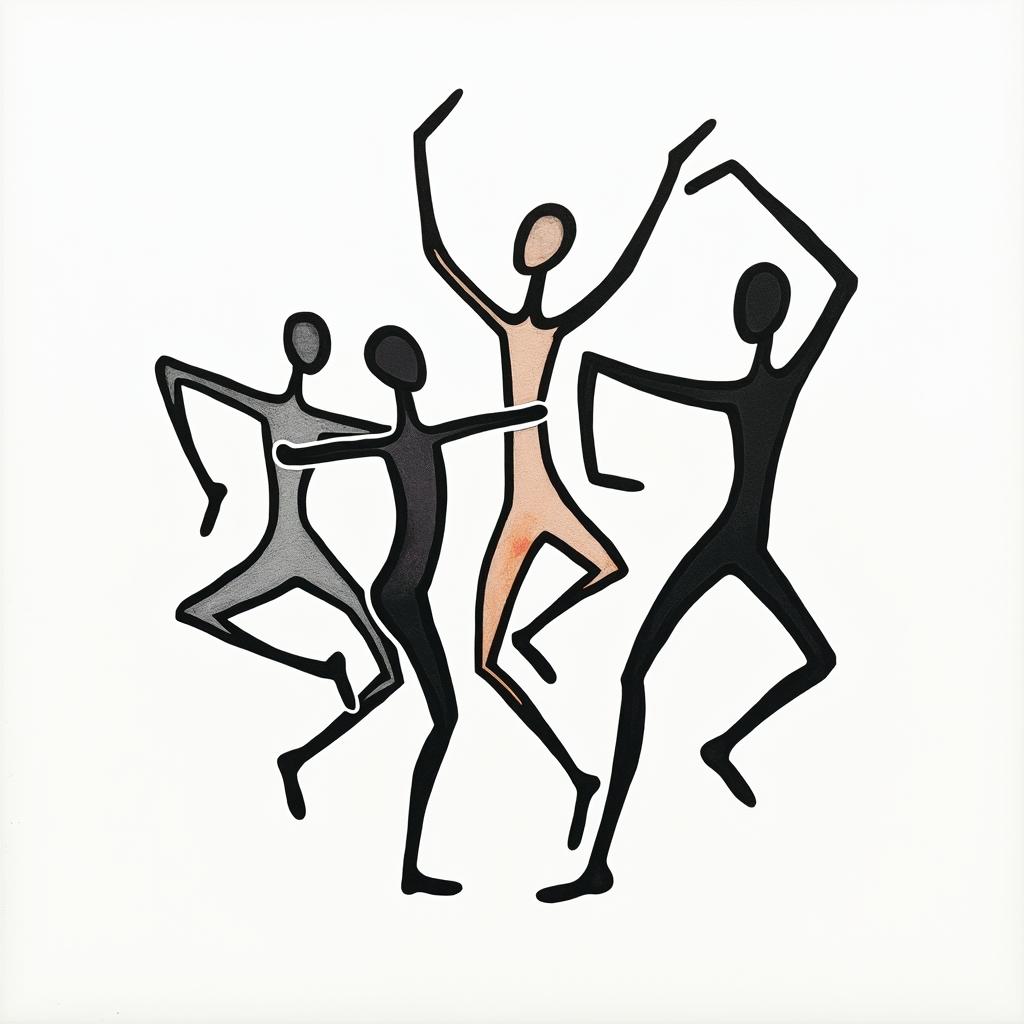
A Keith Haring tattoo draws from the iconic visual language of American artist Keith Haring (1958–1990). The style features bold black outlines, flat saturated colors, and simplified figures in motion, including dancing figures, barking dogs, and radiant babies. Haring's work originated in NYC subway drawings in the early 1980s and became synonymous with pop art, street culture, and social activism. For tattoos, the style translates well because its thick lines and high-contrast shapes hold up on skin over time. Popular placements include forearms, ankles, and biceps for single motifs, or full sleeves and backs for repeating pattern compositions. Finding the right artist matters: look for portfolios with clean, consistent line work and solid color fills, common in traditional or neo-traditional tattoo styles.

Trash Polka
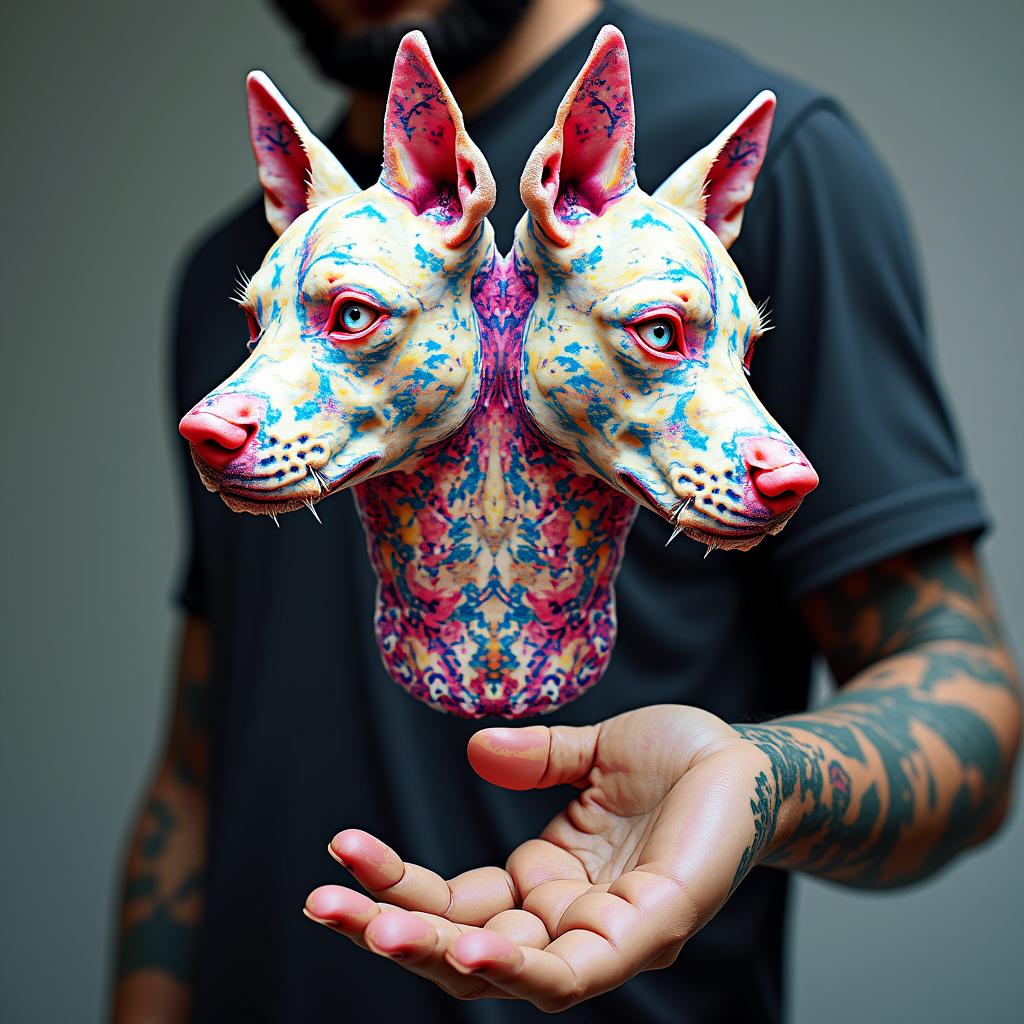
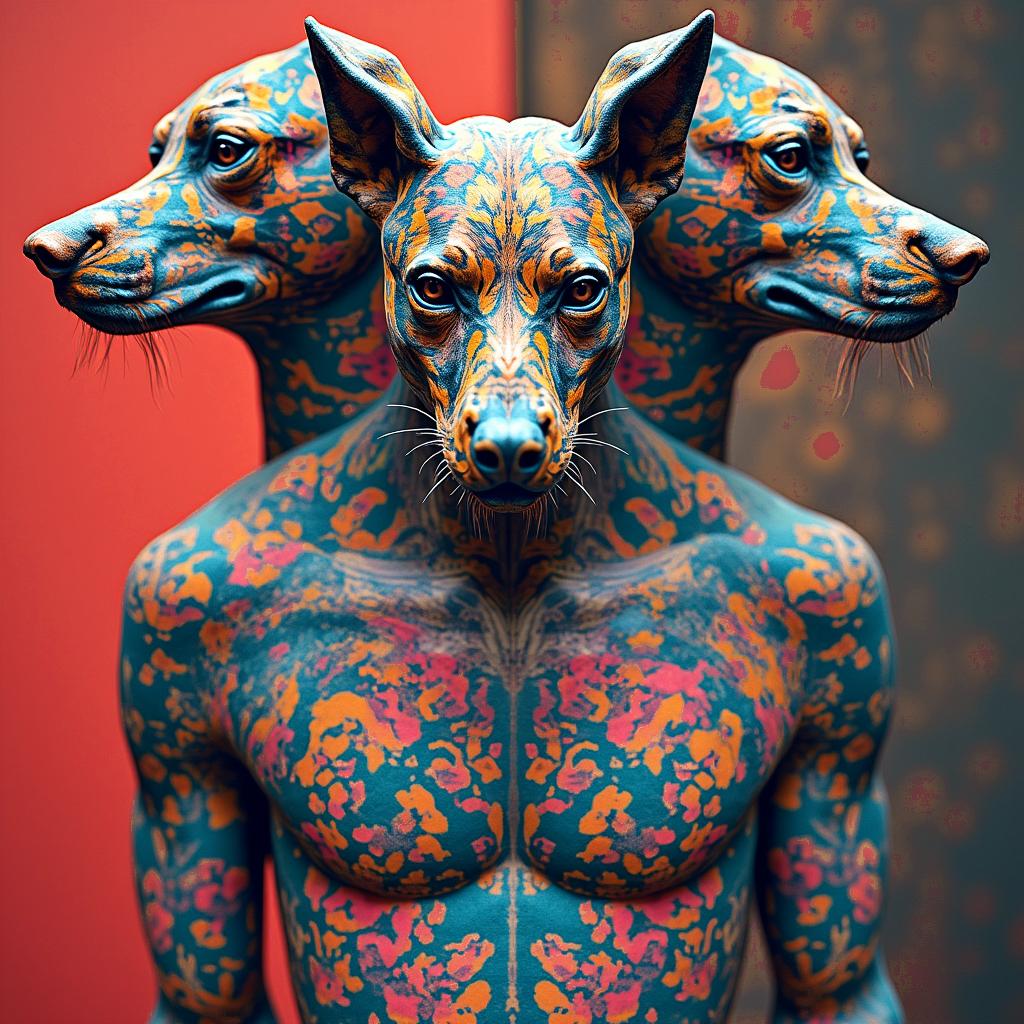
Trash Polka is a tattoo style created in Germany by Simone Plaff and Volko Merschky. It combines realistic black and grey imagery with chaotic red elements, brush strokes, and text. The style blends fine art and tattooing, creating a raw, emotional look. Common motifs include portraits, skulls, and text, often with splatter or collage effects. Trash Polka works best on larger areas like the back, chest, or thigh, where the contrast and detail can stand out.
Ornamental
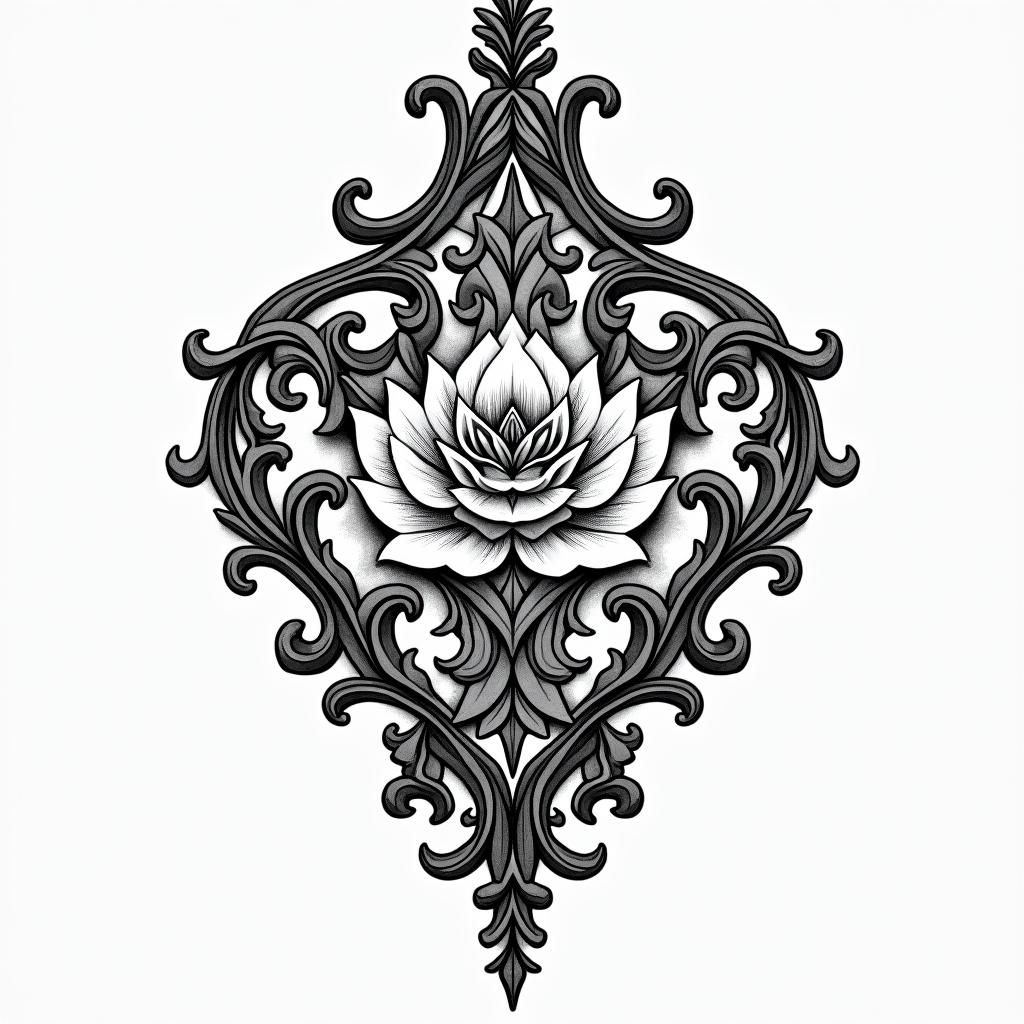
Ornamental tattoos are a style defined by intricate, decorative patterns inspired by architectural ornamentation, mandalas, filigree, and sacred geometry. Unlike figurative tattoo styles, ornamental work focuses on pure pattern and symmetry. The style features fine line work, dotwork, and flowing designs that adapt to the body's natural contours. Common motifs include mandalas, lace patterns, baroque scrollwork, and geometric medallions. Ornamental tattoos work best on medium to large placements like forearms, backs, and thighs where detail can read clearly.

Botanical
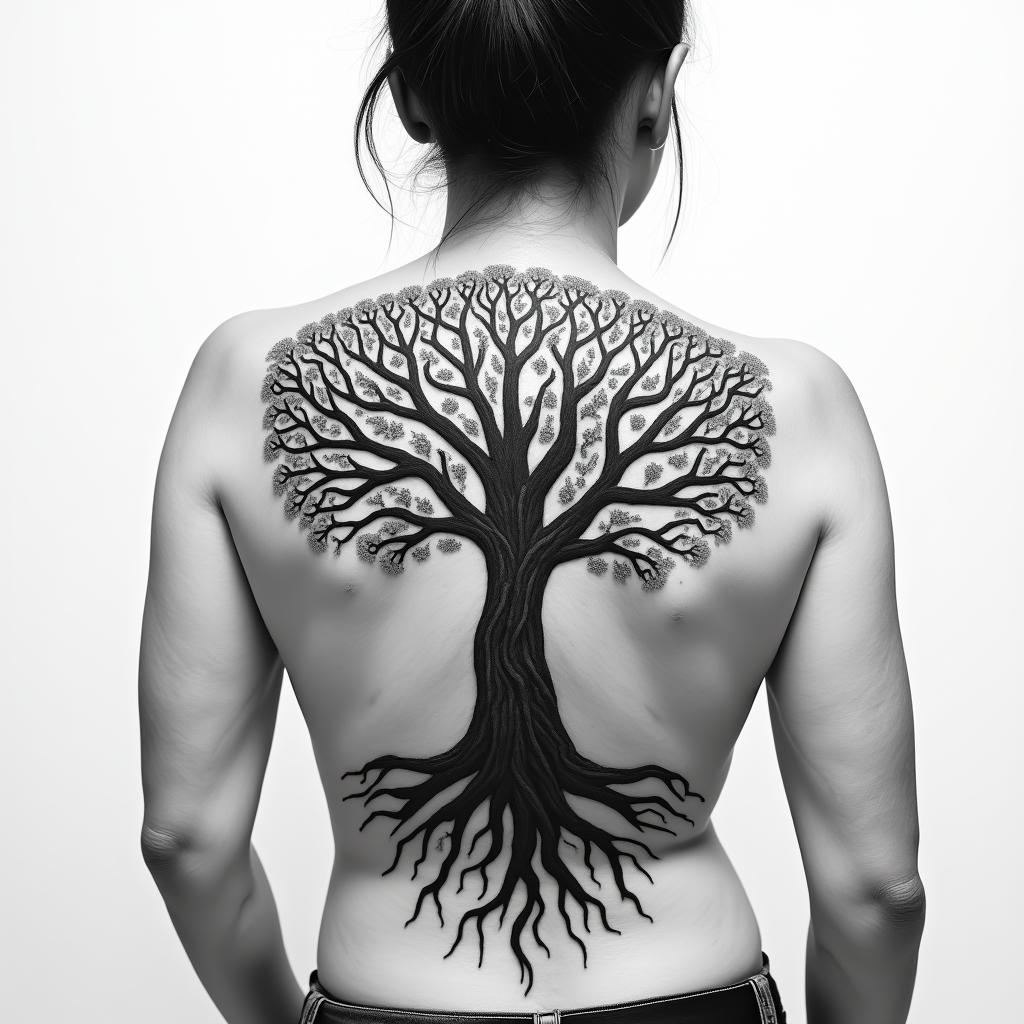
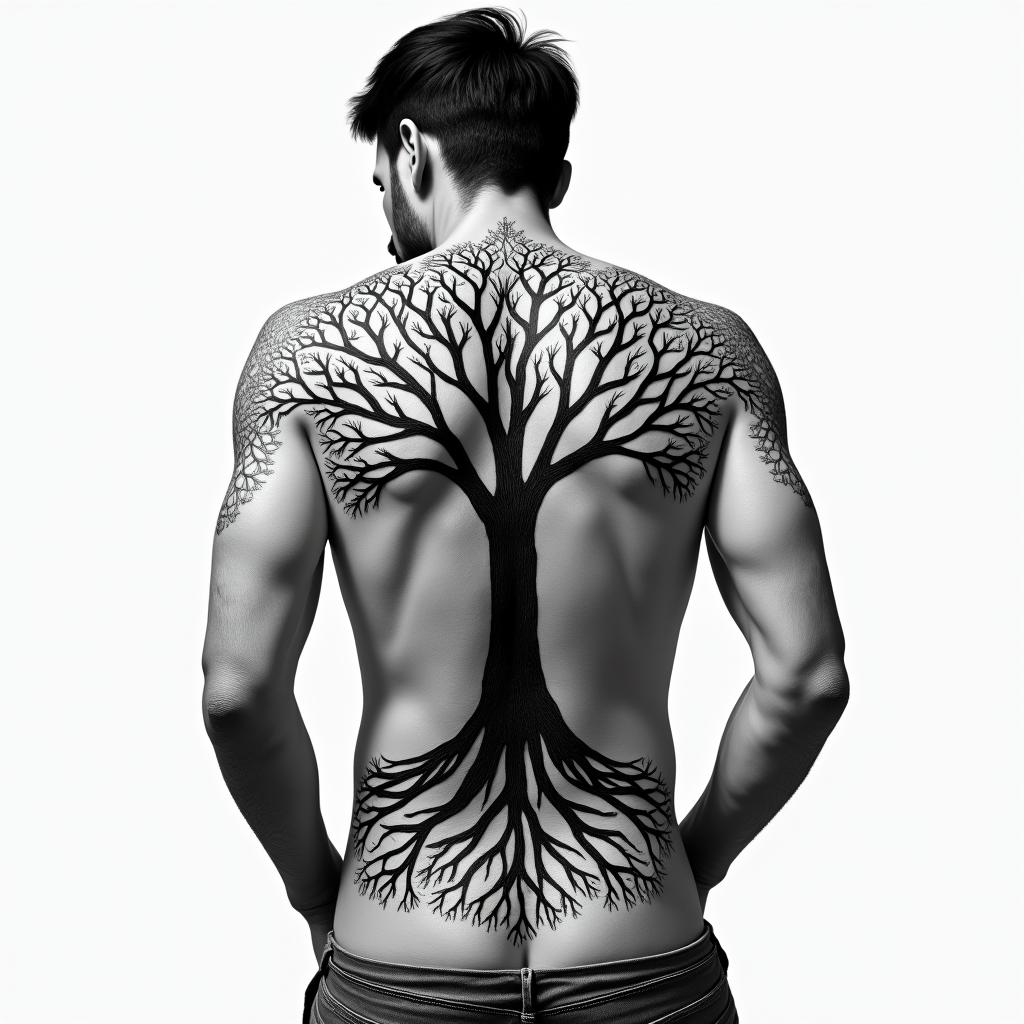
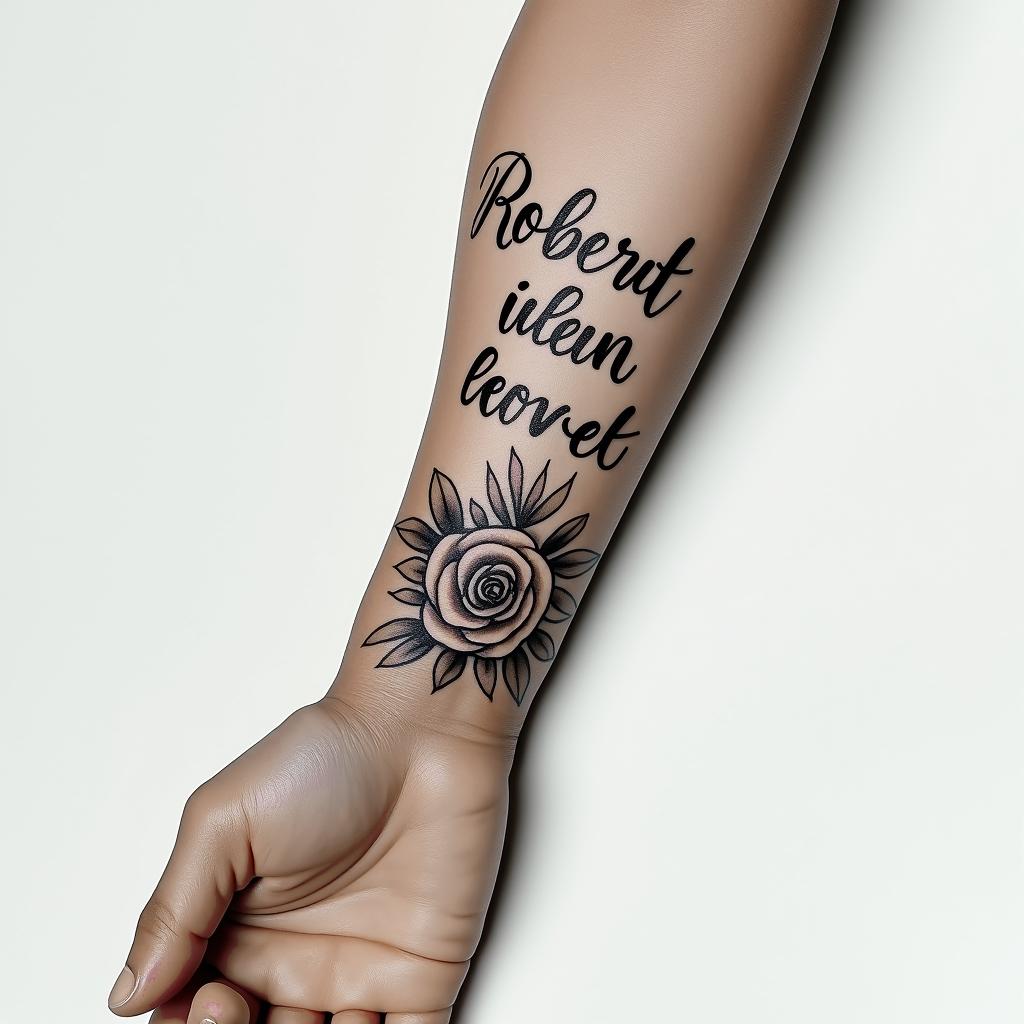
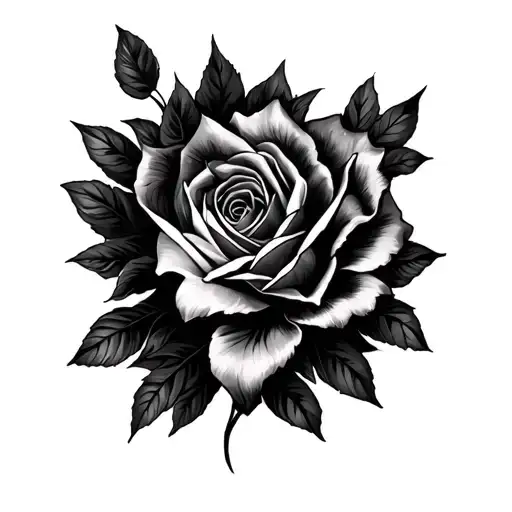
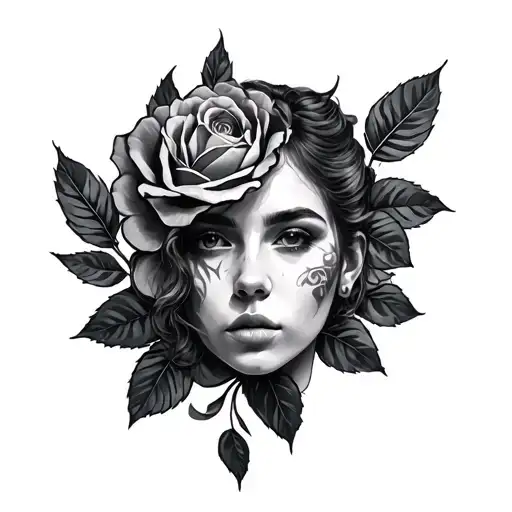
A botanical tattoo depicts plants, flowers, and foliage with the detail and accuracy of scientific illustration. The style draws from vintage field guides and herbarium specimens, using fine lines, stippling, and muted colors to create realistic plant portraits on skin. Unlike traditional floral tattoos, botanical work emphasizes anatomical correctness, showing leaf veining, petal curl, and natural growth patterns as they appear in nature.

Abstract
An abstract tattoo uses color, line, shape, and texture instead of recognizable imagery. Inspired by 20th-century abstract art movements, this style focuses on emotion and composition rather than literal subjects. Common elements include color fields, geometric fragments, brushstrokes, and flowing line work. Abstract tattoos work best on larger areas like the forearm, back, or thigh where the composition has room to breathe. Choosing an artist with a fine art background is key, since the style demands strong compositional skills that traditional tattoo training may not cover.


Sketch
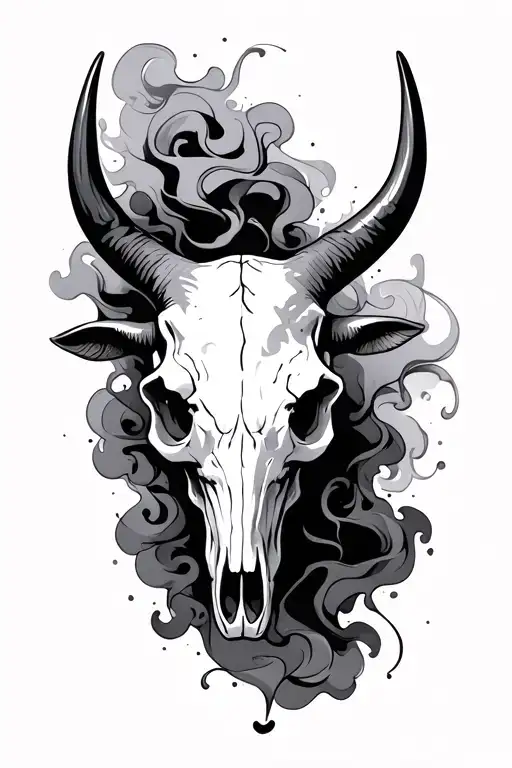
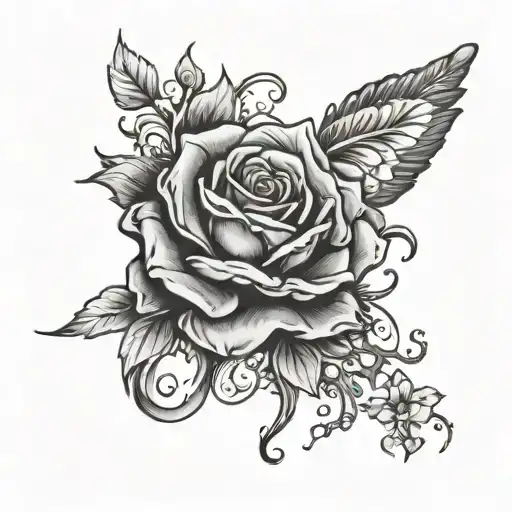
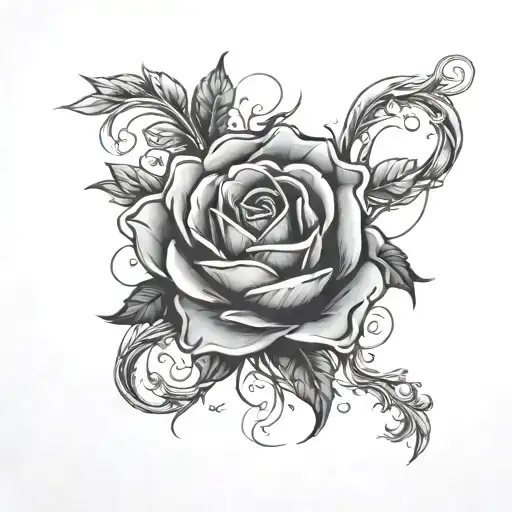
A sketch tattoo mimics the look of a pencil or pen drawing on skin, with loose linework, visible construction lines, and cross-hatching instead of smooth shading. The style intentionally keeps the "working" marks that artists normally erase, making each piece feel like a page torn from a sketchbook. Sketch tattoos work best on flat, stable areas like forearms and thighs where the linework has room to breathe. Popular subjects include portraits, animals, and botanical elements that benefit from the raw, gestural quality. Finding the right artist matters because controlled imperfection requires strong fundamentals, not less skill.