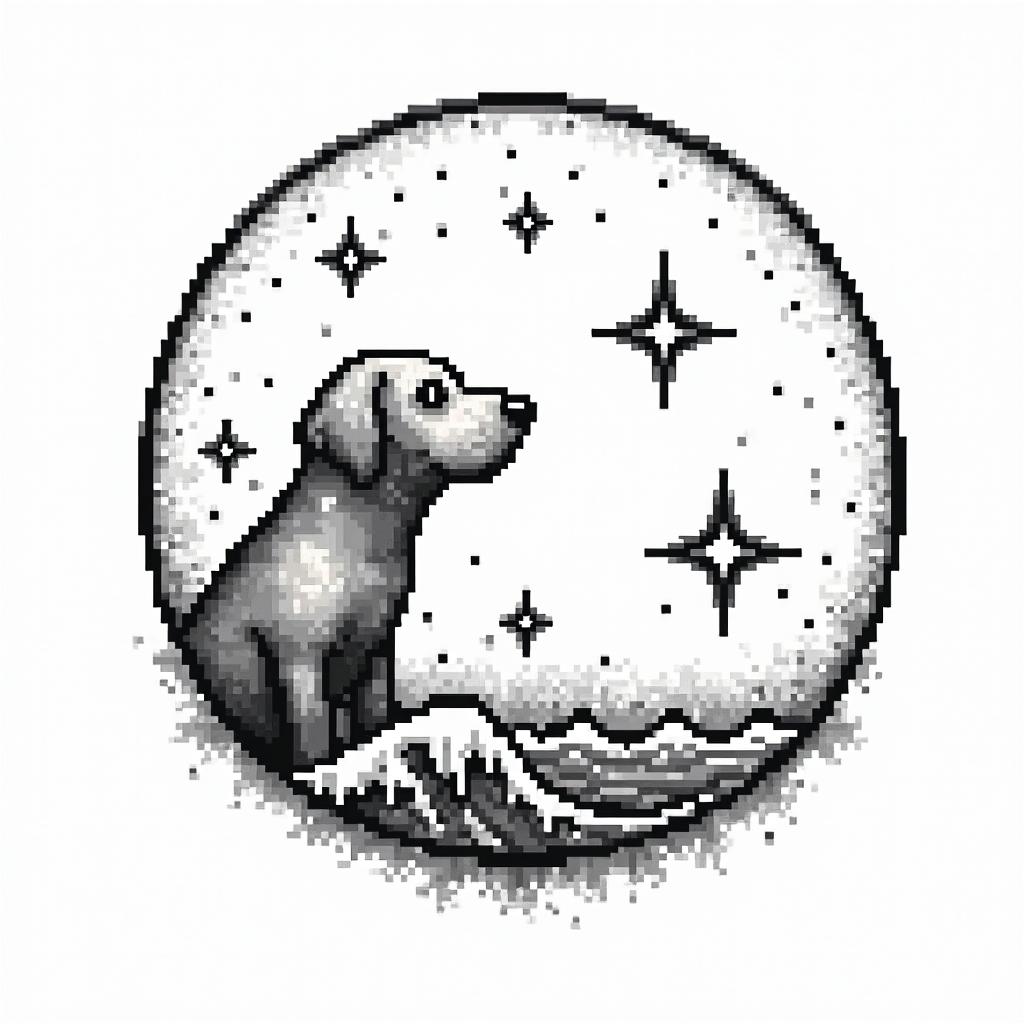
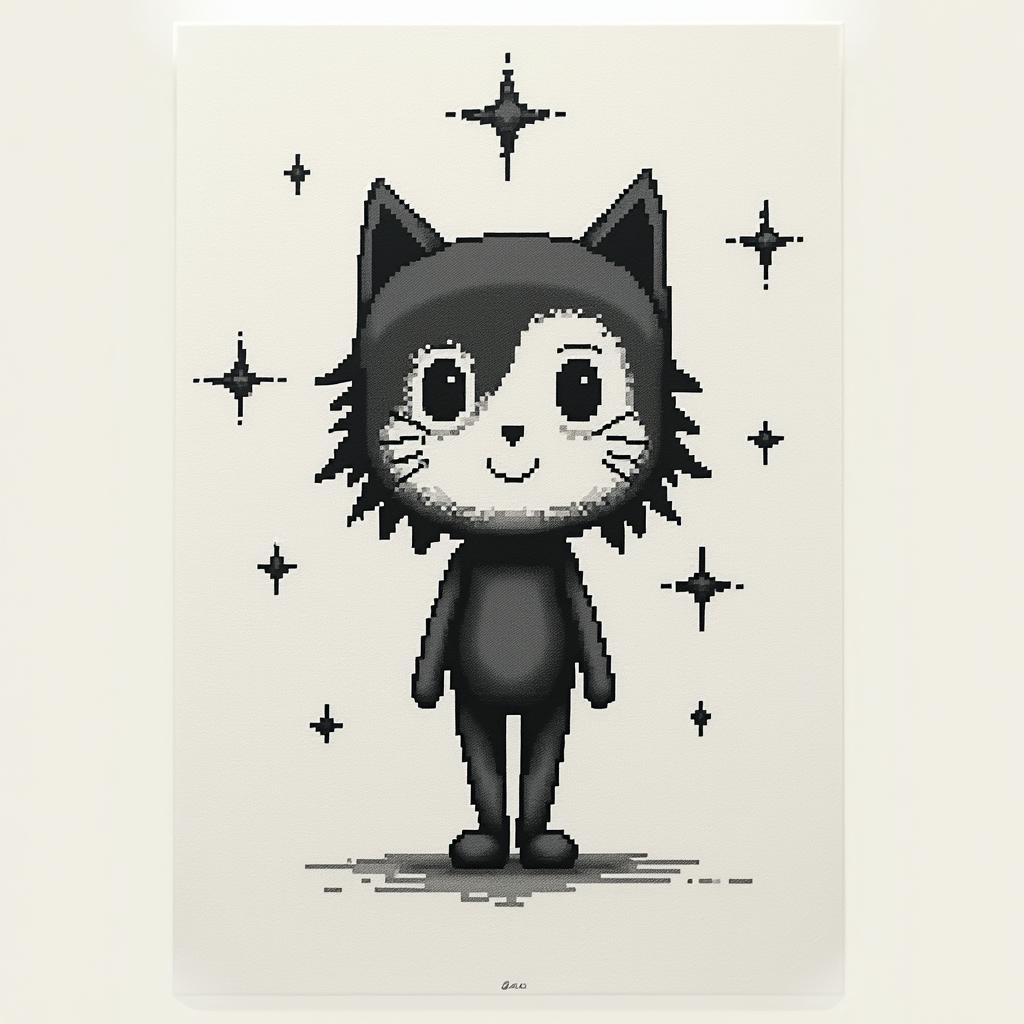
An 8-bit tattoo is a design built from a grid of small colored squares, mimicking the pixelated graphics of 1980s video games. Shapes are blocky, colors are flat and limited, and curves appear as stairstep edges. Popular subjects include classic game sprites, power-up items, and custom pixel art. The style holds up well over time because bold shapes resist blurring, though small single-pixel details may soften. Best placements include forearms, calves, and shoulders where flat skin keeps the grid readable. Each pixel should be at least 2mm wide to maintain clarity after healing.
History & Origins
The 8-bit tattoo style traces directly to the hardware constraints of early home computers and arcade cabinets. Systems like the Atari 2600, Commodore 64, and Nintendo Entertainment System could only render graphics in small grids of colored squares. Artists working within those limits built iconic characters and worlds from a handful of pixels. Mario, Link, and the Space Invaders aliens were born from necessity, not aesthetic choice. Decades later, that same chunky visual language became a shorthand for nostalgia. Tattoo artists started recreating these sprites on skin in the early 2000s, as millennials who grew up with these games started getting inked. The style spread through conventions and online forums. Today, 8-bit tattooing sits at the intersection of gaming culture and body art. It is not just about copying old sprites. Many artists create original pixel art that references the aesthetic without directly borrowing copyrighted characters. The grid-based logic remains the same whether you are rendering a classic game character or designing a custom piece from scratch.
Defining Characteristics
Every 8-bit tattoo is built on a pixel grid. That is the core rule. Shapes are made from small squares aligned to an invisible lattice. There are no smooth curves, no gradients, no soft shading. Colors are flat and limited, typically echoing the restricted palettes of old hardware. A classic NES sprite used three or four colors maximum. Many 8-bit tattoos stick to that constraint for authenticity. Outlines are sharp and blocky. If a line curves, it does so in stairstep increments, not smooth arcs. The overall effect is instantly recognizable. You can spot an 8-bit tattoo from across a room because nothing else looks quite like it. That visual clarity is a major advantage on skin. These designs read well even at smaller sizes, which makes them versatile for placement. Some artists add a thin border around the entire piece to frame it like a game screen or a collectible item. Others let the pixel edges speak for themselves. Both approaches work. What matters is consistency. Once you commit to the grid, every element follows the same pixel logic.
Popular Motifs & Subjects
Classic video game sprites dominate 8-bit tattoo requests. Mario in various poses, the Triforce from Zelda, Pac-Man ghosts, Space Invaders aliens, and Mega Man are all common choices. Power-up items like hearts, stars, mushrooms, and coins work well for smaller pieces. Swords and shields from RPGs give the style a fantasy twist. Beyond licensed characters, original pixel art is growing fast. People commission custom sprites of their pets, their hobbies, or significant objects rendered in the 8-bit language. Pixelated text is popular too, especially quotes or names set in retro game fonts. Some designs recreate entire game scenes: a side-scrolling landscape, a boss battle, or a character selection screen. These larger pieces require more planning but reward you with a narrative tattoo that reads like a frozen frame. Horror fans blend 8-bit with pixelated skulls and monsters. [[NEED-DATA: verify most-searched 8-bit tattoo motifs by search volume]]. Whatever the subject, the best 8-bit tattoos treat the pixel grid as a creative tool, not a limitation.
Placement & Sizing
8-bit tattoos work best on flat, relatively smooth areas of the body. The outer forearm, calf, shoulder, and upper back are all strong choices. These spots give the pixel grid room to breathe and keep each square legible. Avoid areas with heavy stretching or wrinkling like inner elbows or knees. The distortion can make pixel edges look muddy. Size matters more than with some other styles. Go too small and individual pixels blur together during healing, losing the crisp grid that defines the look. A good rule is that each pixel should be at least 2mm wide on skin. That means a 16x16 sprite needs roughly a 3-inch square minimum. Larger pieces like full scenes or character portraits scale up naturally and often look better because the pixel grid is easier to read. Single small items like hearts or stars can go on the wrist, ankle, or behind the ear. Sleeves built from multiple 8-bit elements are increasingly popular. Think of them as a game inventory screen on your arm, with each piece collected over time.
Choosing an Artist
Not every tattoo artist understands pixel logic. The 8-bit style looks simple, but executing it well requires precision and a specific mindset. Each pixel must be placed intentionally. A single misaligned square throws off the whole design. Look for artists who show 8-bit or pixel art examples in their portfolio, not just geometric or traditional work. Ask whether they design on a pixel grid digitally before transferring to skin. Artists who build their designs in pixel-editing software tend to produce cleaner results than those who freehand the blocky shapes. Check healed photos, not just fresh ink. Healed 8-bit tattoos reveal whether the artist sized the pixels correctly and used enough saturation to prevent color fill from looking patchy. If you want original pixel art rather than a game sprite, find an artist who can design custom sprites. Many will collaborate with you on a unique piece that still reads as authentic 8-bit. Browse tattoo artists on our directory and filter by style to find specialists near you. A short consultation goes a long way toward making sure your artist sees the grid the same way you do.