View Hourglass with sand and skulls in geometric style tattoo, blending hexagons, mandala-inspired patterns, symmetrical and fractal design, clean lines, sharp angles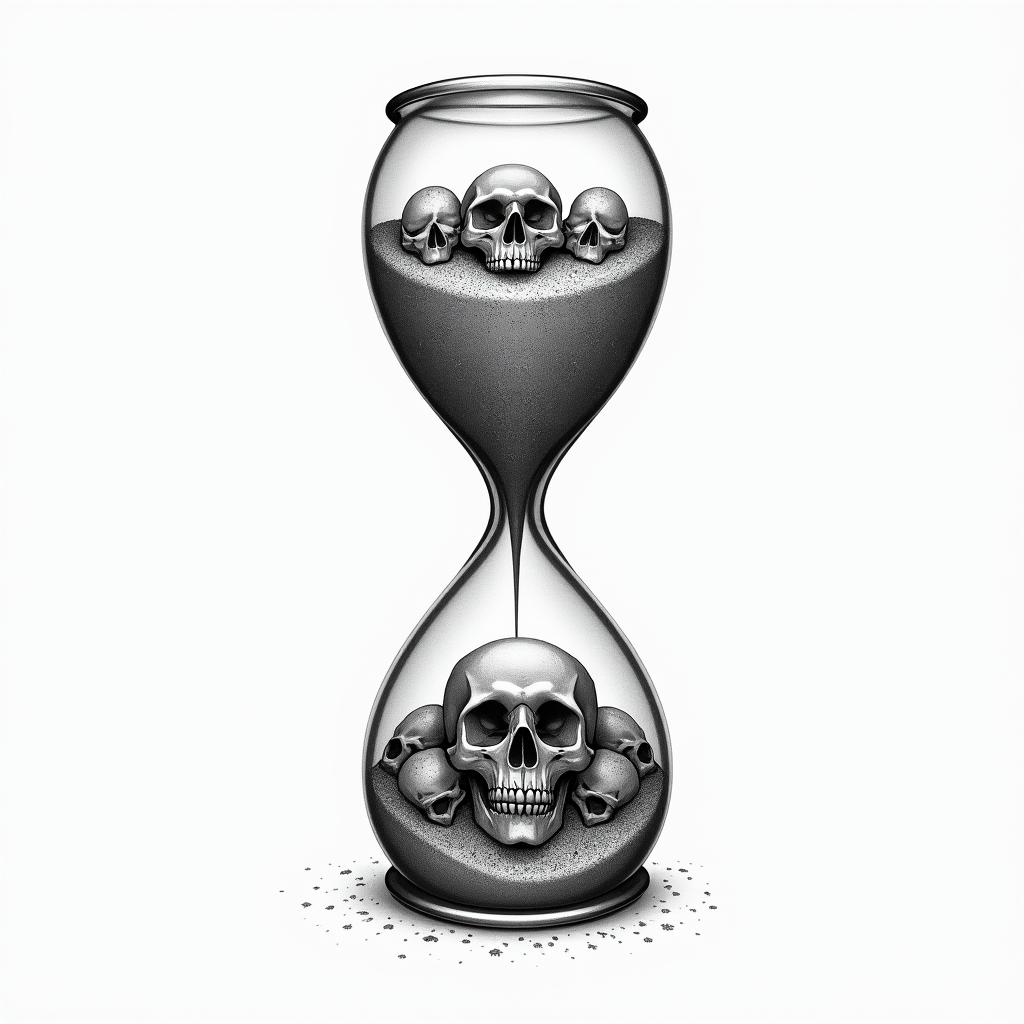
Hourglass with sand and skulls in geometric style tattoo, blending hexagons, mandala-inspired patterns, symmetrical and fractal design, clean lines, sharp angles
Hourglass with sand and skulls in geometric style tattoo, blending hexagons, mandala-inspired patterns, symmetrical and fractal design, clean lines, sharp angles
Geometric
View Bees on hive with gladiolus and poppy flower in geometric style tattoo, blending hexagons, mandala-inspired patterns, symmetrical and fractal design, clean lines, sharp angles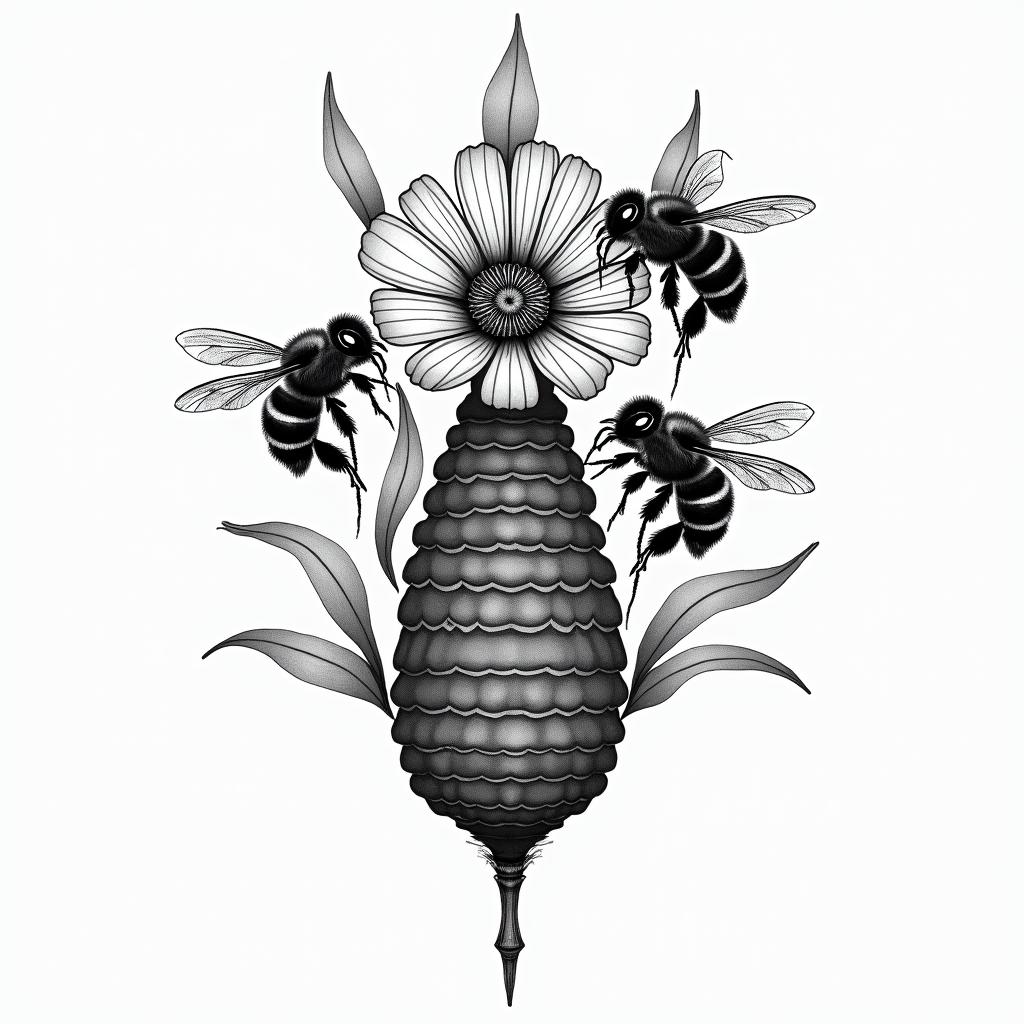
Bees on hive with gladiolus and poppy flower in geometric style tattoo, blending hexagons, mandala-inspired patterns, symmetrical and fractal design, clean lines, sharp angles
Bees on hive with gladiolus and poppy flower in geometric style tattoo, blending hexagons, mandala-inspired patterns, symmetrical and fractal design, clean lines, sharp angles
Geometric
View Eclair adventure music in geometric style tattoo, blending hexagons, mandala-inspired patterns, symmetrical and fractal design, clean lines, sharp angles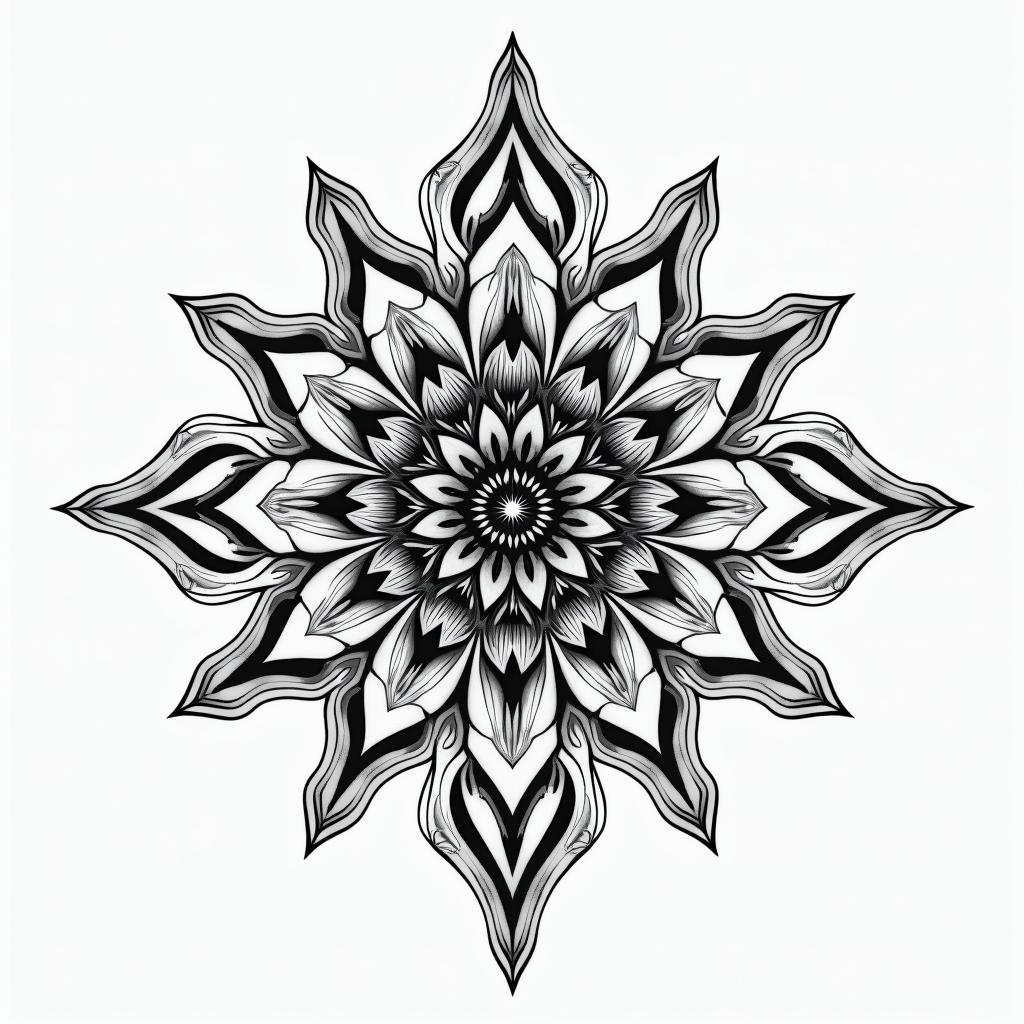
Eclair adventure music in geometric style tattoo, blending hexagons, mandala-inspired patterns, symmetrical and fractal design, clean lines, sharp angles
Eclair adventure music in geometric style tattoo, blending hexagons, mandala-inspired patterns, symmetrical and fractal design, clean lines, sharp angles
Geometric
View Motherhood in geometric style tattoo, blending hexagons, mandala-inspired patterns, symmetrical and fractal design, clean lines, sharp angles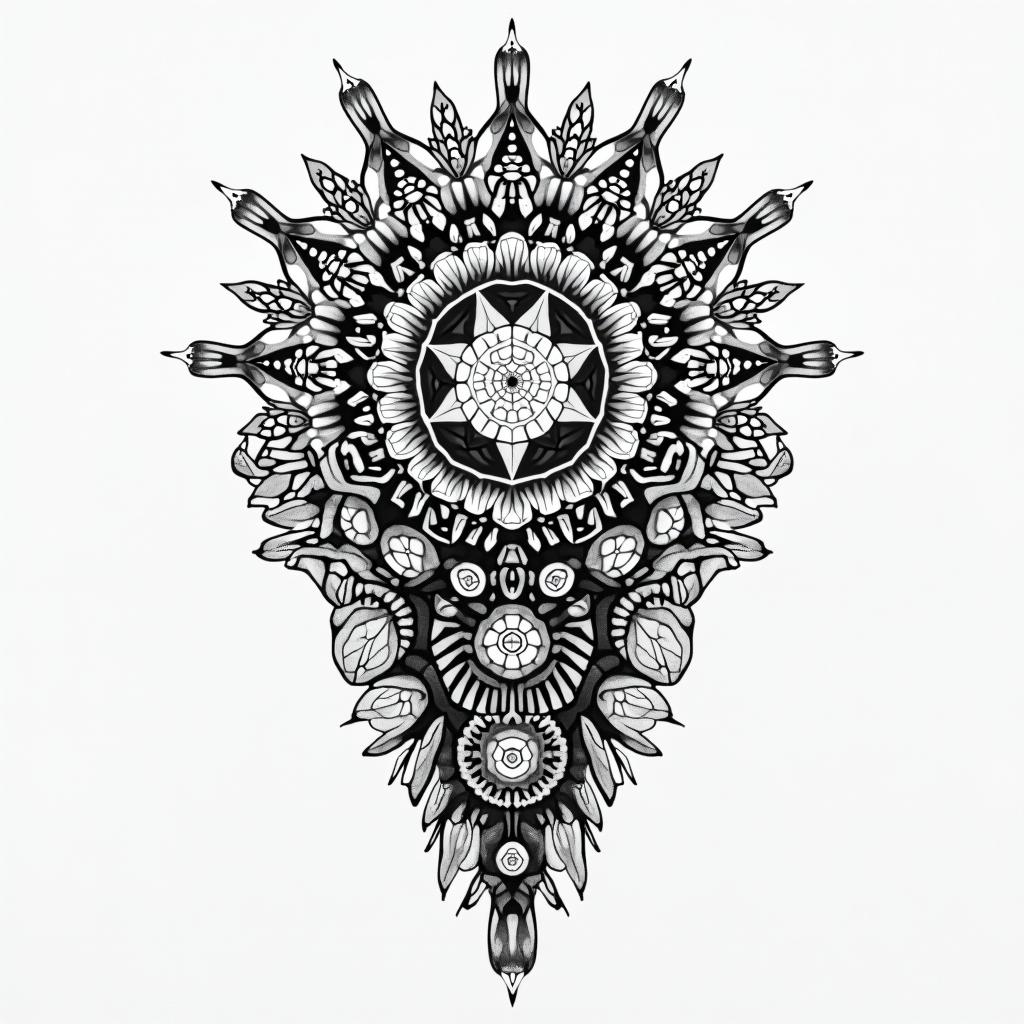
Motherhood in geometric style tattoo, blending hexagons, mandala-inspired patterns, symmetrical and fractal design, clean lines, sharp angles
Motherhood in geometric style tattoo, blending hexagons, mandala-inspired patterns, symmetrical and fractal design, clean lines, sharp angles
Geometric
View Simple letters “NMRK” in geometric style tattoo, blending hexagons, mandala-inspired patterns, symmetrical and fractal design, clean lines, sharp angles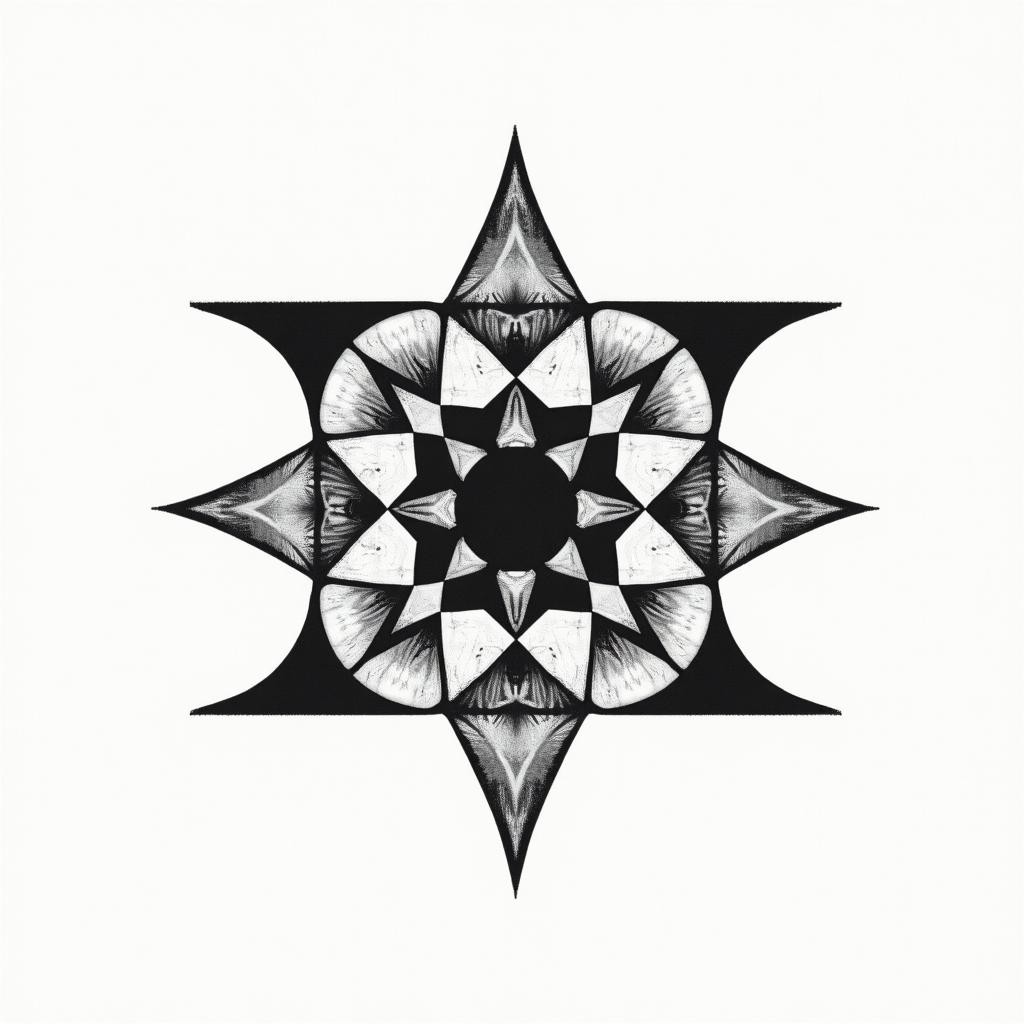
Simple letters “NMRK” in geometric style tattoo, blending hexagons, mandala-inspired patterns, symmetrical and fractal design, clean lines, sharp angles
Simple letters “NMRK” in geometric style tattoo, blending hexagons, mandala-inspired patterns, symmetrical and fractal design, clean lines, sharp angles
Geometric
View Scale in geometric style tattoo, blending hexagons, mandala-inspired patterns, symmetrical and fractal design, clean lines, sharp angles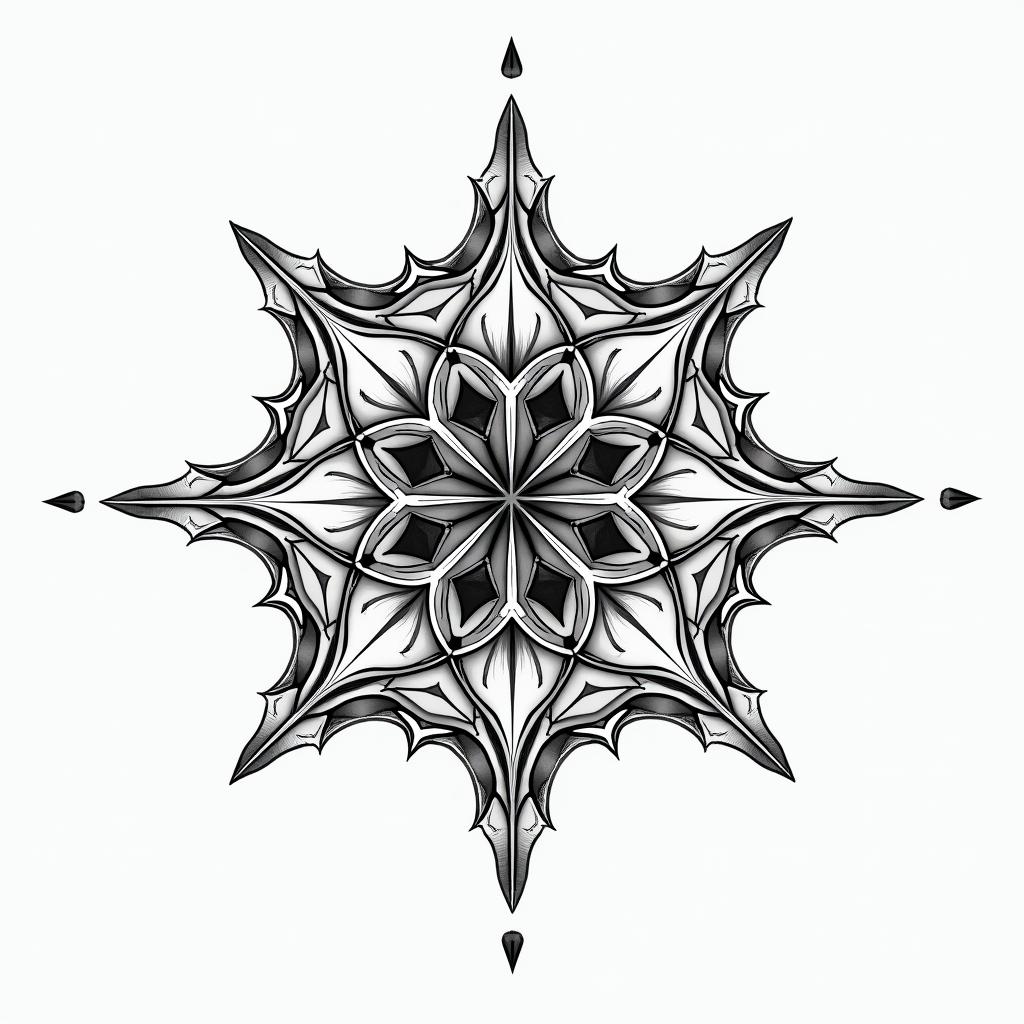
Scale in geometric style tattoo, blending hexagons, mandala-inspired patterns, symmetrical and fractal design, clean lines, sharp angles
Scale in geometric style tattoo, blending hexagons, mandala-inspired patterns, symmetrical and fractal design, clean lines, sharp angles
Geometric
View Adventure. in geometric style tattoo, blending hexagons, mandala-inspired patterns, symmetrical and fractal design, clean lines, sharp angles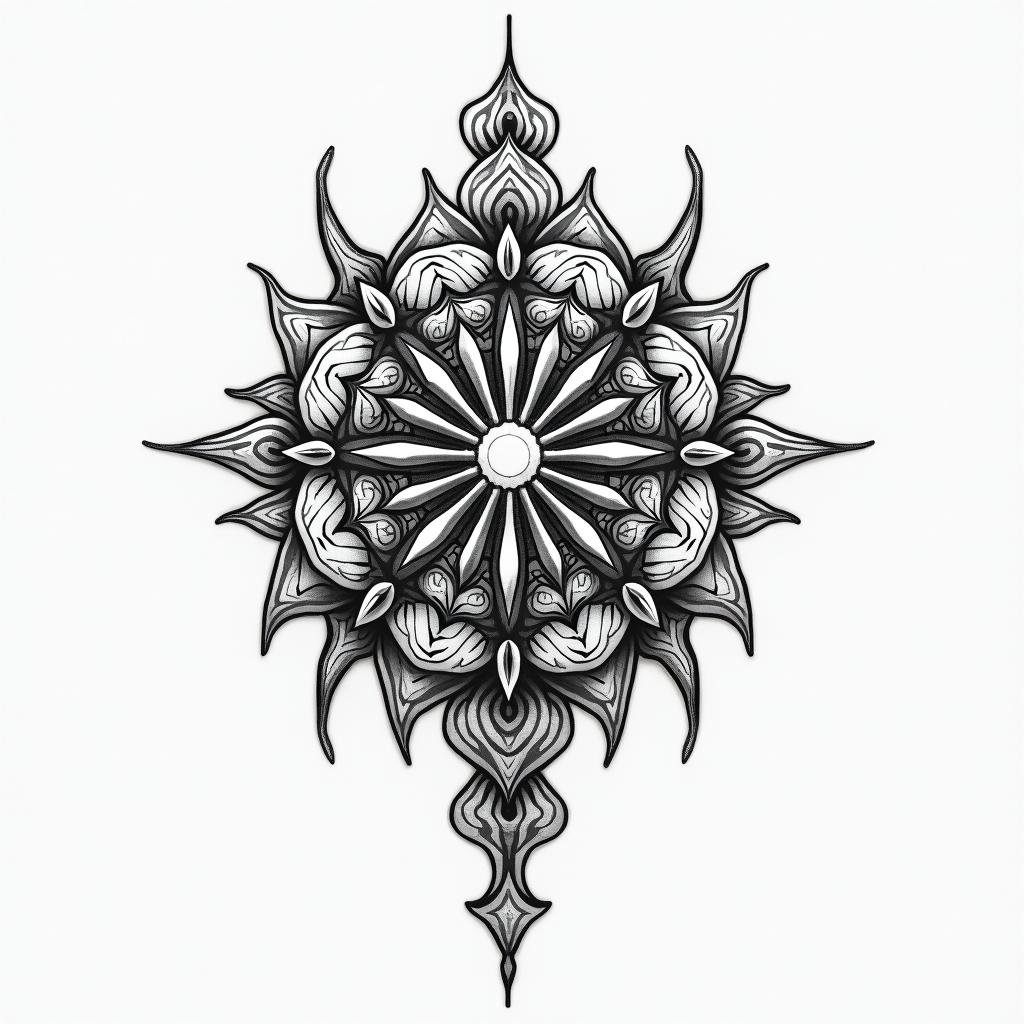
Adventure. in geometric style tattoo, blending hexagons, mandala-inspired patterns, symmetrical and fractal design, clean lines, sharp angles
Adventure. in geometric style tattoo, blending hexagons, mandala-inspired patterns, symmetrical and fractal design, clean lines, sharp angles
Geometric
View Princess with owl headdress in geometric style tattoo, blending hexagons, mandala-inspired patterns, symmetrical and fractal design, clean lines, sharp angles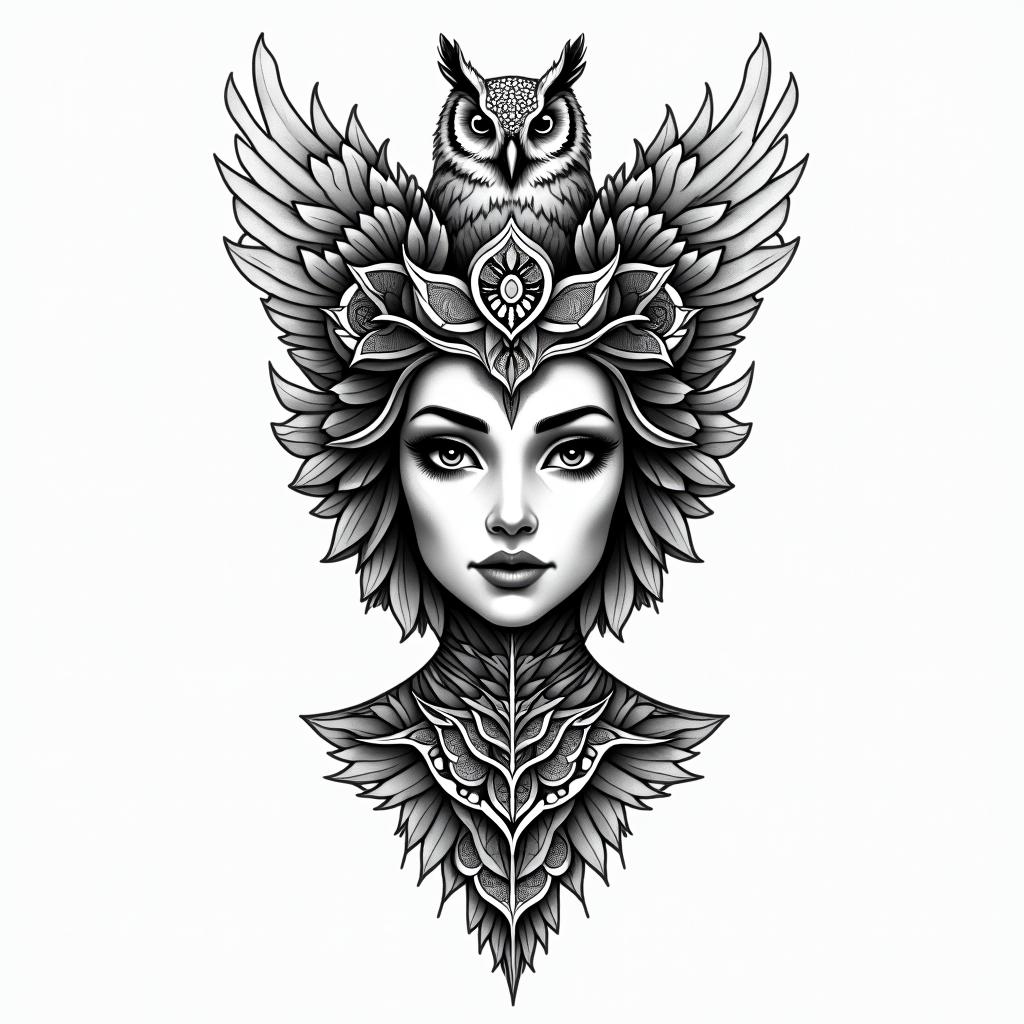
Princess with owl headdress in geometric style tattoo, blending hexagons, mandala-inspired patterns, symmetrical and fractal design, clean lines, sharp angles
Princess with owl headdress in geometric style tattoo, blending hexagons, mandala-inspired patterns, symmetrical and fractal design, clean lines, sharp angles
Geometric
View tribal tattoo with two large squares in the each side of the chest with a obelisk shaped (diamond the larger top than bottom half, in the center of the chest. black line work with baby blue highlights around circular patterns. cover the cut of the chest up. do not cover the abdomen. cover the arms to the short sleeve length. Cover the shoulderblades in the back. shadowing in black/ grey to provide depth. in geometric style tattoo, blending hexagons, mandala-inspired patterns, symmetrical and fractal design, clean lines, sharp angles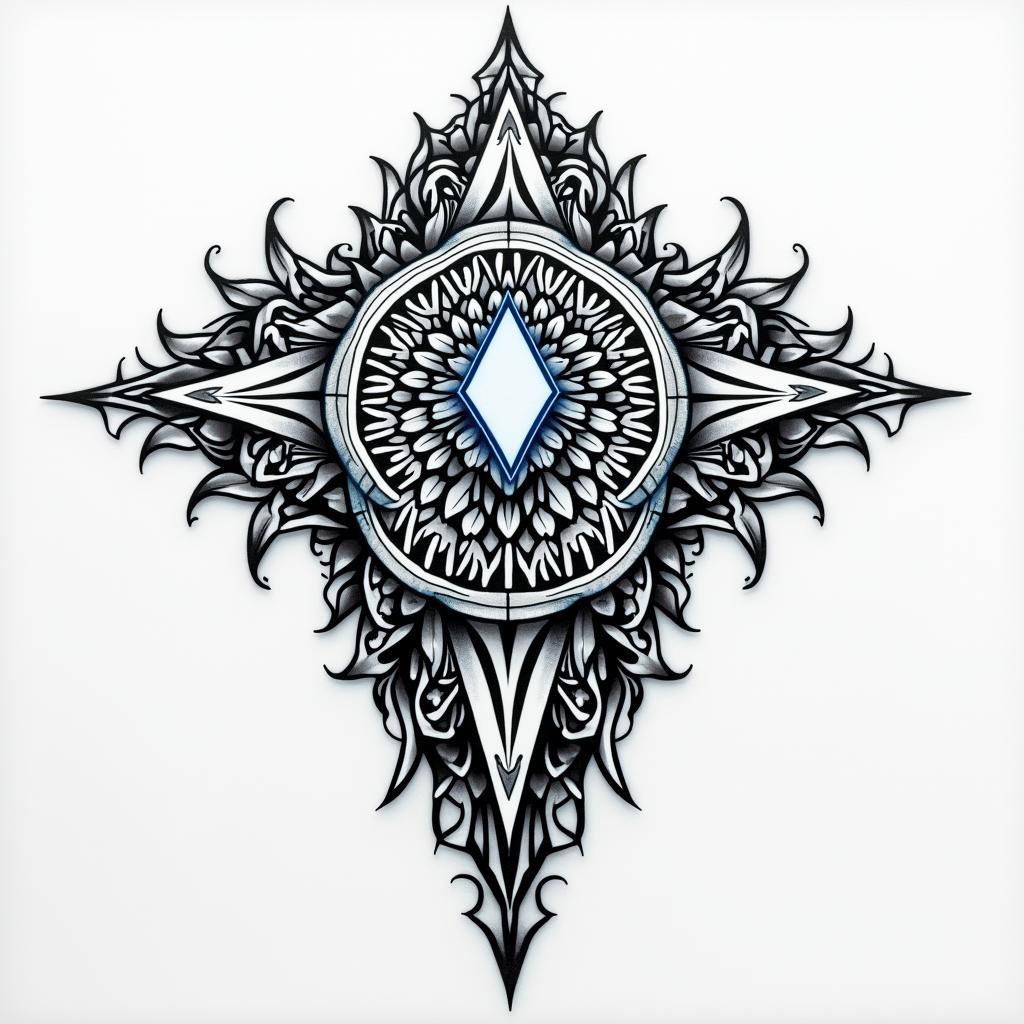
tribal tattoo with two large squares in the each side of the chest with a obelisk shaped (diamond the larger top than bottom half, in the center of the chest. black line work with baby blue highlights around circular patterns. cover the cut of the chest up. do not cover the abdomen. cover the arms to the short sleeve length. Cover the shoulderblades in the back. shadowing in black/ grey to provide depth. in geometric style tattoo, blending hexagons, mandala-inspired patterns, symmetrical and fractal design, clean lines, sharp angles
tribal tattoo with two large squares in the each side of the chest with a obelisk shaped (diamond the larger top than bottom half, in the center of the chest. black line work with baby blue highlights around circular patterns. cover the cut of the chest up. do not cover the abdomen. cover the arms to the short sleeve length. Cover the shoulderblades in the back. shadowing in black/ grey to provide depth. in geometric style tattoo, blending hexagons, mandala-inspired patterns, symmetrical and fractal design, clean lines, sharp angles
View Time piece with what's a king without a crown and a simple crown in geometric style tattoo, blending hexagons, mandala-inspired patterns, symmetrical and fractal design, clean lines, sharp angles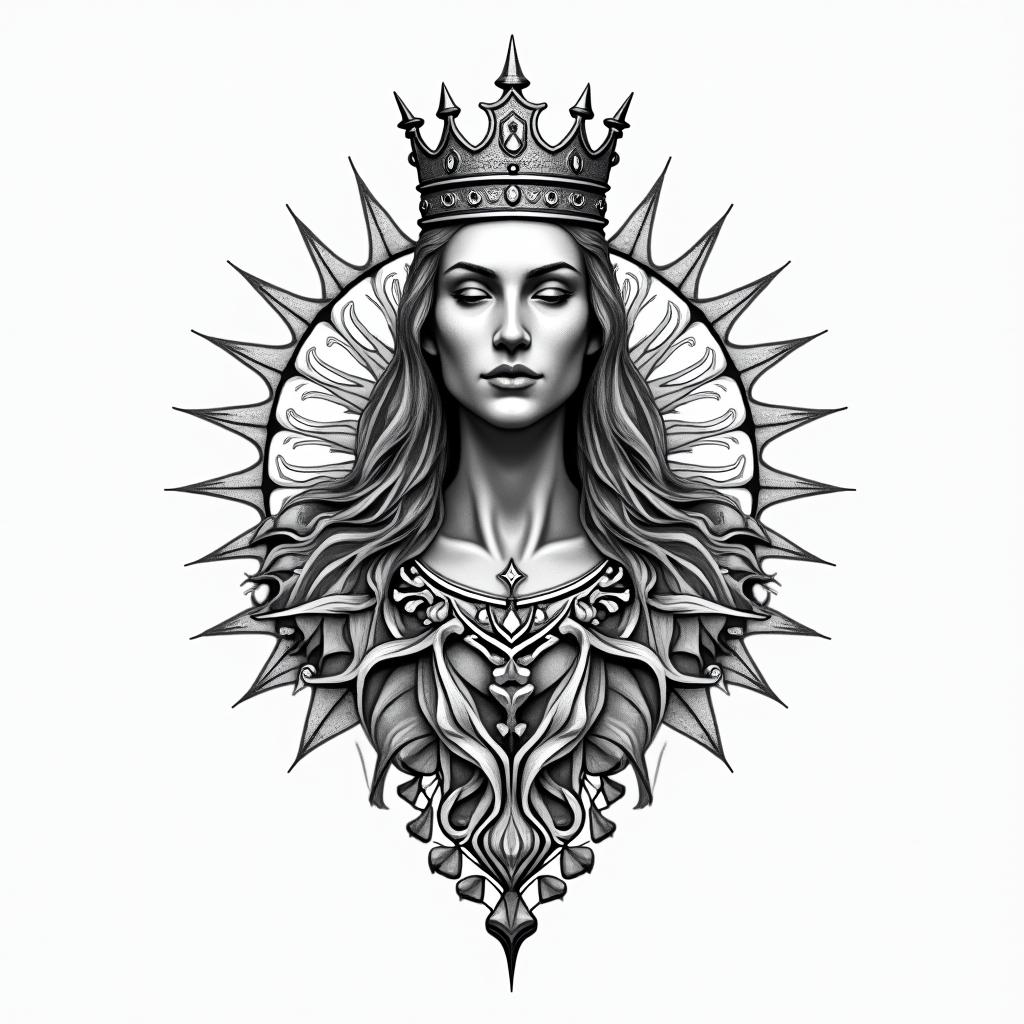
Time piece with what's a king without a crown and a simple crown in geometric style tattoo, blending hexagons, mandala-inspired patterns, symmetrical and fractal design, clean lines, sharp angles
Time piece with what's a king without a crown and a simple crown in geometric style tattoo, blending hexagons, mandala-inspired patterns, symmetrical and fractal design, clean lines, sharp angles
Geometric
View Greek mythology statue of Asclepius and Thanatos. in geometric style tattoo, blending hexagons, mandala-inspired patterns, symmetrical and fractal design, clean lines, sharp angles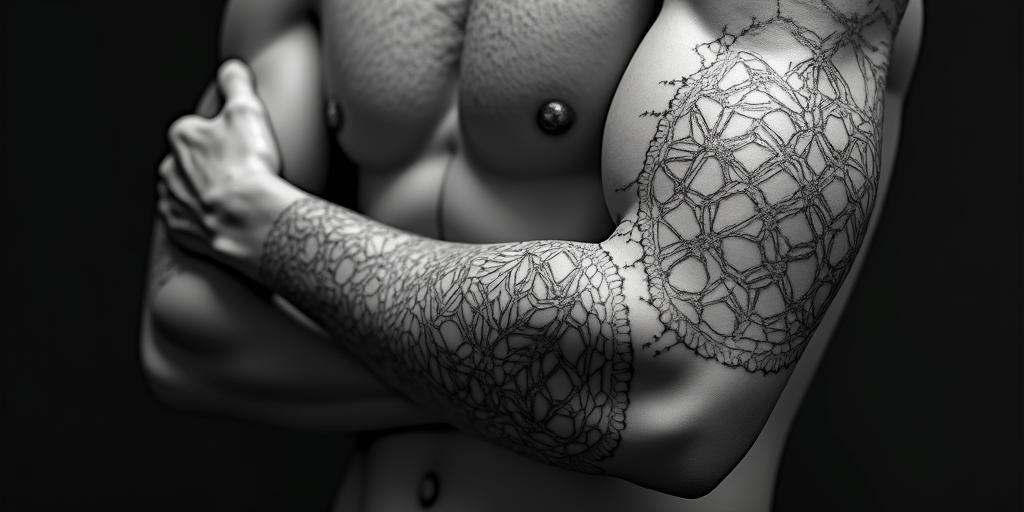
Greek mythology statue of Asclepius and Thanatos. in geometric style tattoo, blending hexagons, mandala-inspired patterns, symmetrical and fractal design, clean lines, sharp angles
Greek mythology statue of Asclepius and Thanatos. in geometric style tattoo, blending hexagons, mandala-inspired patterns, symmetrical and fractal design, clean lines, sharp angles
Geometric
View Norse symbols of protection and good luck in geometric style tattoo, blending hexagons, mandala-inspired patterns, symmetrical and fractal design, clean lines, sharp angles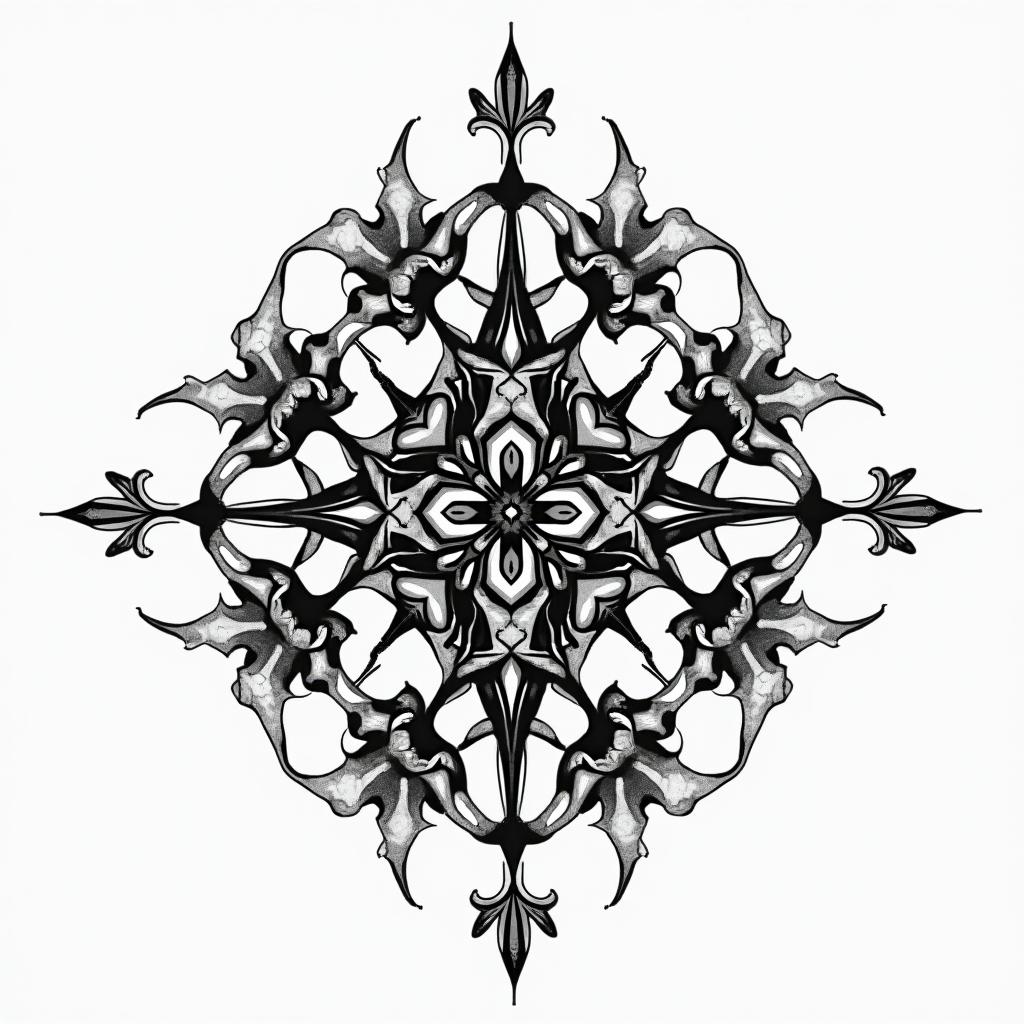
Norse symbols of protection and good luck in geometric style tattoo, blending hexagons, mandala-inspired patterns, symmetrical and fractal design, clean lines, sharp angles
Norse symbols of protection and good luck in geometric style tattoo, blending hexagons, mandala-inspired patterns, symmetrical and fractal design, clean lines, sharp angles
Geometric
View Forest theme tattoo, with animals and a sunrise, for a full arm sleeve in geometric style tattoo, blending hexagons, mandala-inspired patterns, symmetrical and fractal design, clean lines, sharp angles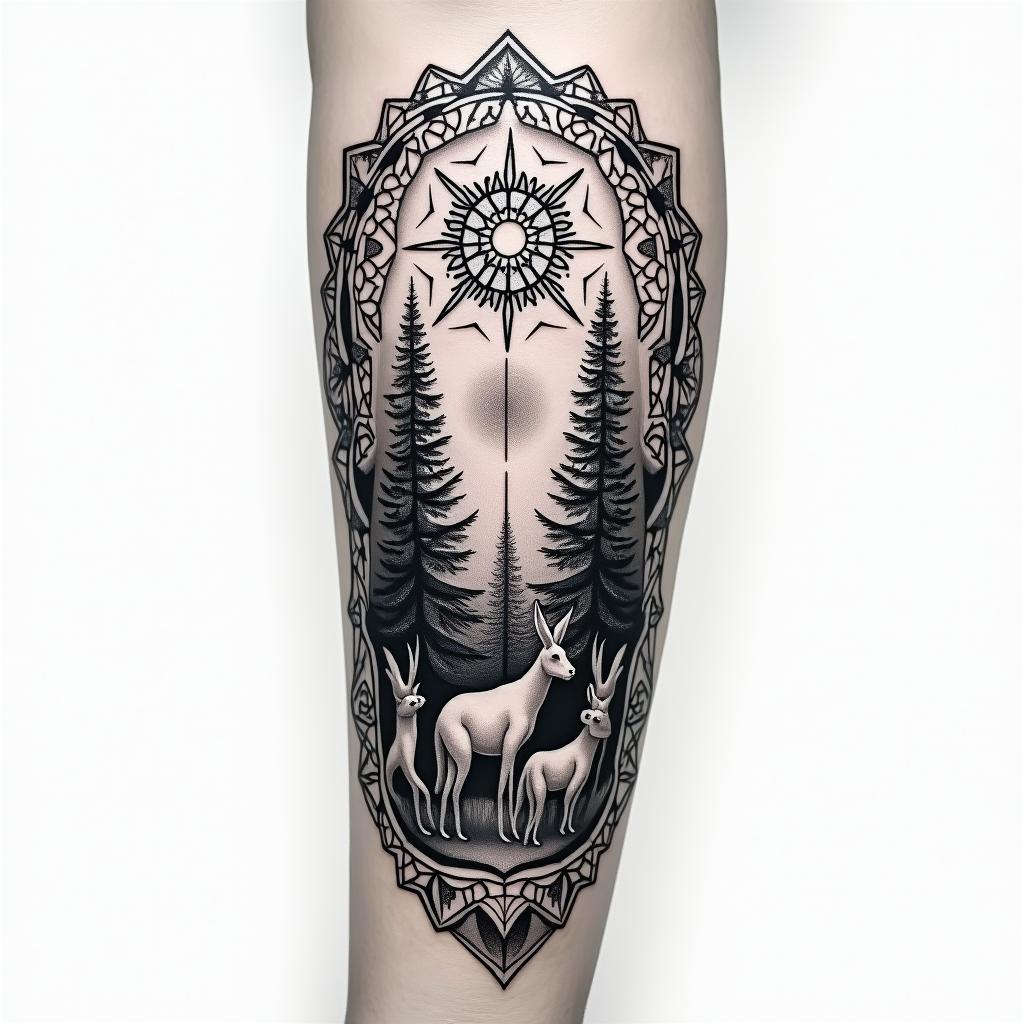
Forest theme tattoo, with animals and a sunrise, for a full arm sleeve in geometric style tattoo, blending hexagons, mandala-inspired patterns, symmetrical and fractal design, clean lines, sharp angles
Forest theme tattoo, with animals and a sunrise, for a full arm sleeve in geometric style tattoo, blending hexagons, mandala-inspired patterns, symmetrical and fractal design, clean lines, sharp angles
Geometric
View Astrology in geometric style tattoo, blending hexagons, mandala-inspired patterns, symmetrical and fractal design, clean lines, sharp angles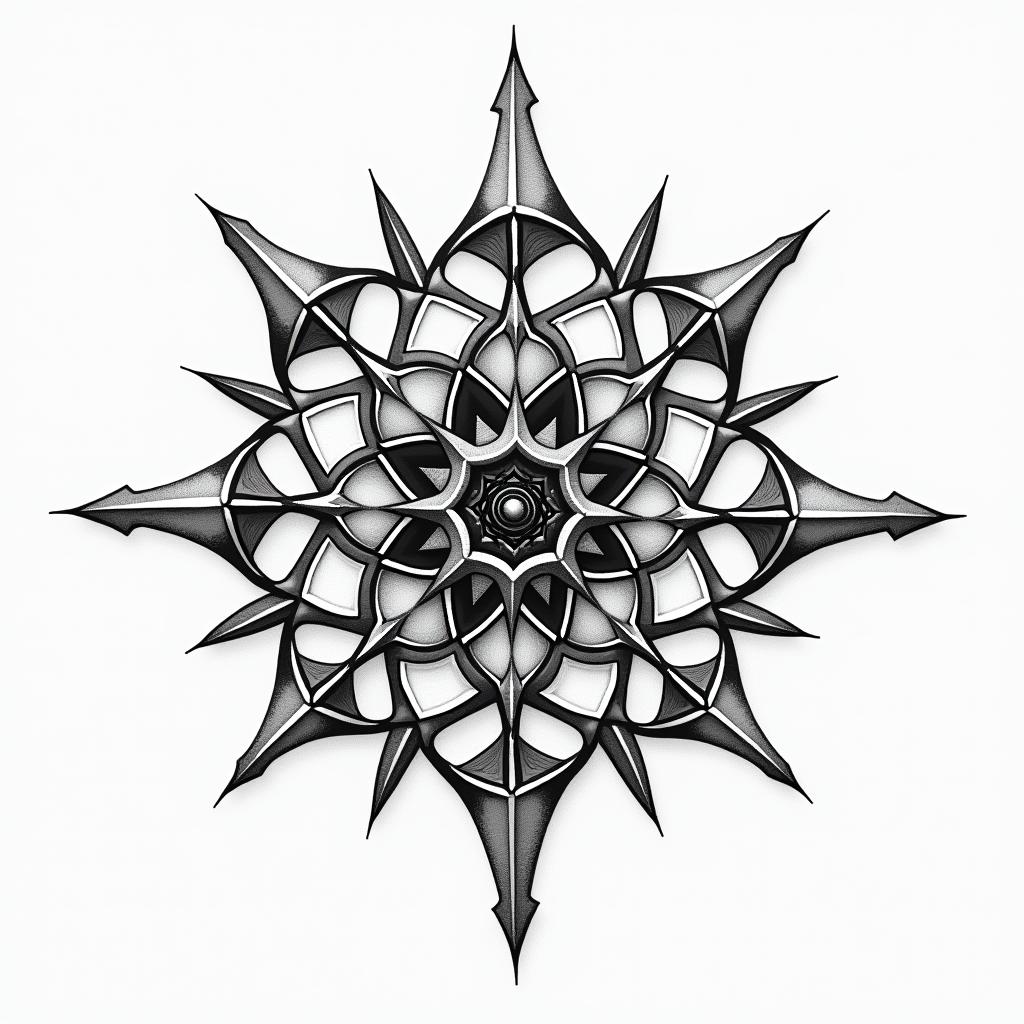
Astrology in geometric style tattoo, blending hexagons, mandala-inspired patterns, symmetrical and fractal design, clean lines, sharp angles
Astrology in geometric style tattoo, blending hexagons, mandala-inspired patterns, symmetrical and fractal design, clean lines, sharp angles
Geometric
View Flower of life geometric in geometric style tattoo, blending hexagons, mandala-inspired patterns, symmetrical and fractal design, clean lines, sharp angles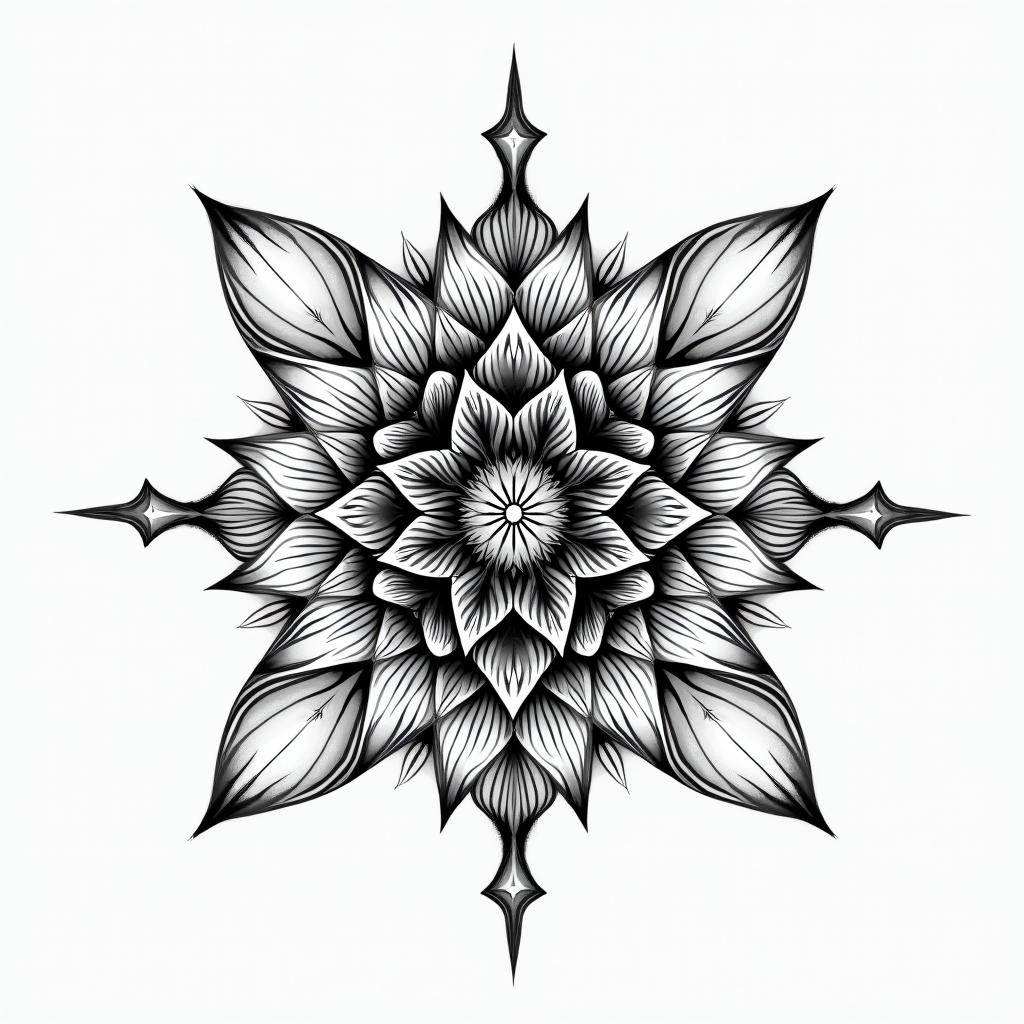
Flower of life geometric in geometric style tattoo, blending hexagons, mandala-inspired patterns, symmetrical and fractal design, clean lines, sharp angles
Flower of life geometric in geometric style tattoo, blending hexagons, mandala-inspired patterns, symmetrical and fractal design, clean lines, sharp angles
Geometric
View Tree of life with roots and branches in geometric style tattoo, blending hexagons, mandala-inspired patterns, symmetrical and fractal design, clean lines, sharp angles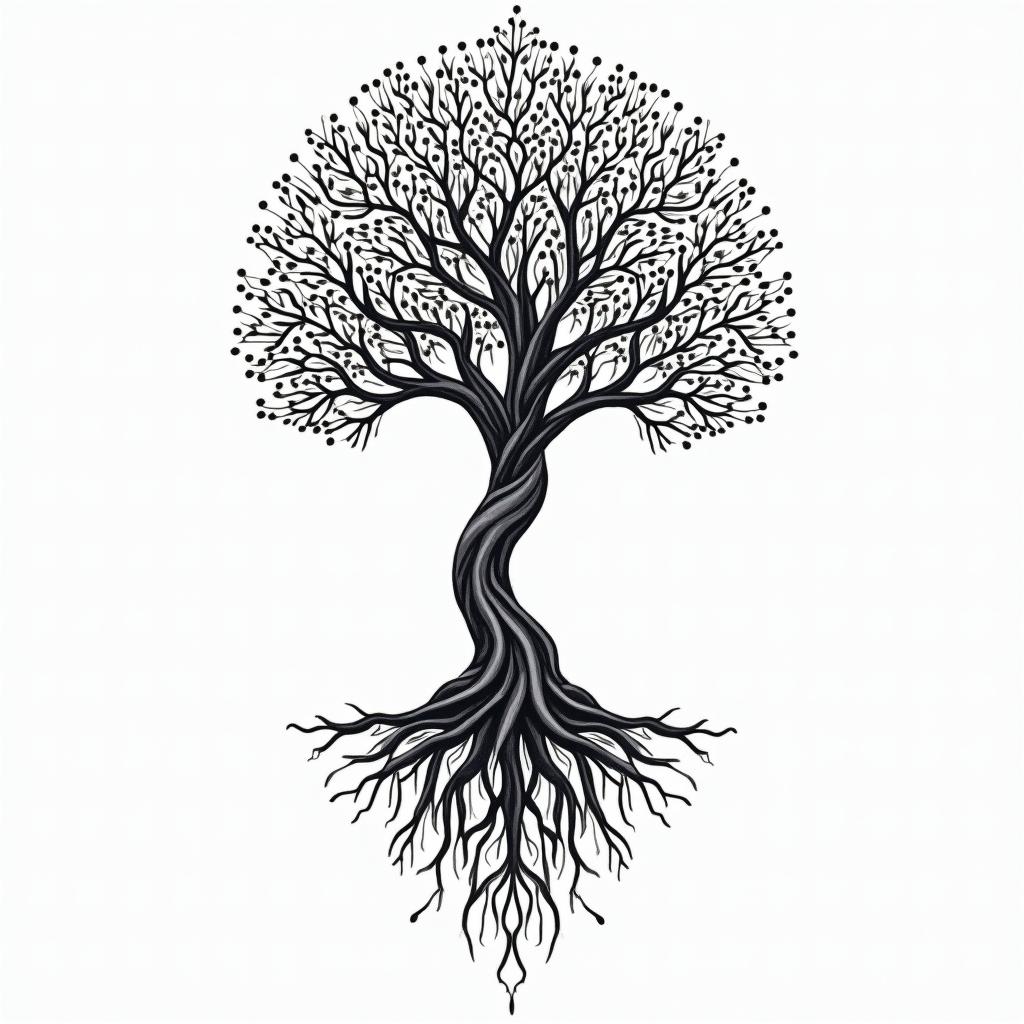
Tree of life with roots and branches in geometric style tattoo, blending hexagons, mandala-inspired patterns, symmetrical and fractal design, clean lines, sharp angles
Tree of life with roots and branches in geometric style tattoo, blending hexagons, mandala-inspired patterns, symmetrical and fractal design, clean lines, sharp angles
Geometric
View i would like a tatto oriental with a dragon for my arm in geometric style tattoo, blending hexagons, mandala-inspired patterns, symmetrical and fractal design, clean lines, sharp angles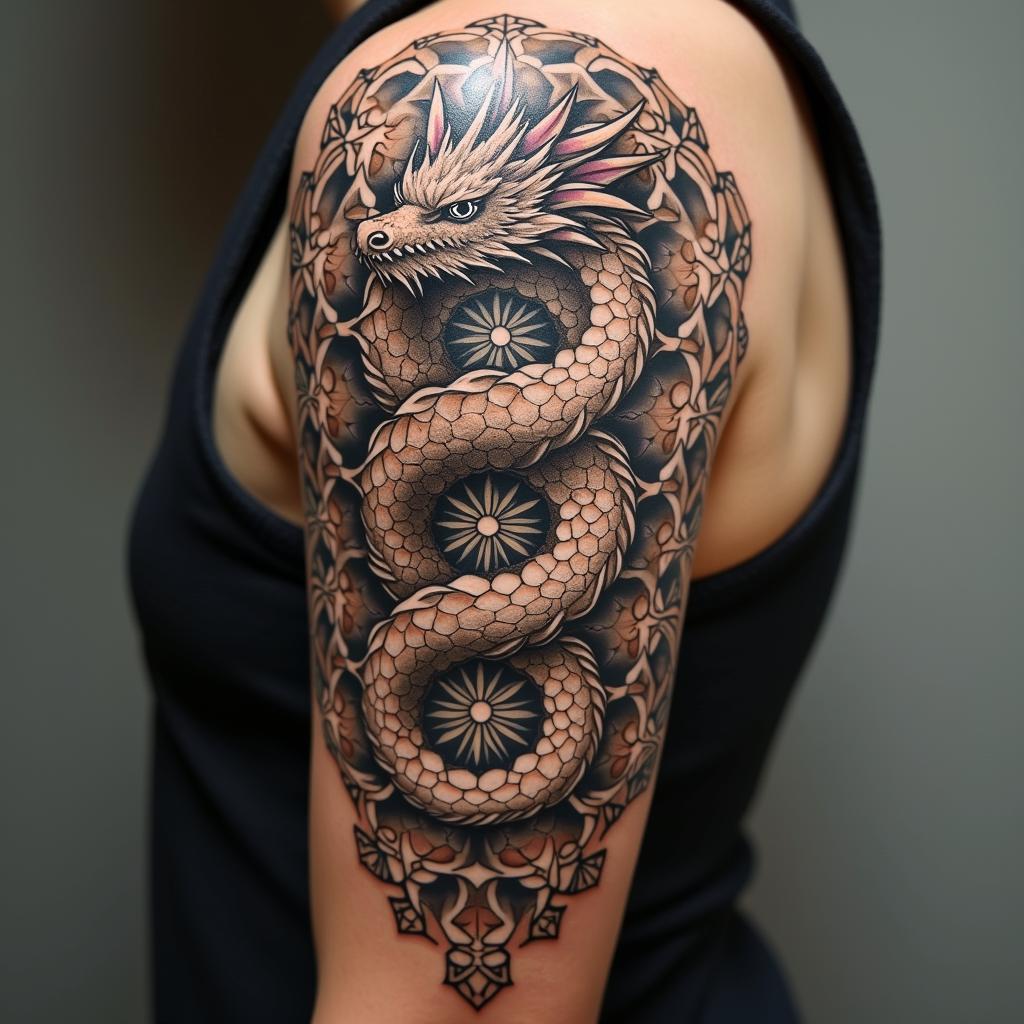
i would like a tatto oriental with a dragon for my arm in geometric style tattoo, blending hexagons, mandala-inspired patterns, symmetrical and fractal design, clean lines, sharp angles
i would like a tatto oriental with a dragon for my arm in geometric style tattoo, blending hexagons, mandala-inspired patterns, symmetrical and fractal design, clean lines, sharp angles
Geometric
View PS5 controller on top of a pile of books in geometric style tattoo, blending hexagons, mandala-inspired patterns, symmetrical and fractal design, clean lines, sharp angles
PS5 controller on top of a pile of books in geometric style tattoo, blending hexagons, mandala-inspired patterns, symmetrical and fractal design, clean lines, sharp angles
PS5 controller on top of a pile of books in geometric style tattoo, blending hexagons, mandala-inspired patterns, symmetrical and fractal design, clean lines, sharp angles
Geometric
View Brain and heart balance in geometric style tattoo, blending hexagons, mandala-inspired patterns, symmetrical and fractal design, clean lines, sharp angles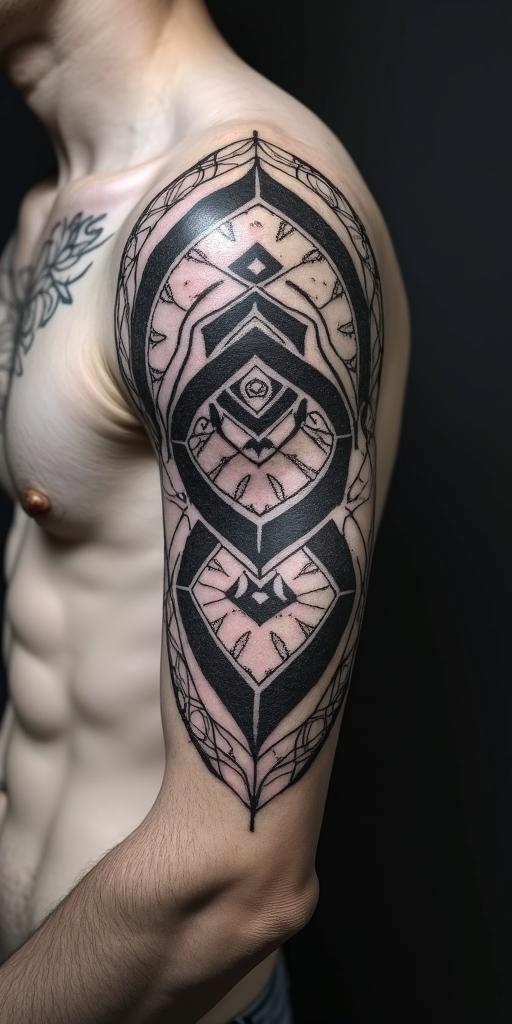
Brain and heart balance in geometric style tattoo, blending hexagons, mandala-inspired patterns, symmetrical and fractal design, clean lines, sharp angles
Brain and heart balance in geometric style tattoo, blending hexagons, mandala-inspired patterns, symmetrical and fractal design, clean lines, sharp angles
Geometric
View May 2 1973 1:32pm in geometric style tattoo, blending hexagons, mandala-inspired patterns, symmetrical and fractal design, clean lines, sharp angles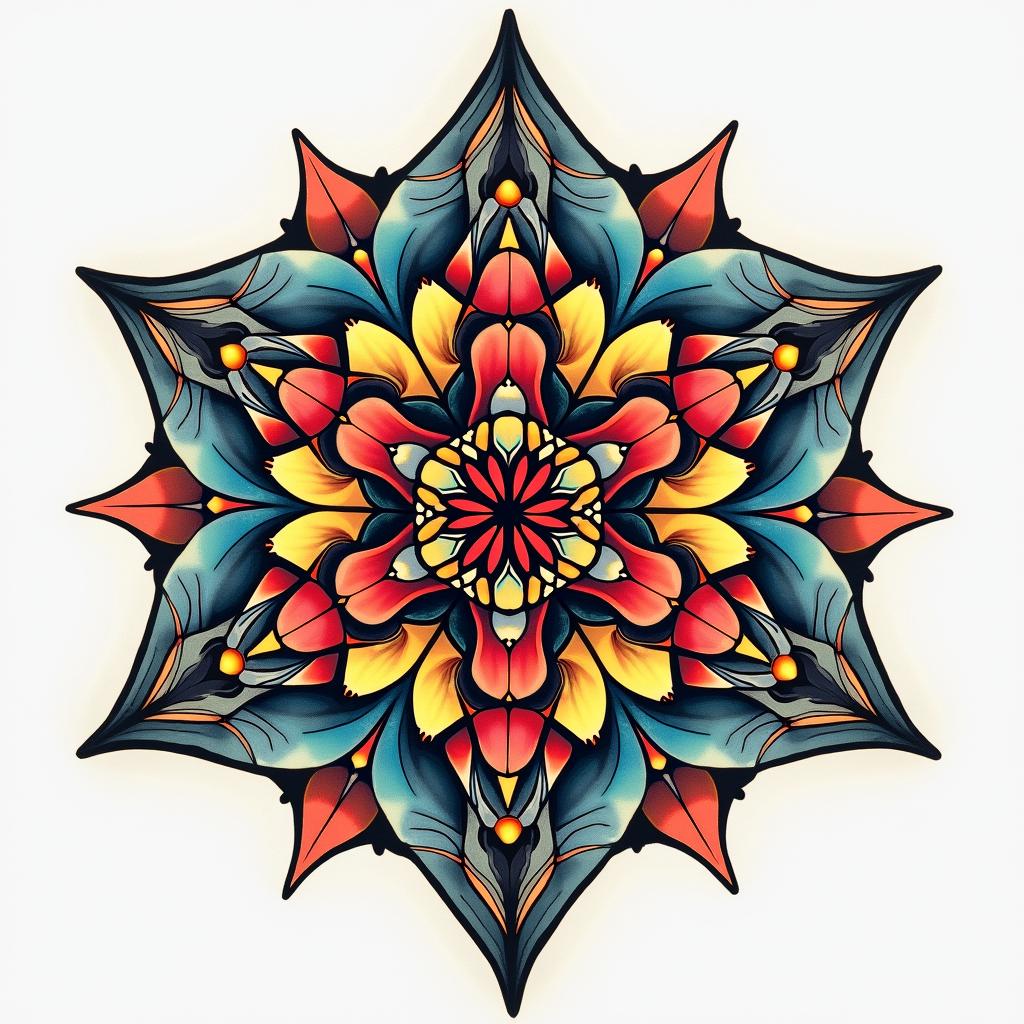
May 2 1973 1:32pm in geometric style tattoo, blending hexagons, mandala-inspired patterns, symmetrical and fractal design, clean lines, sharp angles
May 2 1973 1:32pm in geometric style tattoo, blending hexagons, mandala-inspired patterns, symmetrical and fractal design, clean lines, sharp angles
Geometric
View My brother, whose name is Yanis, passed away in a motorcycle accident. He is a Gemini, and I would like to get a simple and discreet tattoo in his memory. in geometric style tattoo, blending hexagons, mandala-inspired patterns, symmetrical and fractal design, clean lines, sharp angles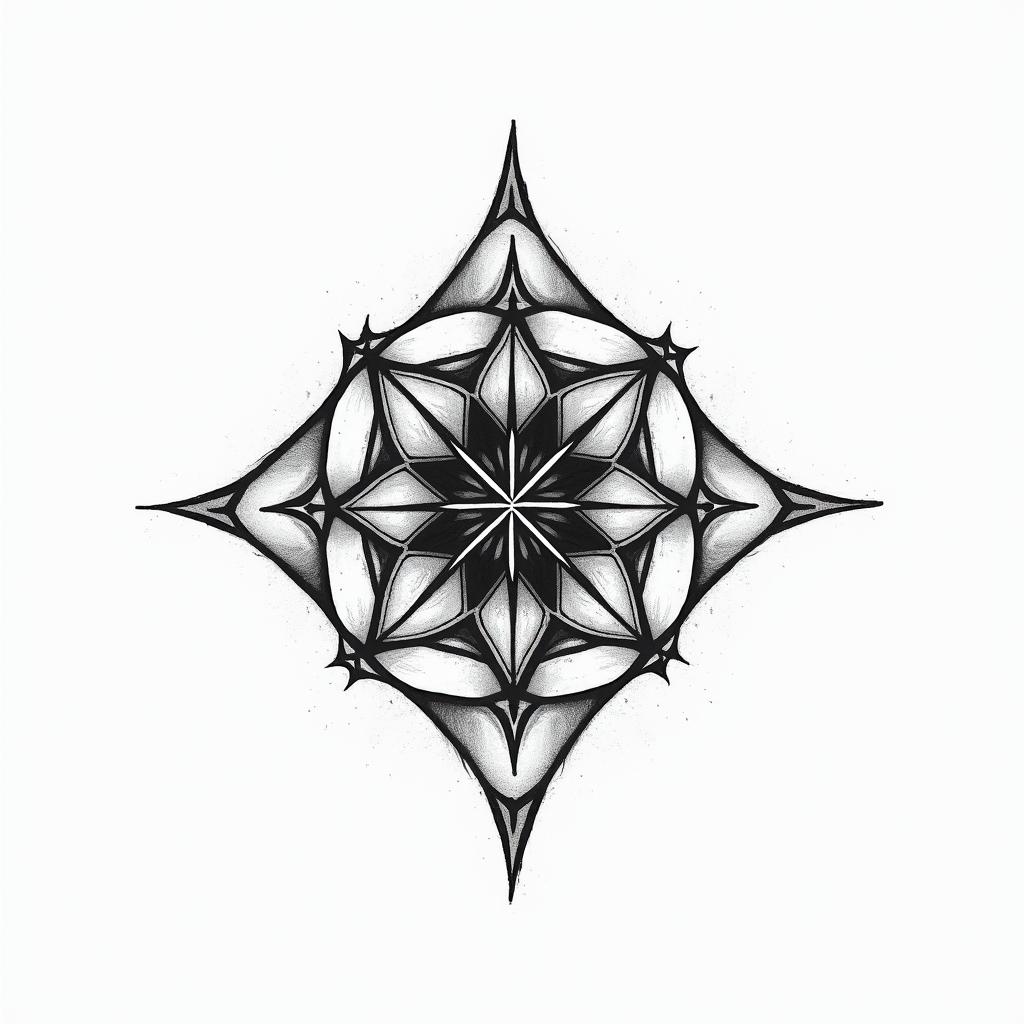
My brother, whose name is Yanis, passed away in a motorcycle accident. He is a Gemini, and I would like to get a simple and discreet tattoo in his memory. in geometric style tattoo, blending hexagons, mandala-inspired patterns, symmetrical and fractal design, clean lines, sharp angles
My brother, whose name is Yanis, passed away in a motorcycle accident. He is a Gemini, and I would like to get a simple and discreet tattoo in his memory. in geometric style tattoo, blending hexagons, mandala-inspired patterns, symmetrical and fractal design, clean lines, sharp angles
Geometric
View Mechanical gears fused with human anatomy in geometric style tattoo, blending hexagons, mandala-inspired patterns, symmetrical and fractal design, clean lines, sharp angles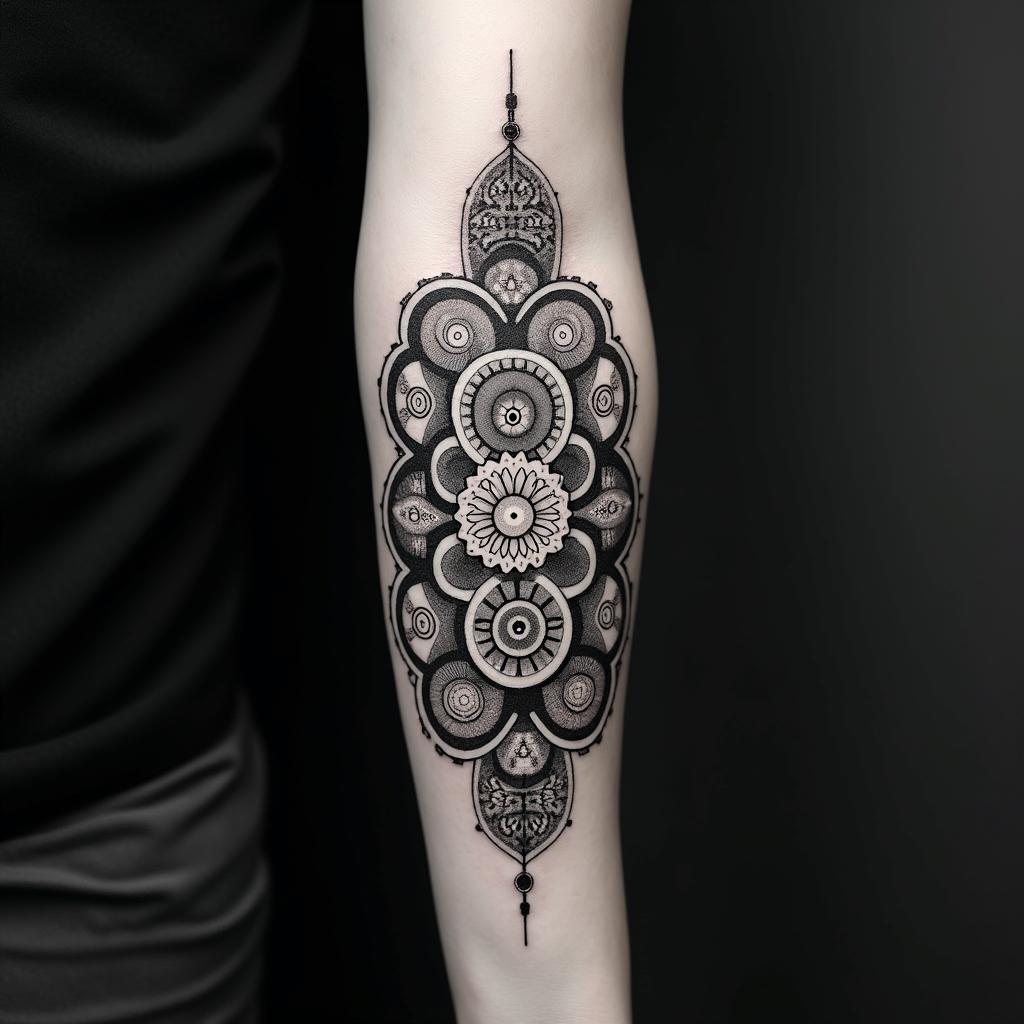
Mechanical gears fused with human anatomy in geometric style tattoo, blending hexagons, mandala-inspired patterns, symmetrical and fractal design, clean lines, sharp angles
Mechanical gears fused with human anatomy in geometric style tattoo, blending hexagons, mandala-inspired patterns, symmetrical and fractal design, clean lines, sharp angles
Geometric
View Broken clock in geometric style tattoo, blending hexagons, mandala-inspired patterns, symmetrical and fractal design, clean lines, sharp angles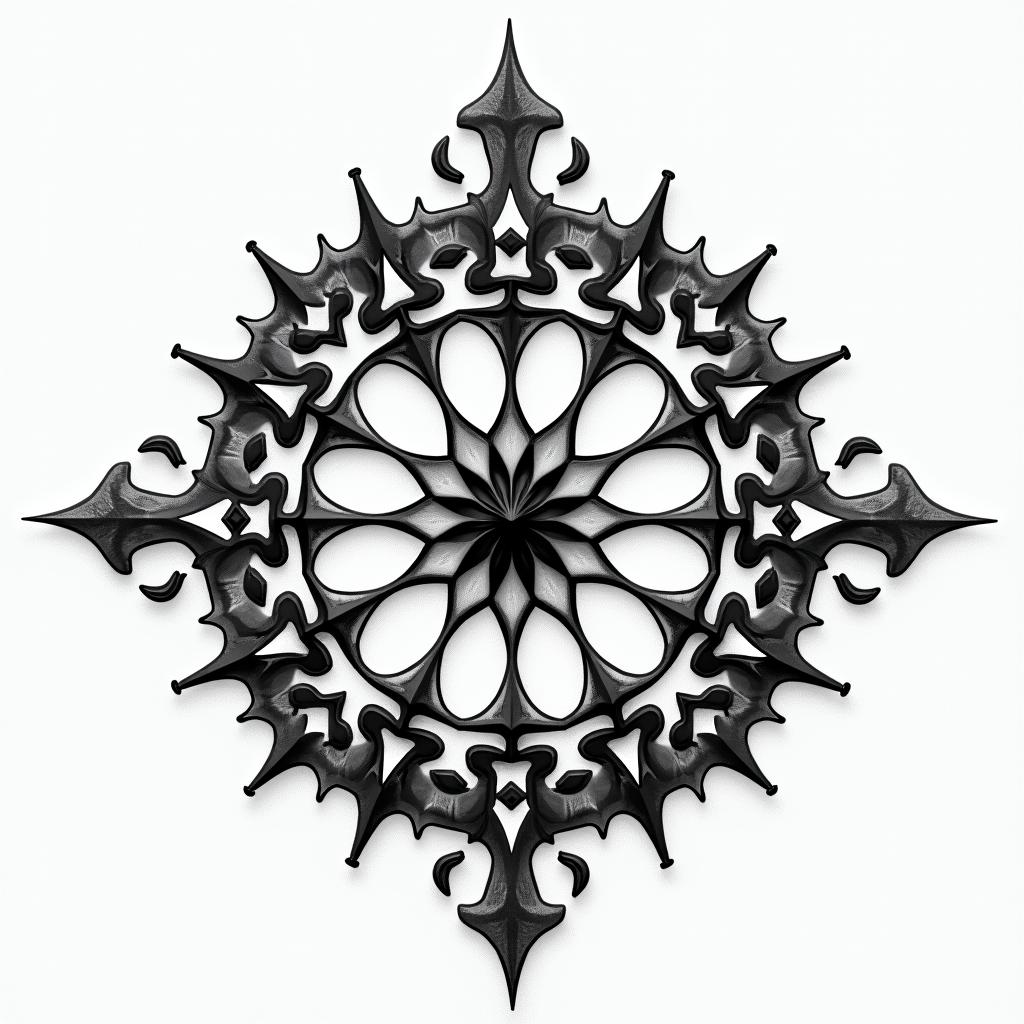
Broken clock in geometric style tattoo, blending hexagons, mandala-inspired patterns, symmetrical and fractal design, clean lines, sharp angles
Broken clock in geometric style tattoo, blending hexagons, mandala-inspired patterns, symmetrical and fractal design, clean lines, sharp angles
Geometric
View Crow in geometric style tattoo, blending hexagons, mandala-inspired patterns, symmetrical and fractal design, clean lines, sharp angles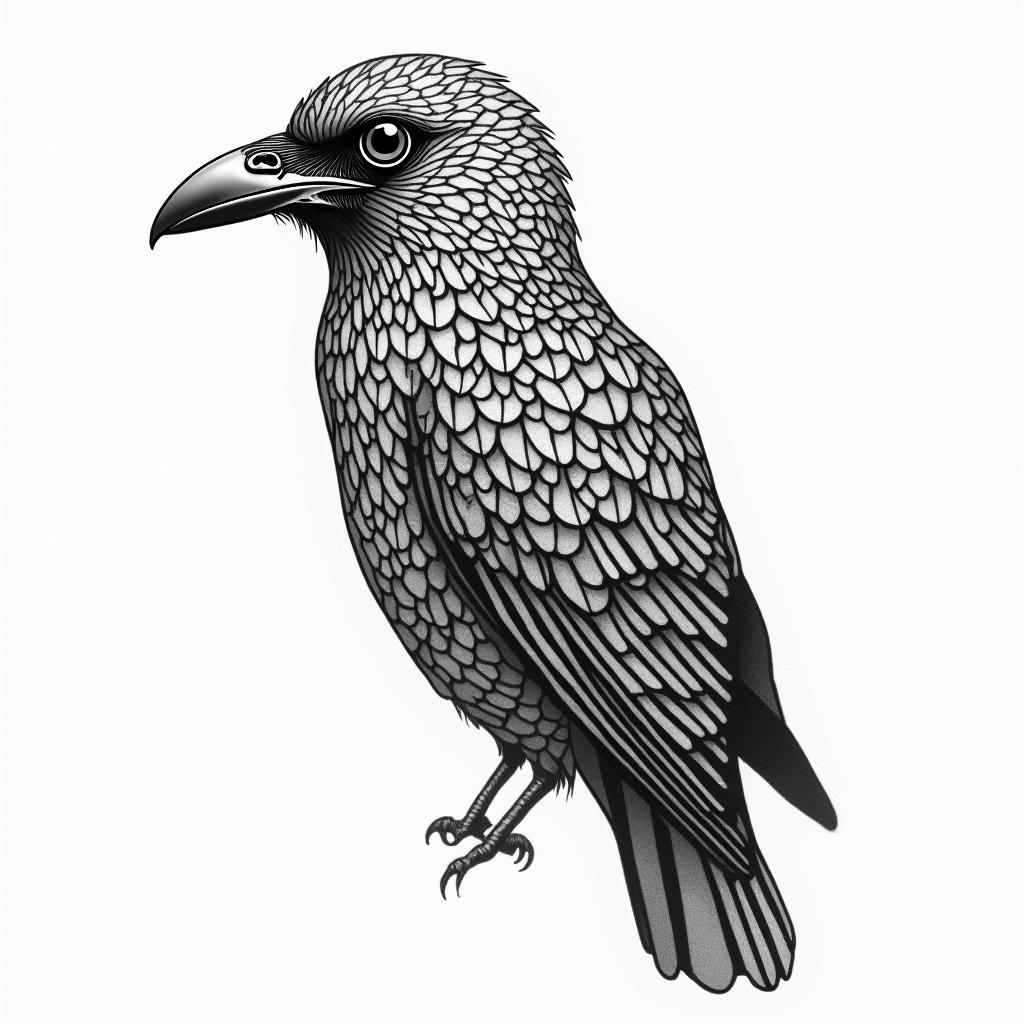
Crow in geometric style tattoo, blending hexagons, mandala-inspired patterns, symmetrical and fractal design, clean lines, sharp angles
Crow in geometric style tattoo, blending hexagons, mandala-inspired patterns, symmetrical and fractal design, clean lines, sharp angles
Geometric