History & Origins
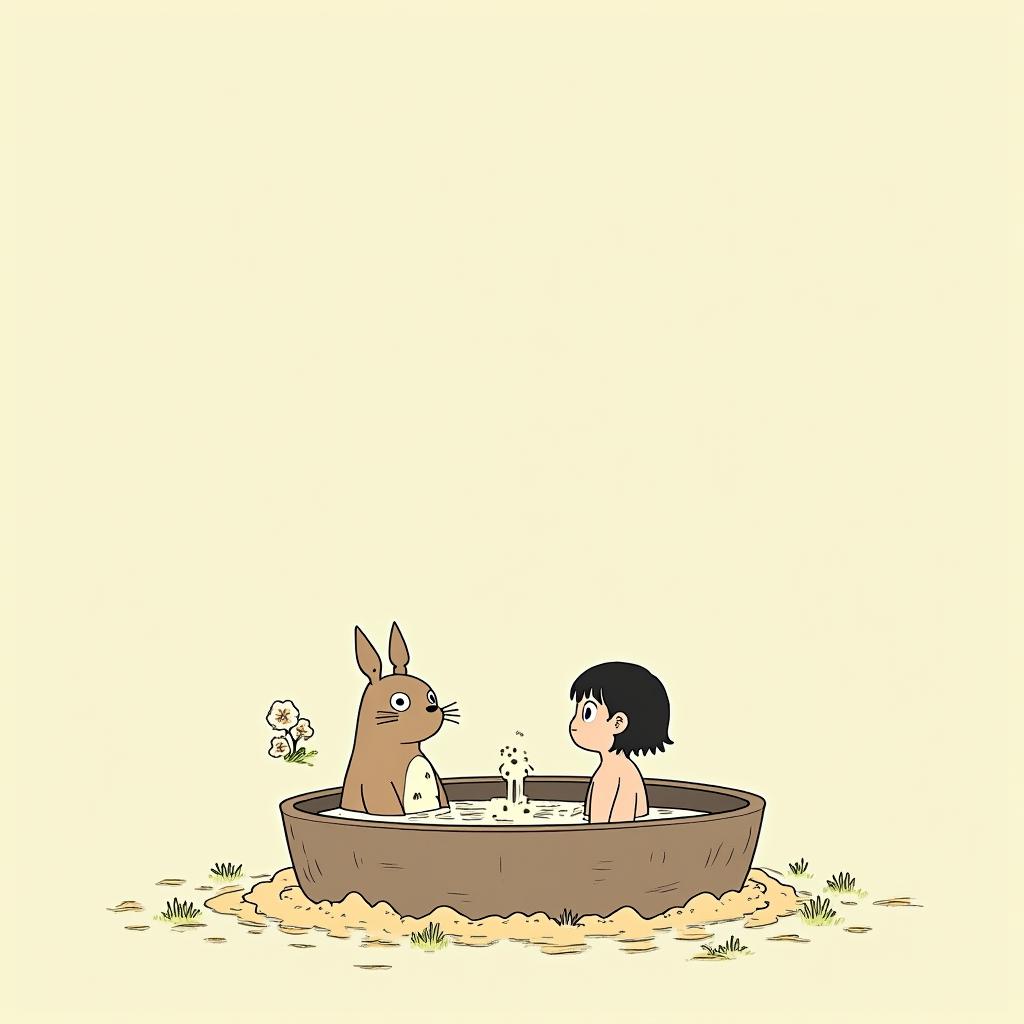
Studio Ghibli was founded in 1985 by Hayao Miyazaki, Isao Takahata, and Toshio Suzuki. The studio changed animation forever with films that blended Japanese folklore, environmentalism, and deeply human storytelling. Ghibli tattoos emerged as fans sought permanent tributes to these stories. The trend grew alongside anime's global expansion in the 2000s and 2010s. What started as small Totoro tattoos at conventions evolved into full sleeves featuring sprawling landscapes from Princess Mononoke or bathhouse scenes from Spirited Away. Unlike traditional Japanese tattooing (irezumi), which carries centuries of cultural code and Yakuza association, Ghibli tattoos are a modern phenomenon. They draw from animation, not ukiyo-e woodblocks. That distinction matters. A Ghibli tattoo references a specific filmography, not a broader cultural tradition. Still, the visual language overlaps. Miyazaki's work borrows heavily from Shinto mythology, forest spirits, and animism. So a Ghibli tattoo often carries the same reverence for nature found in traditional Japanese art, just filtered through a contemporary lens.
Defining Characteristics
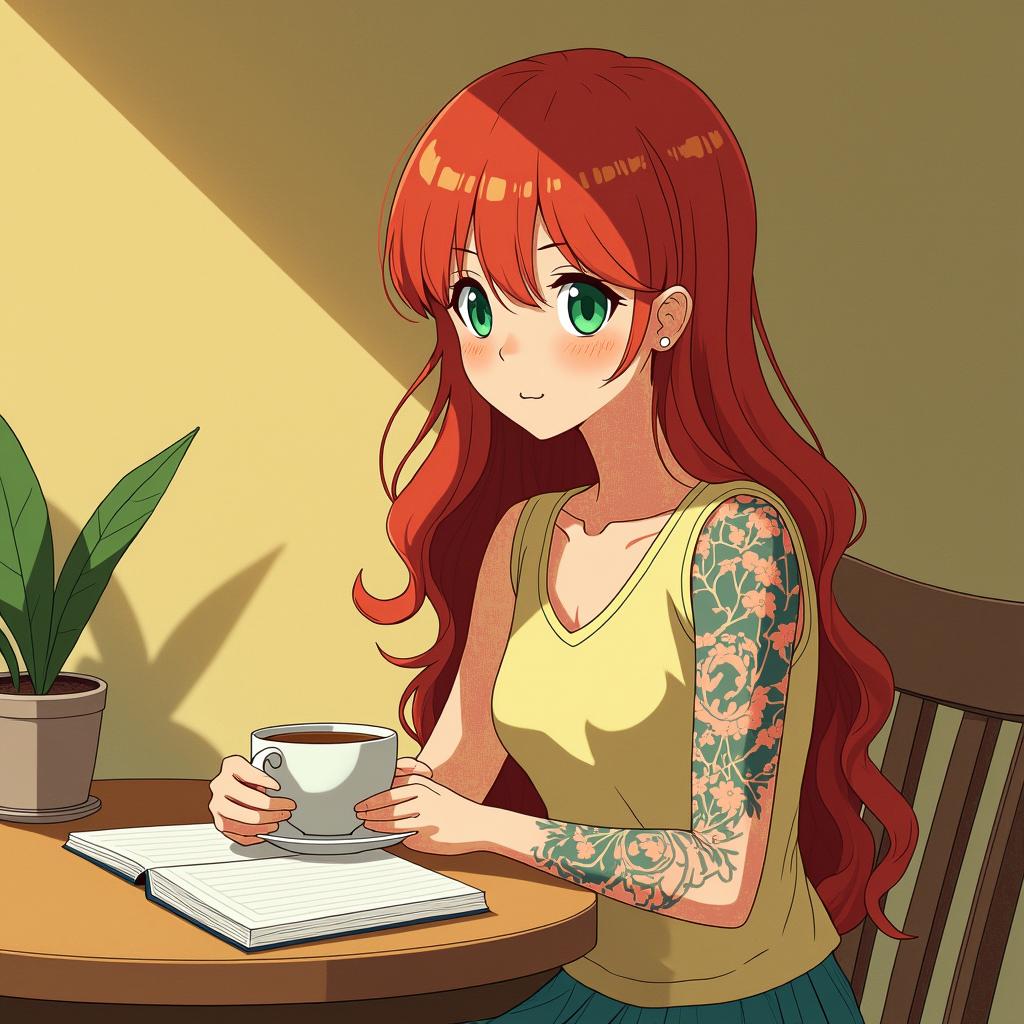
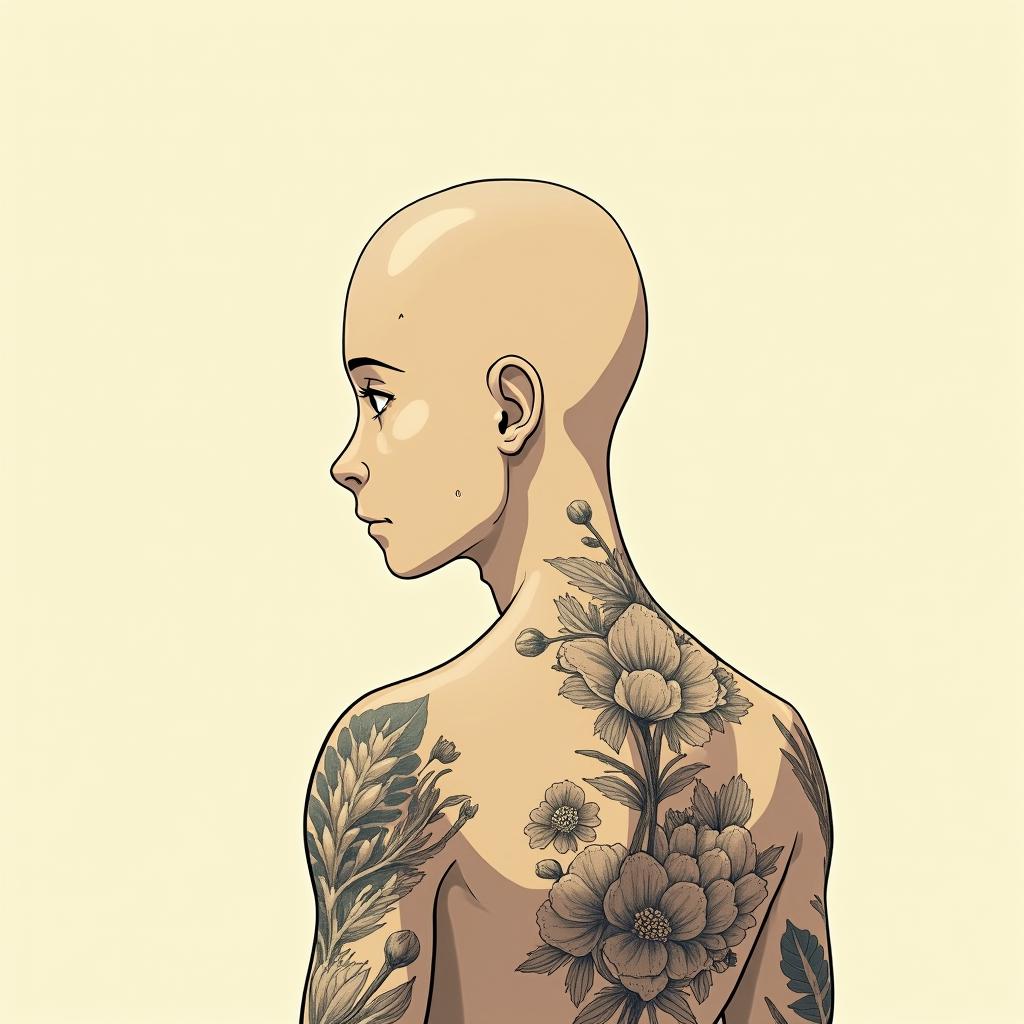
Ghibli tattoos share a few visual signatures. Soft color palettes dominate. Think muted greens, dusty pinks, sky blues, and warm earth tones. The line work tends toward fine and delicate, mimicking the hand-drawn quality of the films. Watercolor and illustrative techniques work best here. Bold black outlines and heavy saturation fight against the source material's ethereal feel. Most Ghibli pieces use limited black ink, relying on color gradients and soft shading instead. The compositions often feature wide, cinematic framing. A tiny figure against an enormous landscape. A spirit emerging from fog. This sense of scale translates well to larger tattoo placements like forearms, thighs, and backs. Small Ghibli tattoos work too, but they sacrifice detail. A Totoro silhouette reads at any size. A bathhouse interior does not. The best Ghibli tattoos capture the studio's signature mood: quiet wonder. Not dramatic. Not aggressive. Gentle, even when the subject is a massive forest god or a fire demon.
Popular Motifs & Subjects
The most requested Ghibli tattoo subject is Totoro. The forest spirit's round silhouette is instantly recognizable and works at almost any scale. No-Face from Spirited Away ranks second. His masked, ghostly form appeals to fans who want something slightly eerie without going full horror. Calcifer, the fire demon from Howl's Moving Castle, is popular for small placements like ankles and wrists. The soot sprites appear often in matching tattoos and small filler pieces. Beyond characters, landscape motifs carry serious weight. Rolling countryside hills, ancient forests, and floating castles all translate into striking tattoo compositions. The kodama from Princess Mononoke, those small tree spirits with blank faces, work beautifully as repeating patterns in sleeves. Some collectors choose single-film themes. Others mix characters across films. A sleeve might feature Totoro in the foreground, the bathhouse in the midground, and a Laputa castle in the clouds above. The key is maintaining visual consistency across different source films so the piece reads as one world.
Placement & Sizing
Ghibli tattoos work across most body placements, but the style favors certain spots. Forearms are the most common choice. The flat, visible surface suits the illustrative quality of Ghibli designs, and the length accommodates landscape compositions. Thighs offer even more canvas for detailed scenes. A Spirited Away bathhouse or a Mononoke forest reads best with room to breathe. For smaller pieces, the calf, ankle, and inner bicep work well for single characters like Totoro, Calcifer, or a soot sprite. Ribs and sides are popular for taller compositions, like the tree spirits or a standing character against a sky. Size matters more for Ghibli than for many other styles. The soft color work and fine details need space to avoid muddying over time. A good rule: if your design includes a landscape or multiple characters, go at least medium, around 6 inches or larger. Single characters can work as small as 2 inches if the artist uses clean, bold linework for the outline.
Choosing an Artist
Not every tattoo artist can execute a Ghibli piece well. The style demands specific skills: soft color blending, fine line control, and an understanding of illustrative composition. Look for artists with watercolor or illustrative work in their portfolio. Traditional American or neo-traditional artists may struggle with the delicacy Ghibli requires. Check their healed photos, not just fresh ink. Watercolor and pastel shading can fade unevenly if not applied with enough pigment depth. A healed photo tells you whether their saturation holds up over time. Ask about their approach to black ink. Some artists insist on a subtle dark outline for longevity, even in soft designs. Others work entirely without outlines. Both approaches can work, but you should know what you are signing up for before committing. Browse the Inksy artist directory and filter by illustrative or watercolor styles. Send reference images from the films and see how the artist responds. If they suggest simplifying the design for longevity, that is a good sign. If they promise a frame-perfect recreation on a tiny space, find someone else.