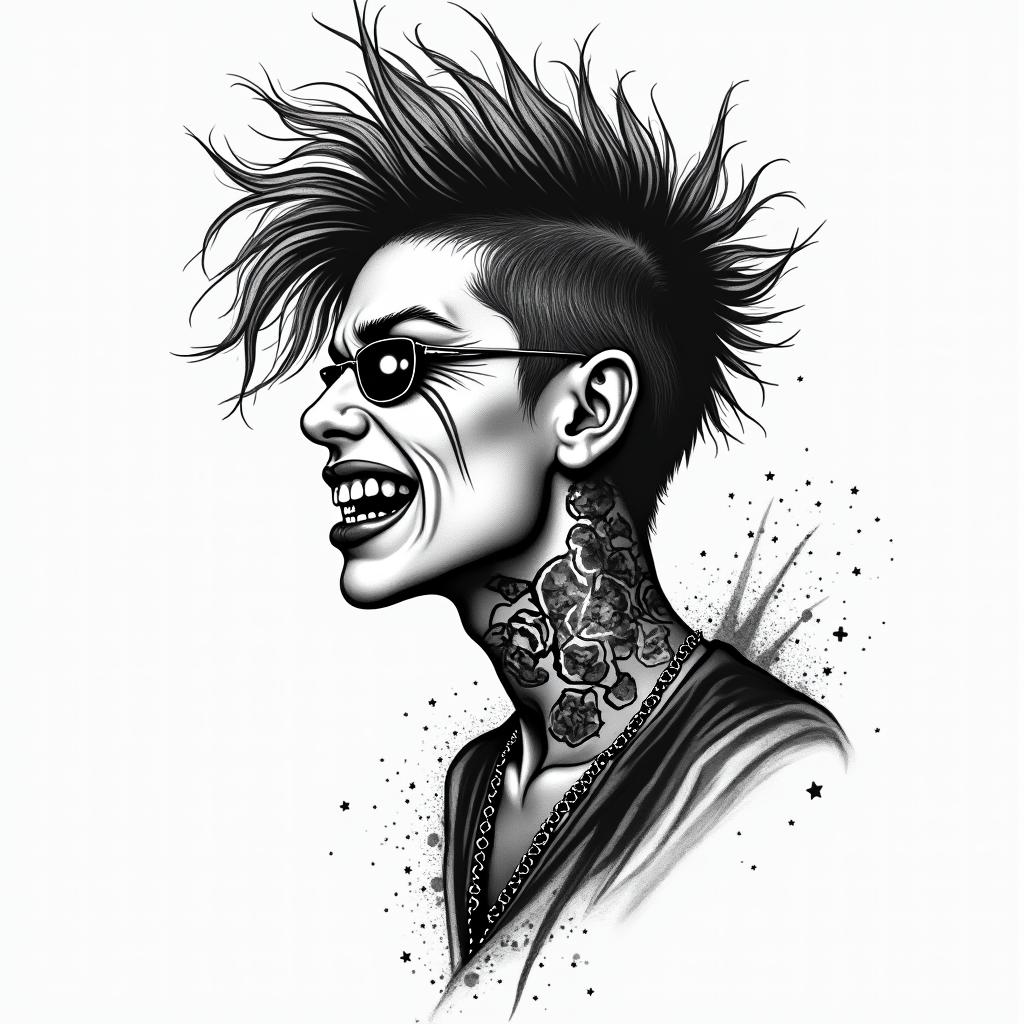
New School tattoos are a bold, cartoon-inspired style that emerged in the late 1980s. They feature thick black outlines, saturated colors, exaggerated proportions, and playful subjects like graffiti-style characters and pop culture mashups. Unlike Old School (traditional American) tattoos, New School breaks rules with warped perspectives and vibrant shading. The style draws from hip-hop culture, street art, and animation. Popular placements include arms and legs where the bold designs have room to breathe. Choosing an artist with proven New School experience matters because the style demands strong color packing and confident line work.
History & Origins
New School tattooing kicked off in the late 1980s, mostly out of San Francisco and New York. Artists like Marcus Pacheco and Joe Capobianco got tired of the strict rules governing traditional American tattooing. They wanted more room to play. The style pulled hard from three sources bubbling up at the time: hip-hop culture, graffiti art, and Saturday morning cartoons. Old School tattooing had its code. Thin black outlines, limited color palette, specific subject matter. New School artists ripped that playbook in half. They thickened the lines, cranked the color saturation, and stretched proportions until characters looked like they might jump off the skin. The timing was not random. Tattoo machines and ink formulations had improved through the 70s and 80s, giving artists better tools to lay down the dense color fields this style demands. By the mid-90s, New School had carved out its own corner in shops across the country.
Defining Characteristics
Spot a New School tattoo by looking for three things working together: thick black outlines, eye-popping color saturation, and exaggerated proportions. The outlines are not subtle. They frame every element like a comic book panel, often running 3 to 5 times thicker than fine line work. Color is where the style flexes hardest. Artists pack pigments so dense that yellows glow, reds vibrate, and blues look electric. Shading rarely stays realistic. Instead, you see bubble highlights, drop shadows, and gradients that look airbrushed rather than natural. Perspective gets bent on purpose. A character's fist might be three times the size of its head. A spray can might stretch impossibly tall. Faces twist into grimaces and grins that push past what anatomy allows. The overall effect reads like a cartoon tattooed onto skin, not a realistic image translated into ink. That distinction matters. New School is illustration first, tattoo second.
Popular Motifs & Subjects
Cartoon characters dominate New School flash. Think twisted versions of childhood icons, graffiti spray cans with legs, and dice rolling through impossible angles. Animals get the treatment too. A snarling tiger with bulging eyes, a frog puffed up like a balloon, a shark mid-bite with teeth the size of its body. Pop culture mashups show up constantly. A Darth Vader helmet dripping with neon slime. A superhero logo reimagined in wildstyle lettering. Video game characters rendered with more attitude than their original designers ever imagined. Lettering in New School borrows directly from street art. Bubble letters, throw-ups, and wildstyle tags wrap around central images or stand alone as statements. The text itself becomes part of the illustration, bending and stretching to fill space. Flowers and traditional subjects get remixed too. A rose might have petals shaped like flames, or a skull could wear a backwards cap and gold chain. The style thrives on surprise and humor.
Placement & Sizing
New School tattoos need space. The thick outlines and dense color fields that define the style do not compress well. A design that works on a forearm will look muddy if you shrink it to fit an ankle. Arms and legs are the sweet spots. Forearms, calves, and outer thighs give artists enough real estate to let characters breathe and colors pop. The back and chest work well for larger compositions, especially if you want multiple elements interacting across a bigger canvas. Smaller placements are possible but require compromises. A New School piece on a wrist or behind the ear means simplifying the design, reducing color layers, and accepting that some detail will blur over time. Quick tip: if your artist says the design needs more room, listen. Dense color packed into a tight space ages poorly. The bold lines that make New School look crisp on day one will spread, and without enough spacing, adjacent colors bleed together within a few years.
Choosing an Artist
Not every tattooer can pull off New School. The style demands specific technical skills that take years to develop. Start by examining portfolios closely. Look for consistent color saturation across healed pieces, not just fresh photos. New School colors should look dense and vibrant even after healing. Check the line work. Thick outlines need to be smooth and confident, not wobbly or inconsistent in width. The best New School artists control their machines like illustrators control pens. Ask about their influences. Artists who reference cartoonists, graffiti writers, and specific animation styles usually understand the genre more deeply than someone who just likes bright colors. Browse tattoo ideas on Inksy to compare approaches across different artists. The real question is whether their style matches your vision. New School ranges from clean and polished to raw and gritty. Pick someone whose aesthetic clicks with what you want on your body permanently. Book a consultation and bring reference material. Good New School artists want to see your ideas early.