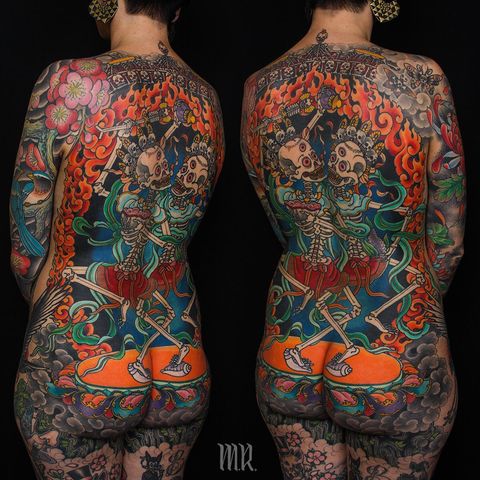
MIKE RUBENDALL
Hailing from Massapequa, United States, Mike Rubendall is a professional tattoo artist with significant expertise in Japanese styles. With a whopping following of around 170k on Instagram, he not only expresses his art but also his mantra, "Visualize and Attack". As an artist and founder of Kings Ave Tattoo, he has made tremendous strides in the tattoo industry.
Mike Rubendall is a Japanese tattoo artist based in Massapequa, New York. With over 170,000 Instagram followers, he has built a strong reputation for Japanese-style tattooing. His website, Kings Ave Tattoo, connects to his professional portfolio and booking information. Mike specializes in traditional Japanese tattoo work, a style rooted in centuries of Japanese art and culture featuring bold outlines, saturated color, and large-scale compositions. If you are looking for a Japanese tattoo artist in the Massapequa area, Mike Rubendall offers dedicated expertise in this tradition. Contact him directly through his website or Instagram for booking details, pricing, and availability.
History & Origins
Japanese tattooing, or irezumi, traces back over a thousand years. What started as spiritual protection and social marking evolved into one of the most recognizable tattoo traditions on the planet. The bold outlines, vivid colors, and full-body compositions we associate with Japanese work come from Edo-period woodblock prints and the craft of horishi, traditional tattoo masters who hand-poked designs into skin using wooden tools.
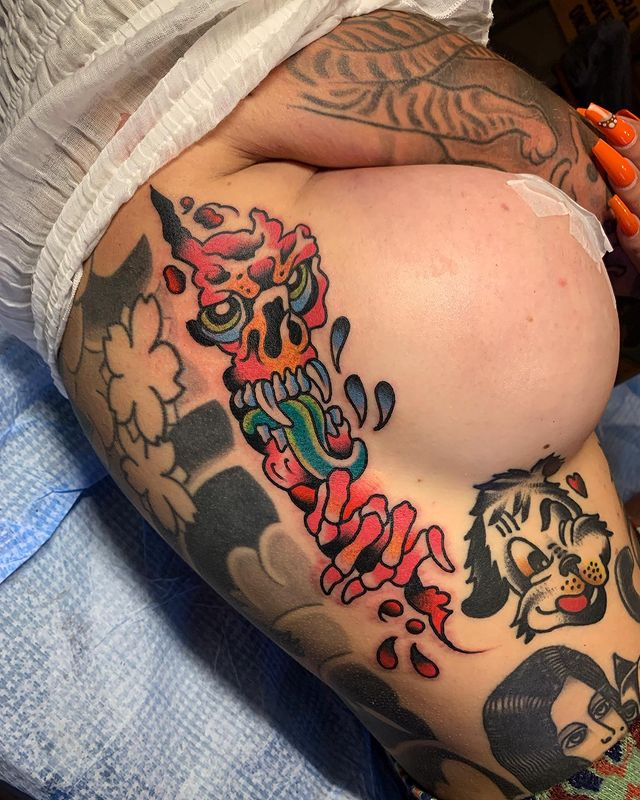
Mike Rubendall practices within this lineage from his base in Massapequa, New York. His work reflects the core principles of Japanese tattooing: large-scale compositions that flow with the body, bold black outlines that hold up over time, and saturated color work. The tradition demands respect for its cultural roots. Japanese tattooing is not just a visual style. It carries deep ties to Japanese folklore, spirituality, and art history. Artists working in this tradition often spend years studying the iconography, learning which motifs pair together and how they should flow across different body parts. Mike's 170,000-plus Instagram followers suggest that his interpretation of this tradition resonates with a wide audience.
Defining Characteristics
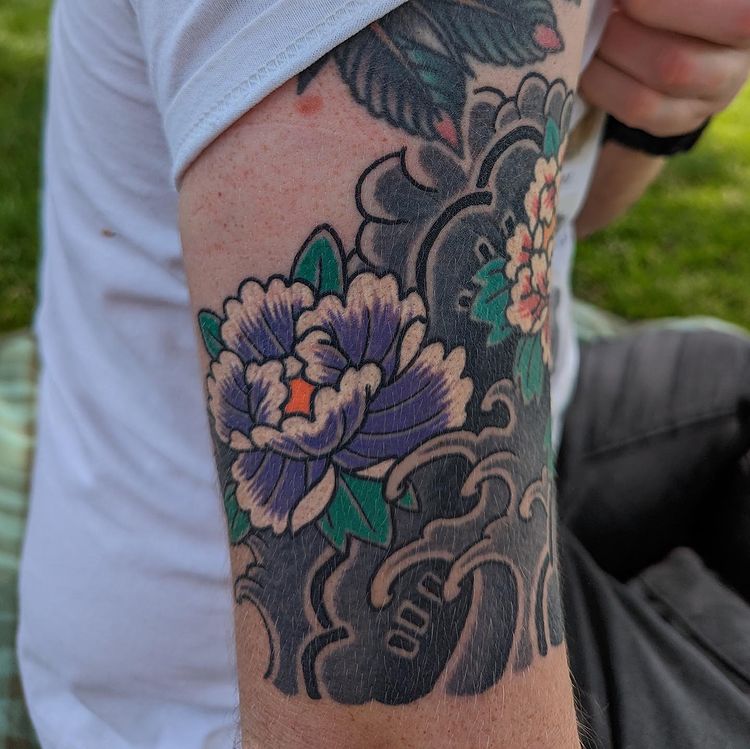
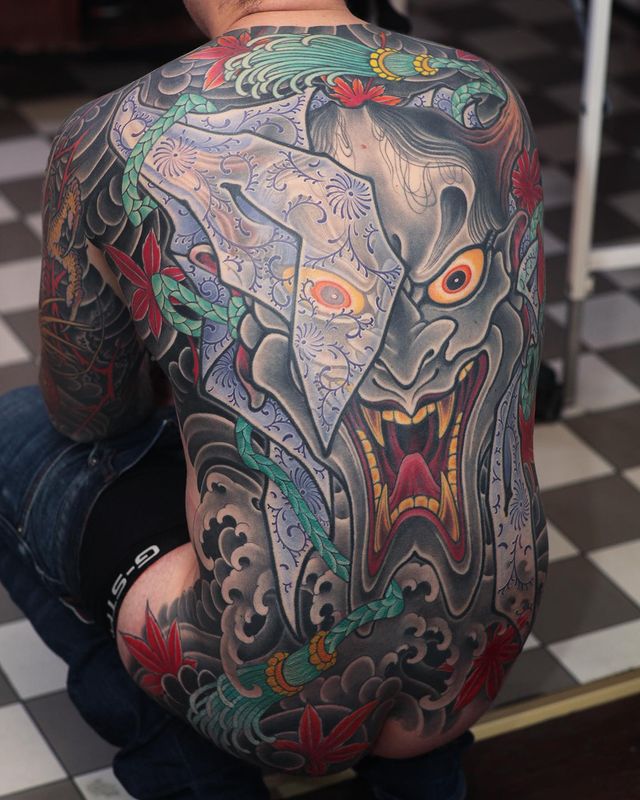
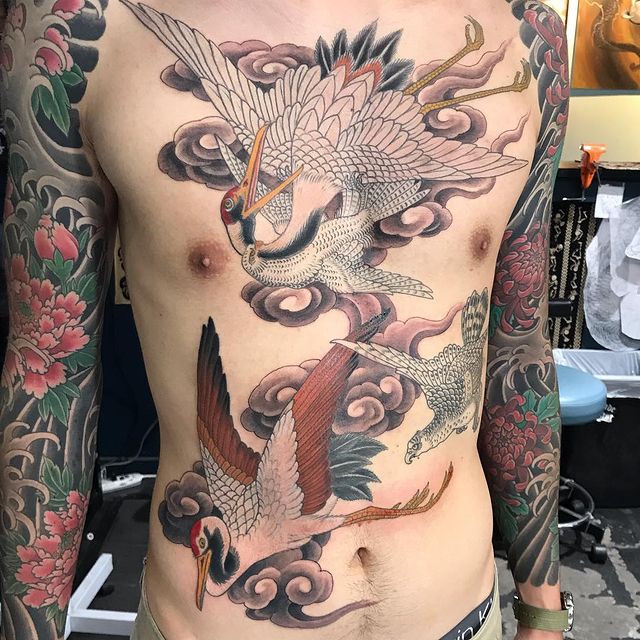
Japanese tattooing stands apart because of a few defining traits. First, bold black outlines frame every element. These outlines are not subtle. They create structure and ensure the tattoo reads clearly from a distance, even after decades of aging. Second, color saturation. Traditional Japanese work uses a limited but powerful palette. Red, yellow, green, and blue fill large areas with solid, even color. Third, background elements. Wind bars, waves, and clouds fill the negative space between the main subject and the skin. This background work, called bokashi, creates depth and movement.
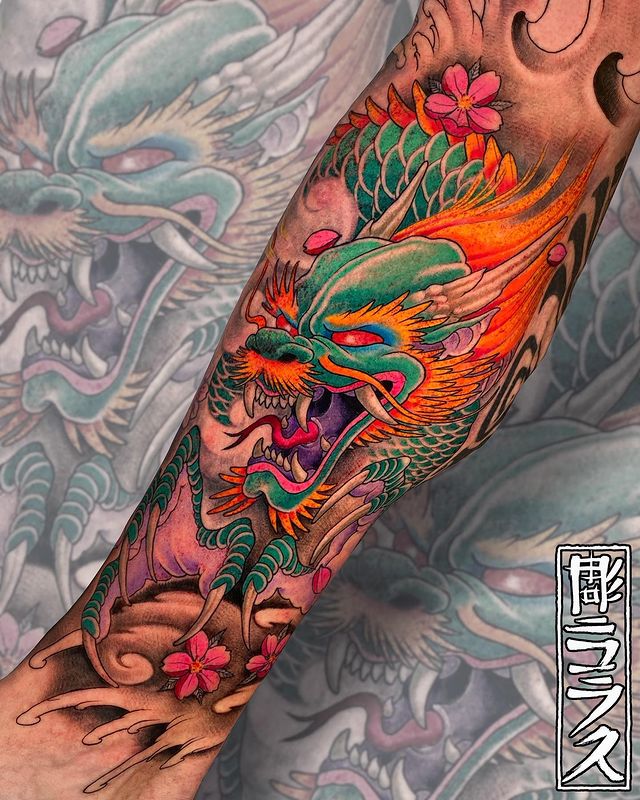
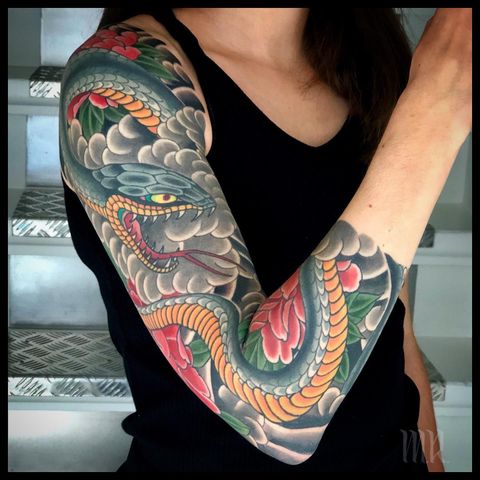
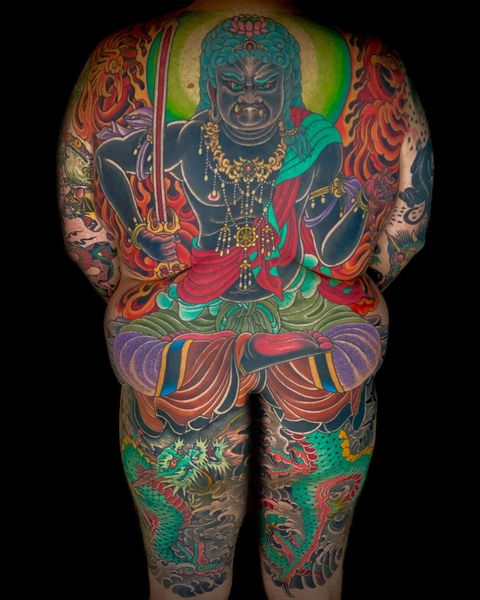
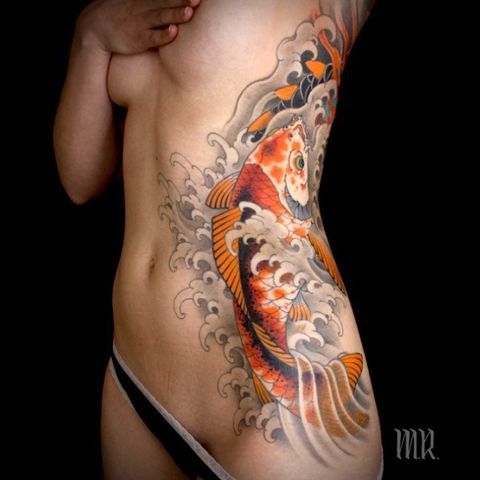
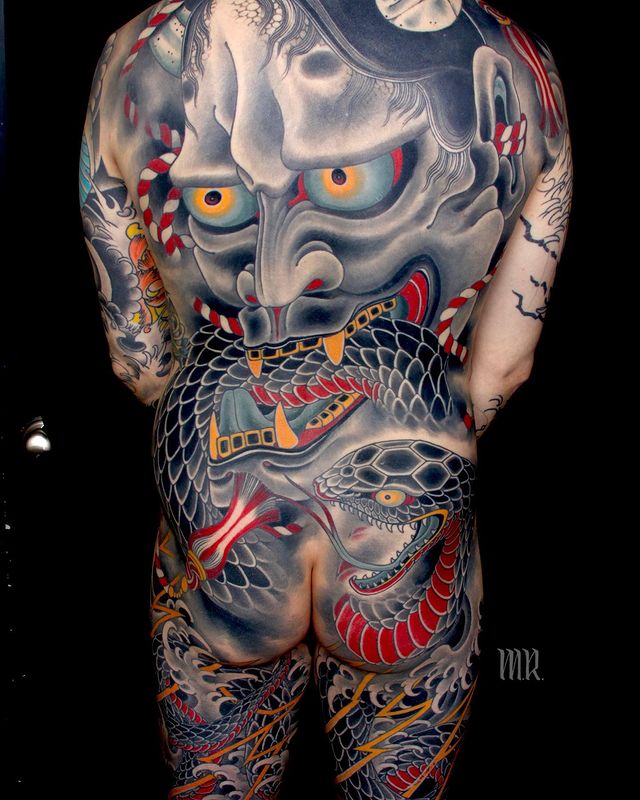
Mike Rubendall's work follows these principles. His compositions wrap around limbs and torsos, using the body's natural shape as part of the design. The flow matters as much as the subject. A dragon needs to twist through clouds. A koi must fight upstream. The movement tells the story. Japanese tattooing also relies on contrast. The dark black outlines against bright color fills create a visual punch that few other styles match. This is why Japanese work ages so well. The structure holds even as skin changes over time.
Popular Motifs & Subjects
Japanese tattooing draws from a deep well of mythology, folklore, and natural symbolism. The koi fish is one of the most common subjects. It represents perseverance, strength, and transformation. According to legend, a koi that swims upstream and leaps over the Dragon Gate waterfall transforms into a dragon. This story makes the koi a powerful symbol for anyone who has overcome hardship.
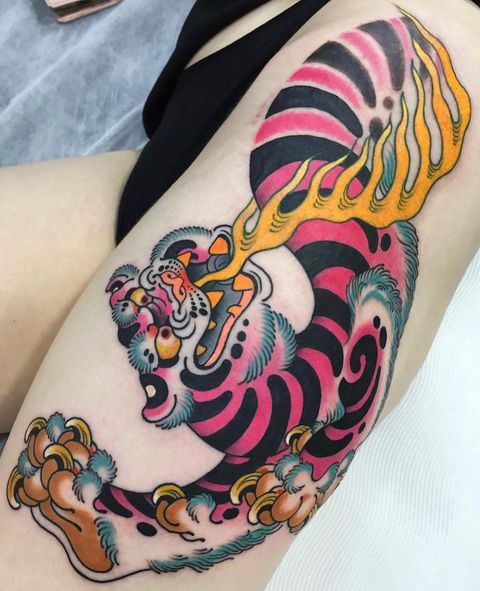
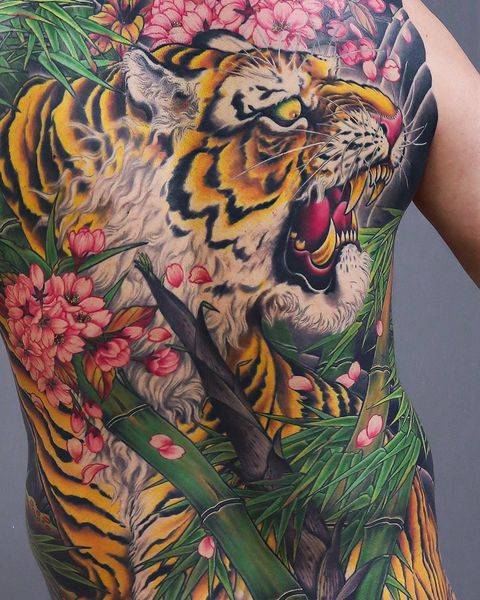
Dragons appear frequently in Japanese work. Unlike Western dragons, Japanese dragons are benevolent, wise, and tied to water and rain. They symbolize protection, wisdom, and power. Cherry blossoms, or sakura, represent the fleeting nature of life. They bloom beautifully and then fall quickly, a reminder to appreciate the present moment. Other common motifs include tigers, snakes, phoenixes, peonies, and waves. Each subject carries specific meaning and pairs with traditional background elements. A tiger might prowl through bamboo. A snake could coil around a skull. The combinations follow rules built over centuries of Japanese art. Mike Rubendall works within this visual vocabulary, creating pieces that honor the tradition's symbolic language.
Placement & Sizing
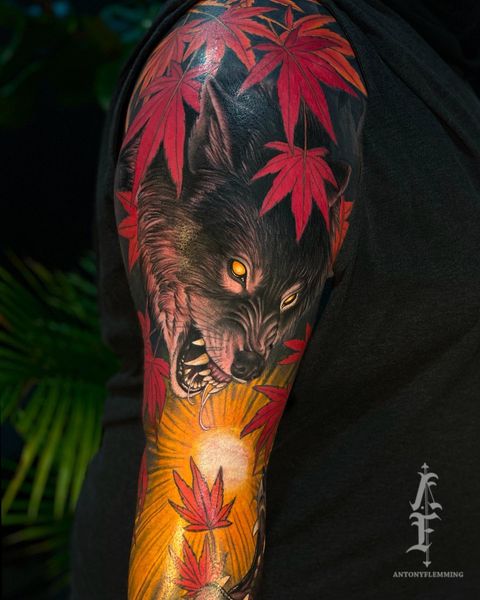
Japanese tattooing and large-scale placement go hand in hand. The tradition developed around full-body suits and half-sleeves that tell stories across the skin. This means the best Japanese work considers the body as a whole, not just a flat canvas. A sleeve flows from shoulder to wrist. A back piece moves across the entire surface, using the spine and shoulder blades as part of the composition.
Common placements include full sleeves, half sleeves, back pieces, and chest panels. These larger areas allow the motifs to breathe. A dragon needs space to wind through clouds. A koi needs water to swim in. Smaller pieces can work, but they often sacrifice the background elements that make Japanese tattooing distinct. If you are considering Japanese work with Mike Rubendall, think about how much space you can commit. A single koi on a forearm looks different from a koi surrounded by waves and cherry blossoms across a full sleeve. The scale affects the visual impact. Discuss placement options directly with Mike to find what works for your body and goals.
Choosing an Artist
Picking the right artist for a Japanese tattoo matters more than most people realize. The style has specific rules about composition, color, and flow that take years to master. An artist who understands these rules can create work that looks correct and ages well. One who does not may produce pieces that look fine on day one but fall apart visually over time.
Look at portfolios carefully. Check whether the outlines are bold and consistent. See if the color fills are solid and even. Notice whether the background elements flow naturally around the main subject. Mike Rubendall's Instagram feed shows his approach to Japanese work. With over 170,000 followers, his portfolio is publicly available for review. When choosing any artist, also consider logistics. Location matters if you need multiple sessions. Massapequa, New York is Mike's base. If you are not local, factor in travel. Booking details, pricing, and availability change over time, so contact the artist directly through his website or Instagram to discuss your project before committing.
Explore more
Frequently Asked Questions
What style does Mike Rubendall tattoo?
Mike Rubendall specializes in Japanese tattooing. This style draws from traditional Japanese art, featuring bold outlines, rich color palettes, and iconic motifs like koi fish, dragons, and cherry blossoms.
Where is Mike Rubendall located?
Mike Rubendall is based in Massapequa, New York, United States. Contact his studio directly through his website or Instagram for the exact address and directions.
How do I book an appointment with Mike Rubendall?
You can reach Mike Rubendall through his website at kingsavetattoo.com or his Instagram @mikerubendall. Contact him directly for booking inquiries, pricing, and availability.
How much does Mike Rubendall charge for a tattoo?
Pricing information is not publicly listed. Contact Mike Rubendall directly through his website or Instagram to discuss rates and project scope.
Does Mike Rubendall accept walk-ins?
Walk-in policies are not specified. Reach out to Mike Rubendall via his website or Instagram to ask about scheduling and availability.