Johan svahn
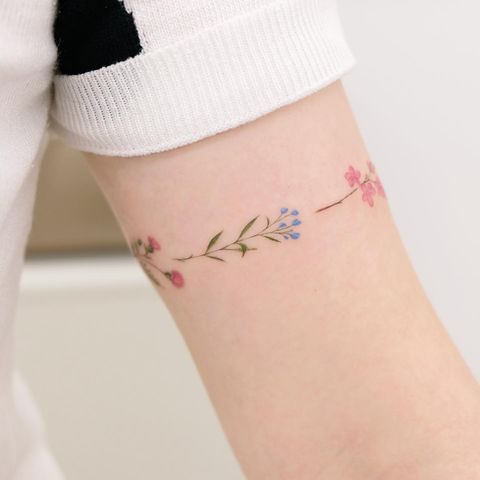
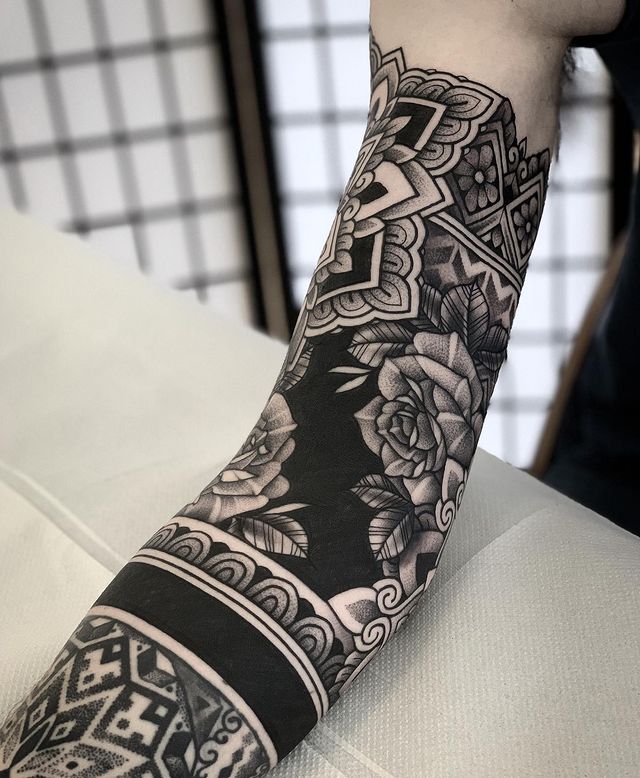
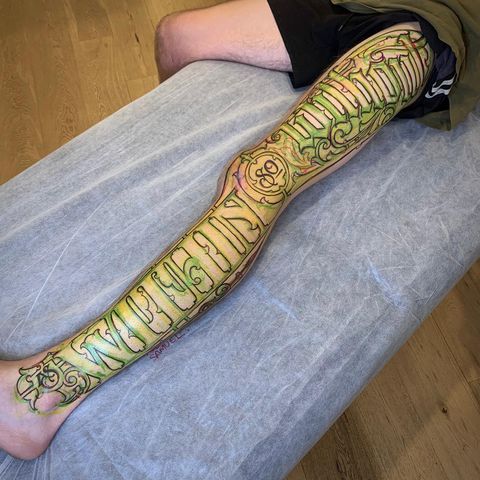
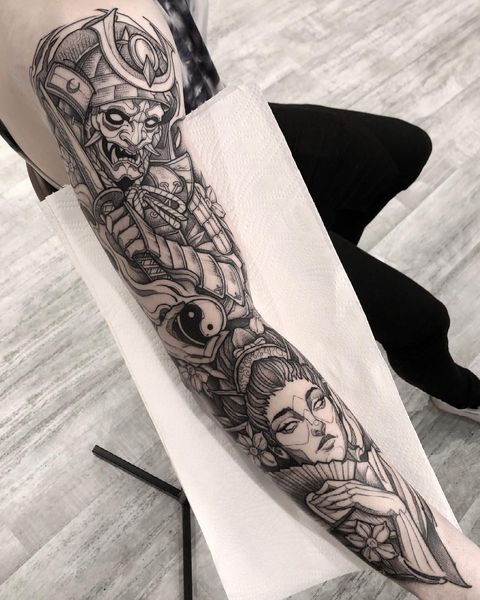
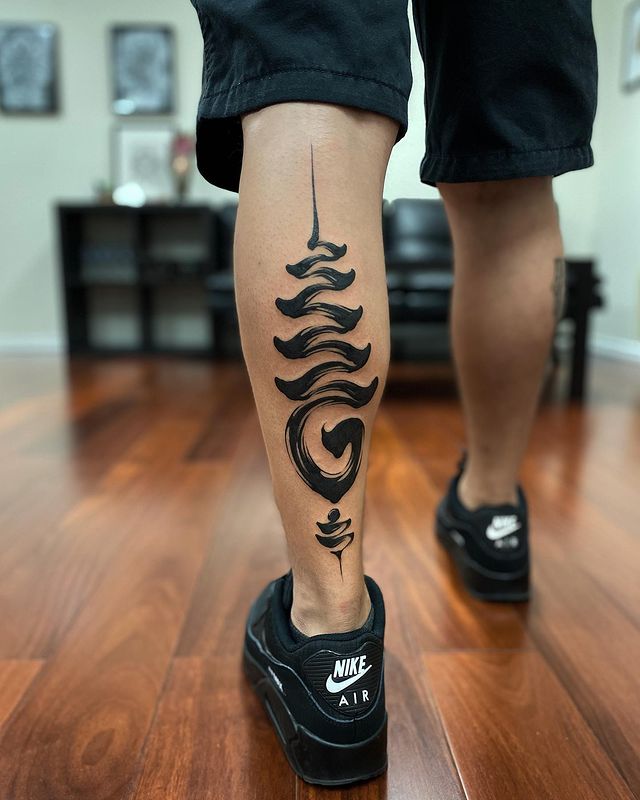
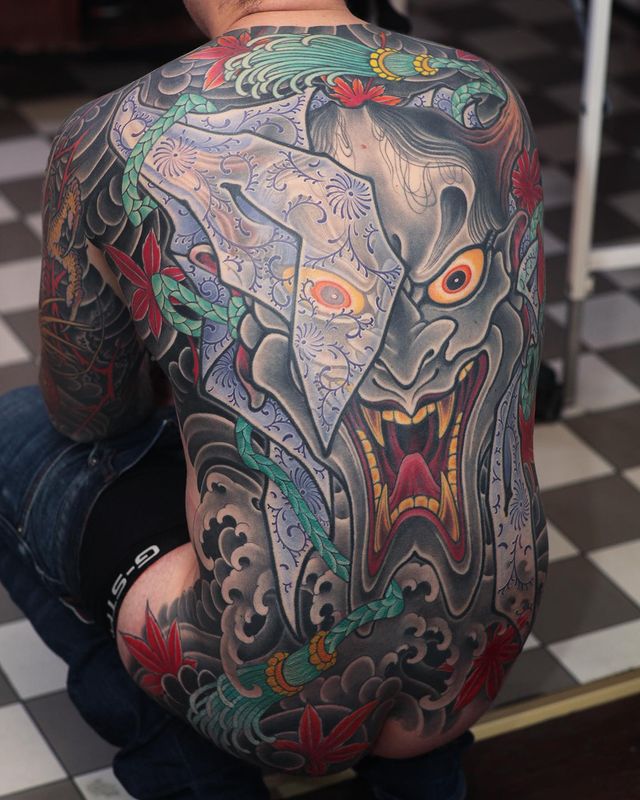
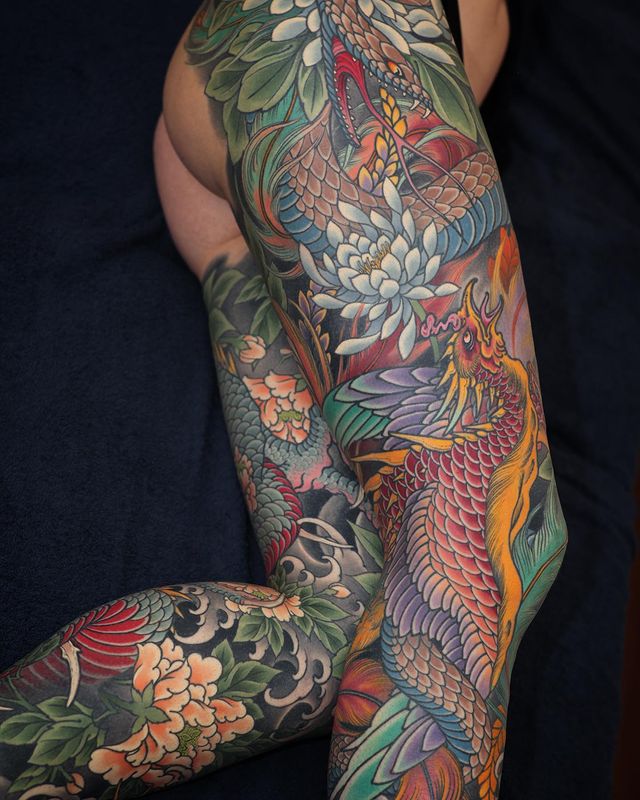
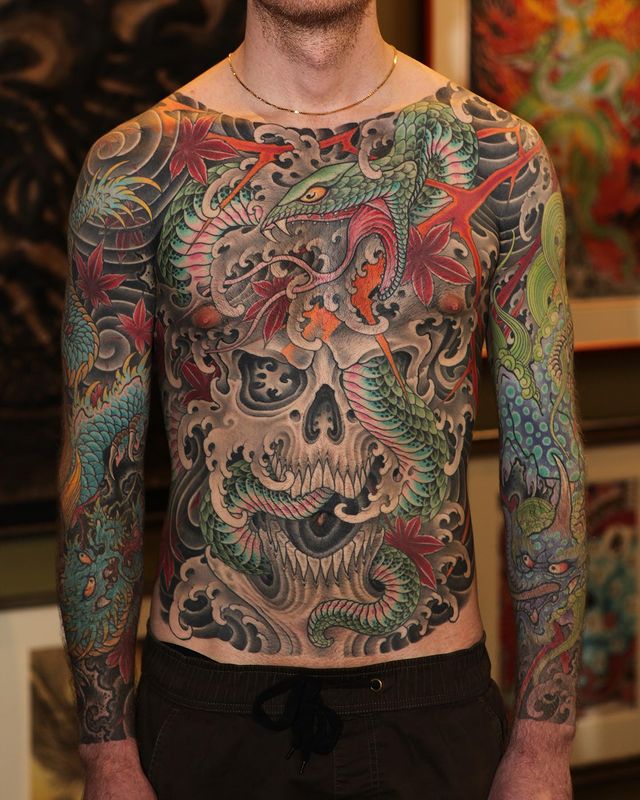
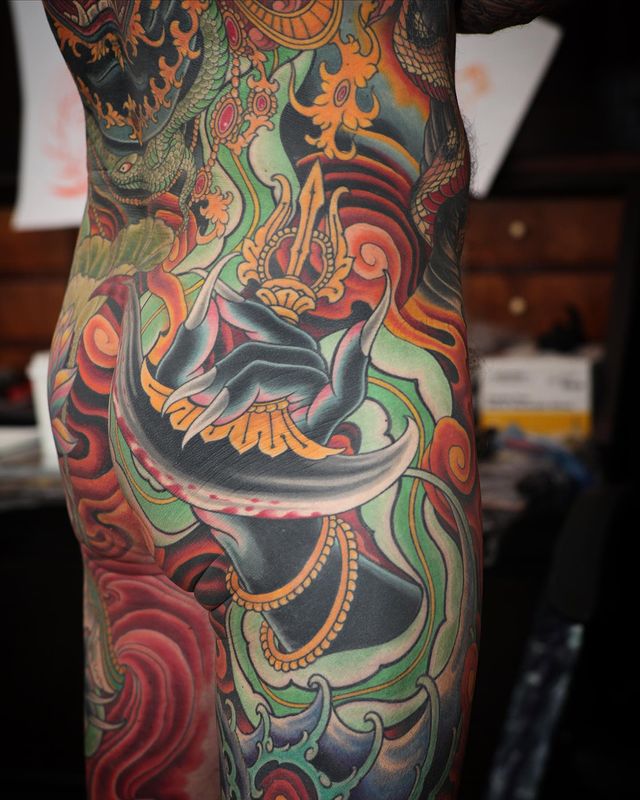
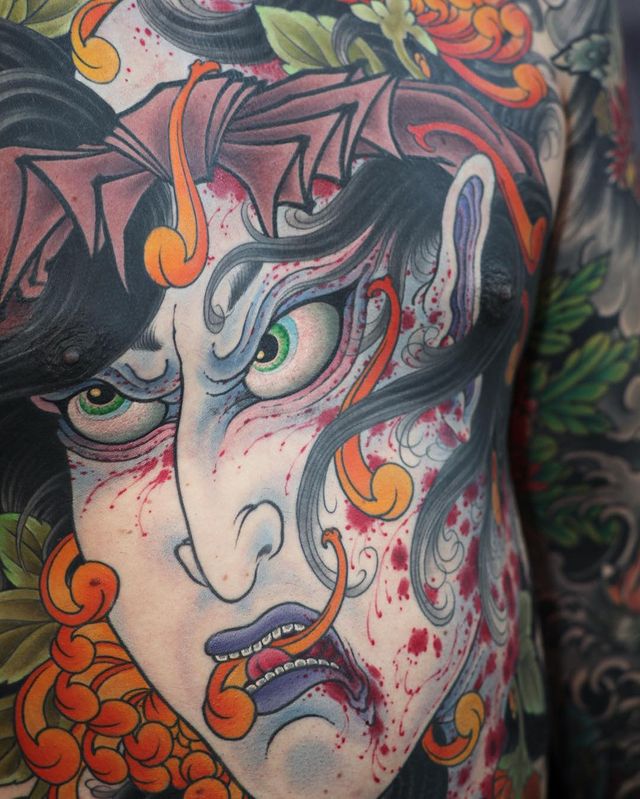
Johan Svahn is an exceptionally skilled tattoo artist, known for his mastery in Japanese and Newschool styles. He operates out of Soul Rebel in Malmö, Sweden, where his impeccable artistry has amassed a massive following of about 120,000 enthusiasts on Instagram. An email to svahntattoos@gmail.com can secure you an appointment with this talented artist.
Johan Svahn is a tattoo artist specializing in Japanese and New School styles. With over 118,000 followers on Instagram at @johansvahntattooing, he has built a strong audience for his bold, colorful work. His Japanese pieces draw from traditional irezumi motifs like dragons, koi, and cherry blossoms, while his New School approach pushes those subjects into exaggerated, vivid territory with heavy outlines and saturated color. Svahn's style sits at the intersection of two traditions: the disciplined symbolism of Japanese tattooing and the playful distortion of New School. Contact the artist directly through Instagram for booking inquiries.
History & Origins
Johan Svahn has built a substantial following of over 118,000 on Instagram, which speaks to the demand for his particular blend of Japanese and New School tattooing. While details about his early career and training are not publicly documented, his portfolio shows a clear command of two demanding traditions. Japanese tattooing, or irezumi, requires years of study to understand its iconography, from the layered meanings of koi fish to the specific cloud patterns that frame a dragon sleeve. New School demands a different skill set: the ability to distort proportions, pump up color saturation, and inject personality into every line. Svahn's work suggests he spent serious time in both camps before merging them. Artists who work in this hybrid space often come from apprenticeships in one tradition and gradually introduce elements of the other. The result is a style that respects the weight of Japanese symbolism while refusing to stay inside its visual boundaries. For anyone considering this kind of work, Svahn's Instagram feed is the best place to study how these two worlds collide in his hands.
Defining Characteristics
Svahn's tattooing lives in the space between tradition and rebellion. His Japanese pieces follow the structural rules: wind bars, wave patterns, background fill that creates depth and movement. But then the New School influence kicks in. Colors push beyond the traditional palette. A dragon might wear electric blue instead of the expected red and black. Proportions shift toward cartoonish exaggeration. Eyes get bigger. Expressions get more dramatic. This is not traditional irezumi, and it does not try to be. The bold black outlines anchor the work, giving it the staying power that Japanese tattooing demands for longevity. The color saturation comes from the New School playbook, where vibrancy is a core value rather than a secondary concern. What holds it together is Svahn's sense of composition. Even when individual elements are exaggerated, the overall piece reads as cohesive. Background elements like clouds and water maintain enough traditional structure to ground the more playful foreground subjects. This balance is what separates a skilled hybrid artist from someone just mashing styles together.
Popular Motifs & Subjects
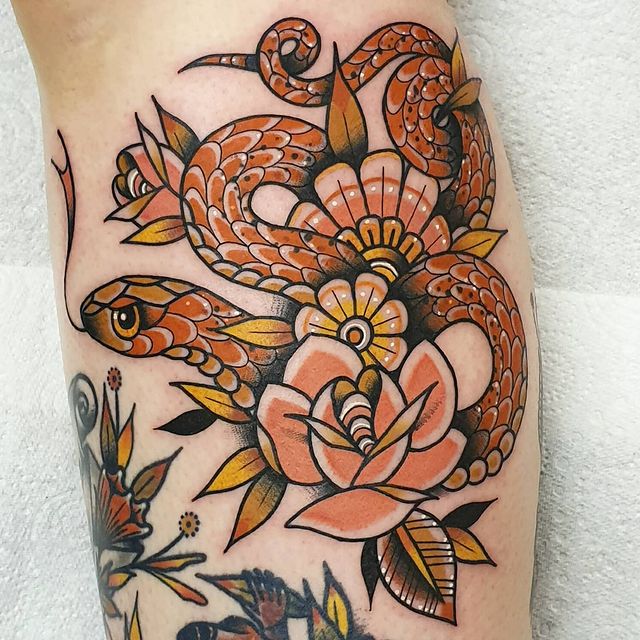
Japanese tattooing runs on a specific visual language, and Svahn works within it while bending the rules. Dragons appear frequently in his portfolio, rendered with the serpentine bodies and clawed feet of traditional irezumi but often in unexpected colorways. Koi fish show up in full swimming poses, surrounded by splash and foam. Snakes wind through peonies. Tigers prowl through bamboo. These are the heavy hitters of Japanese iconography, and they carry centuries of meaning: dragons for wisdom and protection, koi for perseverance, snakes for rebirth, tigers for strength. The New School twist comes through in how these subjects are styled. A koi might have exaggerated fins or a more animated expression. A snake could coil in a way that prioritizes visual impact over anatomical accuracy. Cherry blossoms and peonies serve as filler and framing, as they do in traditional Japanese work, but Svahn often pushes their color beyond the soft pinks and reds you would expect. Masks, warriors, and mythological figures round out the common subjects, each given the same treatment of traditional structure with contemporary energy.
Placement & Sizing
Japanese tattooing has always been a full-commitment art form. The traditional approach favors large canvases: full sleeves, back pieces, and bodysuits that tell a continuous story. Svahn's work follows this logic. His pieces tend to be substantial, with the kind of background integration and flow that only works when you have room to build. A half sleeve at minimum gives him the space to layer a subject, its background, and the wind or water elements that tie everything together. Smaller pieces appear in his portfolio, but they often read as sections of larger planned work rather than standalone designs. For clients considering Svahn's style, think about placement in terms of the whole limb or region rather than a single isolated spot. Arms and legs offer the best canvas for the flowing compositions his style demands. The ribcage and back work well for larger single subjects. If you are starting with a smaller piece, discuss how it might connect to future work. This approach prevents the awkward gaps and disconnected designs that happen when people collect random tattoos without a plan.
Choosing an Artist
Picking the right artist for a Japanese or New School tattoo comes down to three things: portfolio, communication, and commitment. Start with the portfolio. Svahn's Instagram at @johansvahntattooing is the primary place to study his work. Look at healed photos, not just fresh ones. Japanese and New School pieces both rely on color saturation, and you want to see how that color holds up after months of healing. Pay attention to line consistency and how well the background elements support the main subject. Communication matters because large-scale Japanese work requires planning. You need an artist who will discuss flow, subject matter, and how pieces connect over multiple sessions. Reach out through Instagram and see how the conversation goes. Commitment is the third factor. This style of tattooing often requires multiple long sessions. Be ready for the time and financial investment that comes with a sleeve or back piece. If you are drawn to Svahn's specific blend of Japanese tradition and New School energy, browse Japanese tattoo ideas or explore the artist directory to compare styles and find the right fit for your vision.
Explore more
Frequently Asked Questions
What style does Johan Svahn tattoo?
Johan Svahn specializes in Japanese and New School tattooing. His work combines traditional Japanese motifs like dragons, koi, and cherry blossoms with the bold colors and exaggerated forms characteristic of New School.
How do I book a tattoo with Johan Svahn?
Contact the artist directly through his Instagram at @johansvahntattooing to inquire about booking. No website or studio booking link is currently listed.
Where is Johan Svahn located?
Johan Svahn's current location is not publicly listed. Reach out via Instagram to confirm his studio location and availability.
How much does Johan Svahn charge for a tattoo?
Pricing information is not publicly available. Contact the artist directly through Instagram to discuss rates and project details.
Does Johan Svahn accept walk-ins?
Walk-in availability is not listed. Contact the artist directly through Instagram at @johansvahntattooing to confirm whether he takes appointments only or accepts walk-ins.