Adrian Hing
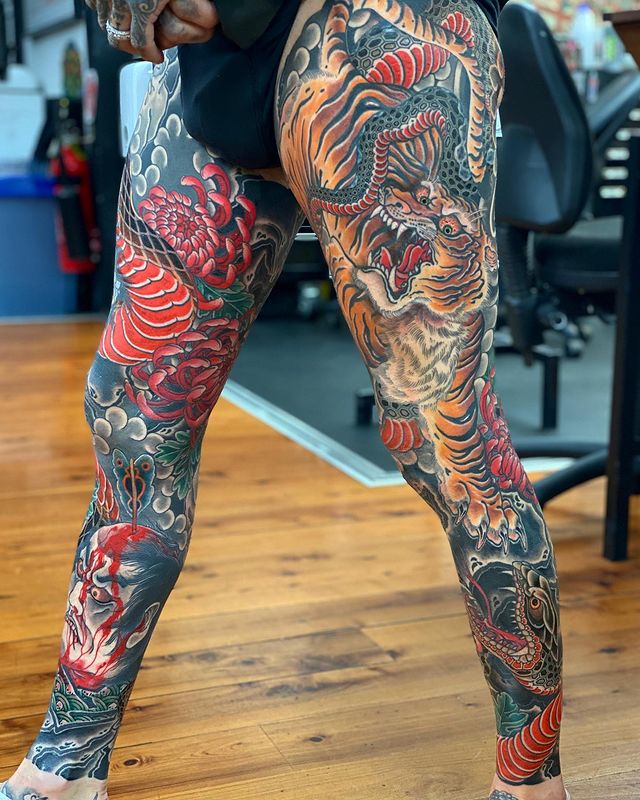
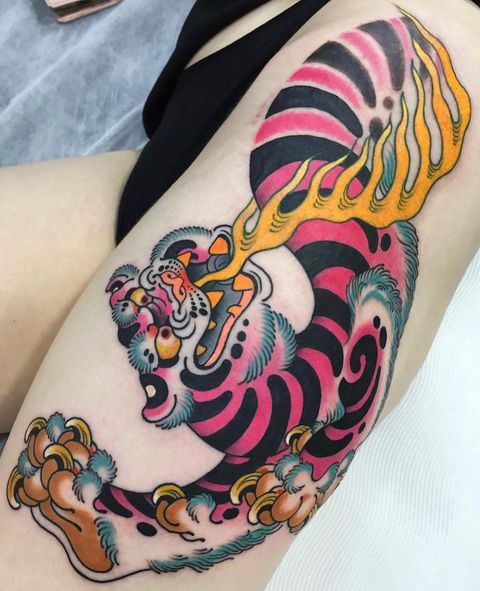
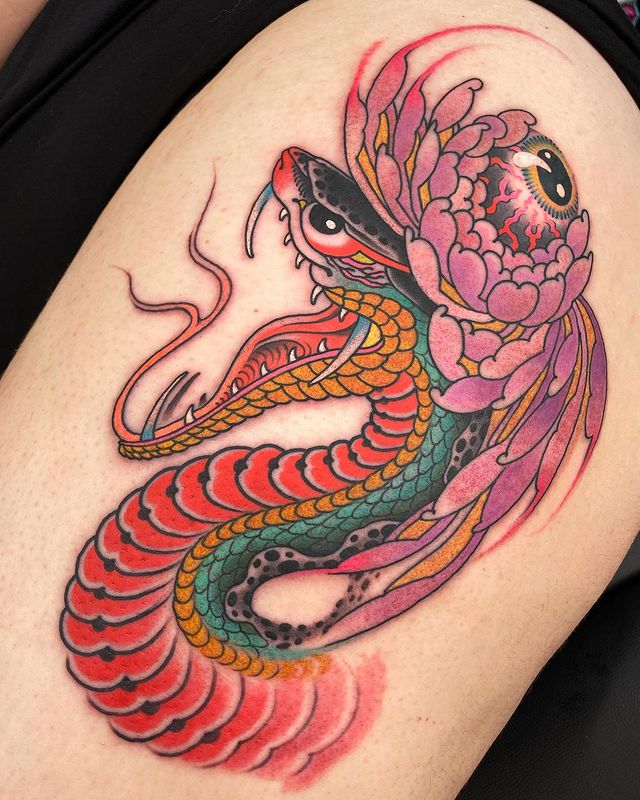
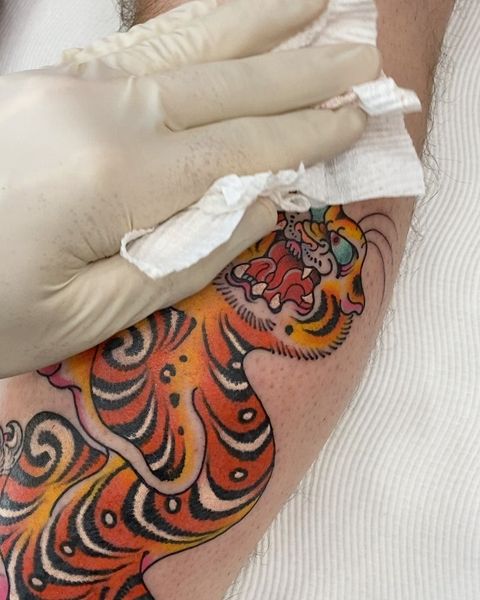
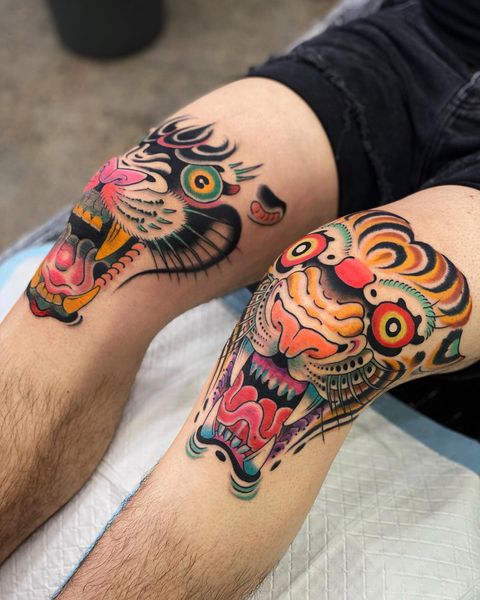
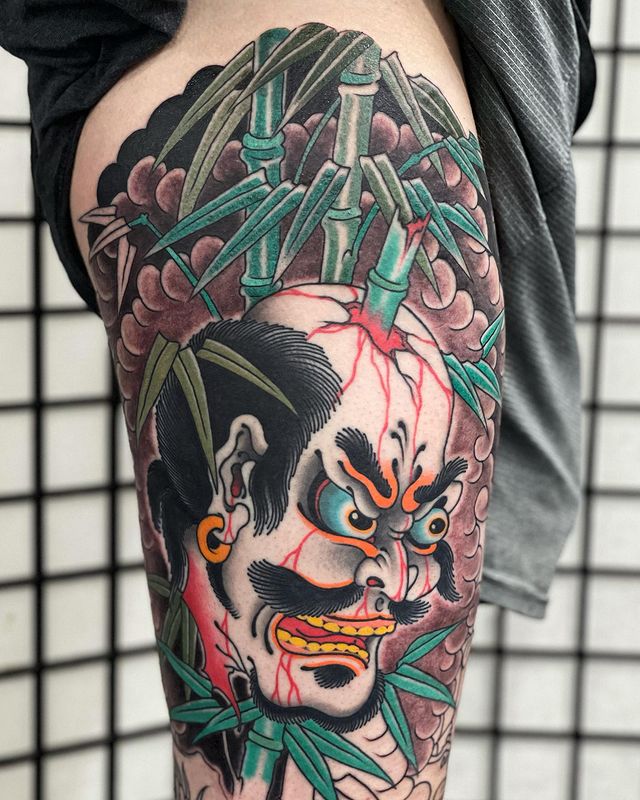
Adrian Hing, heralding from Sydney, Australia, is an exceptionally skilled Tattoo artist renowned for his mastery in traditional, Japanese, and neo-traditional styles. With a follower count that rounds well over 100K on Instagram, he leaves a deep impact on tattoo art enthusiasts worldwide. This phenomenal artist proudly offers his services at Forest Creek Tattoo in Castlemaine, Australia, ensuring top-notch precision and remarkable artistry that truly set him apart.
Adrian Hing is a tattoo artist based in Sydney, New South Wales, Australia, specializing in traditional, Japanese, and neotraditional tattoo styles. With over 110,000 Instagram followers, he has built a strong reputation in the Australian tattoo community. His portfolio spans bold traditional designs, large-scale Japanese compositions, and detailed neotraditional pieces. View his work on Instagram at @adrian_hing_tattoo or his website adrianhing.com. To book a tattoo, contact Adrian directly through his website or Instagram. Browse tattoo ideas and find other artists in Sydney through the Inksy directory.
Background & Career
Adrian Hing has built a following of over 110,000 on Instagram, making him one of Sydney's more visible tattoo artists working across traditional, Japanese, and neotraditional styles. His website at adrianhing.com showcases a body of work that reflects sustained commitment to these craft-heavy disciplines. Sydney's tattoo scene has grown steadily over the past decade, and artists like Hing have helped raise the standard for traditional and Japanese work in Australia. While specific details about his apprenticeship or early years are not documented here, the consistency visible in his portfolio points to deep immersion in demanding styles. Traditional and Japanese tattooing both require years of study: iconography, technique, cultural context. Hing's ability to work across both, plus neotraditional, suggests versatility built on solid fundamentals. For artists building their own careers, Hing's Instagram presence offers a clear example of how focused, consistent work attracts an audience over time.
Signature Style & Techniques
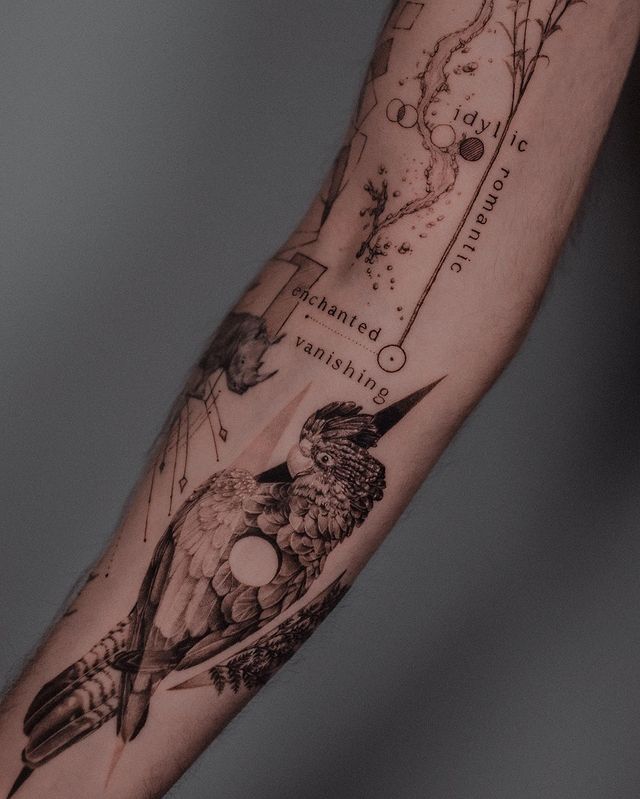
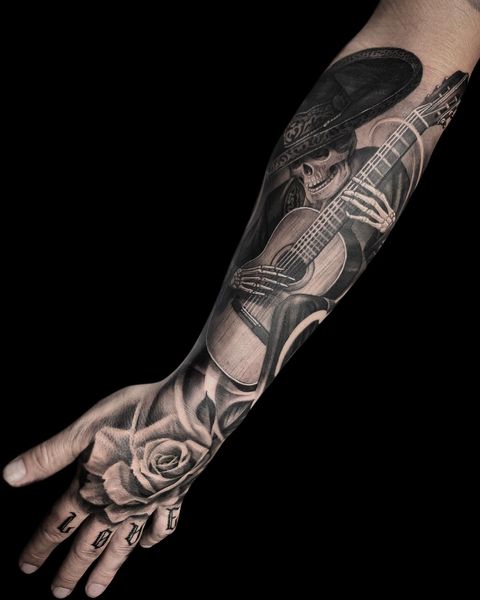
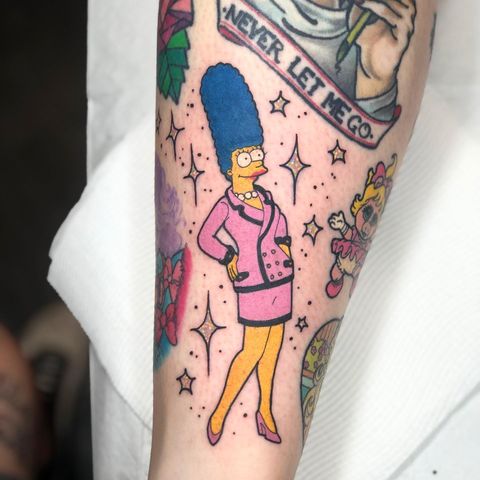
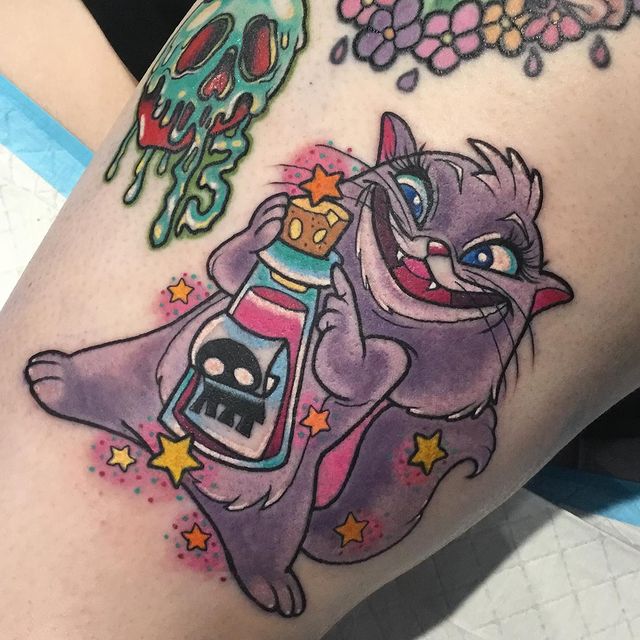
Three styles define Adrian Hing's work: traditional, Japanese, and neotraditional. Traditional tattooing relies on bold black outlines, a limited but saturated color palette, and imagery that reads clearly from across the room. Japanese tattooing (irezumi) demands different skills: large-scale compositions, flowing elements like wind bars and water, and deep cultural symbolism rooted in centuries of iconography. Neotraditional bridges these worlds. It keeps the bold line work of traditional but expands into more detailed shading, broader color ranges, and contemporary subject matter. Working across all three is uncommon. Most artists pick one lane. Hing's portfolio shows he can move between a clean traditional rose, a full Japanese back piece, and a neotraditional portrait without losing coherence. That range requires understanding each style's rules before bending them. His follower count suggests the market values that versatility. If you are considering a piece in any of these styles, browse tattoo ideas to understand what resonates before reaching out.
Popular Motifs & Subject Matter
Traditional tattooing draws from a classic repertoire: roses, eagles, skulls, daggers, snakes, and hearts. These motifs have been tattoo staples for over a century because they age well and read clearly on skin. Japanese work opens a different visual language: koi fish representing perseverance, dragons symbolizing wisdom and protection, cherry blossoms marking life's impermanence, tigers embodying strength, and oni masks warding off misfortune. Each element carries specific cultural meaning developed over hundreds of years. Neotraditional expands the playbook further, incorporating wildlife portraits, botanical studies, and reimagined vintage imagery with more depth and dimension. The common thread across all three styles is readability. Good traditional and Japanese work holds up from across the room. Motifs stay bold, compositions stay balanced, and color placement stays intentional. When planning your own tattoo, think about what imagery carries personal meaning. Explore the tattoo ideas gallery to browse motifs by style and theme before discussing your choices with an artist who works in that tradition.
Placement & Composition Approach
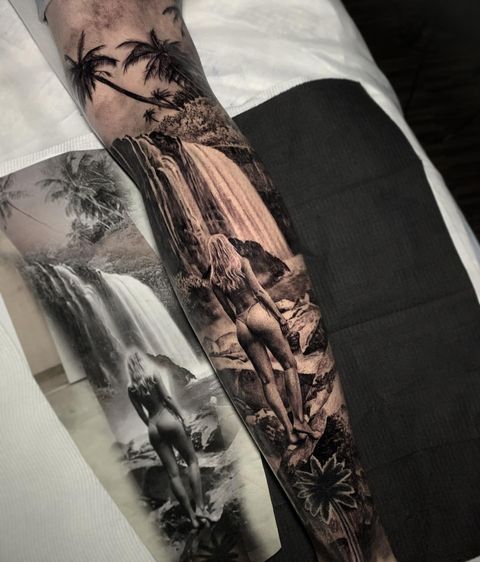
Traditional and Japanese tattooing treat placement differently. Traditional pieces often work as standalone designs: a rose on the forearm, an eagle on the chest, a snake wrapping around a bicep. Each piece stands on its own. Japanese tattooing thinks in terms of the whole body. A back piece flows into the arms. Wind bars connect separate elements. The body becomes a single, continuous composition. Neotraditional sits between these approaches, allowing both standalone statement pieces and larger planned work. When choosing placement, consider how the design interacts with your body's movement and shape. A traditional rose on the inner forearm reads differently than one on the ribs. A Japanese sleeve tells a different story than a single koi on the shoulder. Hing's work across these styles means he can approach placement with flexibility. If you are planning a larger piece or building toward a sleeve, think about how individual tattoos will connect over time. Try the AI tattoo generator to visualize placement and scale before committing to a design.
Booking & Working With Adrian Hing
Adrian Hing operates out of Sydney, New South Wales, Australia. His website at adrianhing.com and Instagram at @adrian_hing_tattoo are the primary channels for viewing his portfolio and making contact. With over 110,000 Instagram followers, demand for his time is likely significant. Contact the artist directly through his website or Instagram DMs to inquire about availability, pricing, and booking procedures. When reaching out, come prepared. Reference his existing work to show you understand his style. Be specific about size, placement, and subject matter. Artists appreciate clients who have done their homework. If you are still figuring out your design, use the AI tattoo generator to experiment with ideas before your consultation. For those outside Sydney, check the artist directory to find traditional and Japanese tattoo artists in your area. If you are traveling to Sydney specifically for a tattoo, plan your trip with enough lead time. Booking timelines vary, and last-minute appointments are rarely available for artists at this level of demand.
Explore more
Frequently Asked Questions
What tattoo styles does Adrian Hing specialize in?
Adrian Hing specializes in three styles: traditional (old school), Japanese (irezumi), and neotraditional. His work ranges from bold, classic traditional pieces to large-scale Japanese compositions and detailed neotraditional designs with expanded color palettes and shading.
Where is Adrian Hing based?
Adrian Hing is based in Sydney, New South Wales, Australia. Contact him directly through his website or Instagram to confirm his current studio location.
How do I book a tattoo with Adrian Hing?
Reach out to Adrian Hing directly through his website at adrianhing.com or his Instagram account @adrian_hing_tattoo. With over 110,000 followers, booking availability may be limited, so contact him well in advance with clear details about your design idea, preferred style, size, and placement.
How much does Adrian Hing charge for a tattoo?
Pricing information for Adrian Hing is not publicly listed. Contact the artist directly through his website or Instagram to discuss rates, minimums, and project quotes.
Does Adrian Hing accept walk-ins?
Walk-in availability for Adrian Hing is not confirmed. Given his large following and demand, appointments are likely required. Contact the artist directly through his website or Instagram to inquire about booking procedures and availability.