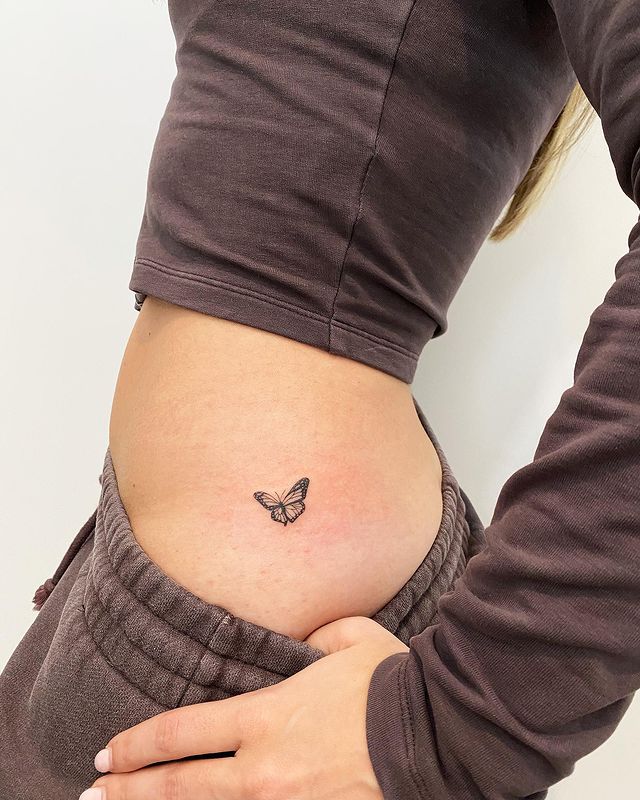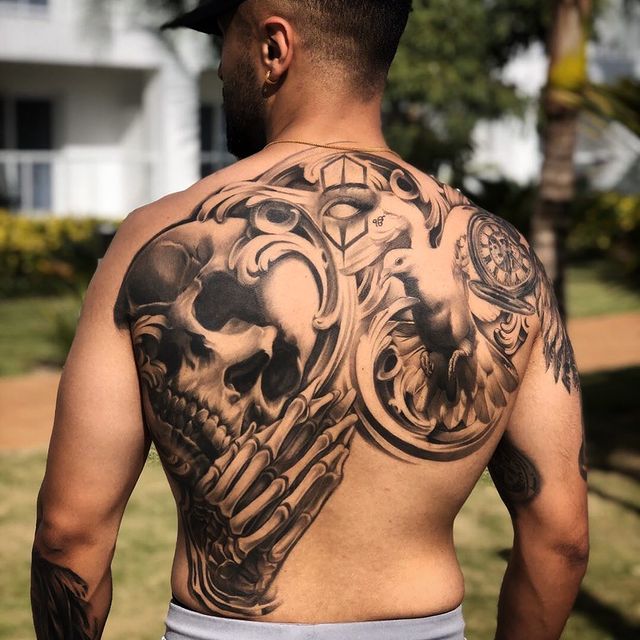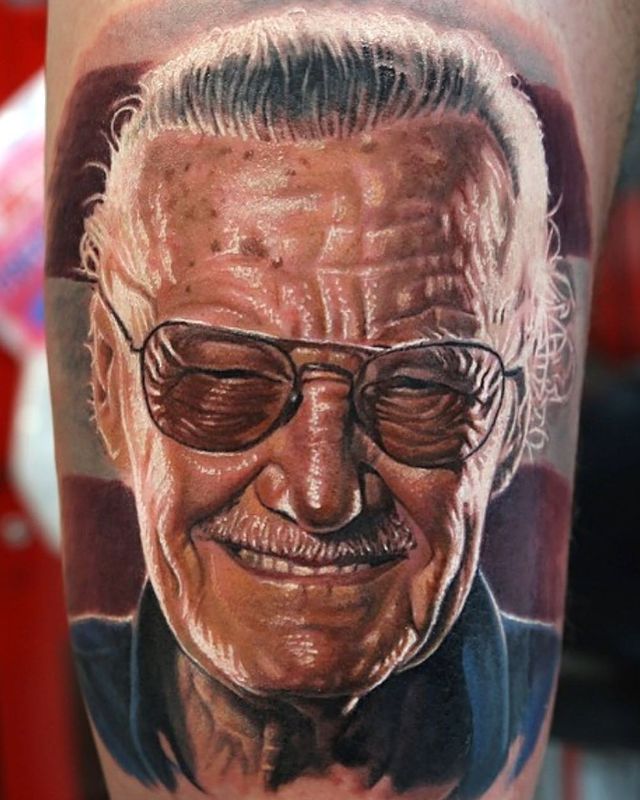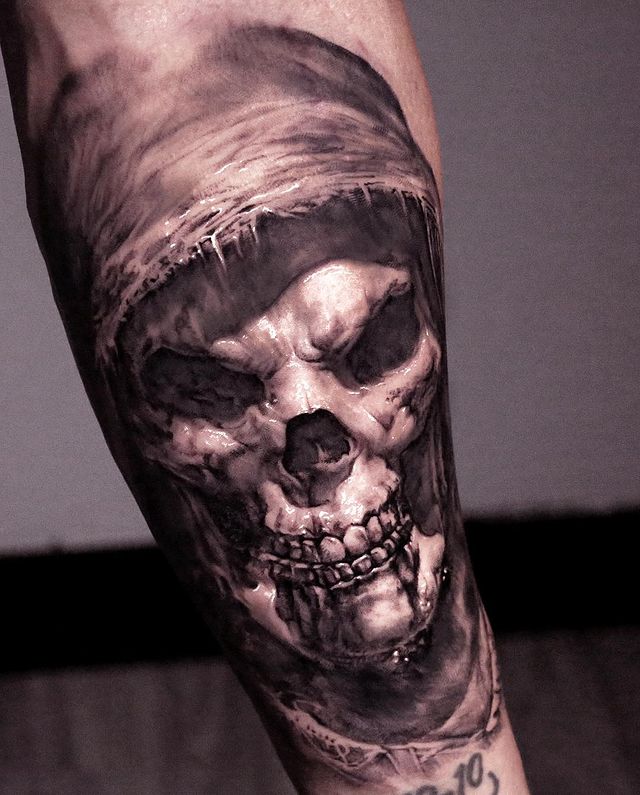
Franz Stefanik
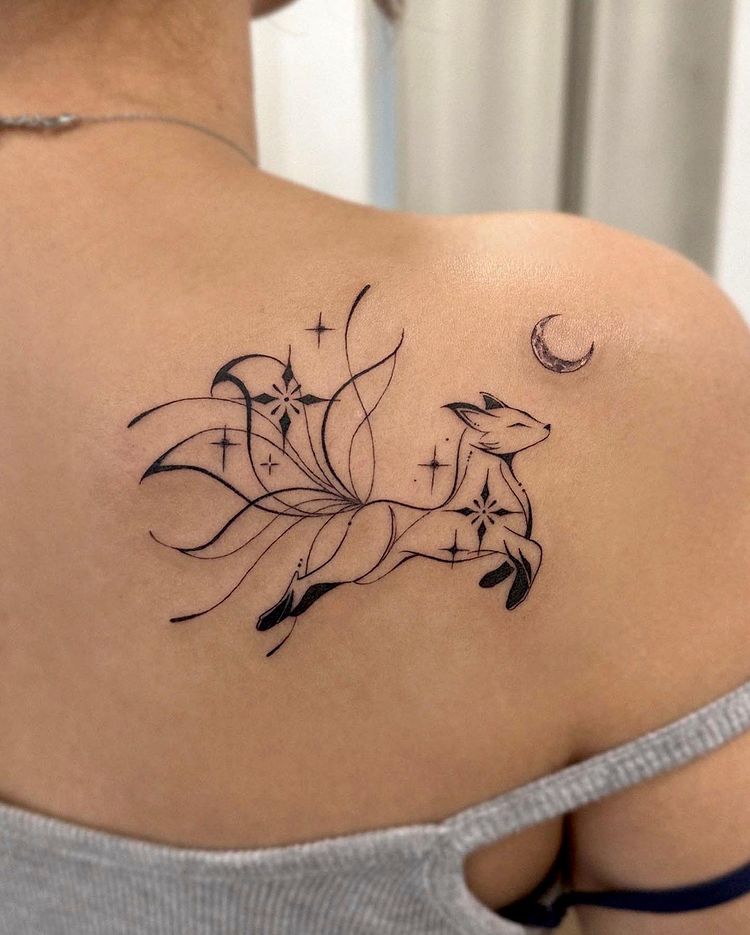
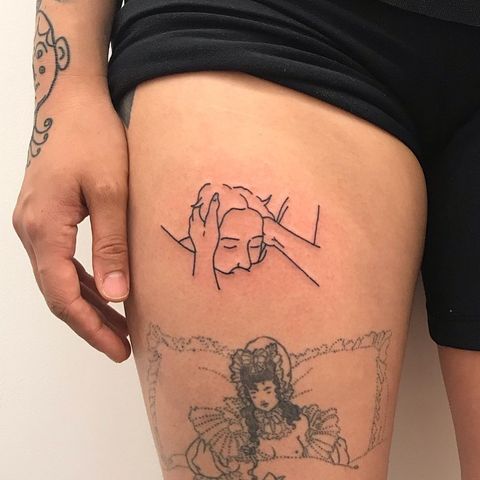
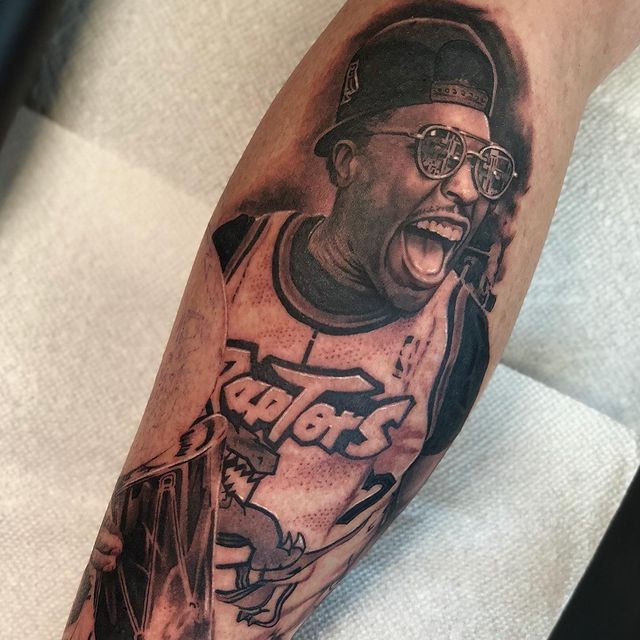
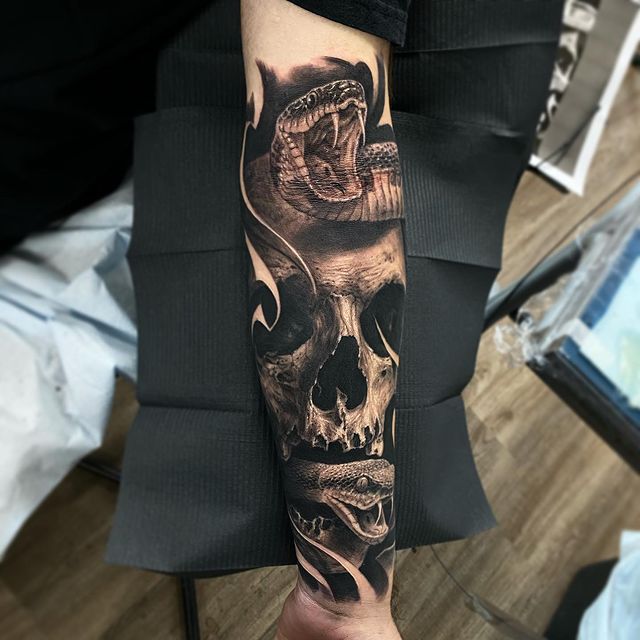
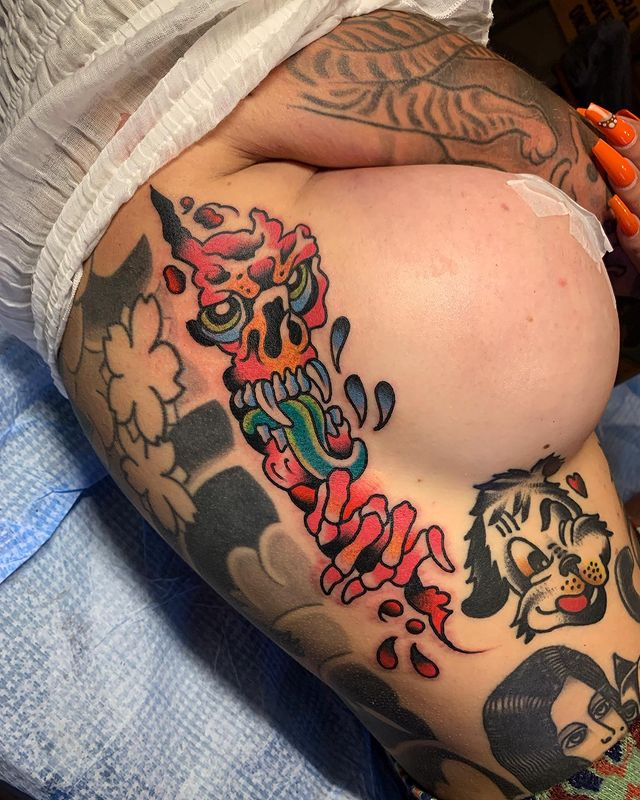
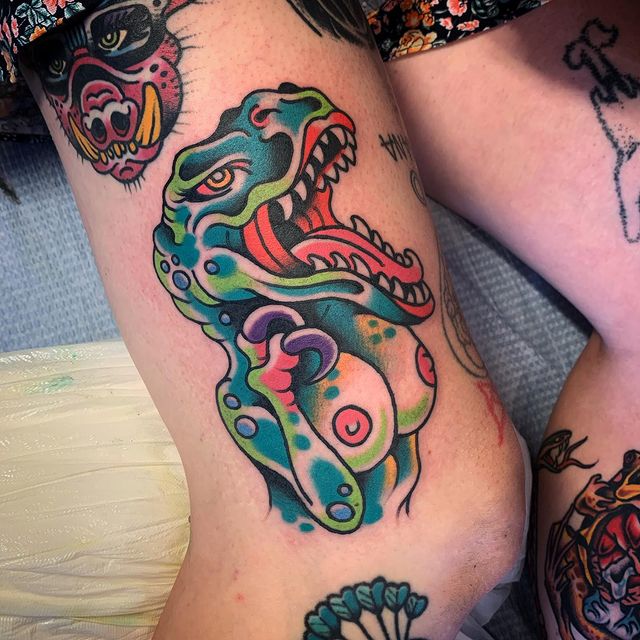
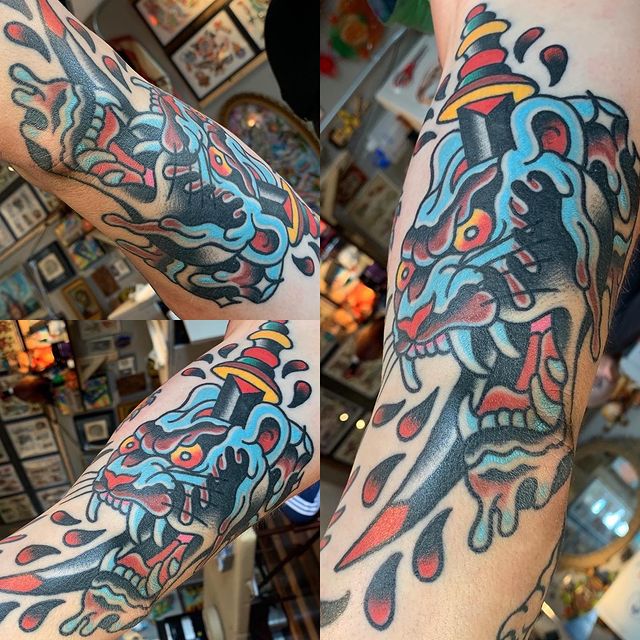
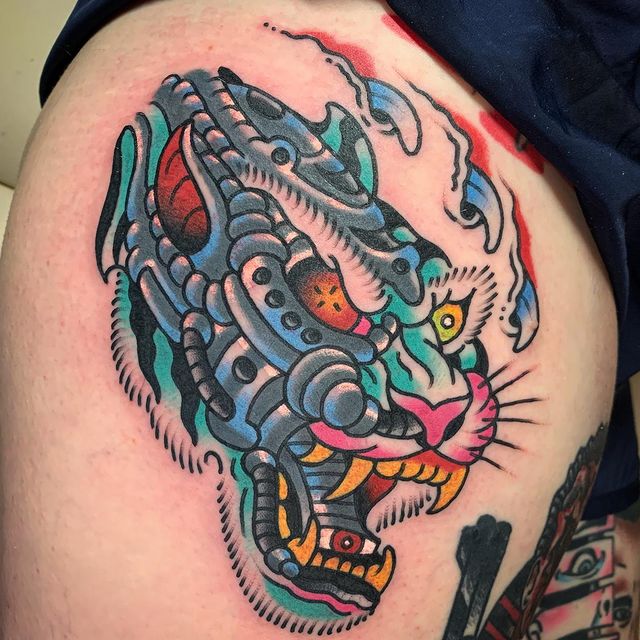
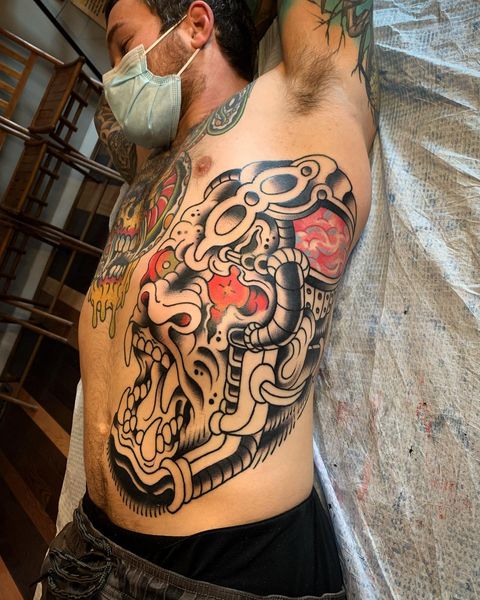
Franz Stefanik, a tattoo artist based in Hamilton, Canada, excels in creating traditional and Japanese style tattoos. With an impressive skill level that has garnered him about 100K followers on Instagram, Stefanik continues to shine in the industry. Note that he's mainly reachable via email for bookings, demonstrating his commitment to professionalism.
Franz Stefanik is a tattoo artist based in Hamilton, Ontario, recognized for his work in traditional and Japanese tattoo styles. With over 104,000 followers on Instagram, Stefanik has cultivated a dedicated audience around his bold linework and saturated color work. His portfolio spans classic American traditional motifs and Japanese iconography, two styles that share a deep commitment to strong black outlines and vivid color fills. Working independently in the Hamilton area, Stefanik takes on projects that align with his signature aesthetic. For booking inquiries, pricing, and availability, contact the artist directly through his Instagram or website.
History & Origins
Traditional tattooing, often called American traditional or old school, traces back to early 20th-century sailors and military personnel. Artists like Sailor Jerry Collins refined the style in Hawaii, drawing from nautical and folk imagery. Bold black outlines, a limited color palette of red, yellow, green, and black, and iconic flash designs define the look. Japanese tattooing, or irezumi, has deeper roots spanning centuries. Originally worn by working-class people and later associated with the yakuza, Japanese tattoos carry cultural weight that goes beyond aesthetics. Full-body suits, mythological creatures, and nature motifs tell stories across the skin. Both styles prioritize readability and longevity. The bold lines and saturated fills age well over decades, which is why traditional and Japanese work remains popular today. Franz Stefanik works within both traditions, drawing from their shared emphasis on strong outlines and vivid color. Understanding these origins matters. Japanese tattooing in particular carries cultural significance that deserves respect. If you are considering Japanese imagery, take time to learn about its meaning and consult artists who understand the tradition deeply.
Defining Characteristics
Franz Stefanik's work sits at the intersection of two styles that share more than most people realize. Traditional American and Japanese tattooing both rely on bold black outlines, saturated color fills, and designs that hold up over time. What sets Stefanik apart is how he moves between these two worlds. His traditional pieces carry the punchy simplicity of classic flash, with eagles, daggers, and roses rendered in clean, confident lines. His Japanese work leans into the flowing compositions that define the style, with koi fish, dragons, and cherry blossoms wrapping around limbs and torsos. The common thread is contrast. Both styles demand strong black work and bright, opaque color. Stefanik delivers on both fronts. His Instagram feed shows a consistent ability to make designs that read clearly from across a room, which is the real test of traditional tattooing. Whether the subject is a traditional panther or a Japanese oni mask, the linework stays crisp and the color stays bold. That consistency across two demanding styles is what has drawn over 104,000 followers to his work.
Popular Motifs & Subjects
Traditional tattooing runs on a core set of images refined over decades. Eagles, swallows, panthers, snakes, daggers, hearts, and roses form the backbone of the style. Each carries its own symbolism. Swallows represent safe return. Panthers signal courage and power. Roses often mean love or balance. Japanese tattooing draws from a different but equally rich visual language. Koi fish symbolize perseverance and strength. Dragons represent wisdom and protection. Cherry blossoms remind the wearer that life is fleeting. Oni masks ward off evil spirits. Waves and wind bars create movement and connect larger compositions. Stefanik's portfolio pulls from both traditions. You will find traditional roses sitting alongside Japanese koi, classic eagles next to flowing dragon scales. The mix works because both styles share a visual logic built on bold outlines and saturated fills. If you are drawn to either tradition, browse tattoo ideas on Inksy to see how these motifs translate across styles and placements.
Placement & Sizing
Traditional and Japanese tattoos both demand space to breathe. Small, detailed pieces can work, but these styles shine at larger scales. Here is why. Bold outlines and saturated color need room to hold their impact. A traditional eagle compressed into a three-inch space loses the clarity that makes the style work. A Japanese dragon wrapping around a full sleeve has room for every scale and whisker. For traditional pieces, common placements include the outer forearm, calf, chest, and back. These flat, open areas let the design sit cleanly. Japanese work traditionally flows with the body's natural lines. Full sleeves, back pieces, and half-suits follow the contours of muscles and joints, creating a cohesive look that moves with the wearer. If you are starting small, traditional flash pieces work well on forearms and calves. Japanese motifs like koi or cherry blossoms can start as standalone pieces and grow into larger compositions over time. Try the AI tattoo generator to visualize how different sizes and placements look before committing.
Choosing an Artist
Picking the right tattoo artist comes down to three things: style match, technical skill, and communication. Franz Stefanik's portfolio shows strong command of traditional and Japanese work. If those styles match what you want, he is worth reaching out to. Look closely at healed photos, not just fresh work. Traditional and Japanese tattoos rely on bold lines and saturated color that should hold up months and years later. Ask to see healed examples if they are not posted. Before reaching out, have a clear idea of what you want. Collect reference images. Know your preferred size and placement. Artists appreciate clients who come prepared. Since Stefanik operates independently without a listed studio, contact him directly through Instagram or his website. Be ready to discuss your idea, placement, and timeline. For pricing, minimums, and deposit requirements, ask directly. Rates vary based on size, detail, and placement. If you are still exploring styles or want to compare artists in the Hamilton area, browse the tattoo artists directory to see who else works in traditional and Japanese styles nearby.
Explore more
Frequently Asked Questions
What tattoo styles does Franz Stefanik specialize in?
Franz Stefanik specializes in traditional and Japanese tattoo styles. His work features bold linework, saturated colors, and classic imagery drawn from both American traditional and Japanese tattoo traditions.
Where is Franz Stefanik based?
Franz Stefanik is based in Hamilton, Ontario, Canada. He operates as an independent artist in the Hamilton area.
How do I book a tattoo with Franz Stefanik?
Contact Franz Stefanik directly through his Instagram (@franzstefanik) or his website to discuss booking, pricing, and availability. He does not list a specific studio, so reach out directly for consultation details.
How much does Franz Stefanik charge for tattoos?
Pricing details are not publicly listed. Contact the artist directly through his Instagram or website to discuss rates, minimums, and project quotes.
Does Franz Stefanik accept walk-ins?
Walk-in availability is not confirmed. Franz Stefanik operates as an independent artist. Contact him directly through Instagram or his website to ask about scheduling and appointment policies.