1/3 • Click to zoom
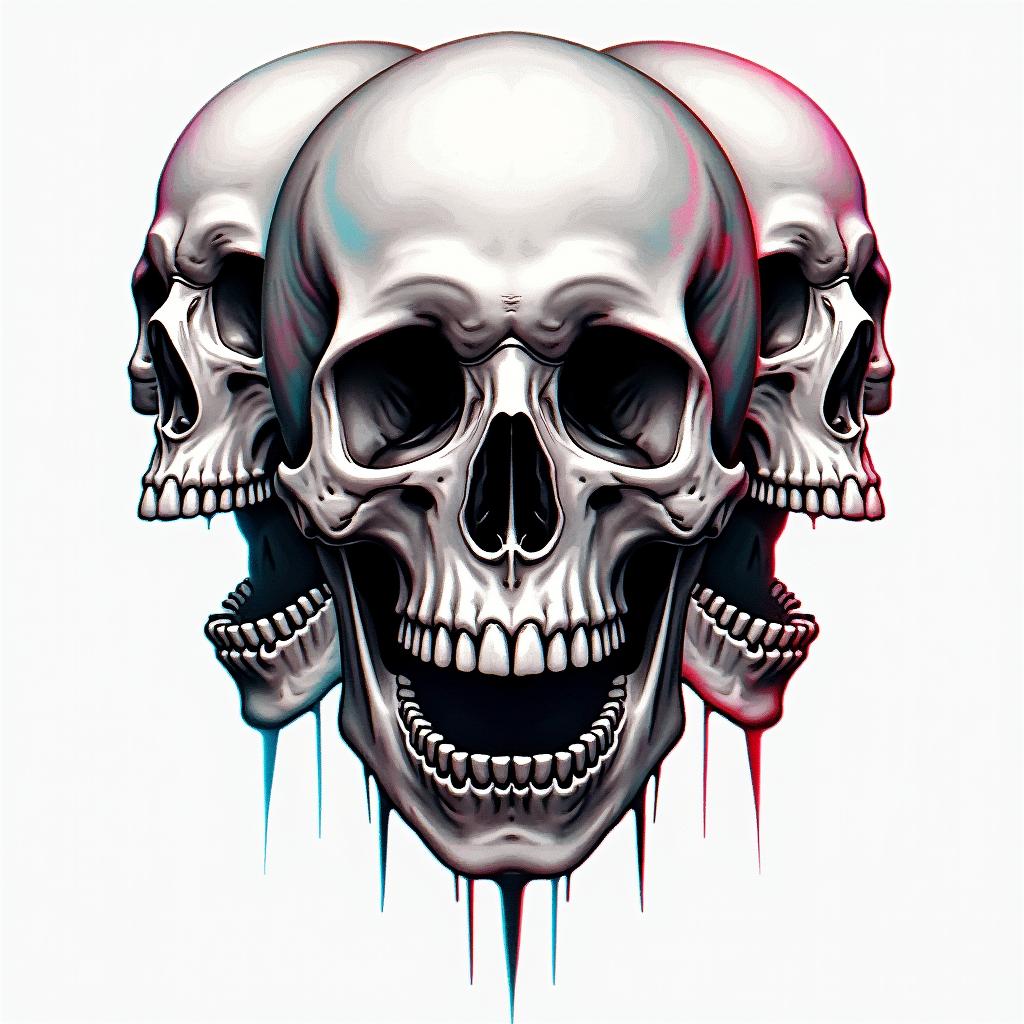
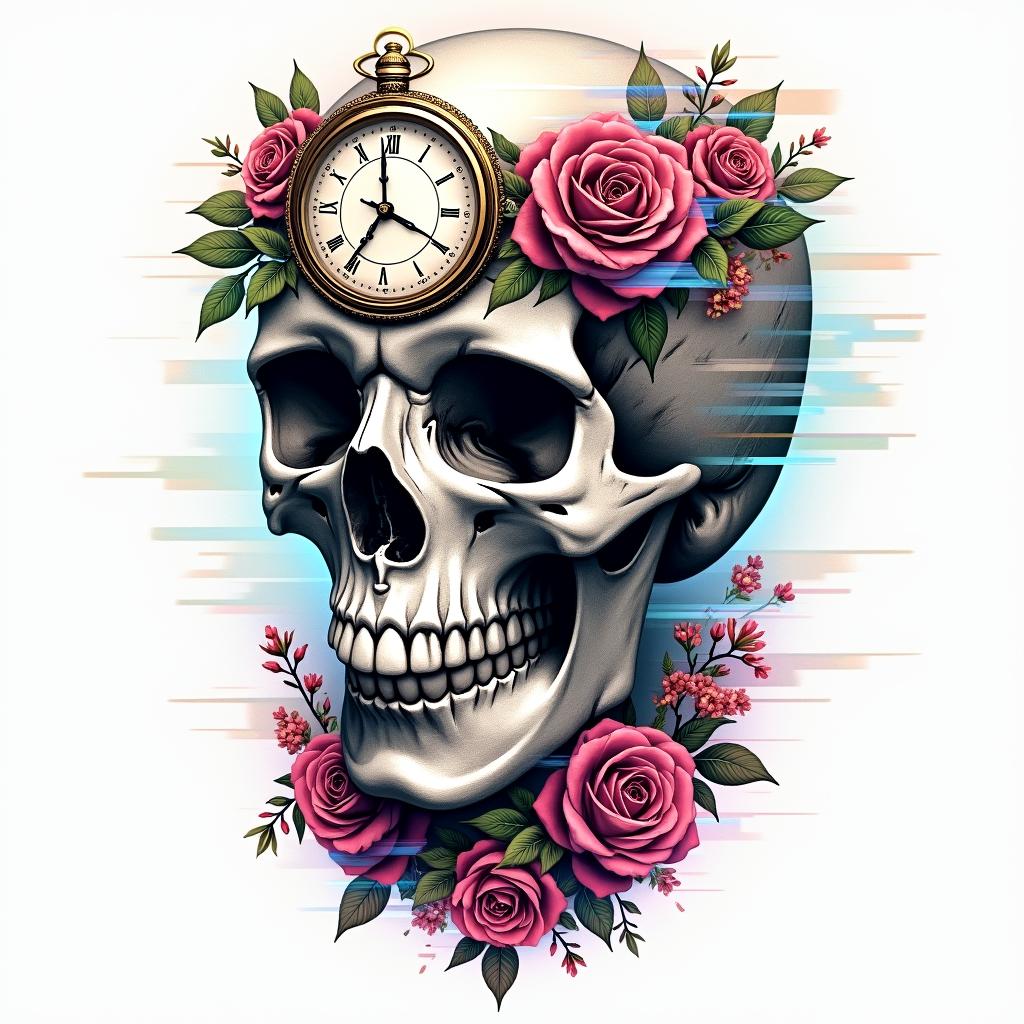
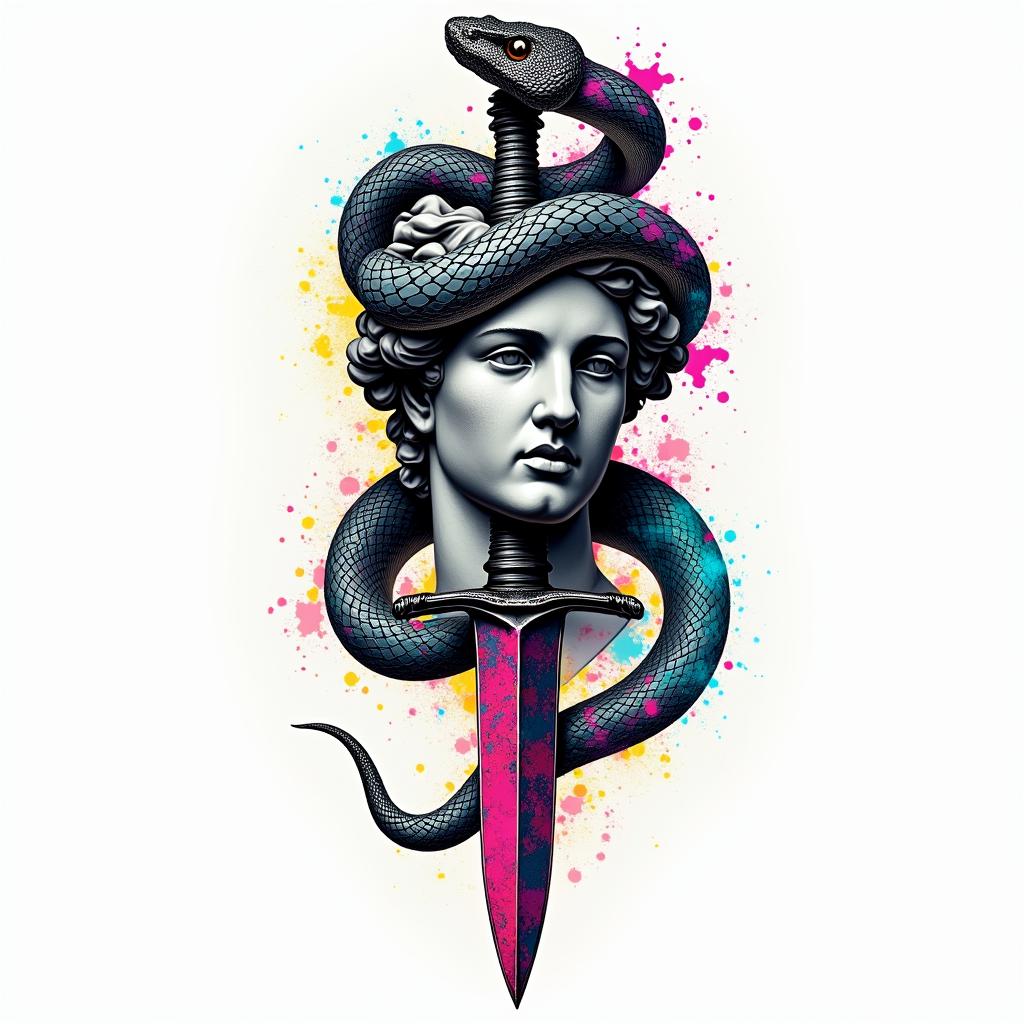
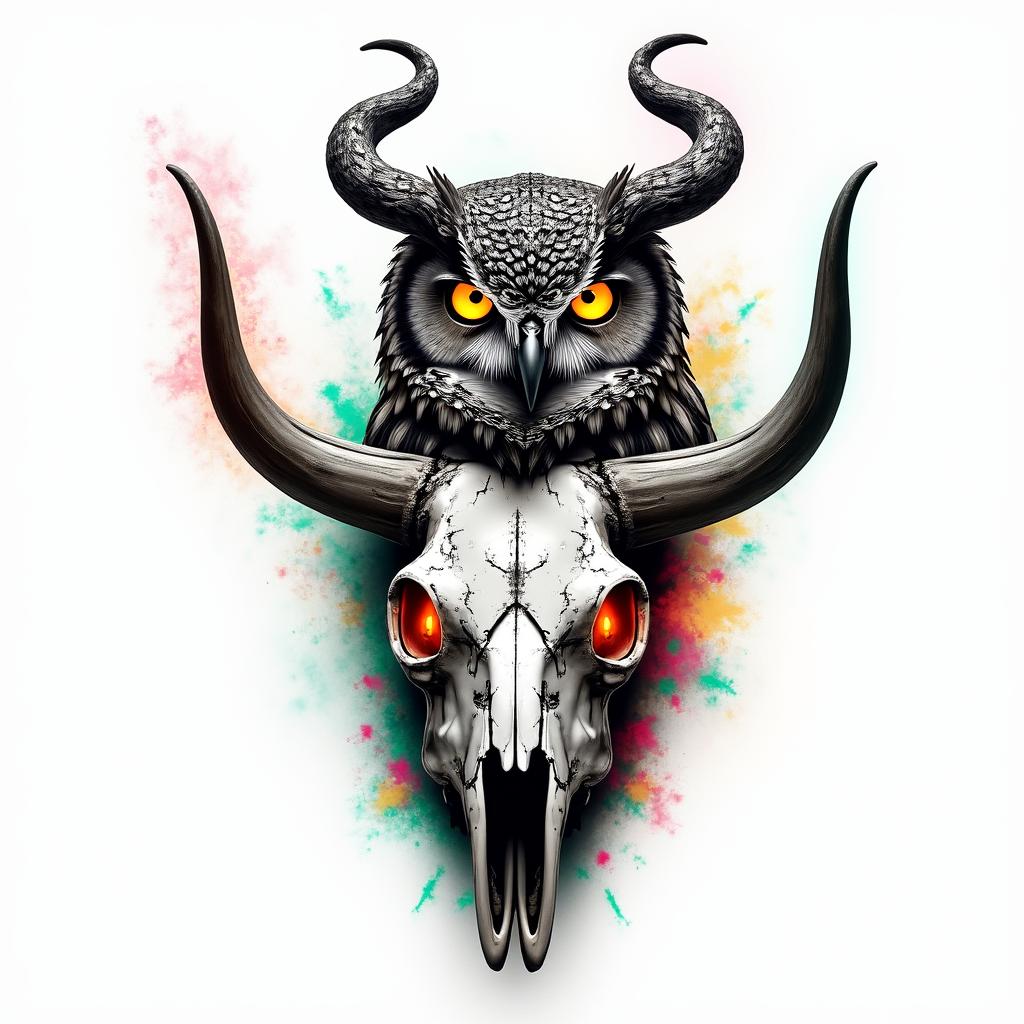
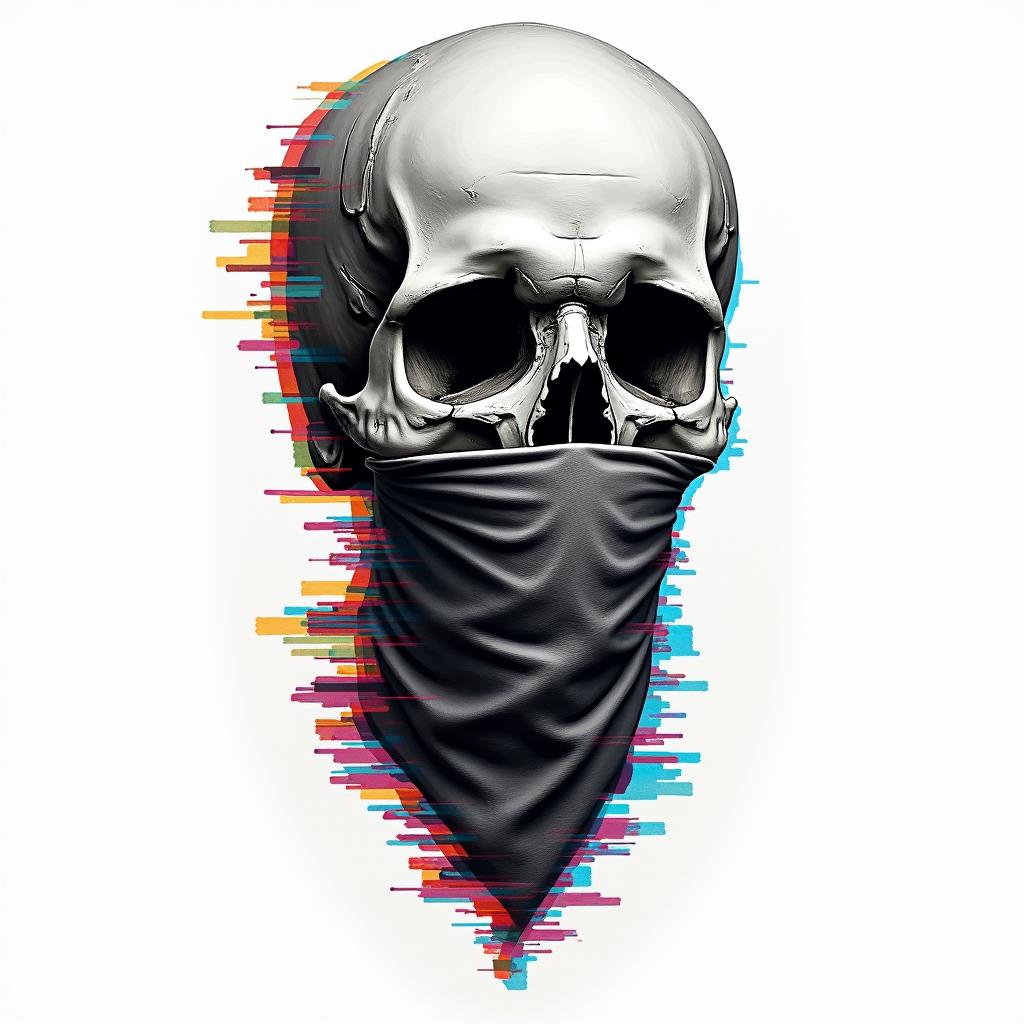
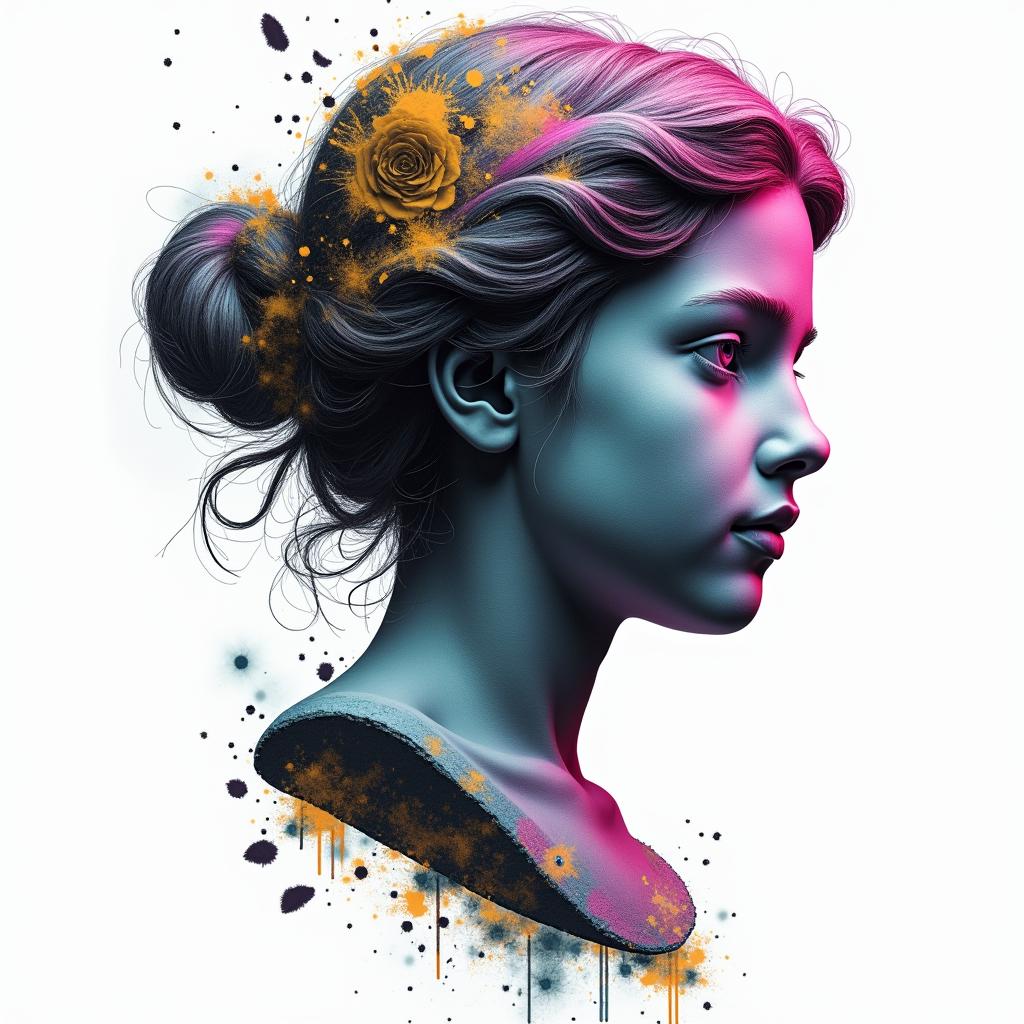
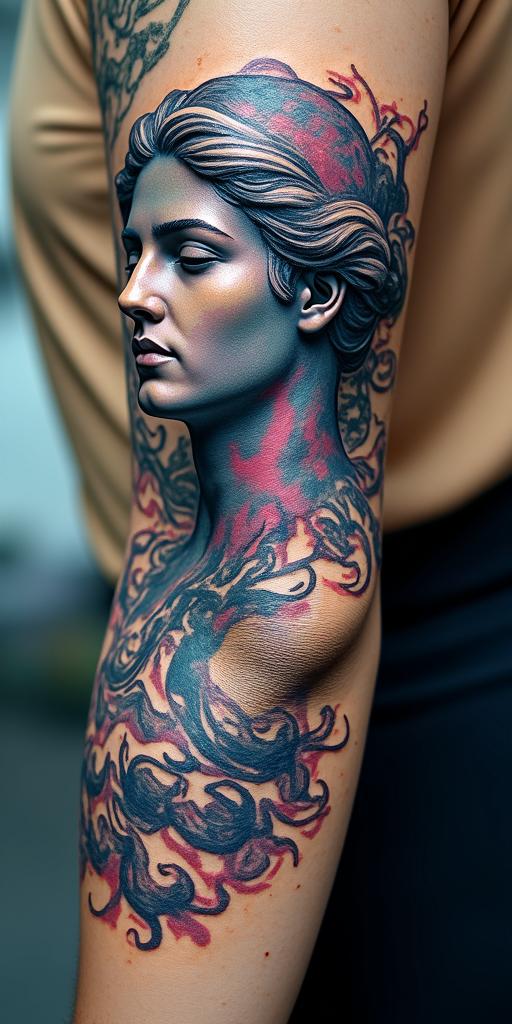
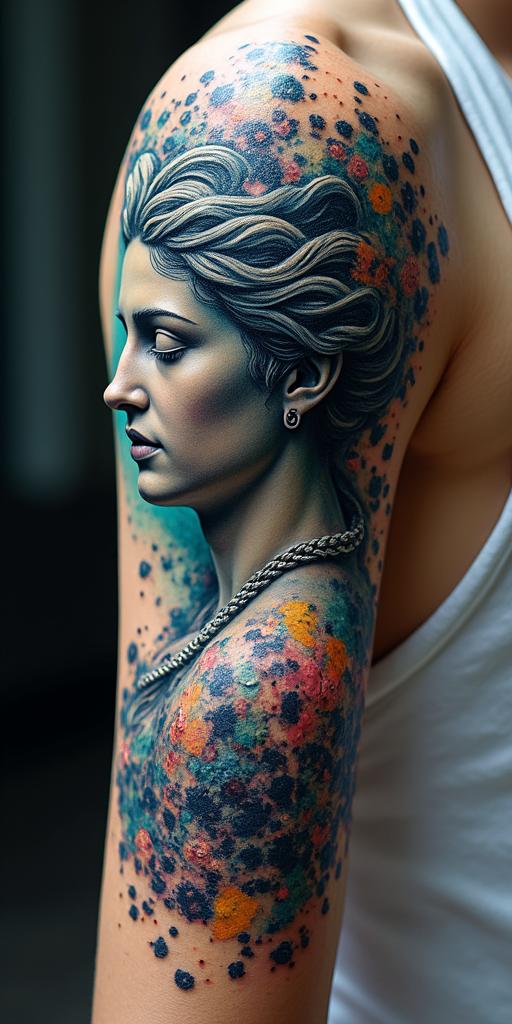
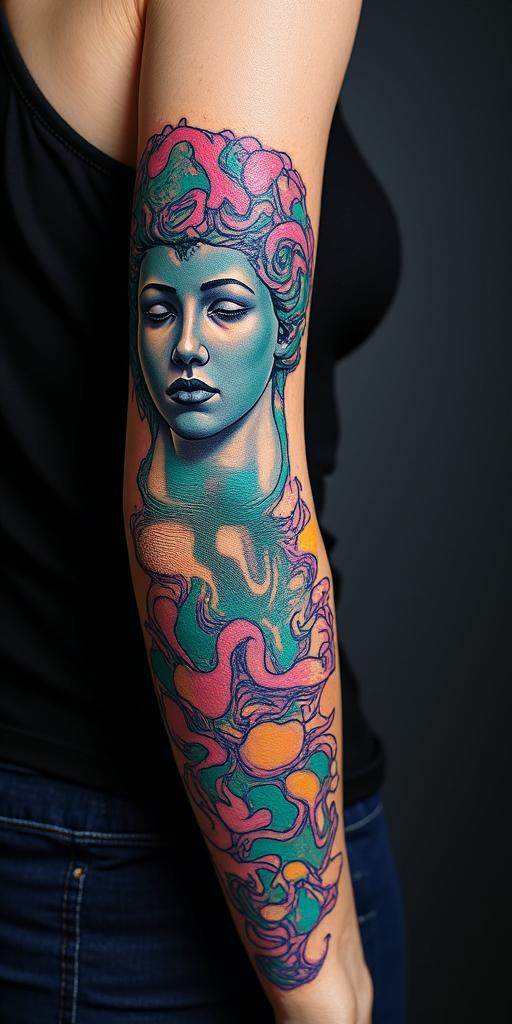
Merge classical antiquity with digital decay in this visceral design. A serene statue bust clashes with terrifying deep-sea entities, fractured by chromatic aberration. Cyan, magenta, and yellow channels separate to create a volatile digital distortion effect. Ideal for collectors wanting modern surrealism over traditional realism. The fragmentation allows ink to breathe on moving muscle, mimicking signal loss. Works best on limbs where the glitch effect follows anatomy without losing clarity. A bold statement piece rejecting static imagery for something living and volatile. Perfect for forearm or calf placements where flat surface area preserves the digital aesthetic. Always consult your artist about color saturation to ensure the CMYK overlay remains distinct over time. This design leverages negative space to enhance the fragmented look, preventing the heavy color packing from becoming muddy. The juxtaposition of ancient stone and modern digital error creates a narrative about permanence versus obsolescence. Suitable for individuals seeking a conversation starter that defies conventional tattoo categorization. Ensure your artist specializes in color theory to maintain the vibrancy of the overlapping hues. Proper aftercare is crucial to prevent the bright colors from fading unevenly.
Noticeable discomfort, prepare for some sensitivity
Outer forearm and calf areas feature thicker skin and moderate nerve density, resulting in manageable discomfort. Intricate detailing requires slower needle work, increasing heat sensation. Vibrating machinery on bone near the wrist or ankle intensifies sensitivity. Maintain steady breathing during color packing phases. Topical anesthetics are generally unnecessary for these locations unless pain tolerance is exceptionally low.
This design requires flat canvas space to maintain the integrity of the digital fragmentation. The outer forearm offers sufficient surface area for the color separation to remain distinct without blurring. Calf placements allow the vertical flow of the statue bust to align with muscle structure. Avoid highly curved areas like ribs where the glitch lines might warp unintentionally. Minimum width should be six inches to prevent color bleed between the cyan and magenta layers. Visibility is high on forearms, suitable for casual environments but easily covered with long sleeves for formal settings.
glitch is a distinctive tattoo style characterized by Glitch: Modern digital-inspired tattoos featuring distorted imagery, pixelation, and visual artifacts that mimic computer glitches. This contemporary style creates a unique intersection of technology and body art. Surrealism: Surrealist tattoos feature dreamlike, impossible imagery inspired by artists like Salvador Dalí, René Magritte, and the surrealist movement. These imaginative designs combine realistic elements in impossible ways, creating thought-provoking visual narratives. Dark Art: Dark Art tattoos explore shadowy themes, moody atmospheres, and darker imagery without necessarily being horror-focused. These designs feature deep blacks, atmospheric shading, and subject matter ranging from melancholic to mystical.. This style has gained popularity for its versatility and visual appeal.
The duration depends on the size, complexity, and detail level. A design of this style typically requires 2-4 hours for a medium-sized piece, but consult with your artist for an accurate estimate.
Tattoo pricing varies by artist, location, and design complexity. Prices typically range from $150-$500+ for a design of this style. Always consult with your chosen artist for an accurate quote.