1/2 • Click to zoom
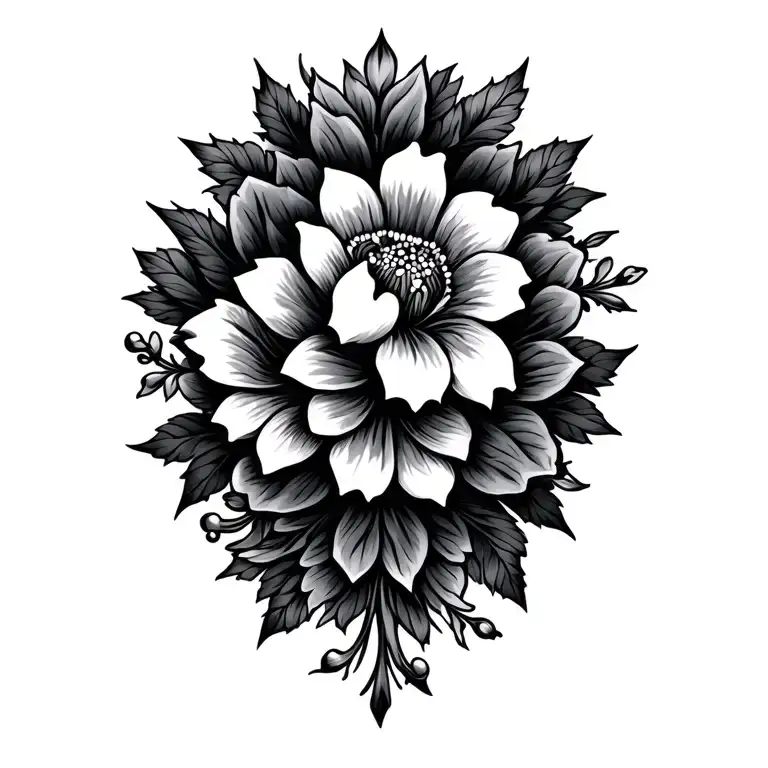
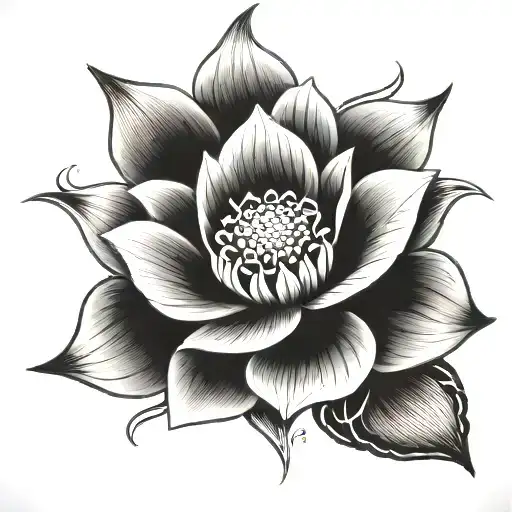
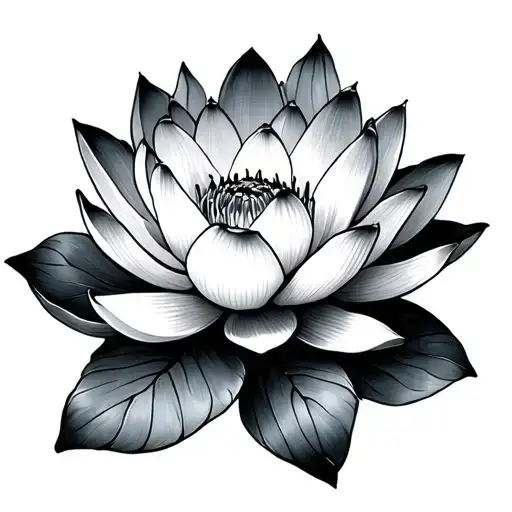
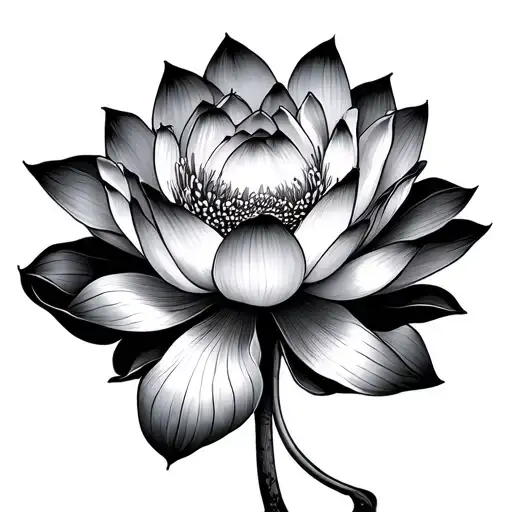
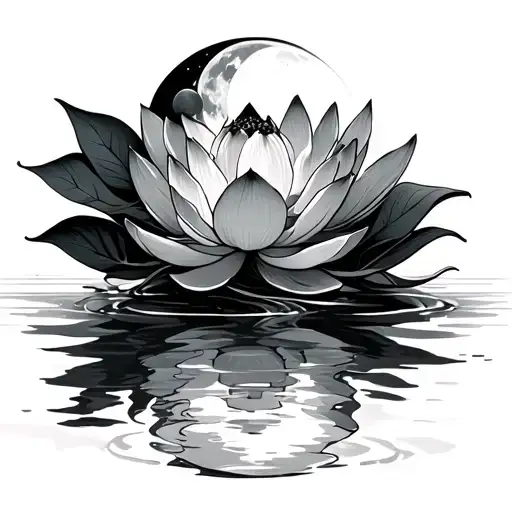
Embrace the symbolism of purity and enlightenment with this Japanese Lotus Flower design. Rendered in black and grey, the petals unfold with precise linework and soft shading that captures the bloom's delicate structure. This motif represents rebirth and resilience, rising above murky waters to flourish. Ideal for those seeking spiritual meaning wrapped in classic aesthetics, the composition balances negative space with bold outlines typical of Irezumi influence. Whether placed on the forearm or thigh, the circular flow complements muscle contours. Artists should focus on gradient stability to ensure longevity. This piece bridges traditional iconography with modern placement versatility, offering a timeless look that ages gracefully on skin. Suitable for first-timers and collectors alike, it demands a steady hand for petal symmetry. The design works exceptionally well in medium sizes, allowing enough surface area for shading nuances without losing definition over time.
Manageable pain, suitable for most people
Expect moderate discomfort on outer limbs due to muscle cushioning. The outer forearm and thigh rank low on the pain scale, ideal for longer sessions. Shading may cause a warm, scratching sensation compared to linework. Breathing techniques help manage intensity during dense petal sections. Topical numbing is optional but rarely needed for these locations. Breaks every 45 minutes prevent fatigue. Avoid bony areas like ankles if pain tolerance is low.
For optimal flow, position this design on flat surfaces like the outer thigh or outer forearm. These areas provide enough canvas for the petals to expand without distortion during movement. The shoulder offers a rounded surface that complements the flower's natural symmetry. Avoid high-friction zones like hands or feet to preserve shading integrity. Minimum size should be 4 inches to maintain line clarity. Visibility is moderate; sleeves cover forearm placements easily for professional settings. Thigh placements allow for larger scale details. Ensure the artist maps the center point correctly to avoid asymmetry as the skin settles.
japanese is a distinctive tattoo style characterized by Japanese: Traditional Japanese tattoos (Irezumi) featuring iconic motifs like koi fish, dragons, cherry blossoms, and waves. These rich, narrative designs follow centuries-old rules of composition, symbolism, and technique. Blackwork: Blackwork tattoos use exclusively black ink to create bold, graphic designs ranging from intricate patterns to large solid areas. This versatile style encompasses geometric patterns, illustrative work, and heavy coverage pieces that make powerful visual statements. Botanical: Botanical tattoos feature detailed depictions of flowers, plants, leaves, and natural elements inspired by scientific botanical illustrations. These designs range from realistic renderings to stylized interpretations, celebrating the beauty of the natural world.. This style has gained popularity for its versatility and visual appeal.
Yes, this design is well-suited for square placement. This japanese design is ideal for square placement. Consider consulting with a professional tattoo artist about the best placement for this design.
The duration depends on the size, complexity, and detail level. A design of this style typically requires 2-4 hours for a medium-sized piece, but consult with your artist for an accurate estimate.
Tattoo pricing varies by artist, location, and design complexity. Prices typically range from $150-$500+ for a design of this style. Always consult with your chosen artist for an accurate quote.
Proper aftercare is crucial for square tattoos. Keep the area clean, moisturized, and protected from sun exposure. Follow your artist's specific aftercare instructions for best results.
square
square
square
square
square