RACO
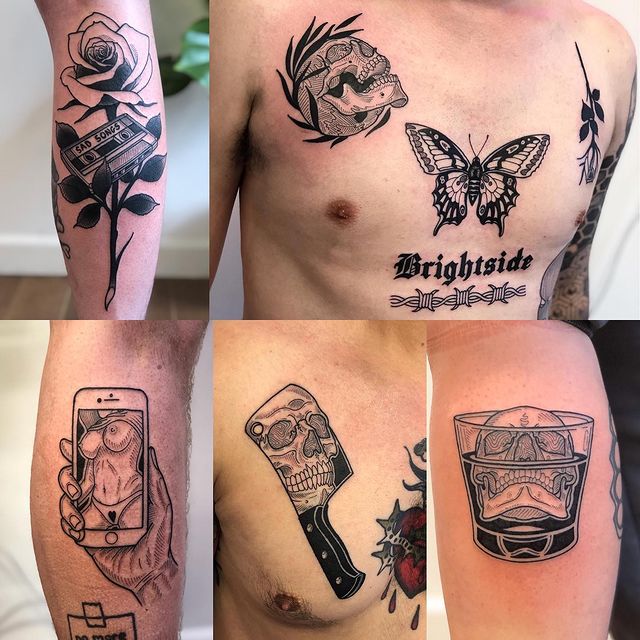
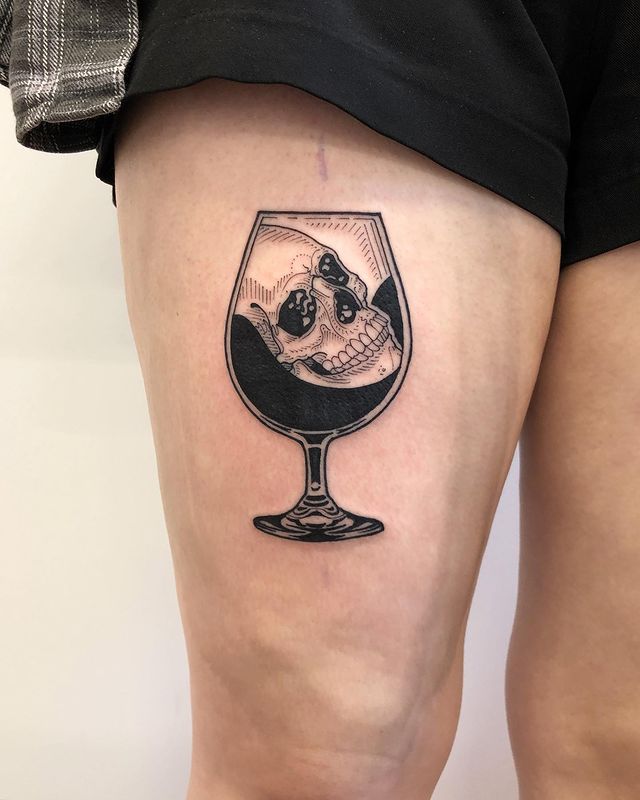
RACO is an exceptionally skilled tattoo artist, specializing in fineline, dotwork, and neotraditional styles. They operate out of Manchester, UK, and command significant respect in the industry, reflected in their impressive fan base of over 130,000 followers on Instagram. RACO's art is in high demand with bookings already filled up, marking them not only as a top-tier artist but one constantly innovating within their craft.
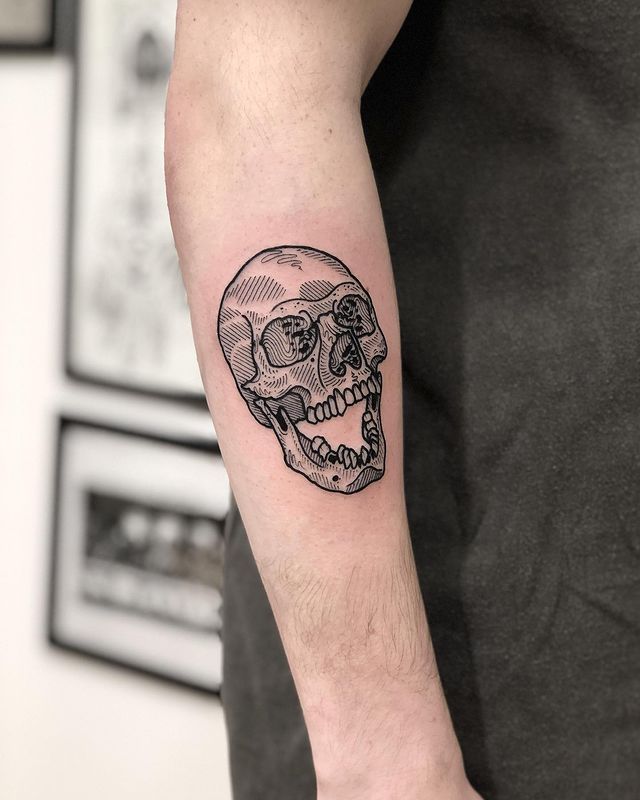
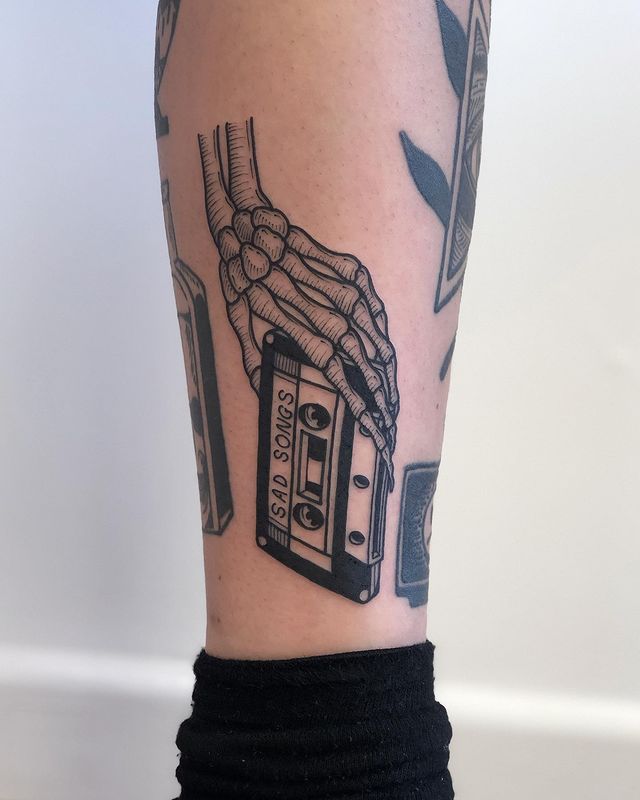
RACO is a tattoo artist specializing in fineline, dotwork, and neotraditional styles. With over 129,000 followers on Instagram (@racotattoo), RACO has built a strong presence in the tattoo community. Their work blends delicate fineline detail with the structured precision of dotwork and the bold, illustrative qualities of neotraditional tattooing. This combination gives their portfolio a distinctive range, from intricate minimal pieces to vibrant, statement designs. RACO's location and studio affiliation are not publicly listed. To inquire about bookings or pricing, contact the artist directly through their Instagram page.
History & Origins
RACO has cultivated a significant following in the tattoo world, amassing over 129,000 followers on Instagram. While specific details about their training background and career timeline are not publicly documented, their portfolio speaks to an artist who has put in serious time across multiple disciplines. Working across fineline, dotwork, and neotraditional styles is no small feat. Each approach demands different technical skills, from the steady hand required for hair-thin lines to the patience needed for thousands of precise dots. RACO's ability to move between these styles suggests years of dedicated practice and a willingness to push beyond a single comfort zone. Their Instagram presence has been the primary showcase for their work, which is common for artists who have built their reputation through social media rather than traditional shop visibility. For artists working today, platforms like Instagram have replaced the old model of walking into a shop and flipping through physical portfolios. RACO's follower count reflects genuine engagement from a community that values technical range and consistent quality.
Defining Characteristics
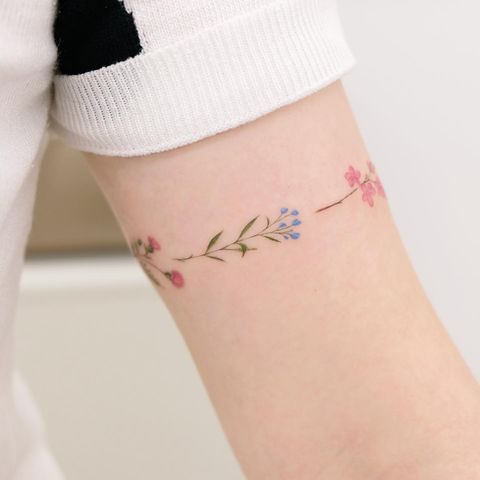
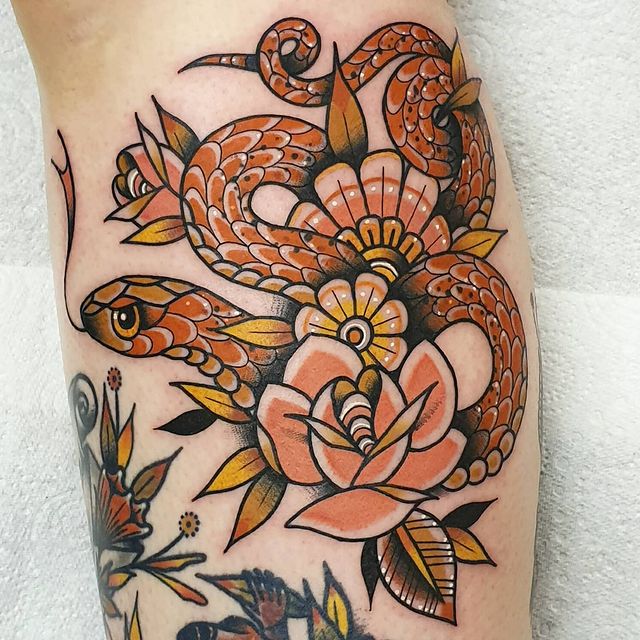
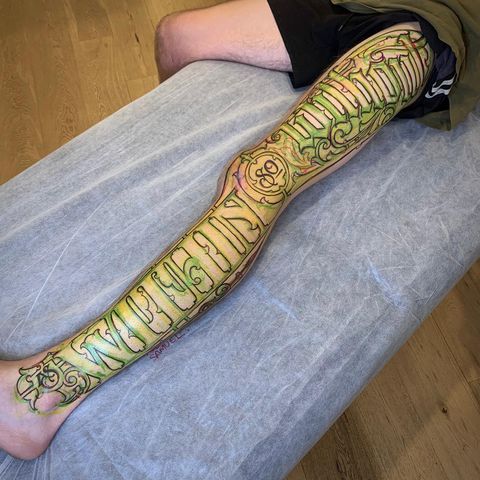
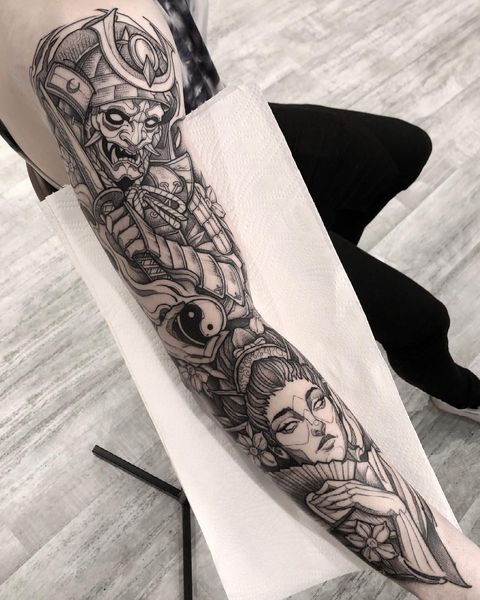
What sets RACO apart is the range across three distinct styles that rarely live in the same portfolio. Fineline work demands restraint and precision. Every line has to hold weight without relying on bold outlines. Dotwork requires a different kind of patience, building shading and texture through thousands of individual points rather than gradients or fills. Neotraditional tattooing pulls in the opposite direction, with saturated color, bold outlines, and illustrative depth that references classic American traditional but with modern sensibilities. RACO moves between these approaches without diluting any of them. A fineline piece from their portfolio reads as genuinely delicate, not like a simplified version of something bolder. Their dotwork holds up on its own terms, with clean gradations and intentional patterning. Their neotraditional pieces carry the weight and color saturation the style demands. This versatility matters for clients because it means you are not locked into one aesthetic. You can bring a concept and trust that the execution will match the style rather than forcing the idea into a single technique.
Popular Motifs & Subjects
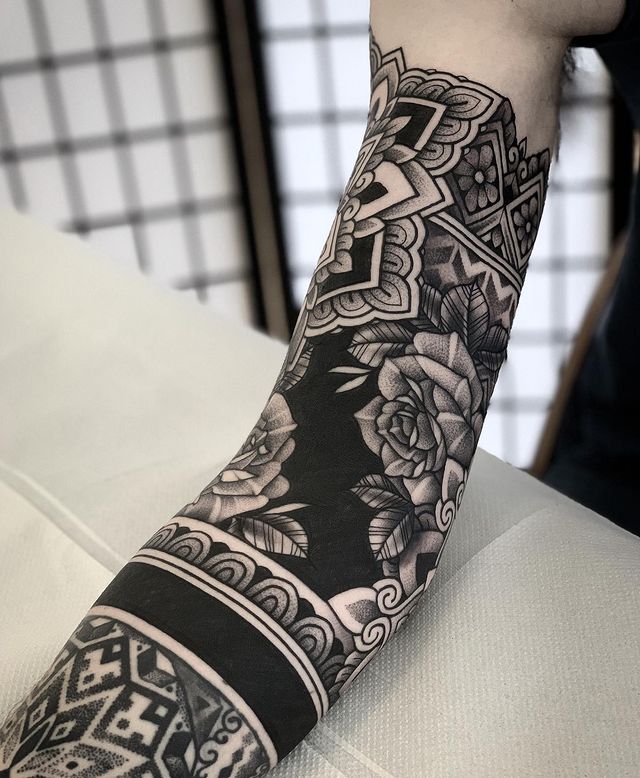
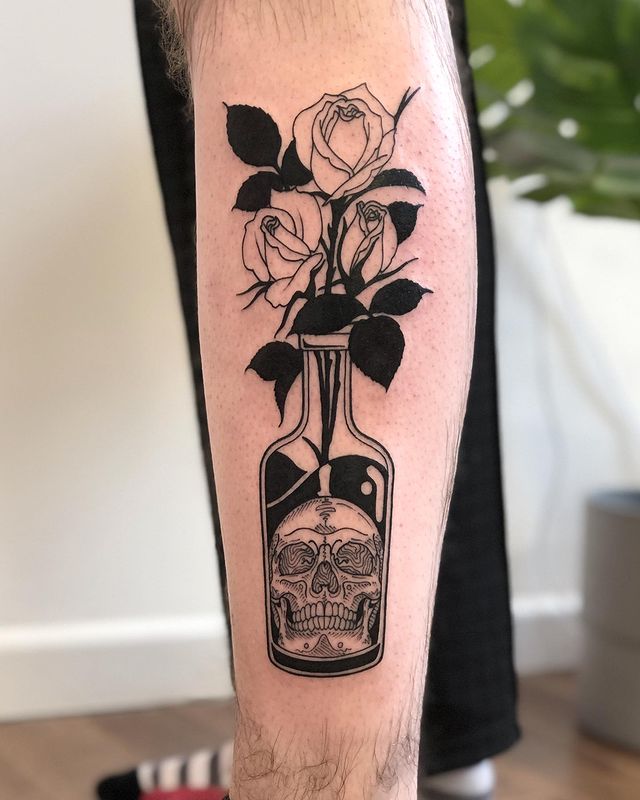
Across RACO's portfolio, certain motifs recur in ways that reveal their strengths. Fineline pieces often feature botanical subjects, from single-stem flowers to sprawling leaf arrangements that take advantage of the style's ability to render organic shapes with minimal lineweight. Dotwork compositions tend toward geometric and mandala-inspired designs, where the stippling technique creates natural depth and dimension. The repetitive, meditative quality of dotwork lends itself to symmetrical patterns and sacred geometry that reward close inspection. Neotraditional work opens up room for bolder subjects. Animals rendered with exaggerated features, portraits with dramatic color palettes, and classic iconography like roses, skulls, and eagles reimagined with contemporary color choices. What ties these categories together is a focus on clarity. Whether the subject is a tiny fineline leaf or a full-color neotraditional portrait, the design reads clearly from a distance and holds detail up close. That readability is harder to achieve than it sounds, and it is one of the more reliable indicators that an artist has put real thought into composition, not just technique.
Placement & Sizing
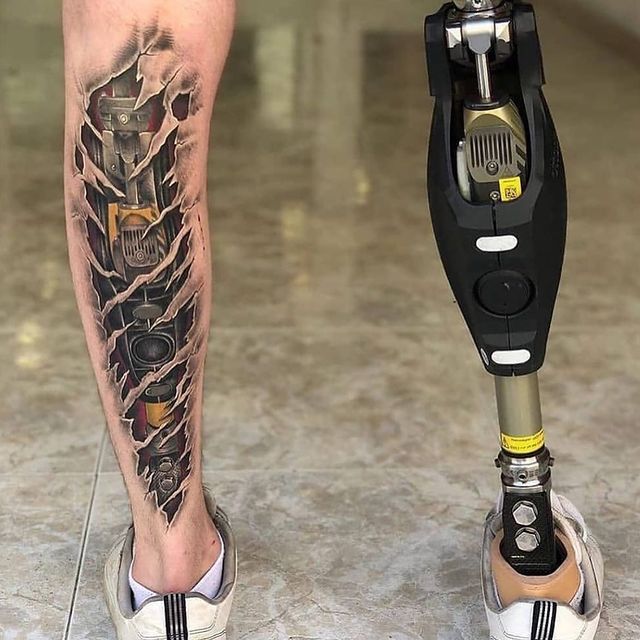
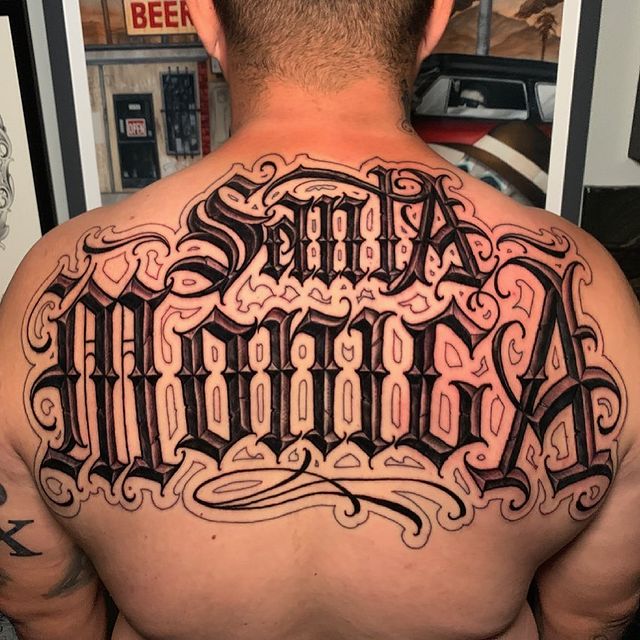
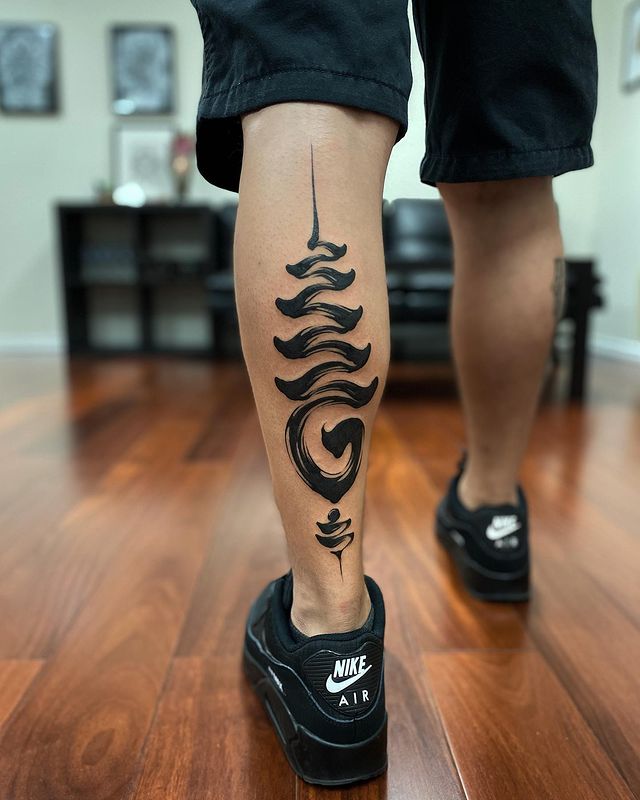
Each of RACO's three specialties interacts differently with body placement. Fineline tattoos tend to work best on areas with relatively flat, stable skin. Ribs, inner forearms, and the side of the thigh are common choices because the skin there does not stretch dramatically with movement, which helps preserve those delicate lines over time. Dotwork pieces can handle more variation in placement. Because the technique relies on points rather than continuous lines, minor skin movement has less impact on the overall design. This makes dotwork a solid option for areas like the shoulder, calf, or back, where the skin shifts but the stippled pattern holds its visual integrity. Neotraditional tattoos need space. The bold outlines and saturated color fields that define the style require room to breathe. Upper arms, full back pieces, and thigh placements give the composition enough area to develop without feeling cramped. If you are considering a smaller neotraditional piece, discuss sizing with RACO directly. Going too small can compromise the clarity of the bold elements that make the style work.
Choosing an Artist
Working with RACO starts with understanding what you want and whether their skill set matches that vision. If you are drawn to delicate, minimal work, their fineline portfolio is worth studying closely. Look at how their lines heal, not just how they look fresh. If dotwork is your interest, examine the consistency of their stippling and the smoothness of their gradients. For neotraditional pieces, check the color saturation and how their bold outlines hold their shape. Since RACO's location and studio affiliation are not publicly listed, you will need to reach out through Instagram at @racotattoo to discuss booking. Be prepared to share your concept, preferred size, and placement when you make contact. Artists with large followings often receive high volumes of messages, so a clear, concise inquiry with reference images will get better results than a vague request. Pricing, minimums, and availability are not published, so ask about those details directly. If you are planning a larger piece like a sleeve or back panel, discuss whether RACO offers multi-session scheduling and how they approach the overall composition across multiple appointments.
Explore more
Frequently Asked Questions
What tattoo styles does RACO specialize in?
RACO specializes in three styles: fineline, dotwork, and neotraditional. Their portfolio ranges from delicate, hair-thin linework to bold, color-saturated illustrative pieces. This versatility allows clients to explore different aesthetics within a single artist's body of work.
How do I book a tattoo appointment with RACO?
RACO does not have a public booking website listed. The best way to reach them is through Instagram at @racotattoo. Send a direct message with your concept, preferred size, and placement. Be clear and concise, as artists with large followings receive high volumes of inquiries.
Where is RACO located?
RACO's location is not publicly listed. Contact the artist directly through Instagram @racotattoo to confirm their studio location and ask whether they offer guest spots or travel conventions.
How much does RACO charge for a tattoo?
Pricing information for RACO is not publicly available. Tattoo rates vary based on size, detail, placement, and style. Contact the artist directly through Instagram to request a quote for your specific design.
Does RACO take walk-ins or require appointments?
RACO's booking policy is not publicly documented. Most artists specializing in fineline and dotwork work by appointment only due to the detail involved. Contact the artist directly on Instagram @racotattoo to confirm their booking process.