Nick Devine
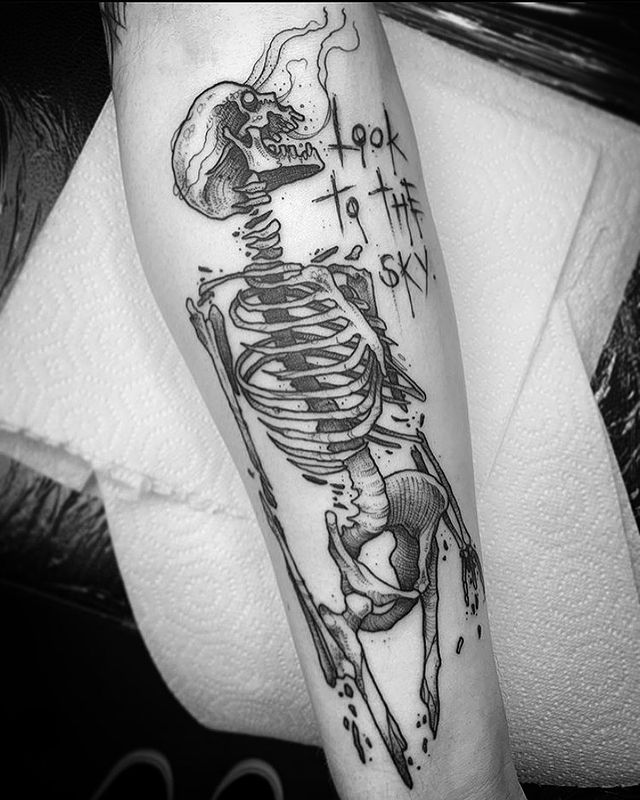
Nick Devine is a adept tattoo artist, recognized for his distinctive and stylistic dotwork and sketch tattoos. He boasts a large and devoted following of approximately 84,000 on Instagram. He upholds stringent standards for cleanliness and is known for his professional approach when accommodating bookings and art commission requests via email.
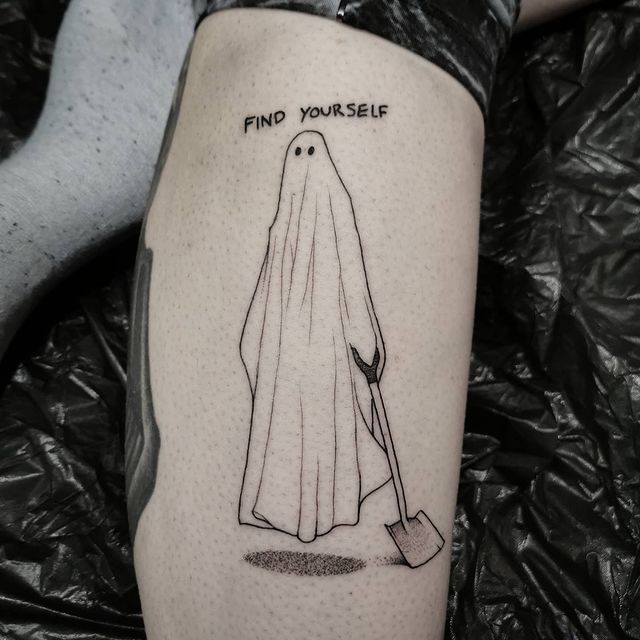
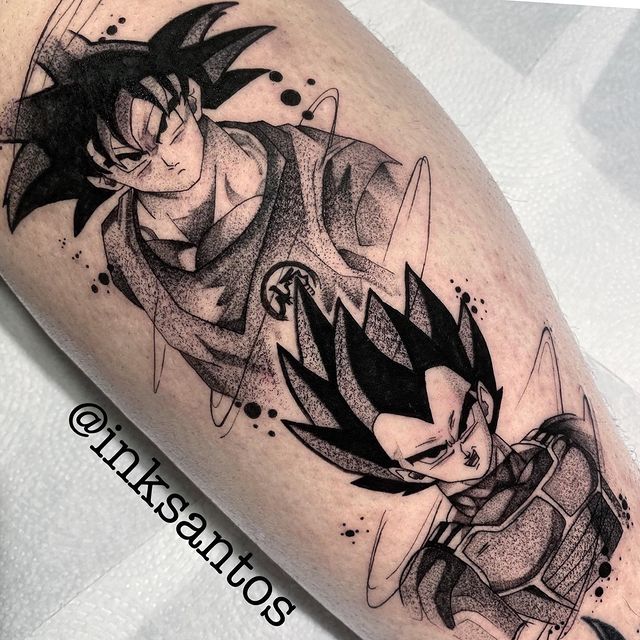
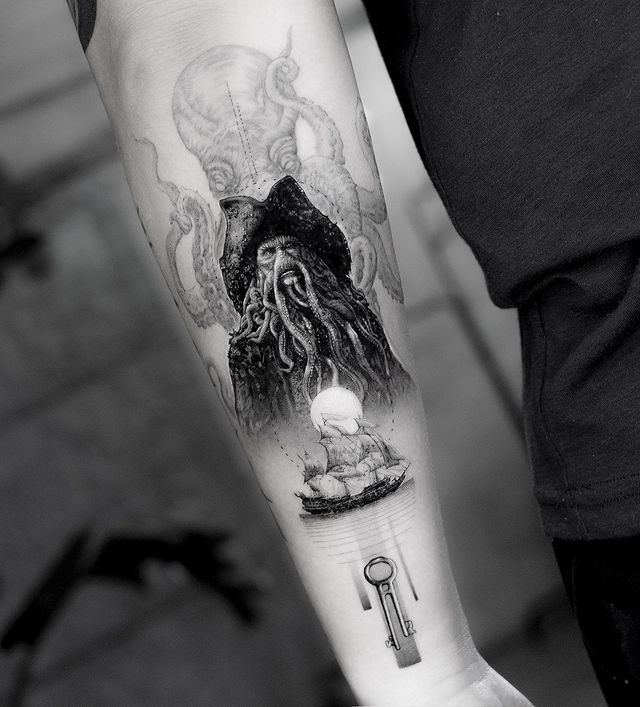
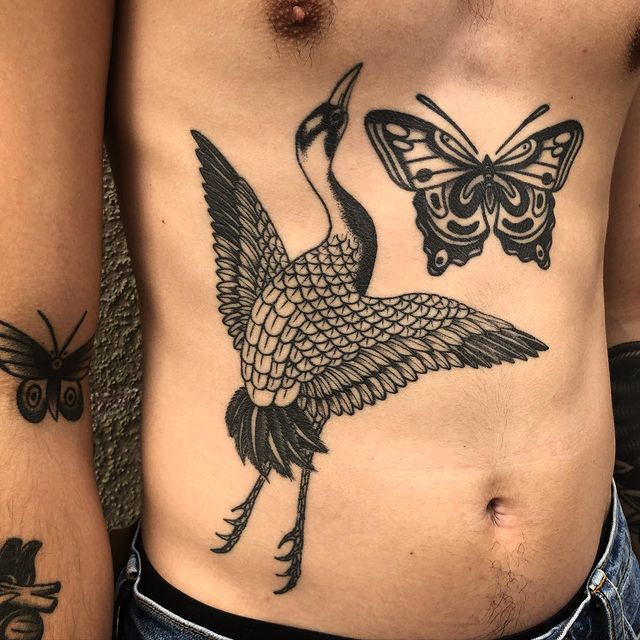
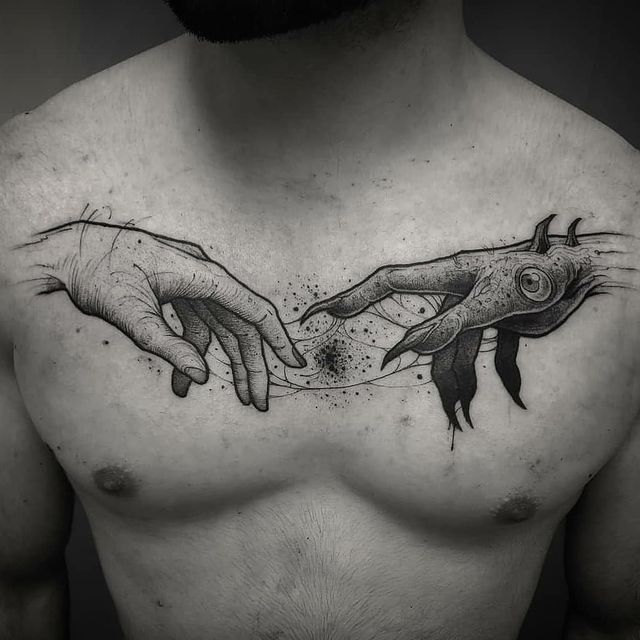
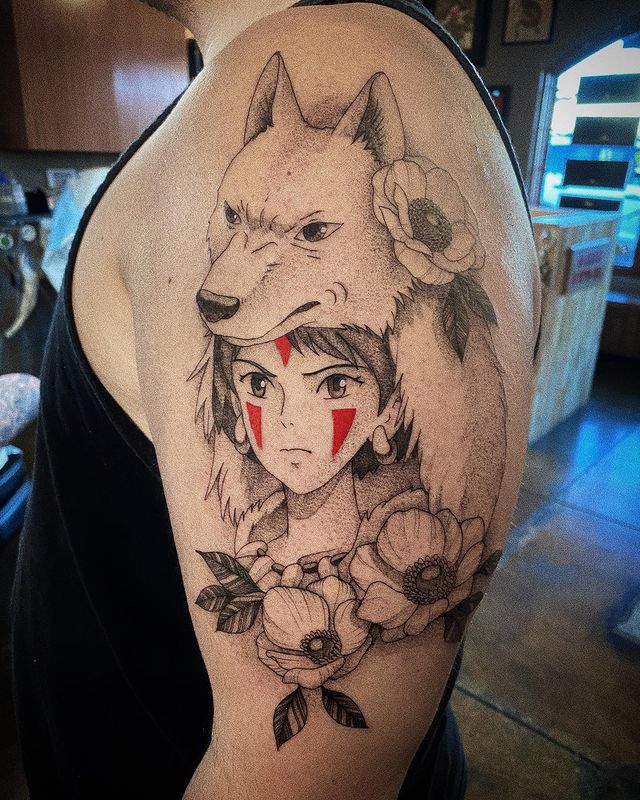
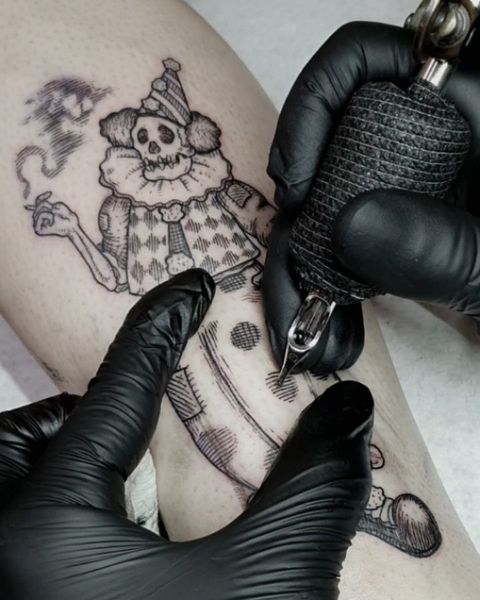
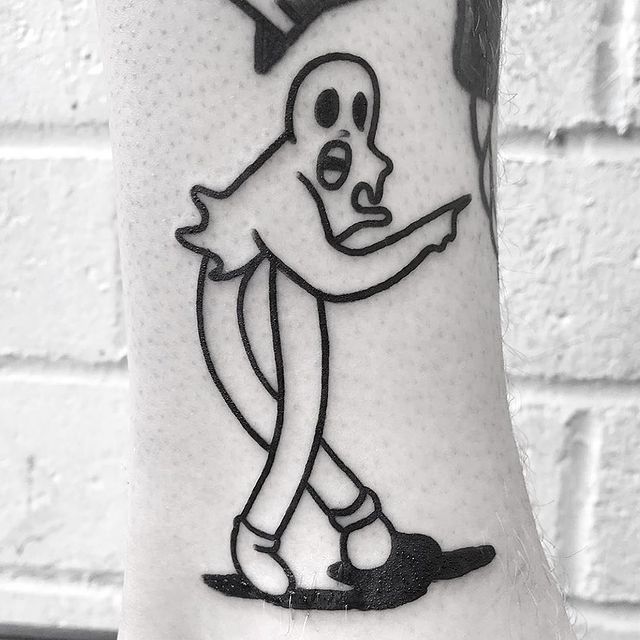
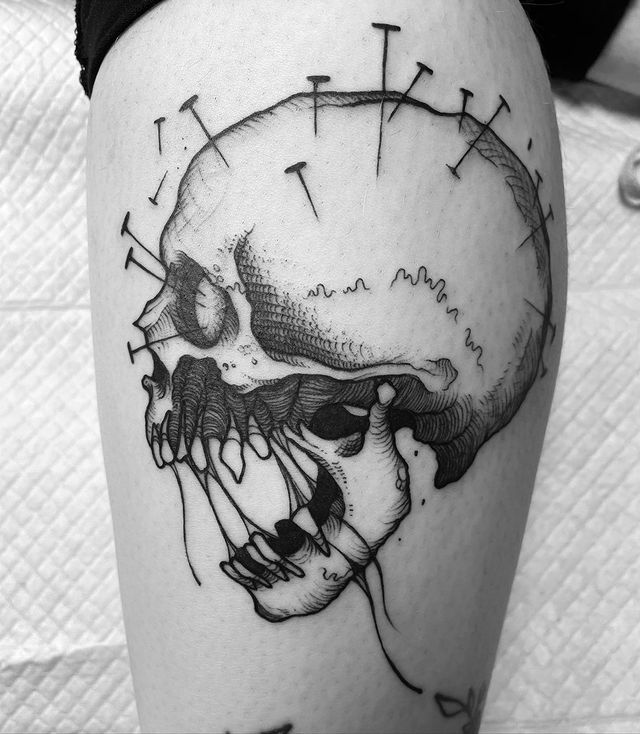
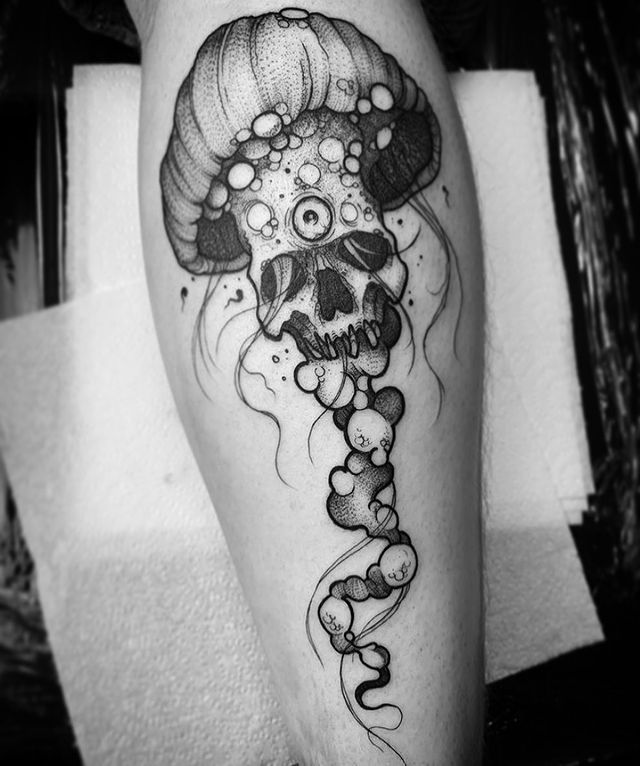
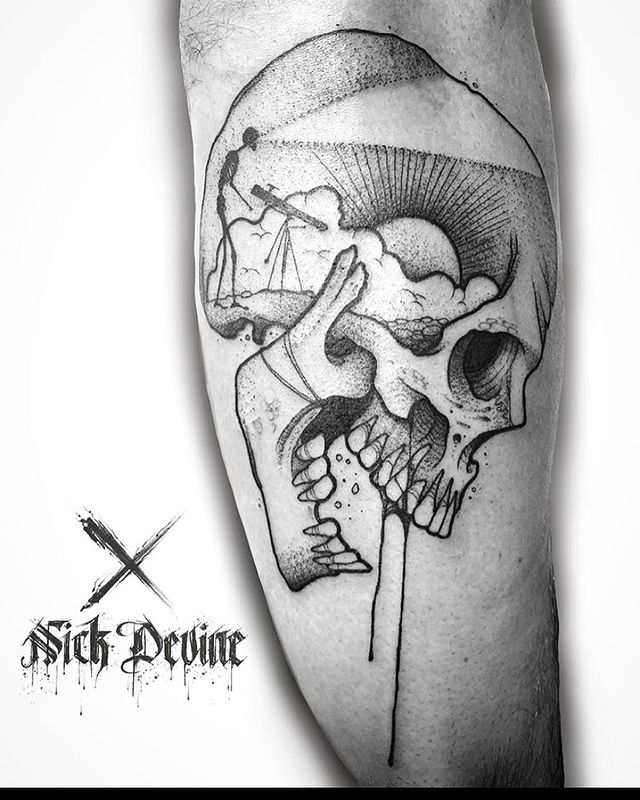
Nick Devine is a tattoo artist specializing in dotwork and sketch styles. With over 84,000 followers on Instagram, he has built a strong presence in the tattoo community. His work focuses on two distinct approaches: dotwork, which builds images from thousands of individual dots to create gradient and texture, and sketch-style tattoos that mimic the raw energy of pencil drawings. These styles pair well for clients who want tattoos with a hand-drawn, organic feel rather than bold outlines and solid fills. You can see his latest work and reach out for booking through his Instagram at @nickdevine.
Dotwork Style & Technique
Dotwork tattoos are built dot by dot. The artist uses a single needle to place thousands of individual marks that, together, form an image with soft gradients and subtle shading. Nick Devine works in this tradition, creating pieces where the density of dots controls how light or dark an area reads. Tight clusters of dots produce deep shadows. Wider spacing lets the skin breathe and creates lighter tones. The result is a tattoo that looks almost airbrushed from a distance but reveals its painstaking construction up close. Dotwork pairs naturally with geometric and mandala designs, but it also handles portraiture and organic subjects well. The style demands patience from both artist and client. A large dotwork piece can take significantly longer than a comparable tattoo done with conventional shading, because every mark is placed individually. Here's the thing about dotwork and aging: the dots spread slightly under the skin over the years. Artists who know this medium plan for that shift by working slightly tighter than the final intended look, so the healed result settles into the right value range rather than going muddy.
Sketch-Style Tattoos
Sketch-style tattoos look like they were drawn with a pencil or charcoal stick right on the skin. They carry the energy of a rough draft: loose lines, visible cross-hatching, and an unfinished quality that makes them feel alive. Nick Devine applies this aesthetic to create tattoos that break away from the clean, polished look of traditional tattooing. The lines in sketch work are not meant to be perfect. They waver, overlap, and trail off. That imperfection is the point. It gives the tattoo a sense of motion and spontaneity that tighter styles cannot replicate. Common subjects for sketch tattoos include portraits, animals, and botanical elements, anything that benefits from a raw, expressive treatment. The style works especially well in black and grey, where the varying line weights and hatching patterns can create depth without color. What most people miss about sketch tattoos is that the looseness is deliberate. There is a clear difference between expressive sketch work and poor linework disguised as a style choice. Clients drawn to this look usually want something that feels personal and handcrafted rather than slick and commercial.
Popular Motifs & Subjects
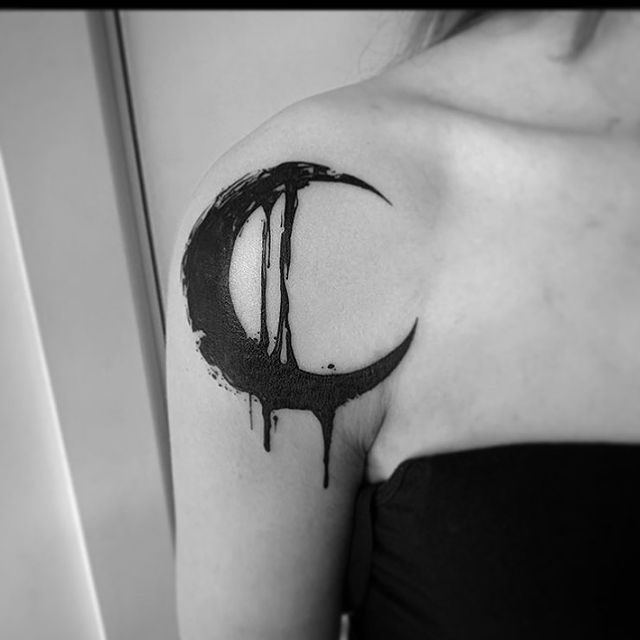
Dotwork and sketch styles share a fondness for certain subjects. Geometric patterns, mandalas, and sacred geometry are natural fits for dotwork because the repetitive dot placement mirrors the mathematical precision of these designs. Animals, particularly those with rich texture like wolves, deer, and ravens, translate well into both styles. Dotwork can render fur and feathers through careful dot density, while sketch captures the animal's energy through loose, gestural lines. Botanical elements, flowers, leaves, and branches, work beautifully in both approaches. A dotwork rose has a soft, almost watercolor quality. A sketch rose feels like a field study captured in a notebook. Portraits are another strong category. Dotwork portraits have a photographic, halftone-like quality. Sketch portraits feel like quick character studies, full of personality and movement. Celestial themes, moons, stars, and constellations, also appear frequently in dotwork, where the pointillist technique echoes the look of a night sky. Quick tip: if any of these directions appeal to you, try the AI tattoo generator to experiment with concepts before reaching out to an artist for a consultation.
Placement & Sizing
Where you place a dotwork or sketch tattoo matters. Both styles rely on fine detail and subtle gradation, so they need enough surface area to read clearly. Small, cramped spaces can make dotwork look muddy once the ink settles, and sketch lines can blur together on areas that stretch and move frequently. Forearms and outer calves are strong choices for dotwork. These areas offer flat, stable canvases with minimal stretching, which helps the dots stay crisp over time. The upper back and ribs also work well for larger pieces. For sketch-style tattoos, the upper arm, thigh, and shoulder blade provide enough room for the loose, flowing lines to breathe. Avoid high-movement areas like fingers, inner wrists, and feet if you want the fine detail to hold up long term. Size is equally important. Dotwork needs scale to build up gradients convincingly. A tiny dotwork piece may not have enough room for the dot density that creates shadow and depth. Sketch tattoos can work smaller, but they still need space for the line work to feel expressive rather than cramped. The real question is always how the piece will heal and age, so talk to your artist about the minimum size they recommend for your design.
Choosing an Artist for Dotwork or Sketch Work
Not every tattoo artist works in dotwork or sketch. These are specialized techniques that require specific needle configurations, different machine settings, and a different pace of work. When choosing an artist, look at their portfolio carefully. For dotwork, check that the dots are consistent in size and evenly placed. Uneven dots or areas that look like tiny lines instead of round marks suggest the artist may not have full control of the technique. For sketch work, look at the line quality. The lines should look intentionally loose, not just sloppy. Nick Devine's Instagram feed is the best place to evaluate his recent output and see if his aesthetic matches what you want. With over 84,000 followers, his work clearly resonates with a large audience, but popularity is not the same as fit. Let's break it down: reach out through his Instagram to discuss your idea, ask about availability, and confirm that your concept aligns with his style. You can also search the tattoo artist directory on Inksy to compare other dotwork and sketch artists and find someone whose portfolio matches your vision.
Explore more
Frequently Asked Questions
What tattoo styles does Nick Devine specialize in?
Nick Devine specializes in dotwork and sketch-style tattoos. Dotwork uses thousands of individually placed dots to build images with soft gradients and shading. Sketch-style tattoos mimic the loose, gestural quality of pencil or charcoal drawings with visible cross-hatching and intentionally imperfect lines.
How do I book a tattoo appointment with Nick Devine?
The best way to reach Nick Devine is through his Instagram at @nickdevine. Contact the artist directly to discuss availability, pricing, and booking procedures, as his current booking methods and wait times are not publicly listed.
Where is Nick Devine located?
Nick Devine's current location and studio affiliation are not publicly listed. Contact the artist directly through his Instagram (@nickdevine) to confirm where he works and whether he guest spots at other studios.
How popular is Nick Devine on social media?
Nick Devine has over 84,000 followers on Instagram, making him a well-established presence in the online tattoo community. His follower count reflects significant interest in his dotwork and sketch-style portfolio.
How much does Nick Devine charge for a tattoo?
Nick Devine's pricing, hourly rates, and minimums are not publicly available. Contact the artist directly through Instagram (@nickdevine) to discuss pricing for your specific design and placement.