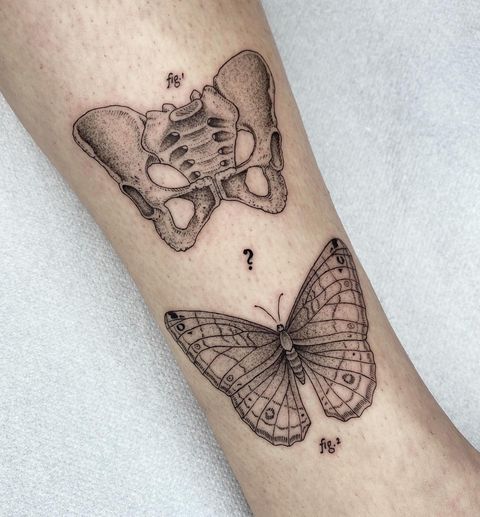
Michele Volpi ~ tattoo artist
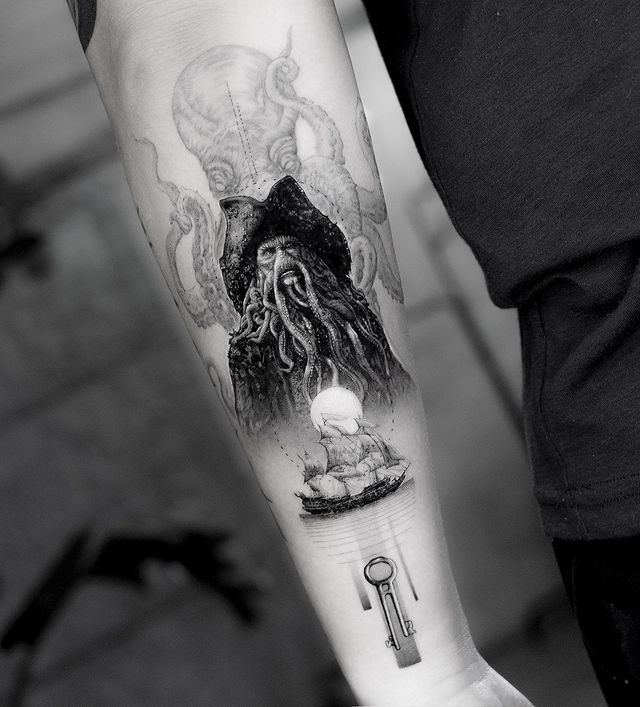
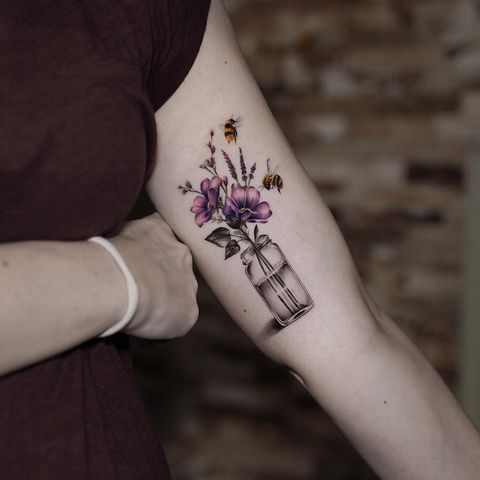
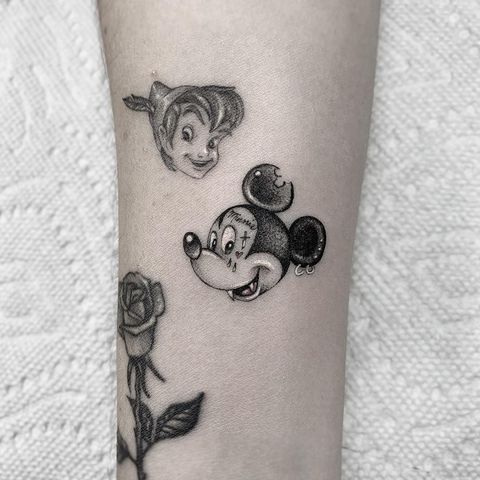
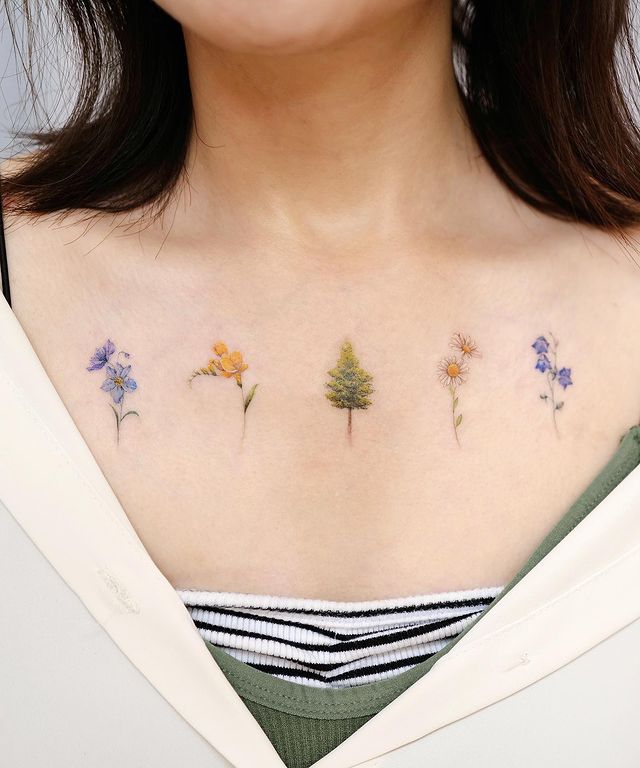
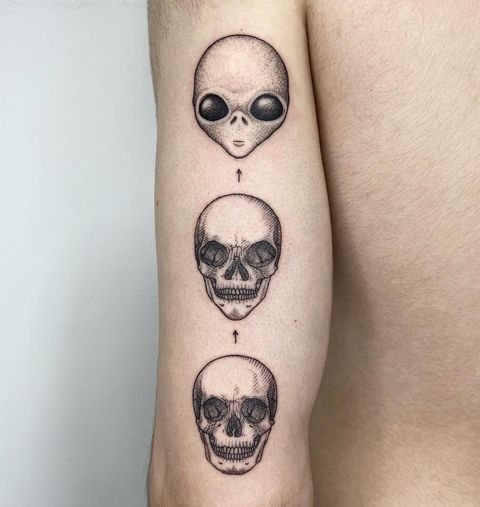
Michele Volpi, the incredible tattoo artist behind dotwork and fineline styles, has earned popularity with a following of about 340K on Instagram. His outstanding mono chromatic tattoos reflect his unparalleled skill, mastery, and craftsmanship. Currently based in Portugal, this owner of @_metatattoolab flaunts a unique style that has captured the global tattoo community.
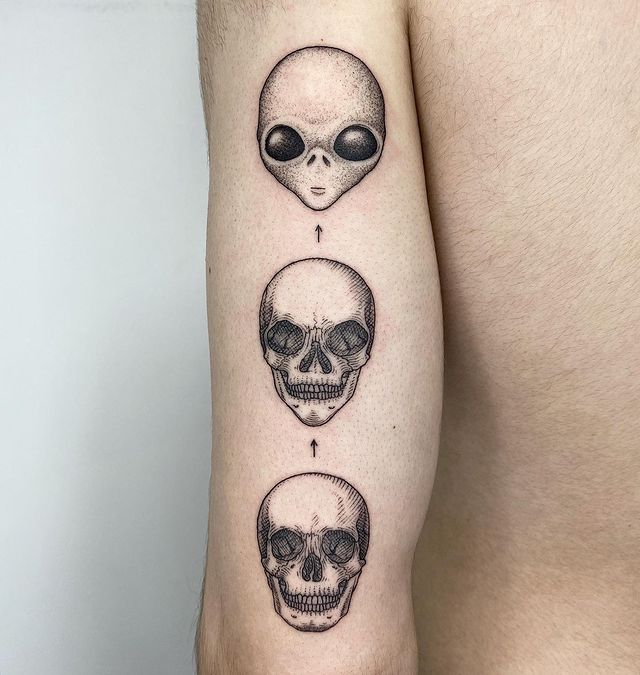
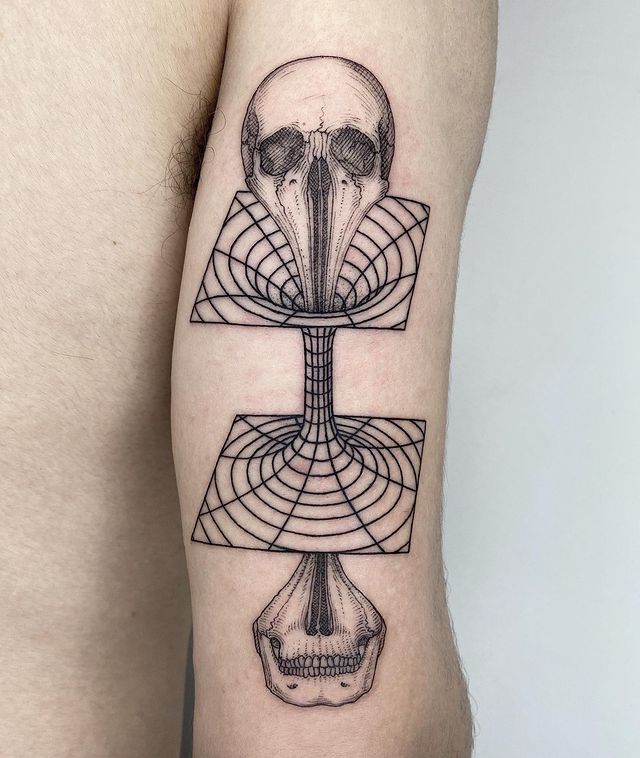
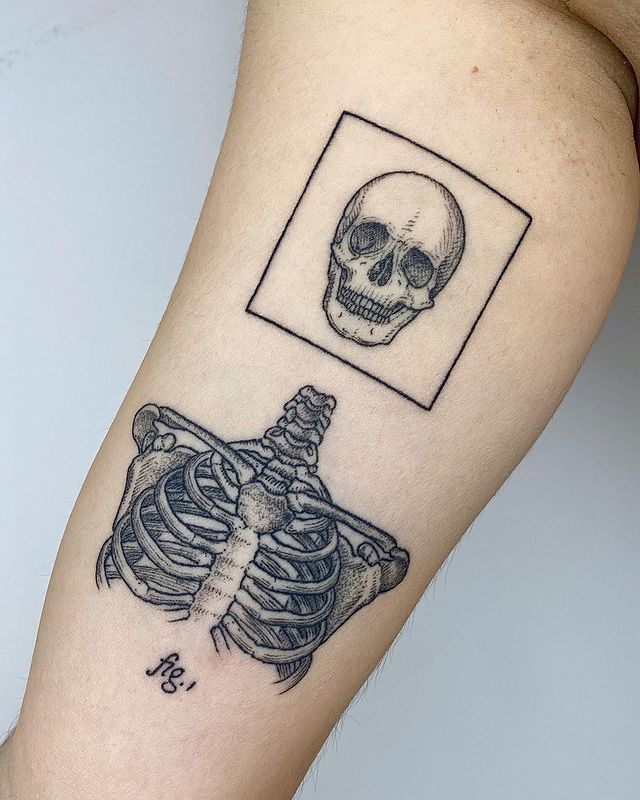
Michele Volpi is a tattoo artist based in Portugal who specializes in dotwork and fineline tattooing. With over 340,000 followers on Instagram (@_mfox), Volpi has built a significant presence in the global tattoo community. Dotwork uses precise stippling techniques to build shading, gradients, and texture without solid black fills. Fineline tattooing relies on thin needles to create delicate, detailed linework with minimal visual weight. Volpi's practice merges these two approaches, producing tattoos that feel intricate yet restrained. For booking, pricing, and availability, contact the artist directly through their website or Instagram.
History & Origins
Dotwork tattooing has roots in several traditions. The technique of building images through individual dots connects to pointillism in fine art, pioneered by Georges Seurat in the 1880s. In tattooing, dotwork gained prominence through artists who adapted stippling as an alternative to traditional shading. The approach creates a softer, more organic texture than solid black fills. Fineline tattooing emerged more recently, driven by improvements in needle technology that allowed artists to work with configurations as fine as a single needle. Michele Volpi operates within both of these traditions, working from Portugal to produce pieces that merge stippled shading with delicate linework. The combination allows for tattoos that carry visual detail without feeling heavy or overworked on the skin. Volpi's following of over 340,000 on Instagram reflects how these styles resonate with collectors worldwide.
Defining Characteristics
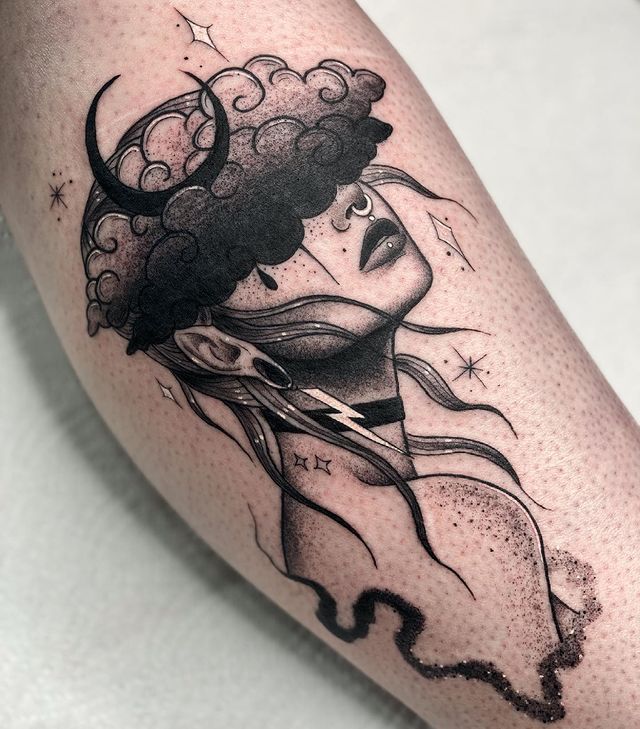
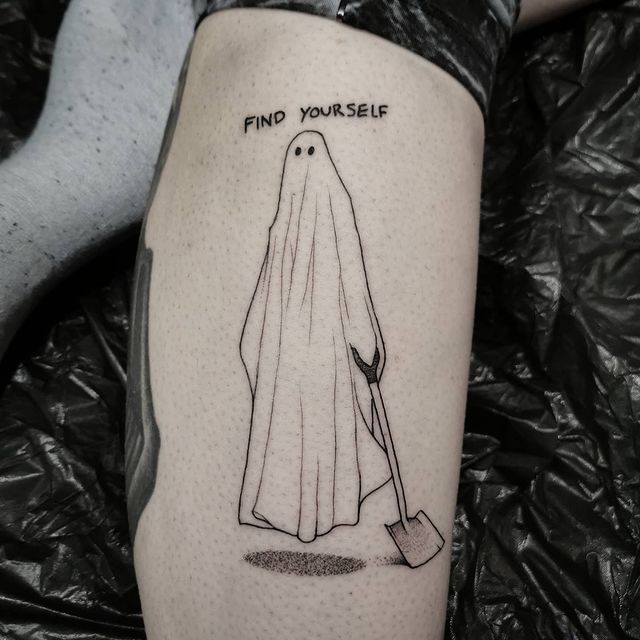
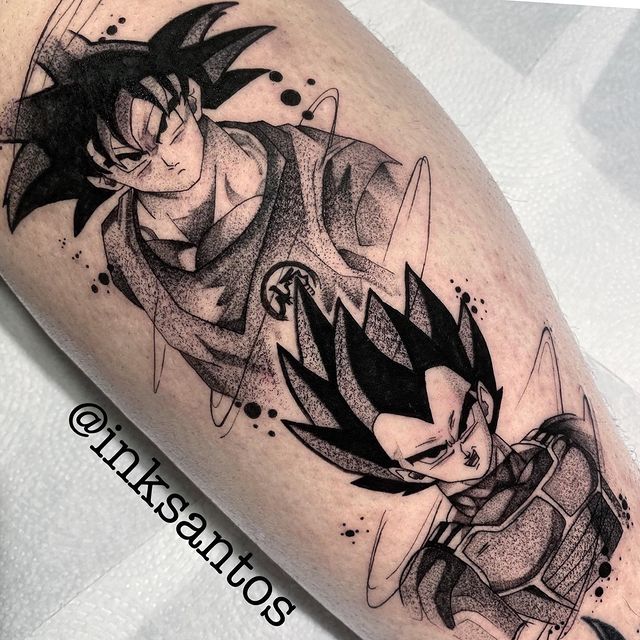
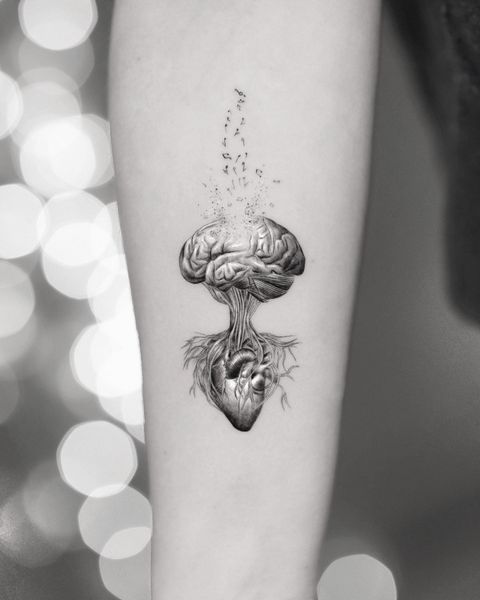
Volpi's work sits at the intersection of dotwork and fineline, two styles that share a preference for restraint. Dotwork shading builds tone through density variation. Closely spaced dots read as darker values, while wider spacing creates lighter gradients. This produces a textured, almost hand-drawn quality that solid shading cannot replicate. Fineline work uses thin needle groupings, typically liners ranging from single needles to tight three-liner configurations, to execute precise, minimal outlines. The result is linework that sits lightly in the skin rather than asserting heavy borders. Together, these techniques produce tattoos that feel detailed without visual density. Volpi's Instagram feed (@_mfox) shows consistent application of these methods across a range of subject matter, from geometric patterns to figurative pieces, all rendered with the same stippled shading and fine outlines. What distinguishes strong dotwork is consistency. Each dot is placed intentionally, and the overall gradient reads smoothly from a distance.
Popular Motifs & Subjects
Dotwork and fineline lend themselves to certain subjects more naturally than others. Geometric patterns, mandalas, and sacred geometry are common in Volpi's portfolio because stippled shading handles symmetrical, structured designs well. The technique allows for precise tonal transitions within repeating shapes. Botanical subjects also appear frequently. Flowers, leaves, and plant forms benefit from fineline outlines combined with dotwork shading, which can suggest the texture of petals or the veining of leaves without filling them solidly. Animal imagery, particularly birds and insects, shows up in Volpi's work too. These subjects work because their natural patterns, feathers, scales, wing structures, translate effectively into stippled textures. Portraiture and figurative work in dotwork requires significant skill, as the stippling must capture likeness and expression through dot density alone. Volpi's large following suggests these motifs resonate strongly with collectors seeking work that feels both intricate and minimal.
Placement & Sizing
Dotwork and fineline tattoos interact with the body's contours in specific ways. Fineline designs work well on areas with relatively flat surfaces: forearms, outer calves, ribs, and shoulder blades. These placements allow the delicate lines to heal cleanly and remain legible over time. Dotwork shading can adapt to more curved surfaces because individual dots are more forgiving than continuous lines when the skin moves. Common placements for Volpi's style include the inner forearm, where the skin is smooth enough for fine detail, and the chest or back, where larger compositions have room to breathe. Sizing matters. Fineline work that is too small risks blowing out as ink spreads under the skin over years. Dotwork needs adequate space for the stippling to create visible gradients. Very dense dotwork packed into a small area can read as a muddy solid mass from a distance. Volpi's portfolio suggests a preference for medium to larger pieces where both techniques have room to perform effectively.
Choosing an Artist
When considering Michele Volpi or any dotwork and fineline artist, review healed work, not just fresh pieces. Dotwork heals differently than solid shading. Dots can soften or spread slightly, and a skilled artist accounts for this in their application. Fineline work is similarly revealing over time. Thin lines may widen, and closely spaced lines can merge if not applied with proper technique and spacing. Volpi's Instagram (@_mfox) serves as the primary portfolio. Look at how the work ages by checking for healed photos or progress posts. For booking, reach out through their website (mfoxx.bigcartel.com) or Instagram direct messages. Be prepared with a clear description of what you want, including subject matter, approximate size, and preferred placement. Artists specializing in these styles often have specific preferences for the types of projects they take on. Contact the artist directly for pricing, minimums, and current availability.
Explore more
Frequently Asked Questions
What style of tattoos does Michele Volpi do?
Michele Volpi specializes in dotwork and fineline tattooing. Dotwork uses stippling to create shading and texture, while fineline relies on thin needles for delicate, precise linework. The two techniques often overlap in Volpi's pieces.
Where is Michele Volpi based?
Michele Volpi is based in Portugal. The specific city or studio is not publicly listed. Contact the artist directly through Instagram (@_mfox) or their website for location and studio details.
How do I book a tattoo with Michele Volpi?
You can reach Michele Volpi through their website (mfoxx.bigcartel.com) or Instagram (@_mfox). Contact the artist directly for booking inquiries, pricing, availability, and any deposit requirements.
How many followers does Michele Volpi have on Instagram?
Michele Volpi has over 340,000 followers on Instagram (@_mfox), making them one of the more widely followed dotwork and fineline artists on the platform.
What is dotwork tattooing?
Dotwork is a tattoo technique that builds images through thousands of individual dots rather than solid shading or smooth gradients. Varying the density and spacing of dots creates lighter or darker values, producing a textured, stippled effect.