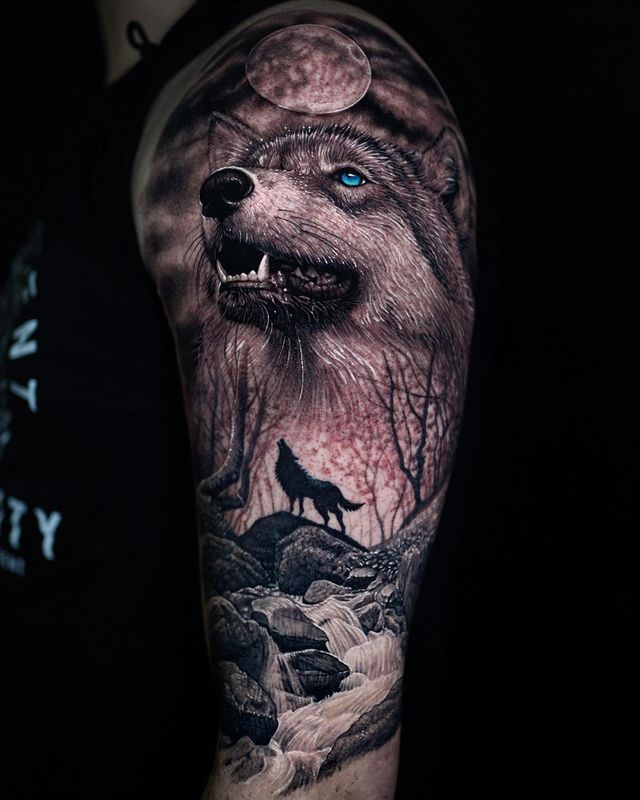
Lamper Edgar
Lamper Edgar, a supremely skilled tattoo artist, specializes in black & gray and realism tattoo styles. Operating out of The Hague, Netherlands, he has amassed a huge following of over 80,000 followers on Instagram who admire his exceptional craftsmanship. With a commitment to cleanliness and high standards of professionalism, Edgar maintains a hygienic studio and ensures a comfortable client experience. He encourages inquiries and appointments through his various social media platforms, including Facebook and Instagram, and via email at lamperedgartattoo@gmail.com.
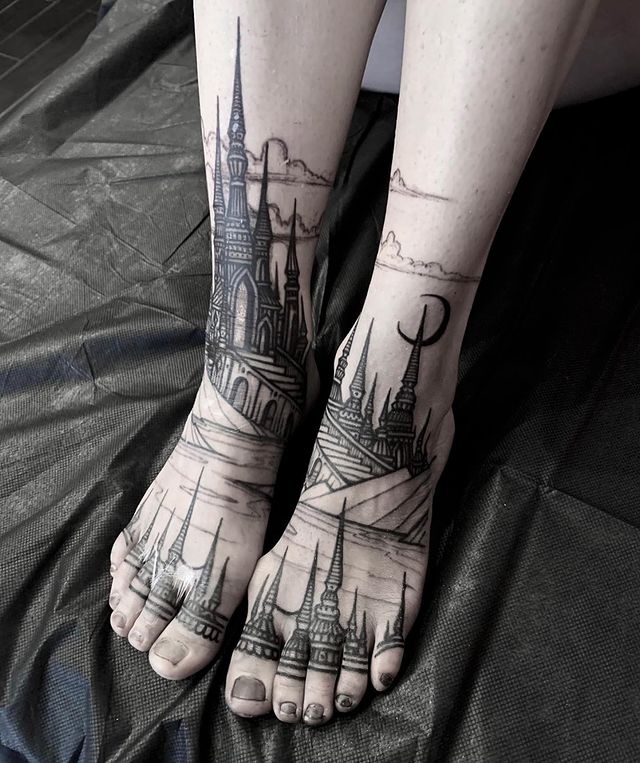
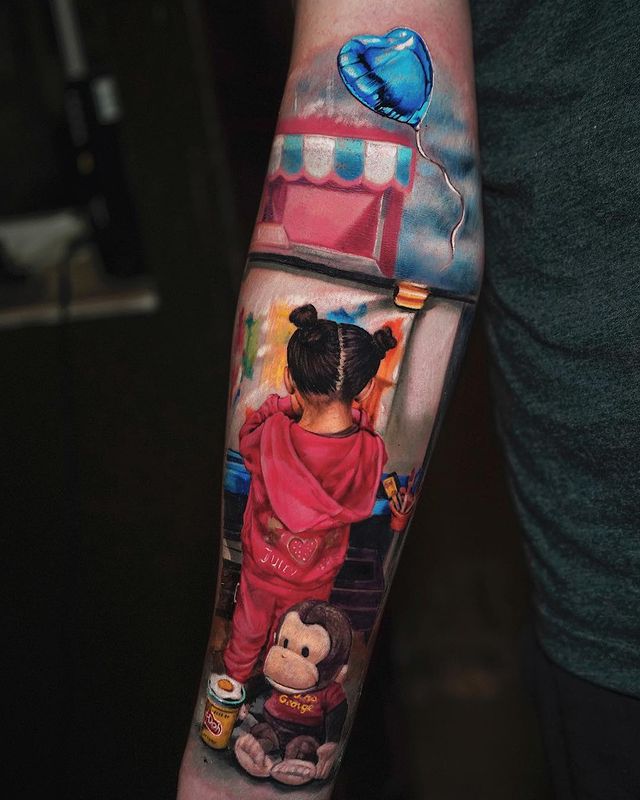
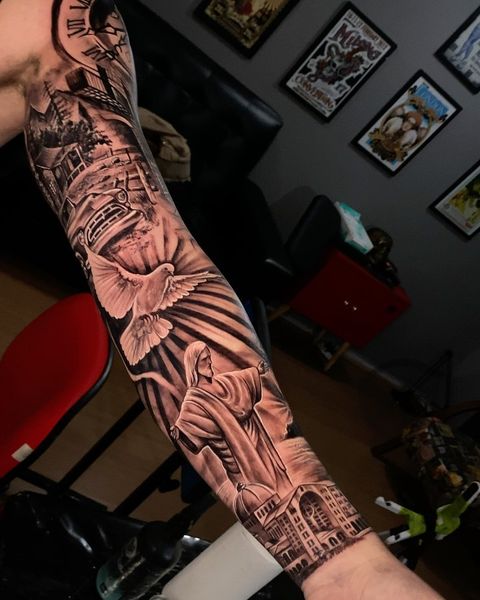
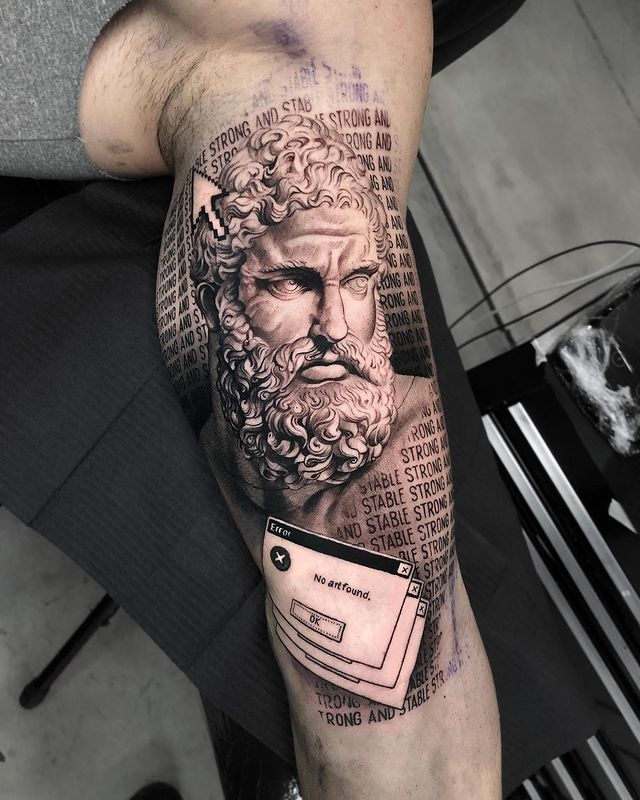
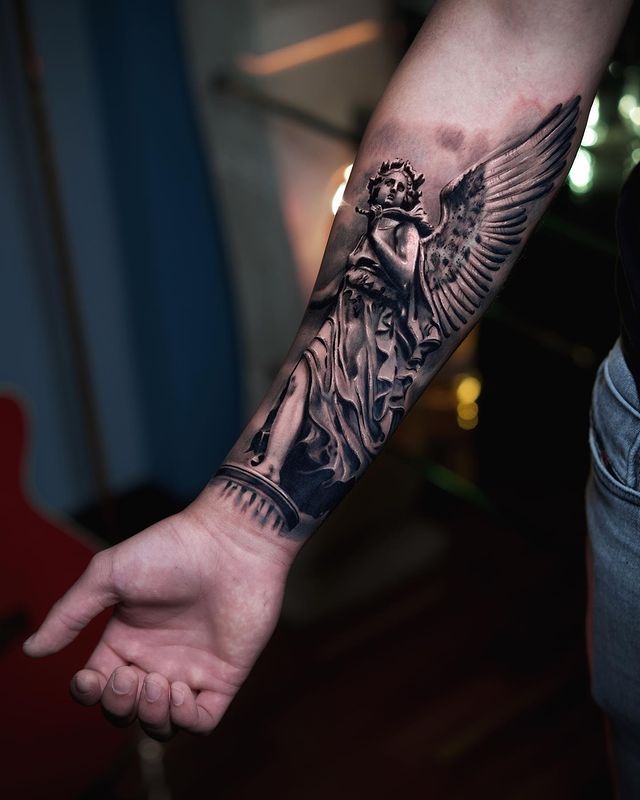
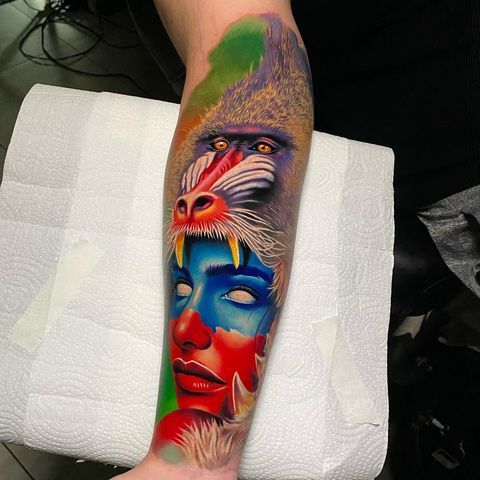
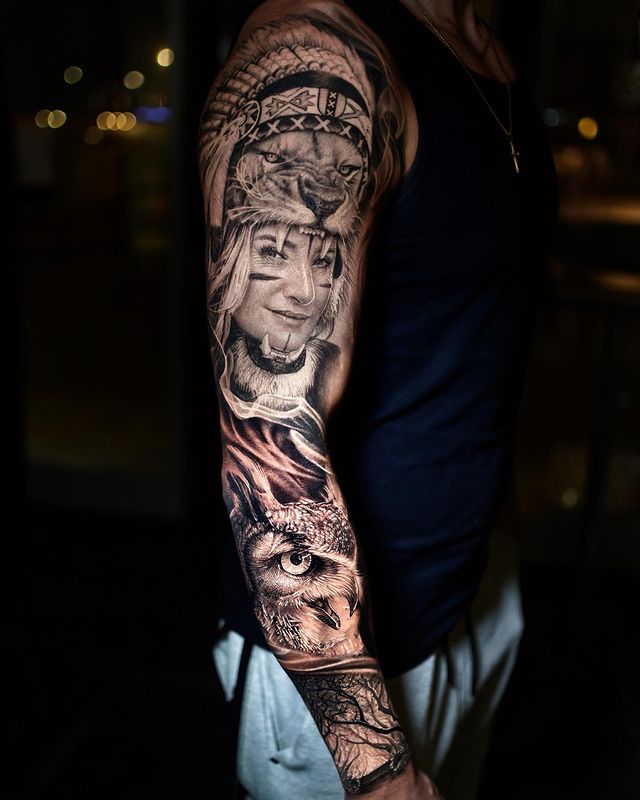
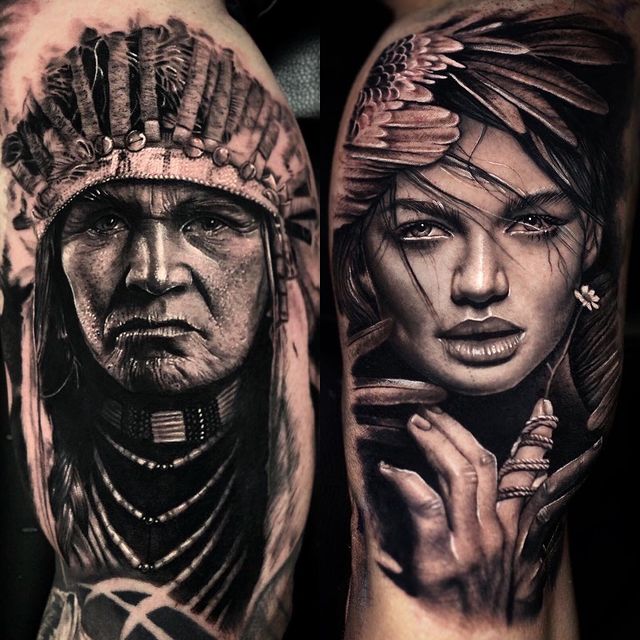
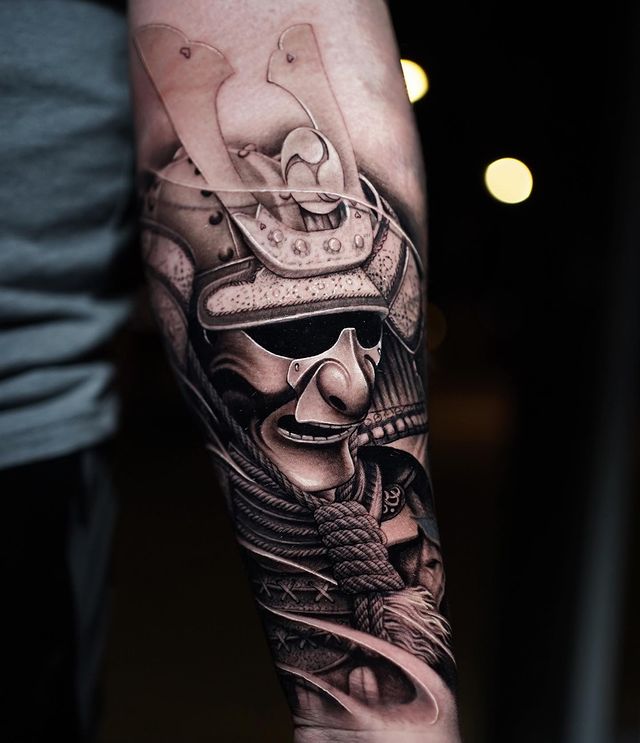
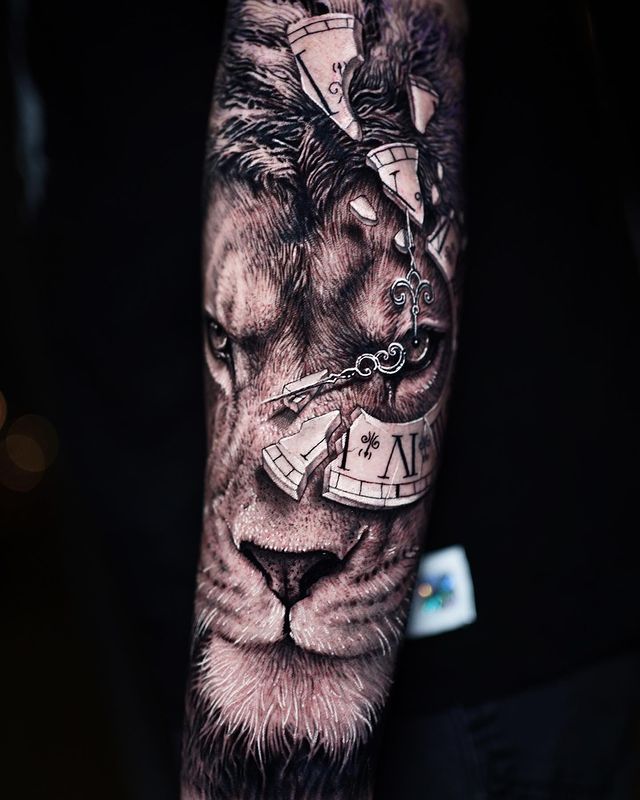
Lamper Edgar is a black and gray realism tattoo artist based in The Hague, Netherlands. With over 81,000 Instagram followers, he has built a strong reputation for detailed, photorealistic tattoo work. His specialty lies in black and gray realism, creating portraits and figurative pieces that capture fine detail and subtle shading transitions. Edgar works in The Hague, South Holland, and can be reached through his Instagram profile for booking inquiries. His significant following reflects the demand for his precise, monochromatic style that translates photographs and reference images into lasting skin art.
History & Origins
Black and gray tattooing traces back to the Chicano prison tattoo tradition of the 1970s in Southern California. Inmates used makeshift machines and limited ink to create detailed images on skin. The technique spread from those origins into mainstream tattoo culture, evolving into the refined realism style we see today. Artists like Lamper Edgar carry this tradition forward with modern equipment and techniques, but the roots remain the same: working within a monochromatic palette to create depth, shadow, and form. The Hague has a growing tattoo scene, and artists working in black and gray realism there connect to a global lineage of monochromatic tattooing. The style demands patience and precision. Every shade of gray comes from diluting black ink, and the artist must control those dilutions to build realistic transitions. This is not a style you rush. The history of the craft shows in every well-executed piece.
Defining Characteristics
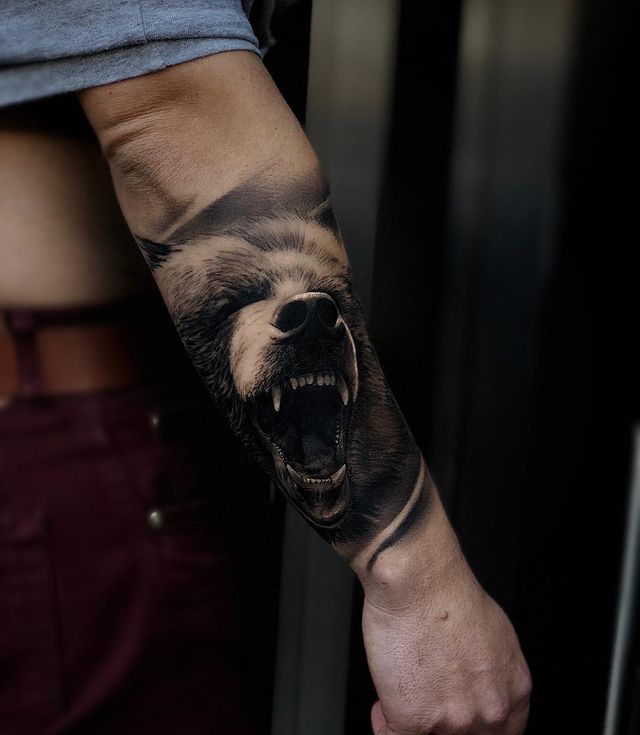
Lamper Edgar's work sits squarely in black and gray realism. That means no color, just black ink diluted to create every shade from deep shadow to soft highlight. The technique relies on layering. An artist builds up dark values first, then refines lighter areas with progressively diluted ink. Smooth gradients separate good realism from mediocre work. Look at Edgar's Instagram and you will see portraits that look like they could be photographs. The eyes have catchlights. The skin has texture. The shadows fall naturally. Realism tattooing also demands strong reference material. The artist needs clear, high-quality photos to translate onto skin. Distortion in the reference means distortion in the tattoo. Edgar's following of over 81,000 people on Instagram suggests his technical execution consistently hits a high mark. People follow realism artists because the work speaks for itself. There is no hiding behind bold outlines or bright colors. The shading either looks real or it does not.
Popular Motifs & Subjects
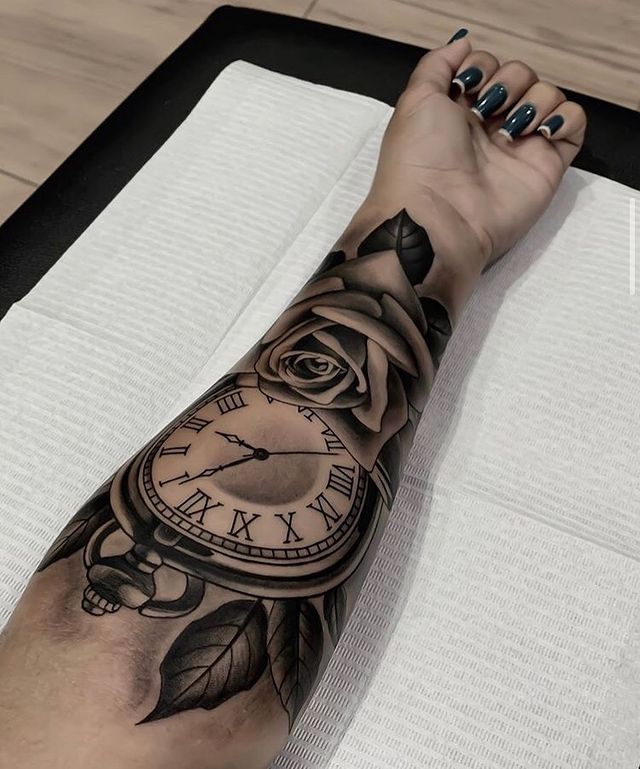
Black and gray realism opens up a range of subjects, but certain motifs dominate the style. Portraits lead the pack. Faces of family members, celebrities, historical figures, and cultural icons all translate well into monochromatic realism. The style captures the subtle planes and shadows of a face in ways that other tattoo approaches cannot. Animals also feature heavily. Lions, wolves, eagles, and other wildlife work beautifully in black and gray because fur and feather textures come alive through fine shading. Religious and spiritual imagery remains popular too. Madonna figures, angels, crosses, and sacred hearts have deep roots in the Chicano tradition that birthed black and gray tattooing. Floral designs, particularly roses, are another staple. The layered petals create natural opportunities for shadow play and depth. For someone considering a piece from a realism artist like Lamper Edgar, the key is choosing a subject with strong contrast and clear reference material. High-contrast images with defined shadows translate best to skin.
Placement & Sizing
Realism tattoos need space. This is not the style for a two-inch design on your ankle. The detail work that makes realism effective requires room for gradients, fine lines, and subtle transitions. Most portrait pieces start around six inches and go up from there. The inner forearm, outer calf, thigh, and back are common placements for realism work. These areas offer flat, broad canvases where the artist can render detail without fighting the body's curves. The chest and ribcage can work too, but the skin mobility and stretch in those areas can make fine detail trickier. Smaller realism pieces exist, but they age differently. Fine details blur over time as ink spreads under the skin. A photorealistic eye at three inches will look less sharp in ten years than one at eight inches. If you want a realism piece to hold up, go bigger. Talk to Lamper Edgar about sizing recommendations for your specific design. An experienced realism artist can tell you what size a piece needs to be for the detail level you want.
Choosing an Artist
Picking the right realism artist matters more than with most other styles. Realism leaves nowhere to hide. A poorly shaded portrait looks off immediately. Our brains are wired to recognize faces, so even small errors in proportion or shadow placement jump out. When evaluating a black and gray realism artist, look at healed work, not just fresh pieces. Fresh tattoos look crisp because the ink sits near the surface. Healed work shows how the artist's technique holds up over time. Ask to see photos taken weeks or months after the session. Check for smooth gradients, consistent contrast, and clean detail retention. Lamper Edgar's Instagram is the best place to review his portfolio. With over 81,000 followers, the work clearly resonates. But do your own homework too. Compare his style to other realism artists in The Hague and beyond. Make sure the aesthetic matches what you want. When you reach out to book, be specific about your idea. Send clear reference photos. Realism artists need good source material to do their best work.
Explore more
Frequently Asked Questions
What style of tattoos does Lamper Edgar specialize in?
Lamper Edgar specializes in black and gray realism tattoos. His work focuses on photorealistic designs using monochromatic shading techniques rather than color. This style relies on diluted black ink to build depth, shadow, and form.
How do I book a tattoo with Lamper Edgar?
Contact Lamper Edgar directly through his Instagram profile at @lamperedgar. He does not list a separate website, so Instagram is the best way to reach him for booking inquiries and consultation requests.
Where is Lamper Edgar located?
Lamper Edgar is based in The Hague, South Holland, Netherlands. Contact the artist directly to confirm his current studio location and availability, as his shop affiliation is not publicly listed.
How much does a tattoo from Lamper Edgar cost?
Pricing details are not publicly listed. Contact the artist directly through his Instagram to discuss pricing, minimums, and project quotes for your specific tattoo idea.
Does Lamper Edgar accept walk-ins?
Walk-in availability is not confirmed. Reach out through his Instagram to ask about appointment scheduling and whether same-day sessions are possible.