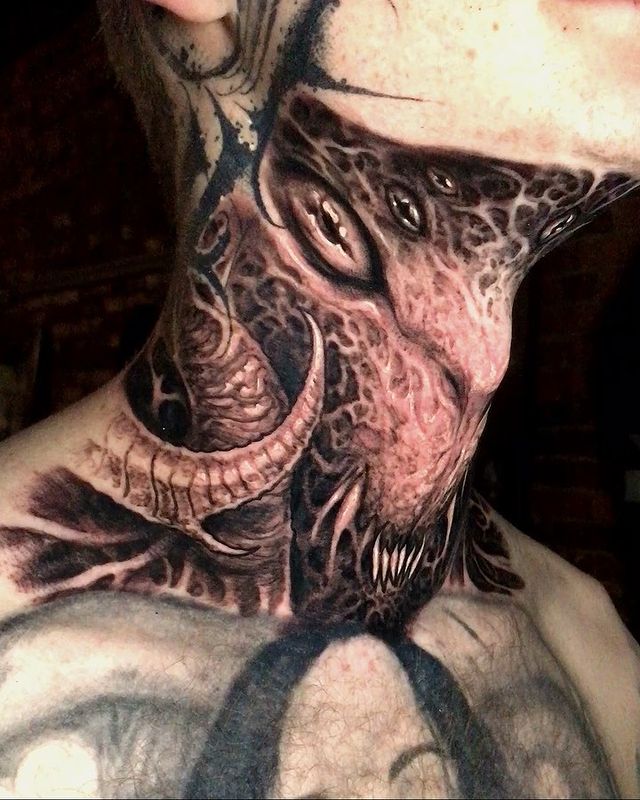
Brandon Herrera
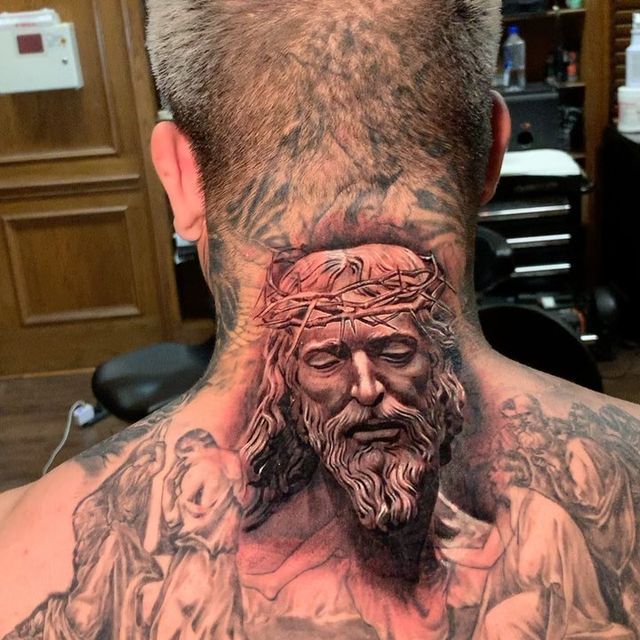
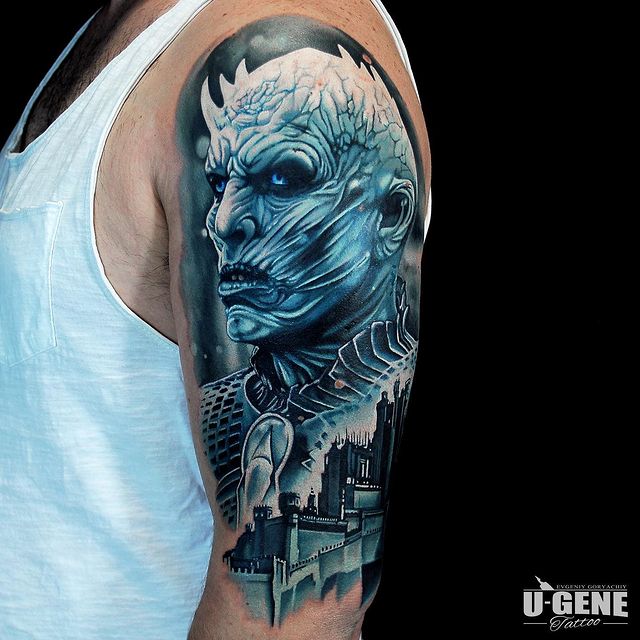
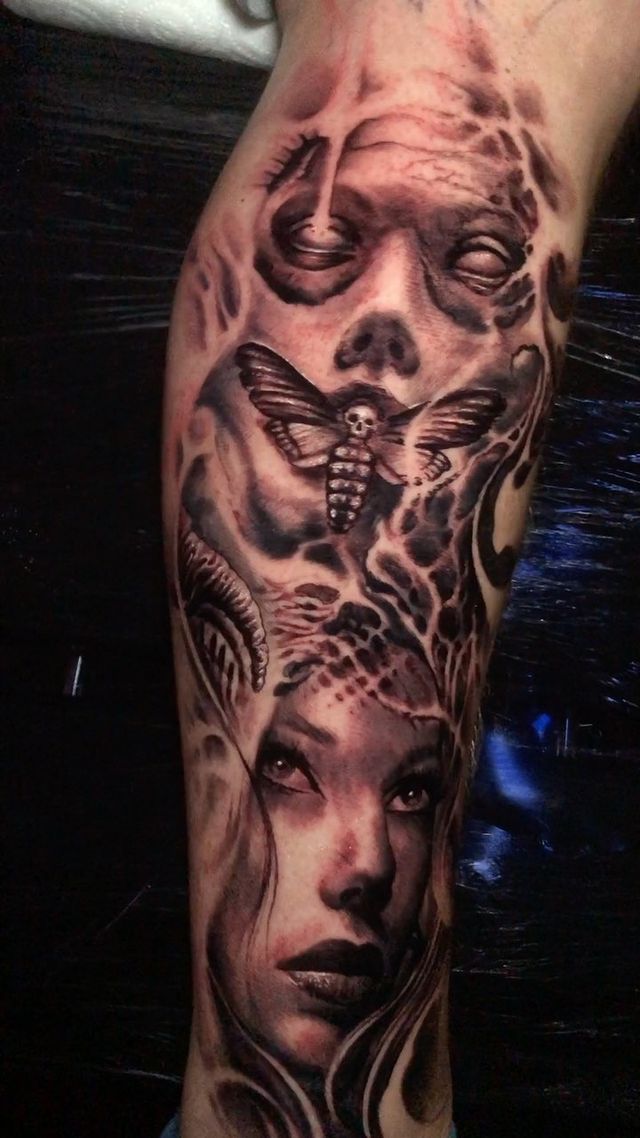
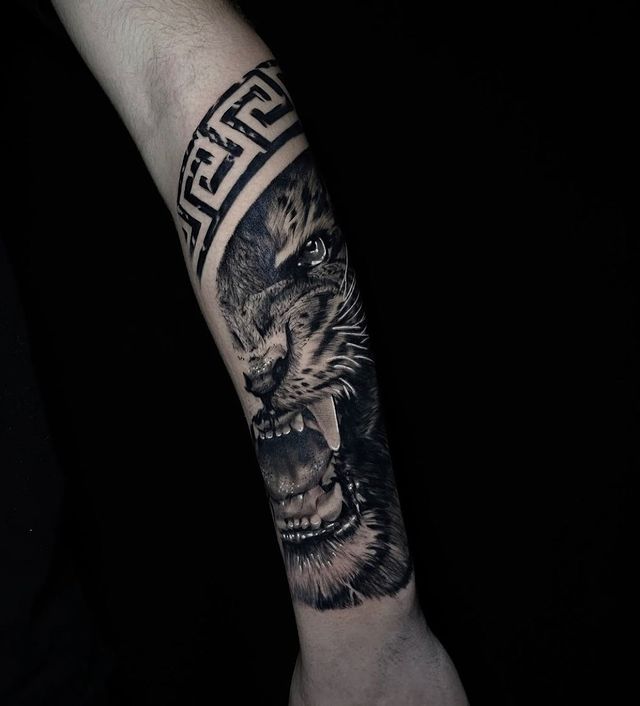
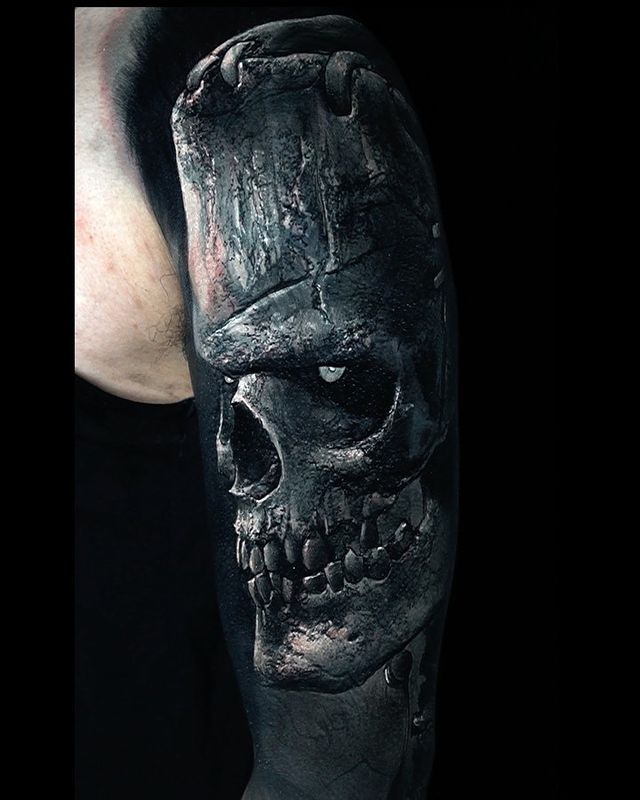
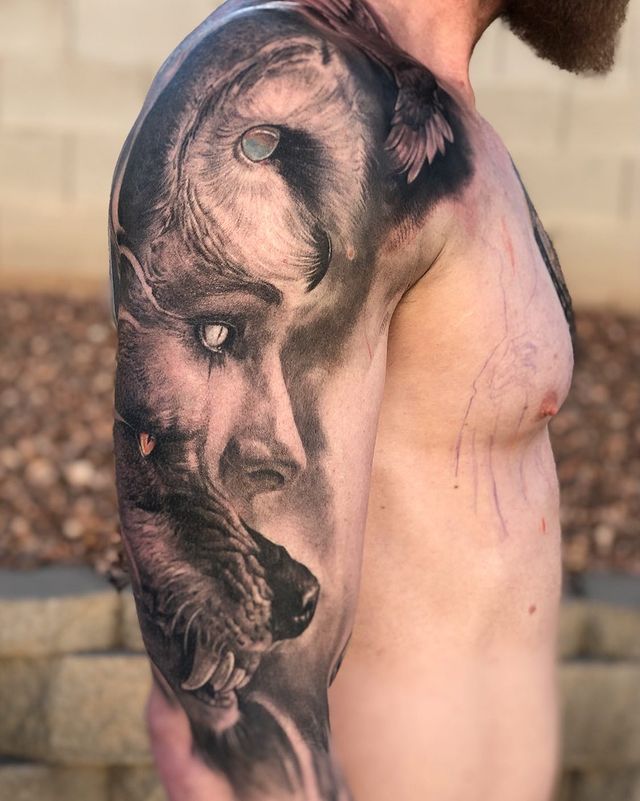
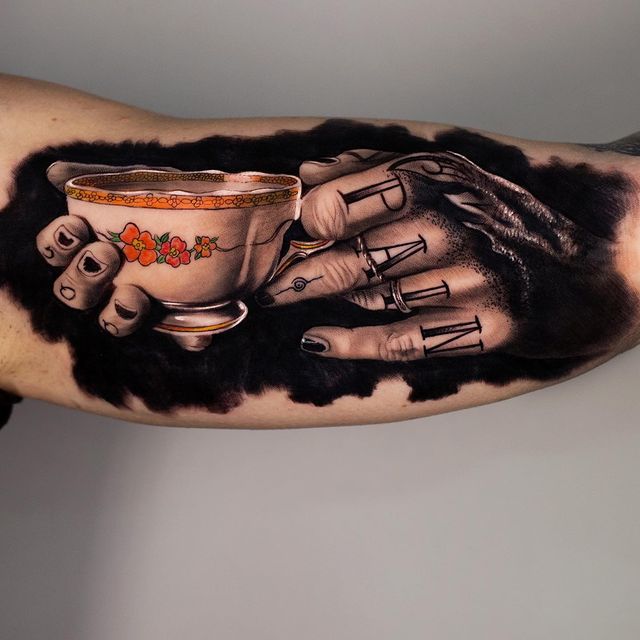
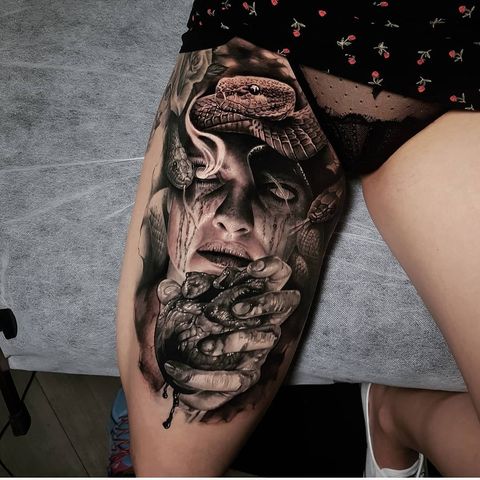
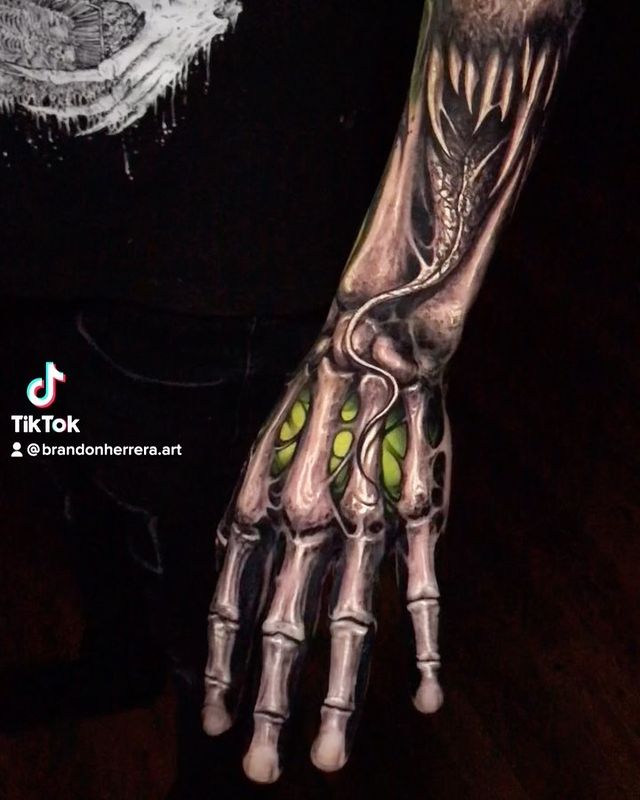
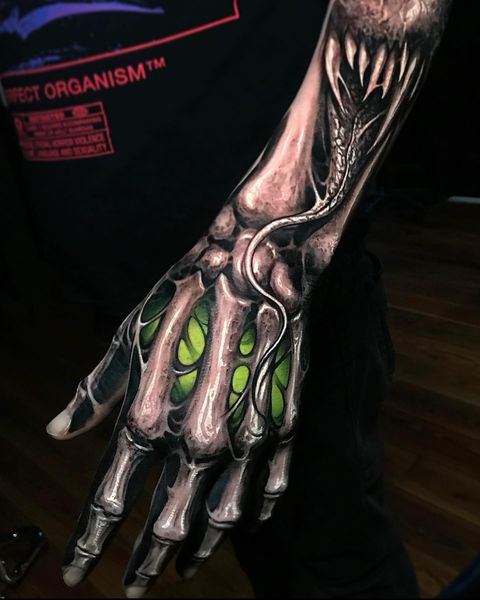
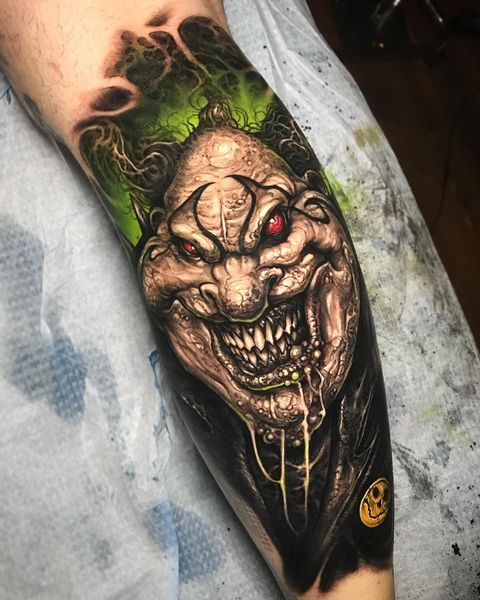
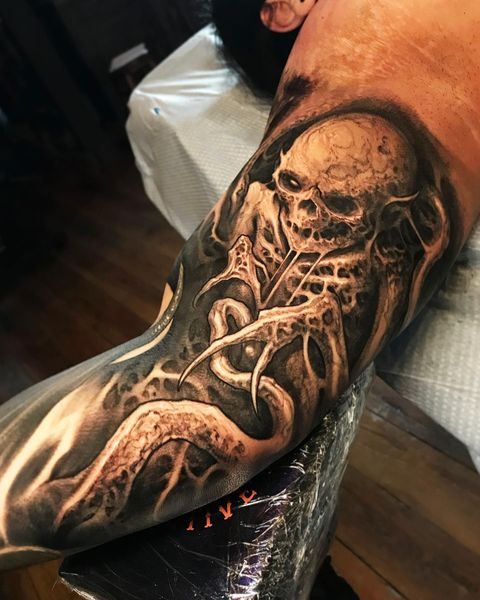
Brandon Herrera is a highly skilled tattoo artist, with a devoted following of around 240,000 on Instagram. Specializing in the styles of realism, black & gray, and trashpolka, his distinct and meticulously detailed work sets him apart. From his tattoo studio in Mebane, NC, Brandon's artistic mastery continues to encapsulate and inspire scores of tattoo enthusiasts.
Brandon Herrera is a tattoo artist based in Mebane, North Carolina, specializing in realism, black and gray, and trashpolka styles. With over 240,000 Instagram followers, he has built a strong reputation for detailed, photorealistic tattooing that captures fine detail and depth. His black and gray pieces showcase smooth gradients and precise shading, while his trashpolka work combines bold graphic elements with realistic imagery for a striking visual contrast. Herrera operates independently in the Mebane area. Clients interested in booking can reach him through Instagram (@brandon__herrera) or his AllMyLinks page for consultation details and availability.
History & Origins
Realism tattooing traces its roots to the photorealism movement in fine art, adapting oil painting techniques like chiaroscuro and layering into ink on skin. Black and gray tattooing emerged from Chicano prison tattoo culture in the 1970s, where artists used makeshift tools and diluted ink to create depth through tonal variation. That origin gave the style its raw, high-contrast identity that still defines it today. Trashpolka originated in the 1990s when German artists Simone Pfaff and Volker Merschky combined realistic imagery with bold graphic elements, text, and red accents over black and gray foundations. Brandon Herrera works across all three of these traditions from his base in Mebane, North Carolina. His following of over 240,000 on Instagram speaks to how these styles resonate when executed with technical precision. Each tradition demands different skills, from smooth gradient shading in black and gray to the compositional balance trashpolka requires between chaos and control.
Defining Characteristics
Herrera's work sits at the intersection of technical precision and visual impact. His realism pieces show a command of value relationships, the ability to render light hitting skin, fabric, or organic forms so they look photographic rather than illustrated. Black and gray work requires restraint. Too much dark ink flattens the image. Too little loses structure. Herrera navigates this by building tones gradually, preserving luminosity in highlights while keeping shadows deep enough to hold form. Where his work gets distinctive is in trashpolka. This style demands a different mindset entirely. You are combining photorealistic elements with raw, graphic marks, splatters, typography, and bold red accents. The challenge is making chaos feel intentional. A trashpolka piece needs tension between the refined and the rough. Herrera's follower count suggests he has found that balance. The style reads aggressive and confrontational by design. For collectors who want tattoos with an edge, it delivers something realism alone cannot.
Popular Motifs & Subjects
In realism tattooing, portraits remain the benchmark. Faces, whether of people, animals, or cultural figures, test an artist's ability to capture likeness and expression. Black and gray work lends itself to subjects with natural tonal range: skulls, roses, religious iconography, and classical sculpture. These motifs have deep roots in tattoo history and continue to dominate because they read clearly at any size. Trashpolka opens different territory. Common subjects include political imagery, anatomical drawings, vintage photography, and text-based designs. The style pulls from punk, Dada, and propaganda art traditions. Red accents, whether lines, splatters, or geometric shapes, create focal points against the monochrome base. For collectors considering Herrera's work, think about what subject matter fits your life. A photorealistic portrait of a family member carries different weight than a trashpolka piece with fragmented text and bold graphics. Both can coexist in a collection, but they serve different purposes and tell different stories.
Placement & Sizing
Realism and black and gray tattoos need space to breathe. The detail that makes these styles impressive requires room for gradients, fine lines, and tonal transitions. A photorealistic portrait compressed into a three-inch space will lose the subtlety that makes it work. Popular placements for Herrera's style of work include the outer forearm, upper arm, thigh, and back. These areas offer flat, broad canvases where the tattoo can age well and the detail remains legible over time. Trashpolka has slightly different placement considerations. Because the style already incorporates raw, graphic elements, it can work in somewhat smaller spaces than pure realism. But the red accents and bold marks still need enough room to read clearly. Wrists, ribs, and calves can work for smaller trashpolka pieces. For larger compositions, full sleeves or back pieces give the style room to develop its characteristic tension between order and chaos. Discuss placement with Herrera during consultation.
Choosing an Artist
Selecting a tattoo artist for realism or trashpolka requires looking beyond follower counts. Brandon Herrera's 240,000-plus Instagram followers indicate strong visibility, but your decision should rest on whether his specific style matches your vision. Review his portfolio carefully. Look at healed photos, not just fresh work. Realism ages differently than linework-heavy styles, and a skilled artist accounts for how ink settles over months and years. Pay attention to consistency across his feed. Do the black and gray gradients hold up? Do the trashpolka compositions feel balanced or chaotic without purpose? When you reach out for a consultation, come prepared. Reference images help, but be open to the artist's interpretation. Herrera's style is distinct. If you want a trashpolka piece, trust the process rather than micromanaging every element. Contact him through Instagram or his AllMyLinks page. Discuss your idea, placement, and budget upfront. Artists specializing in realism and custom work typically book weeks or months in advance, so plan accordingly.
Explore more
Frequently Asked Questions
What tattoo styles does Brandon Herrera specialize in?
Brandon Herrera specializes in three styles: realism, black and gray, and trashpolka. His realism work focuses on photorealistic detail and accurate shading. Black and gray pieces emphasize smooth tonal gradients and contrast. Trashpolka combines realistic imagery with bold graphic elements, red accents, and raw marks for a high-impact visual effect.
How do I book a tattoo appointment with Brandon Herrera?
Contact Brandon Herrera directly through his Instagram (@brandon__herrera) or his AllMyLinks page at allmylinks.com/brandonherreraart. Booking details, consultation processes, and current availability should be confirmed directly with the artist.
Where is Brandon Herrera located?
Brandon Herrera is based in Mebane, North Carolina, United States. For specific studio location and directions, contact the artist directly through his social media or booking links.
How much does Brandon Herrera charge for a tattoo?
Pricing for Brandon Herrera's work is not publicly listed. Tattoo costs vary based on size, detail, complexity, and placement. Contact the artist directly through Instagram or his AllMyLinks page to discuss pricing and receive a quote for your project.
Does Brandon Herrera accept walk-ins?
Walk-in availability for Brandon Herrera is not confirmed. Artists specializing in realism and custom work typically operate by appointment only. Contact him directly through Instagram or his AllMyLinks page to inquire about scheduling and availability.